Real-world performance of the SSI Mantra™ robotic system: a multi-centric multi-specialty study evaluating its safety and surgical applications
Somashekhar SP, Medha Sugara, Kushal Agrawal, Sudhir Kumar Rawal, Amitabh Singh, Magan Mehrotra, Raj Gajbhiye, Chandramohan Vaddi, Srikarthik Voleti, Leena Mehrotra, Ganesh Gorthi, Manjiri Somashekhar, Nitin Kumar Rajput

TL;DR
The SSI Mantra™ robotic system shows good safety and performance in real-world surgeries across India, with potential to improve access to robotic-assisted surgery.
Contribution
This study evaluates the real-world performance of an indigenous robotic surgical system in India, highlighting its feasibility and safety across multiple specialties.
Findings
The SSI Mantra™ had minimal intraoperative adverse events (0.6%) and a 4.1% conversion rate across diverse procedures.
Experienced surgeons had shorter console times and lower conversion rates, indicating a learning curve effect.
No device-related adverse events were reported, supporting the system's safety and reliability.
Abstract
Robotic-assisted surgery (RAS) in India remains limited by cost and accessibility. The SSI Mantra™ is an indigenous system that was developed to address these barriers. This retrospective cohort study (IDEAL Stage 2b) analyzed 3,694 consecutive RAS cases across 78 centers in India (Feb 2023–Apr 2025) to assess the feasibility, safety, and learning curves of the system. Patient demographics, intraoperative metrics, and outcomes were extracted from prospectively maintained databases. Surgeons were grouped by experience quartiles (Q1–Q4) to analyze console time, conversions, and length of hospital stay (LOS) using descriptive and adjusted regression models. Learning curves were evaluated using continuous cumulative sum (CUSUM) analysis. Mean age was 51 years ± 15.8, with 57.2% being male. Mean blood loss was 75.4 ml ± 52.6; intraoperative adverse events (AEs) occurred in 0.6% of cases.…
Genes, proteins, chemicals, diseases, species, mutations and cell lines named across the full text — each resolved to its canonical identifier and authoritative record.
Click any figure to enlarge with its caption.
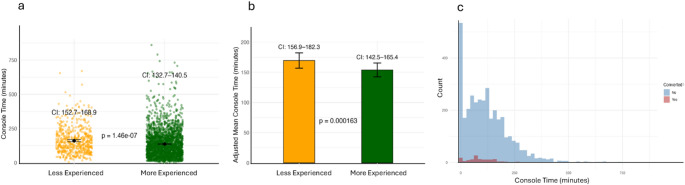 Figure 1
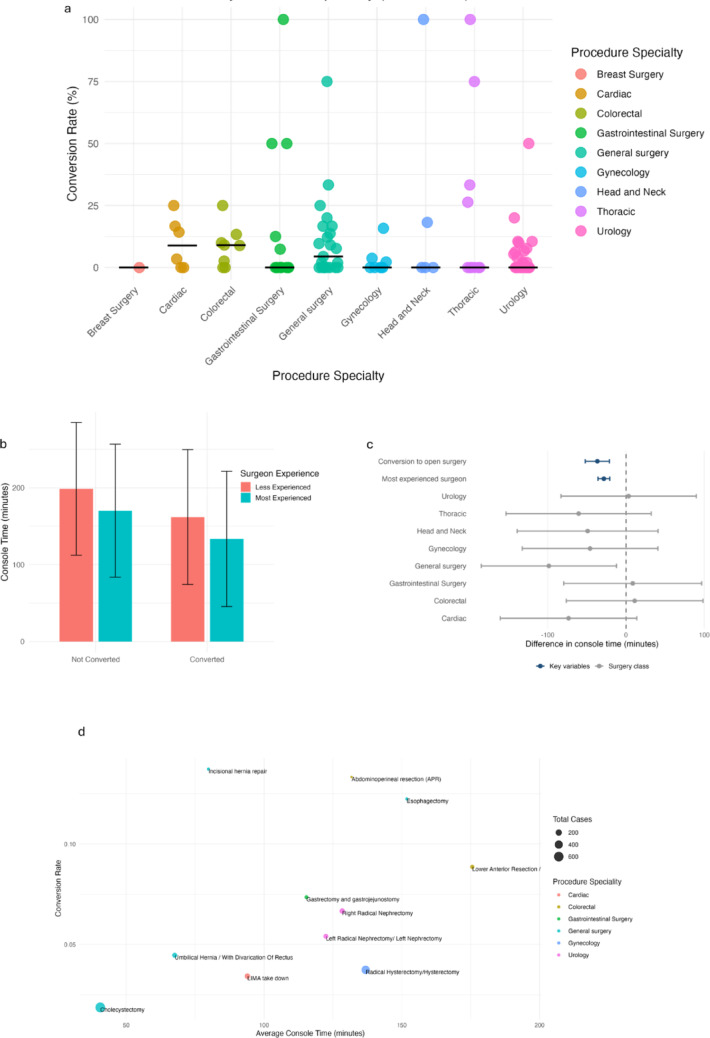 Figure 2
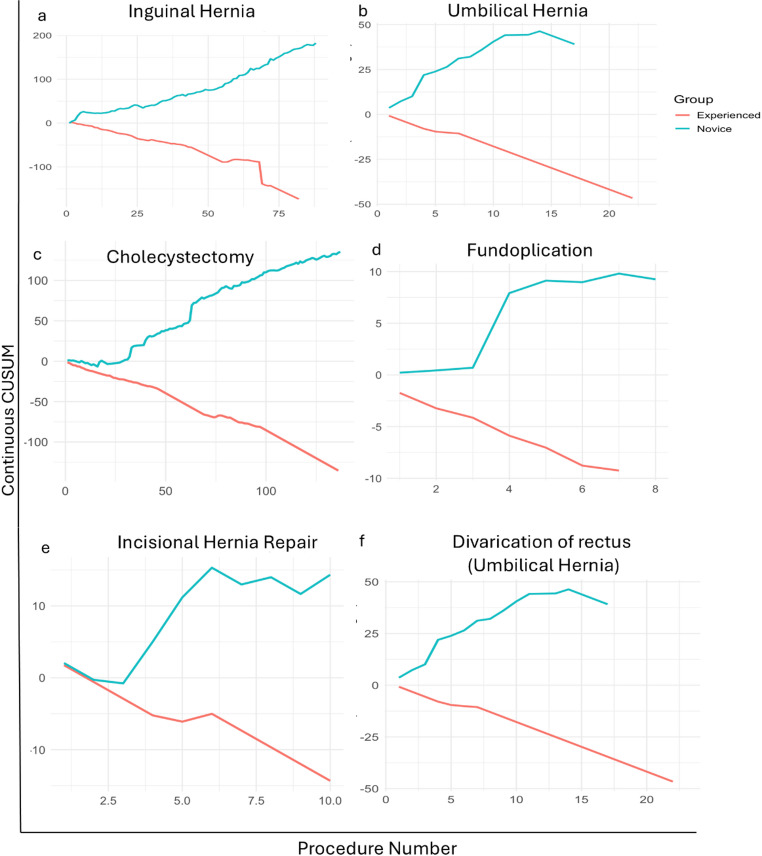 Figure 3
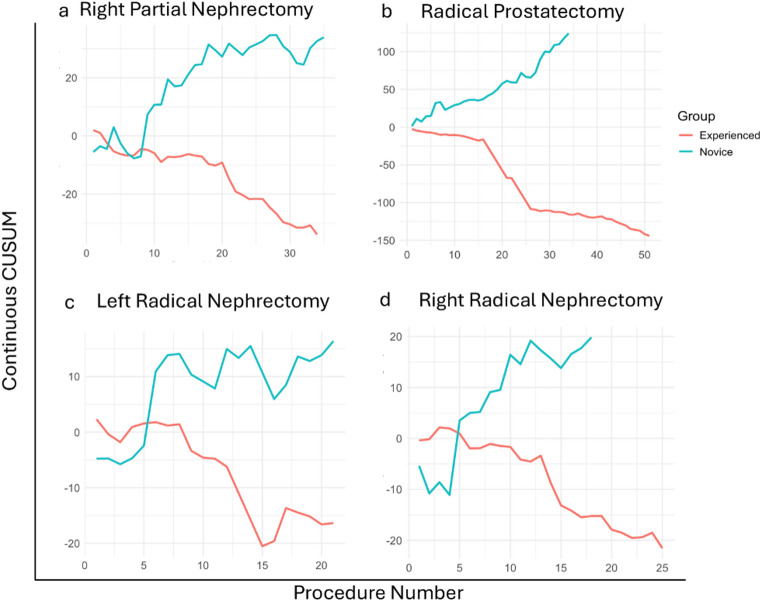 Figure 4
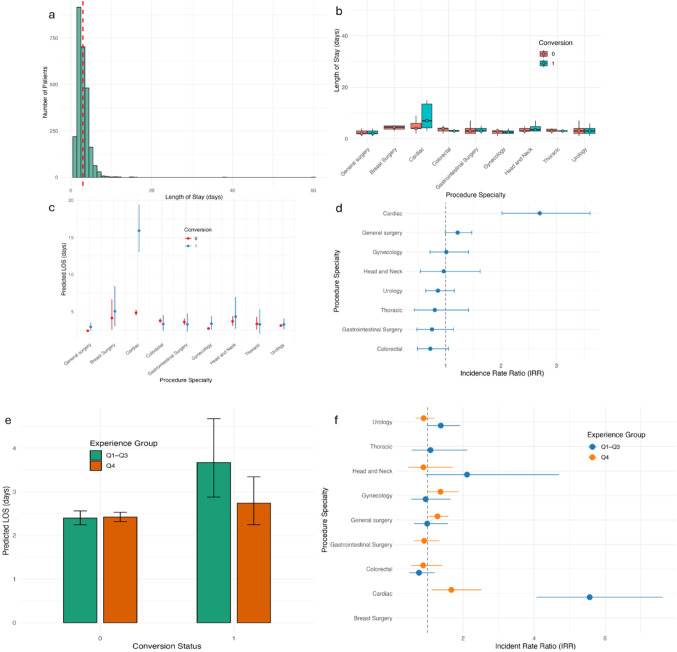 Figure 5
Peer Reviews
No public reviews on file for this paper yet. If you reviewed it on a platform where reviews are public (OpenReview, ICLR, NeurIPS, ICML), you can paste yours below so the community can read it here.
Videos
No videos yet. Explain this paper in a talk, walkthrough, or lecture? Add one.
Taxonomy
TopicsSurgical Simulation and Training · Soft Robotics and Applications · Minimally Invasive Surgical Techniques