A direct multiplex isothermal amplification-reverse dot blot hybridization system for β-thalassemia diagnosis
Chao Ye, Xiaoxing Zhou, Yan Wei, Yilian Zhao, Mengru Xie, Xinchu Liu, Jinghui Ma, Jilin Qing, Zhizhong Chen

TL;DR
This paper introduces a new, low-cost method for detecting β-thalassemia mutations using a simplified process that doesn't require complex equipment.
Contribution
The dmRAA-RDB method enables direct, multiplex isothermal amplification of β-thalassemia mutations from whole blood without nucleic acid extraction.
Findings
The dmRAA-RDB method successfully detects 17 β-thalassemia mutations from whole blood with high accuracy.
The method achieves 100% agreement with commercial PCR-RDB kits in clinical sample testing.
The workflow is significantly shortened and requires no expensive instruments.
Abstract
Molecular diagnostic methods largely rely on expensive equipment and complex operations, which makes it difficult to achieve rapid and low-cost detection. In recent years, the increasing demand for point-of-care testing has driven the rapid development of isothermal amplification techniques, due to their simplicity and low equipment requirements. However, complex nucleic acid extraction steps are still required before most isothermal amplification. In this study, we propose a nucleic acid extraction-free gene detection method: direct multiplex Recombinase Aided Amplification combined with reverse dot blot hybridization (dmRAA-RDB). This method can detect multiple targets simultaneously and offers advantages such as high sensitivity, high specificity, low cost, no need for expensive instruments, and visual detection. By pre-treating whole blood samples with sodium hydroxide solution, the…
Genes, proteins, chemicals, diseases, species, mutations and cell lines named across the full text — each resolved to its canonical identifier and authoritative record.
Click any figure to enlarge with its caption.
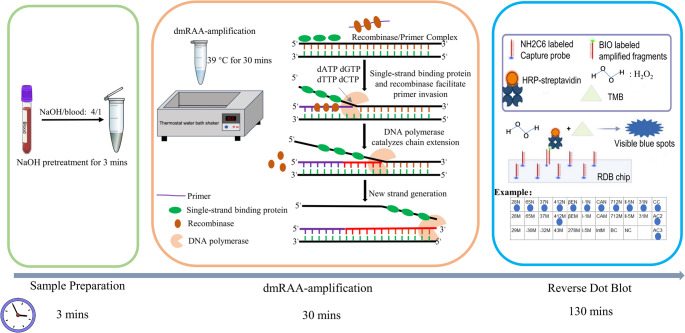 Figure 1
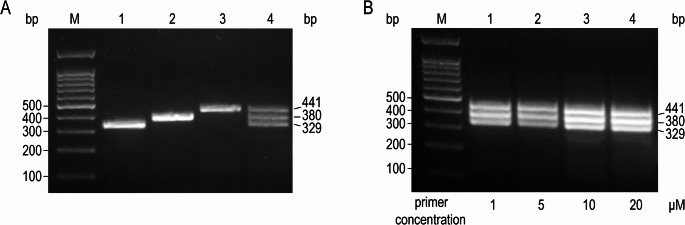 Figure 2
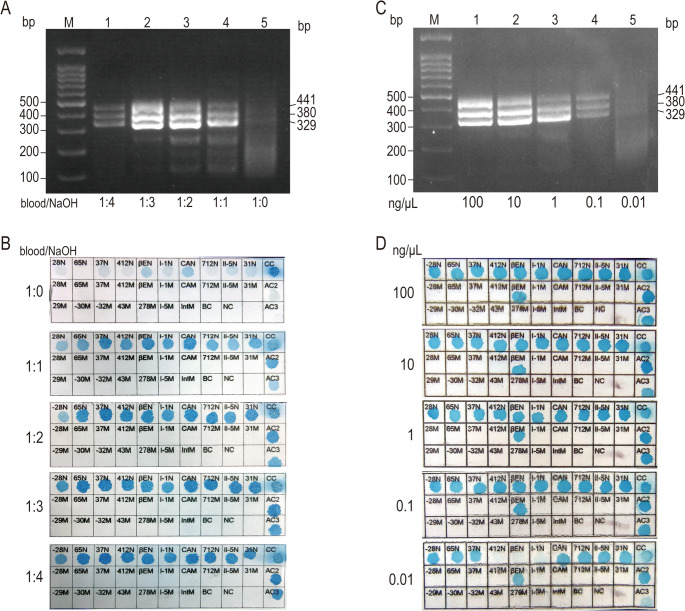 Figure 3
 Figure 4
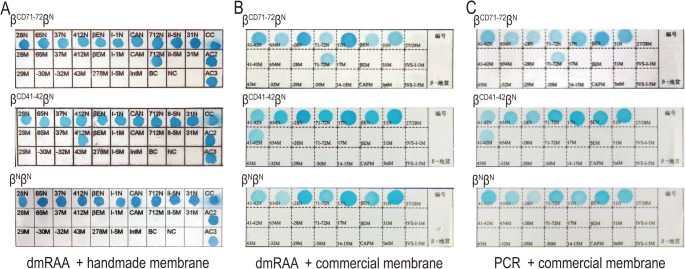 Figure 5
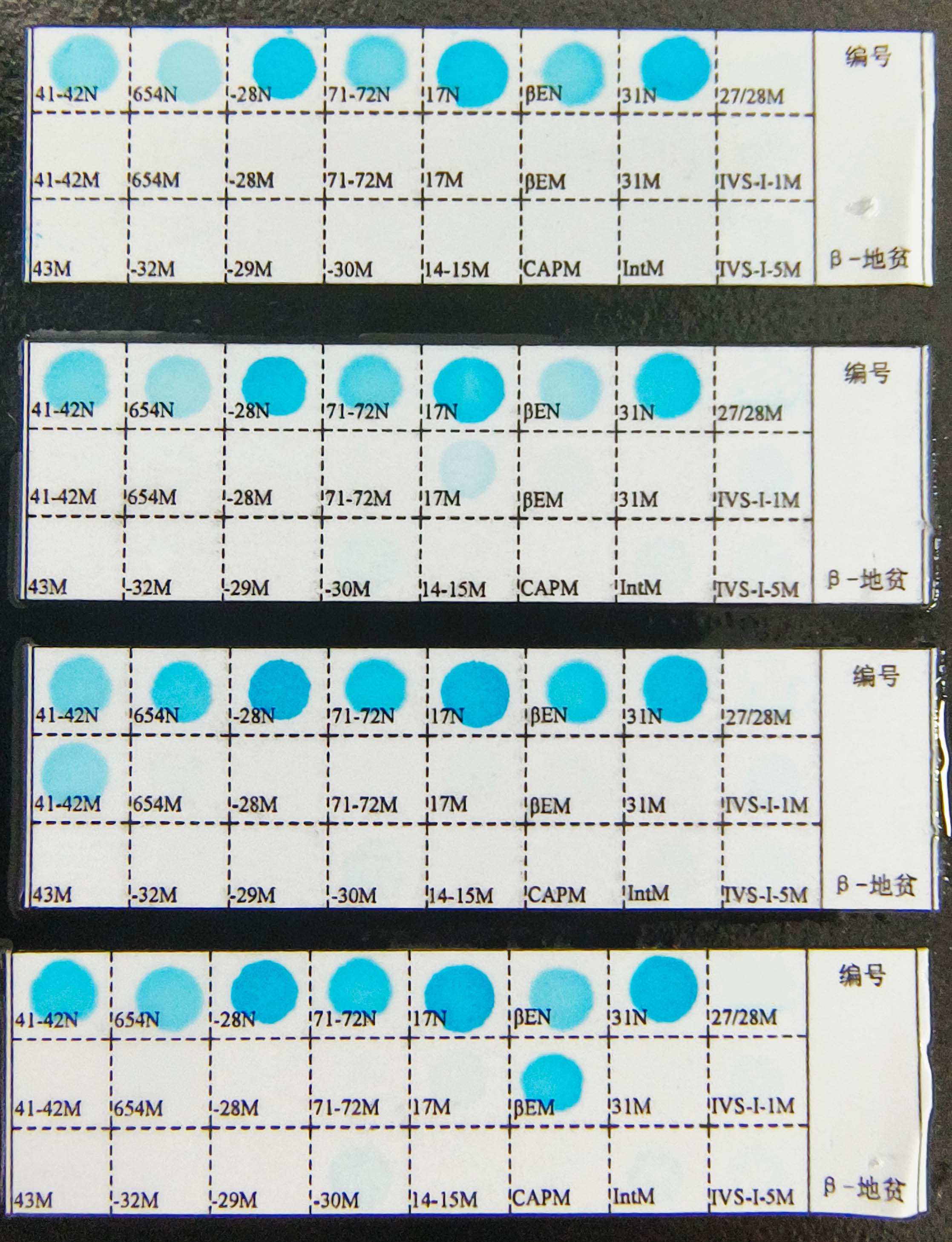 Figure 6
Peer Reviews
No public reviews on file for this paper yet. If you reviewed it on a platform where reviews are public (OpenReview, ICLR, NeurIPS, ICML), you can paste yours below so the community can read it here.
Videos
No videos yet. Explain this paper in a talk, walkthrough, or lecture? Add one.
Taxonomy
TopicsBiosensors and Analytical Detection · Hemoglobinopathies and Related Disorders · Advanced biosensing and bioanalysis techniques