Feedback regulation between histone H3 lysine 18 lactylation and TROP2‐mediated glycolysis drives metastatic progression of colorectal cancer
Weifeng Wang, Yuxiang Deng, Weihao Li, Ruowei Wang, Chi Zhou, Yanbo Xu, Jiahua He, Le' en Liao, Jin Lan, Long Yu, Da Kang, Weili Zhang, Qingjian Ou, Zhizhong Pan, Yujing Fang, Peirong Ding, Junzhong Lin, Jianhong Peng

TL;DR
The study reveals a feedback loop between histone lactylation and TROP2 signaling that drives colorectal cancer metastasis and suggests a new treatment approach using acriflavine.
Contribution
Discovery of a self-reinforcing H3K18 lactylation-TROP2 feedback loop in CRC metastasis and its disruption as a therapeutic strategy.
Findings
TROP2 promotes lactate production via YBX1-HIF-1α signaling, which increases H3K18 lactylation.
H3K18 lactylation enhances expression of metastasis-promoting genes and sustains TROP2 levels.
Acriflavine inhibits H3K18 lactylation and suppresses TROP2-driven metastasis in preclinical models.
Abstract
TROP2, a critical cell surface oncogenic signal transducer, is increasingly linked to refractory metastatic colorectal cancer (CRC) and other solid tumours. Robust lactate accumulation within metastatic niches correlates with pathological metastatic progression. Anti‐TROP2 antibody‐drug conjugates (ADCs) are clinically available but show limited efficacy in advanced metastatic CRC. Elucidating how TROP2 signalling orchestrates molecular and cellular programs enabling CRC metastatic progression would help improve metastasis therapies. Tissue microarray, immunohistochemistry, and western blotting delineated TROP2's pathological role in CRC liver metastasis (CRLM). Metabolomics characterised TROP2‐mediated metabolic effect. Western blot detected TROP2 responsive lactylation sites. Cell‐derived xenograft (CDX), intra‐splenic injection models, and patient‐derived xenografts (PDX) validated…
Genes, proteins, chemicals, diseases, species, mutations and cell lines named across the full text — each resolved to its canonical identifier and authoritative record.
Click any figure to enlarge with its caption.
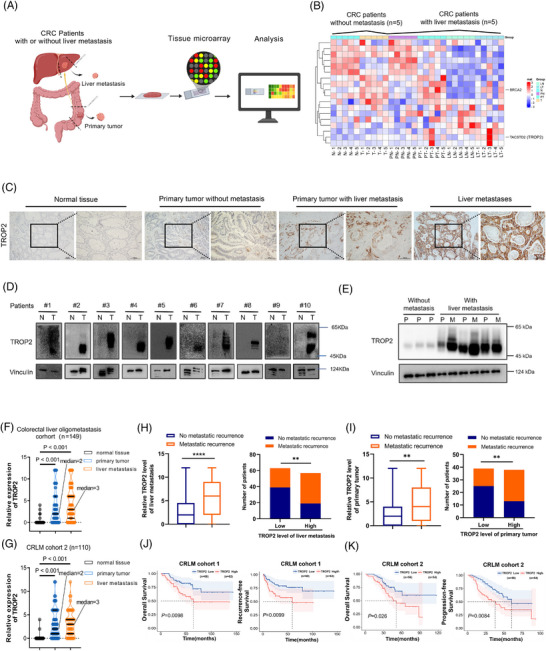 Figure 1
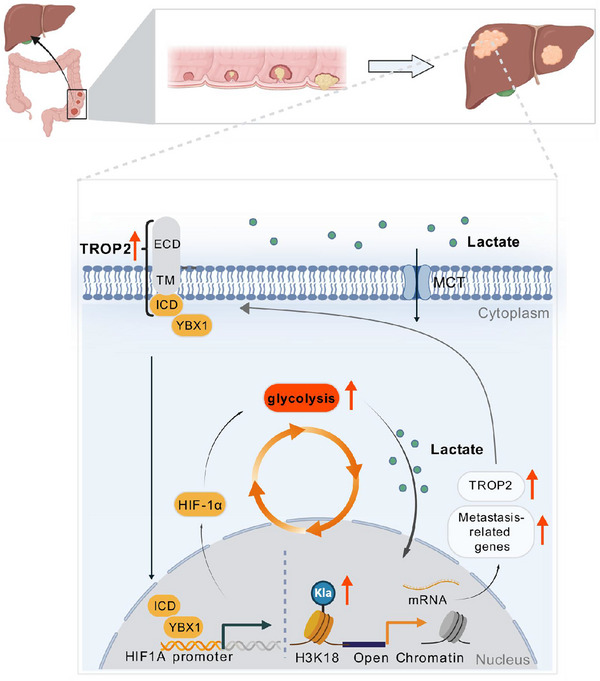 Figure 2
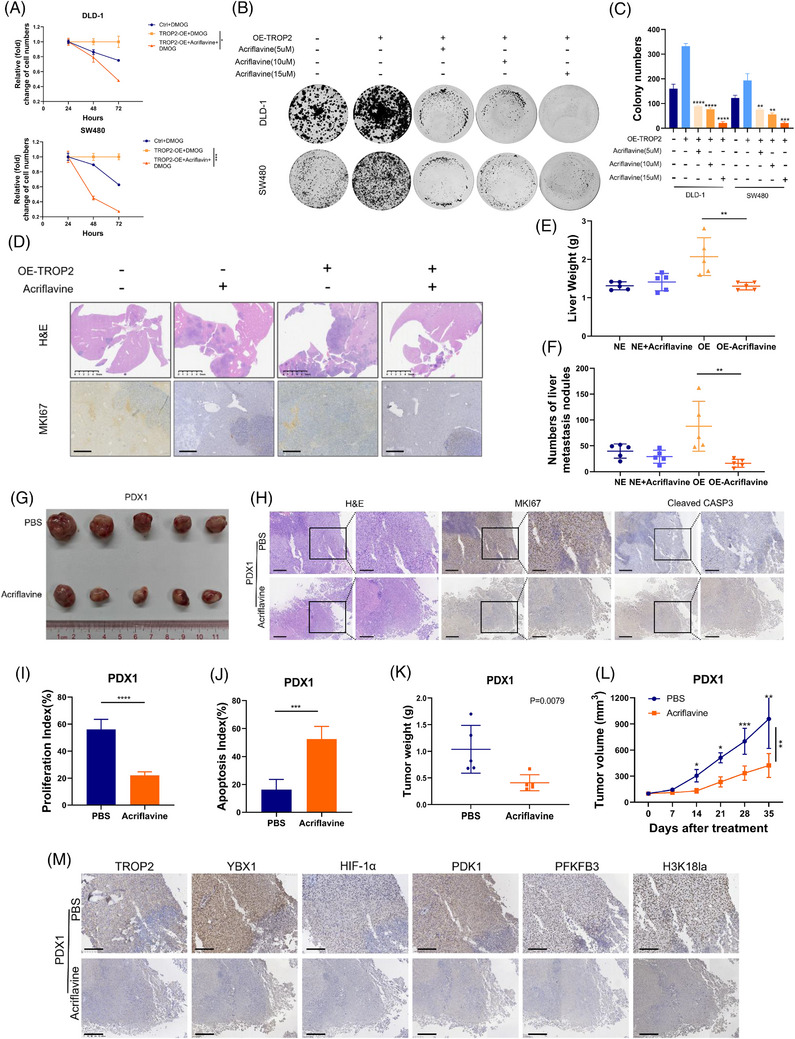 Figure 3
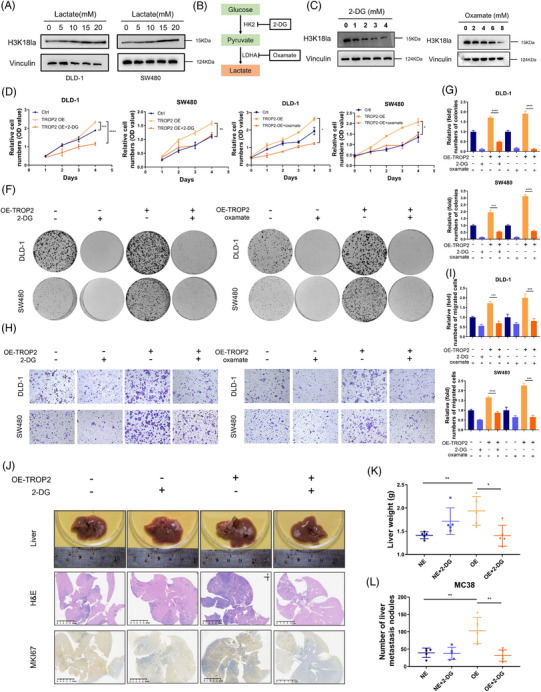 Figure 4
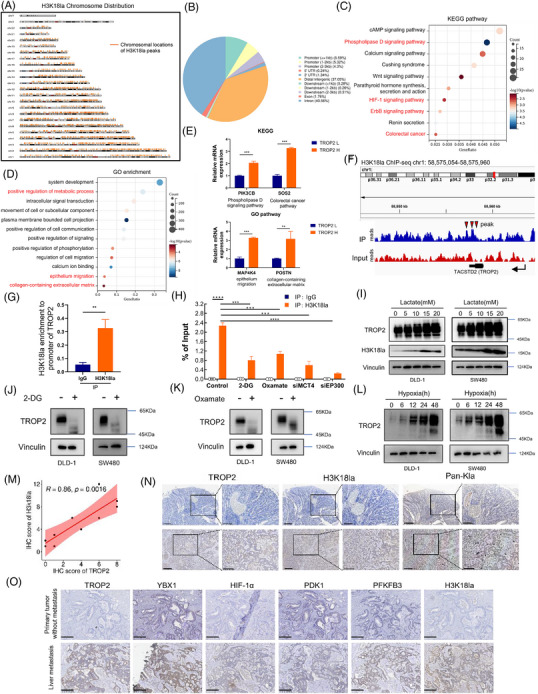 Figure 5
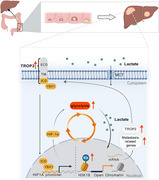 Figure 6
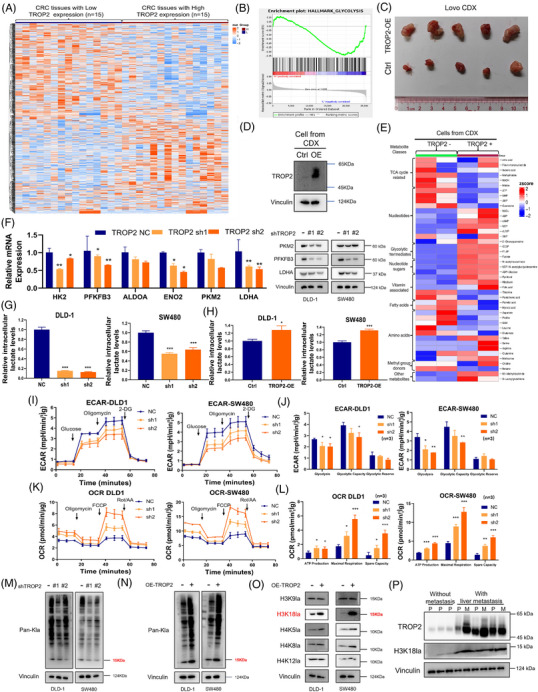 Figure 7
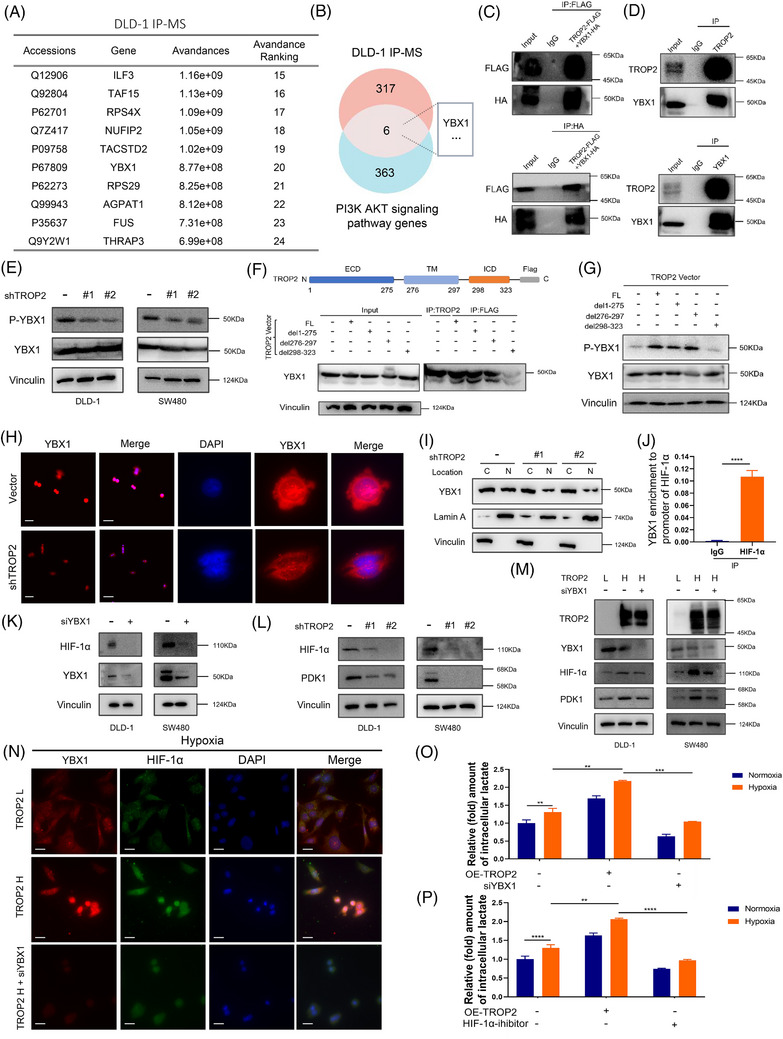 Figure 8
Peer Reviews
No public reviews on file for this paper yet. If you reviewed it on a platform where reviews are public (OpenReview, ICLR, NeurIPS, ICML), you can paste yours below so the community can read it here.
Videos
No videos yet. Explain this paper in a talk, walkthrough, or lecture? Add one.
Taxonomy
TopicsHER2/EGFR in Cancer Research · Colorectal Cancer Treatments and Studies · Cancer Cells and Metastasis