The impact of basketball on the physical health of Chinese middle school students aged 12–18: a systematic review and meta-analysis
Sun Richen, Xu Xiaolong, Lin Weilong, Sun Xiaoning, Wang Hengtong

TL;DR
This study finds that basketball improves physical fitness in Chinese middle school students, with benefits in speed, flexibility, strength, and endurance, but not upper-body strength.
Contribution
The study provides a systematic review and meta-analysis of basketball's effects on physical fitness in Chinese middle school students.
Findings
Basketball significantly improves 50 m sprint performance, sit-and-reach flexibility, standing long jump, sit-ups, and 1,000 m and 800 m running times.
No significant improvement in pull-up performance was observed.
Improvements vary by gender, year group, and intervention duration.
Abstract
This systematic review evaluates the impact of basketball on the physical fitness of Chinese middle school students, providing evidence-based support for research on how basketball enhances the physical health of Chinese students aged 12–18. Using CNKI, WanFang, WeiPu, PubMed, Web of Science, Embase, and Cochrane as search databases, the search period spanned from the inception of each database to March 4, 2025. Literature screening was conducted using the PICOST model. Ultimately, nine publications comprising 16 studies were included. Quality assessment was conducted using the PRISMA statement and the Cochrane Handbook for Systematic Reviews of Interventions. Statistical analysis and publication bias testing were performed using Review Manager 5.4 and Stata 17 software. The study included 736 secondary school students, comprising 387 in the experimental group and 349 in the control…
Genes, proteins, chemicals, diseases, species, mutations and cell lines named across the full text — each resolved to its canonical identifier and authoritative record.
Click any figure to enlarge with its caption.
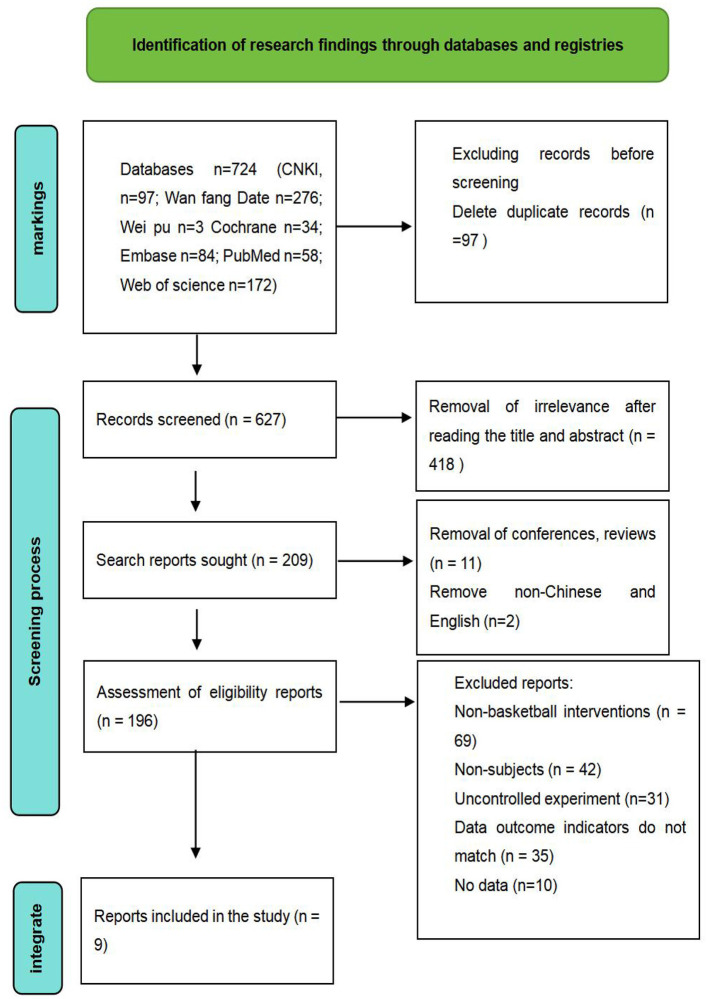 Figure 1
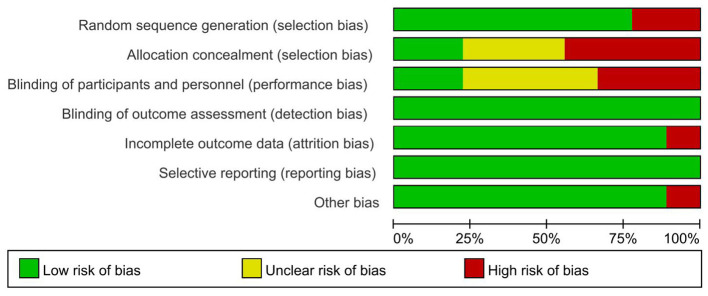 Figure 2
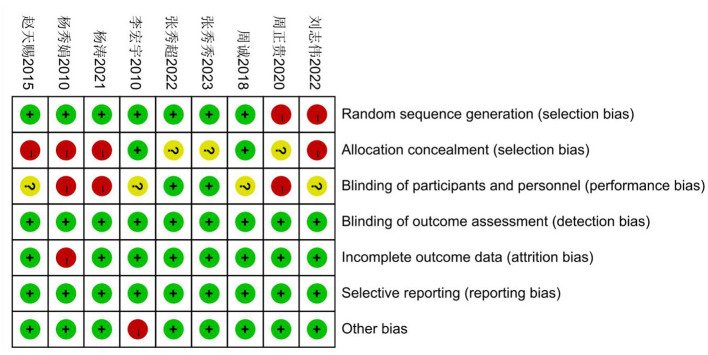 Figure 3
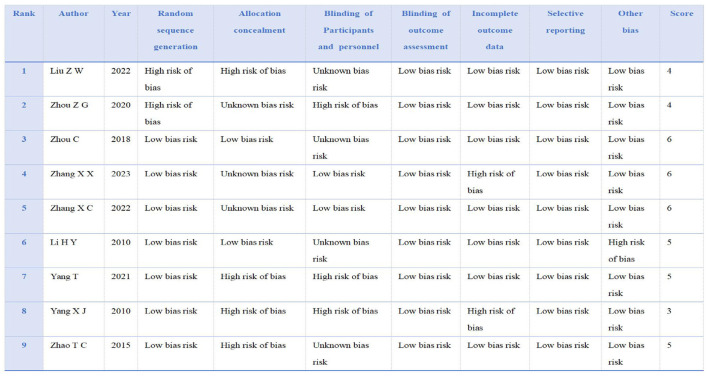 Figure 4
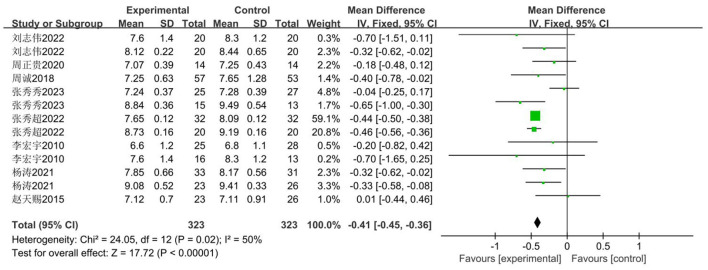 Figure 5
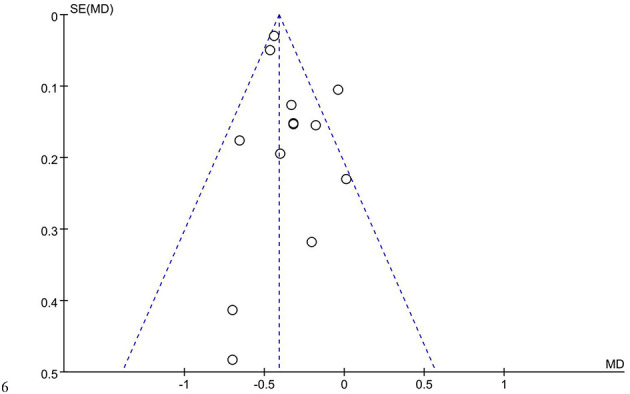 Figure 6
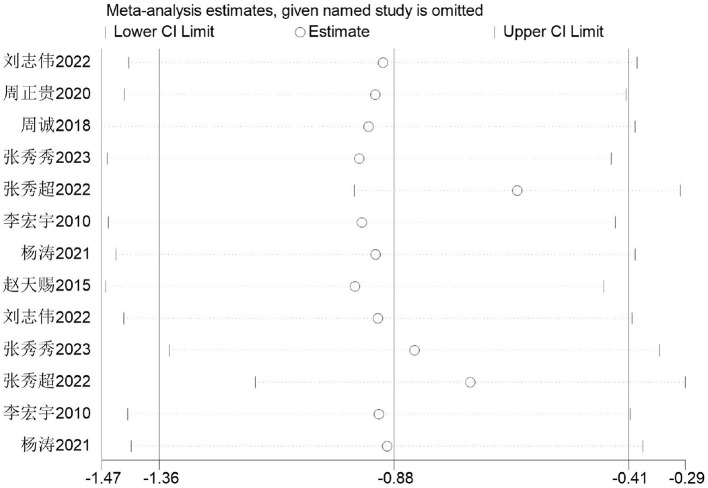 Figure 7
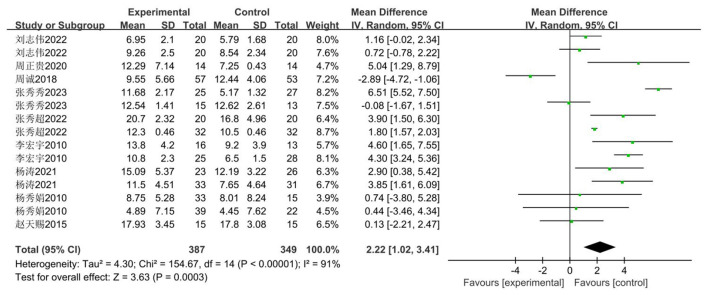 Figure 8
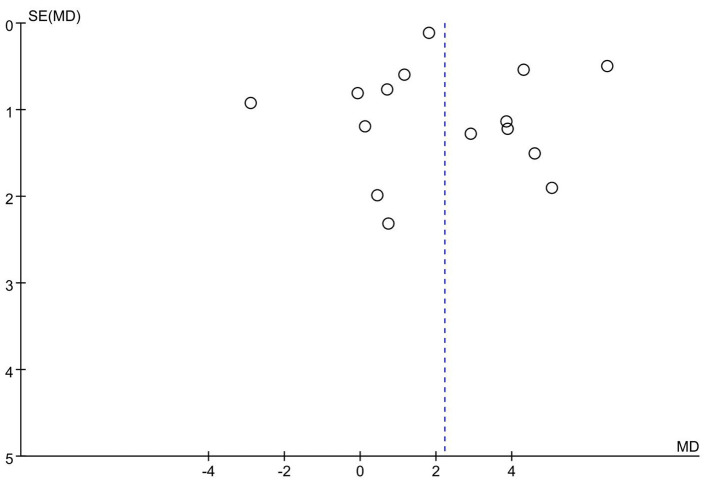 Figure 9
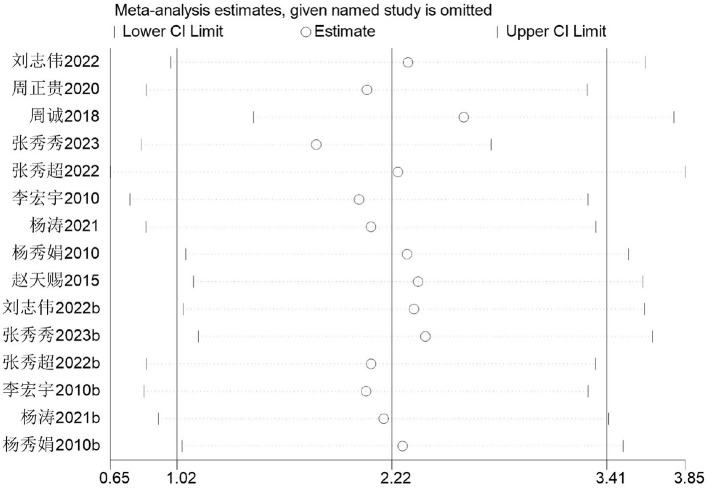 Figure 10
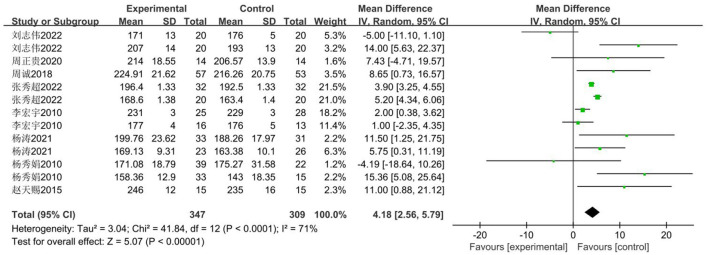 Figure 11
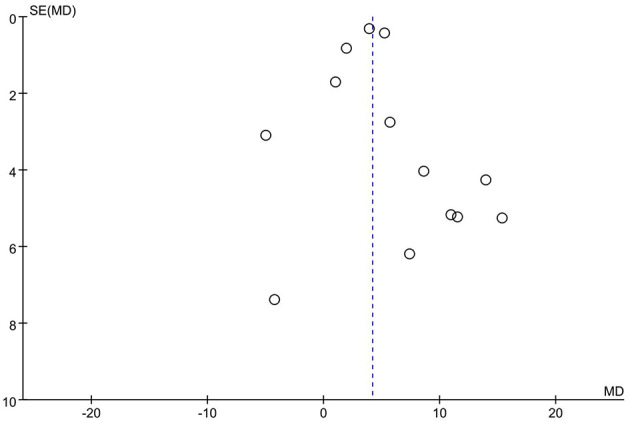 Figure 12
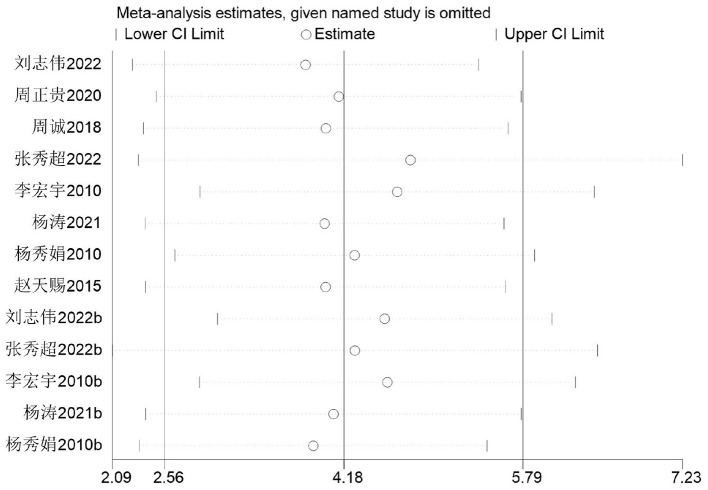 Figure 13
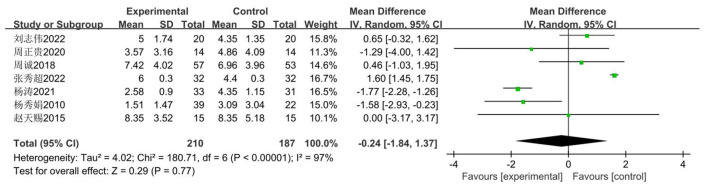 Figure 14
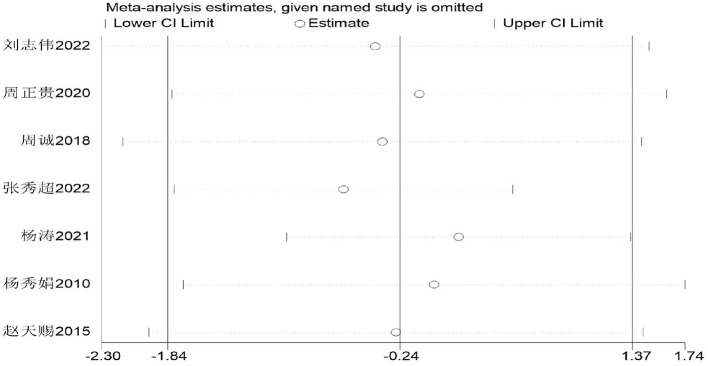 Figure 15
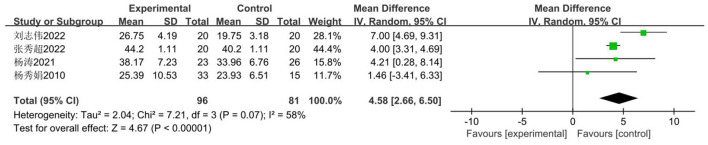 Figure 16
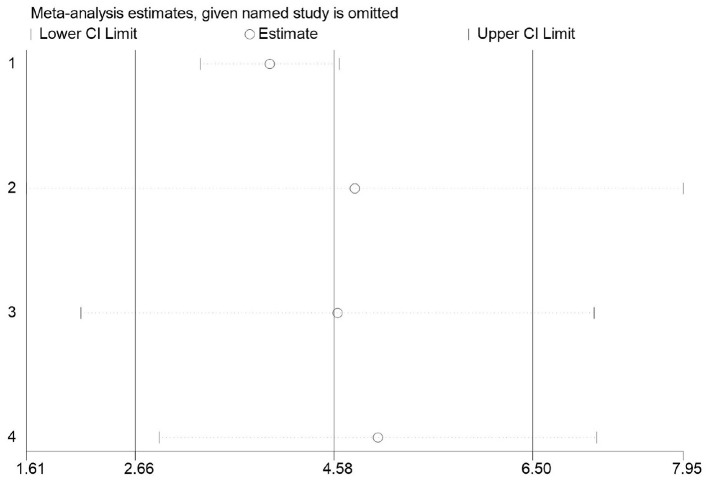 Figure 17
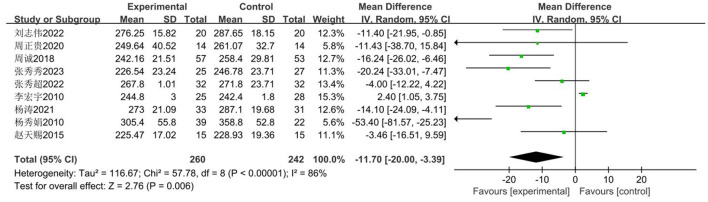 Figure 18
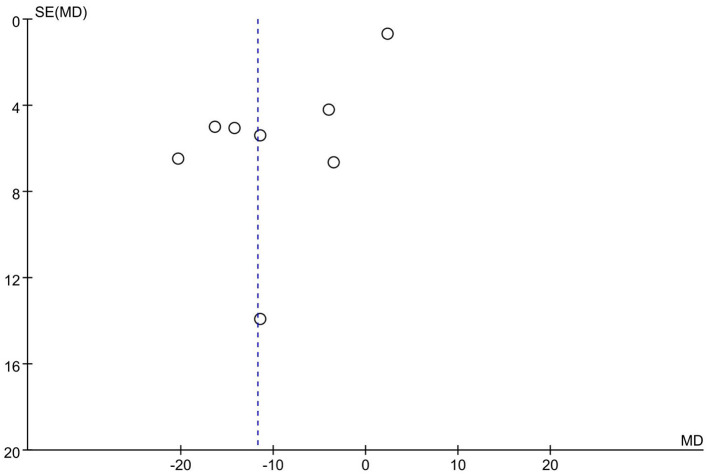 Figure 19
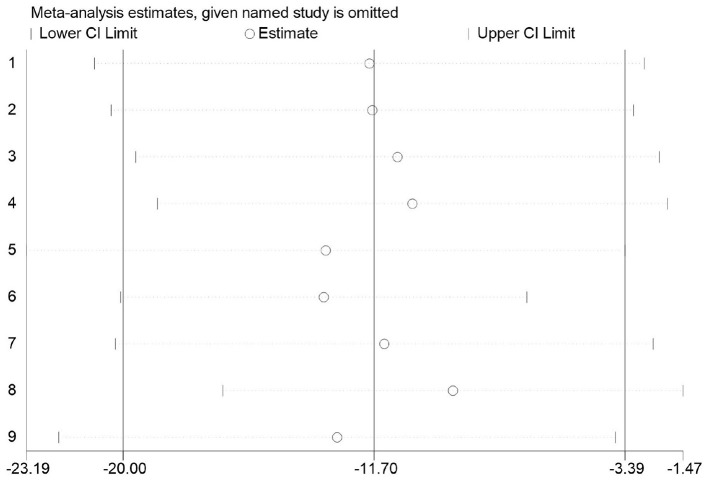 Figure 20
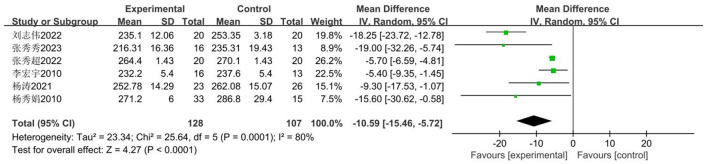 Figure 21
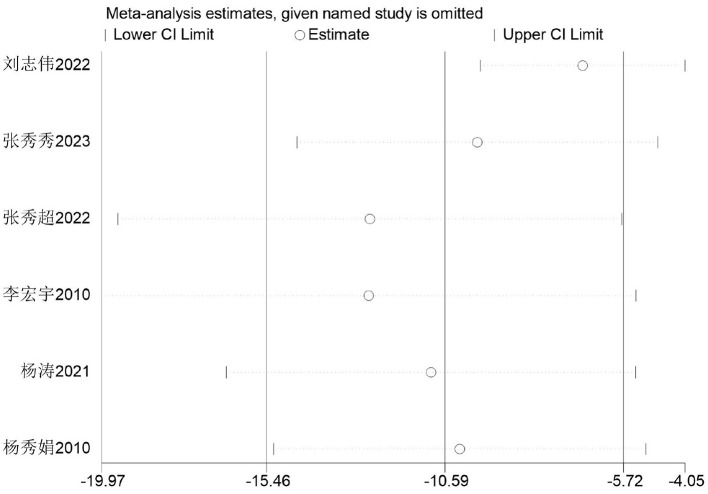 Figure 22
|
|
|
|
|
|
|
| ||
|---|---|---|---|---|---|---|---|---|
|
|
|
|
| |||||
| 1 | Liu ZW | 2022 | Junior high school student | 12 | 40 | 40 | 40 | 40 |
| 2 | Zhou ZG | 2020 | Junior high school student | 36 | 28 | 14 | 14 | |
| 3 | Zhou C | 2018 | High school student | 52 | 110 | 57 | 53 | |
| 4 | Zhang XX | 2023 | High school student | 16 | 52 | 28 | 40 | 40 |
| 5 | Zhang XC | 2022 | Junior high school student | 17 | 64 | 40 | 52 | 52 |
| 6 | Li HY | 2010 | High school student | 52 | 53 | 29 | 41 | 41 |
| 7 | Yang T | 2021 | Junior high school student | 12 | 64 | 49 | 56 | 57 |
| 8 | Yang XJ | 2010 | Junior high school student | 52 | 61 | 48 | 72 | 37 |
| 9 | Zhao TC | 2015 | High school student | 8 | 30 | 15 | 15 | |
|
|
|
|
|
|
|
|---|---|---|---|---|---|
| Gender | −0.2046745 | 0.1131487 | −1.70 | 0.123 | −0.4770003, 0.0676513 |
| Year | 0.0932886 | 0.1226802 | 0.76 | 0.466 | −0.1842333, 0.3708104 |
| Intervention cycle | −0.0365985 | 0.1553617 | −0.24 | 0.819 | −0.3880512, 0.3148542 |
|
|
|
|
|
|
|
|---|---|---|---|---|---|
| Gender | Male | 7 | −0.390 s (−0.443, −0.337) | 14.51 | 0.000 |
| Female | 5 | −0.461 s (−0.549, −0.373) | 10.26 | 0.000 | |
| Year | Junior high school student | 7 | −0.429 s (−0.477, −0.381) | 17.68 | 0.000 |
| High school student | 7 | −0.220 s (−0.365, −0.074) | 2.96 | 0.003 | |
| Intervention cycle | < 18 weeks | 9 | −0.415 s (−0.461, −0.368) | 17.58 | 0.000 |
| ≥18 weeks | 5 | −0.280 s (−0.496, −0.064) | 2.54 | 0.011 |
|
|
|
|
|
|
|
|---|---|---|---|---|---|
| Gender | −0.2418611 | 1.562887 | −0.15 | 0.880 | −3.681752, 3.19803 |
| Year | −0.0951714 | 1.568679 | −0.06 | 0.953 | −3.547811, 3.357469 |
| Intervention cycle | −0.3033198 | 1.620865 | −0.19 | 0.855 | −3.870819, 3.264179 |
|
|
|
|
|
|
|
|---|---|---|---|---|---|
| Gender | Male | 9 | 2.296 cm (0.627, 3.966) | 2.70 | 0.007 |
| Female | 5 | 1.994 cm (0.407, 3.581) | 2.46 | 0.014 | |
| Year | Junior high school student | 9 | 1.975 cm (1.230, 2.719) | 5.20 | 0.000 |
| High school student | 5 | 2.114 cm (−0.861, 5.090) | 1.39 | 0.164 | |
| Intervention cycle | < 18 weeks | 9 | 2.320 cm (0.878, 3.762) | 3.15 | 0.002 |
| ≥18 weeks | 5 | 2.033 cm (−1.141, 5.207) | 1.26 | 0.209 |
|
|
|
|
|
|
|
|---|---|---|---|---|---|
| Gender | −3.213031 | 3.61721 | −0.89 | 0.398 | −11.39573, 4.969667 |
| Year | −1.442842 | 4.754725 | −0.30 | 0.768 | −12.19878, 9.313093 |
| Intervention cycle | −0.6307254 | 4.50467 | −0.14 | 0.892 | −10.821, 9.559546 |
|
|
|
|
|
|
|
|---|---|---|---|---|---|
| Gender | Male | 8 | 4.870 cm (2.534, 7.207) | 4.08 | 0.007 |
| Female | 5 | 3.512 cm (−0.470, 7.493) | 1.73 | 0.084 | |
| Year | Junior high school student | 9 | 4.841 (2.902, 6.780) | 4.89 | 0.000 |
| High school student | 4 | 3.114 cm (0.113, 6.115) | 2.03 | 0.042 | |
| Intervention cycle | < 18 weeks | 7 | 4.771 cm (2.874, 6.668) | 4.93 | 0.000 |
| ≥18 weeks | 6 | 3.780 cm (0.359, 7.201) | 2.17 | 0.030 |
|
|
|
|
|
|
|
|---|---|---|---|---|---|
| Gender | 1.016873 | 1.525764 | 0.67 | 0.542 | −3.219327, 5.253072 |
| Year | −1.13652 | 1.306303 | −0.87 | 0.433 | −4.763398, 2.490357 |
|
|
|
|
|
|
|
|---|---|---|---|---|---|
| Year | Junior high school student | 5 | −0.409 t (−2.342, 1.523) | 0.42 | 0.678 |
| High school student | 2 | 0.377 t (−0.973, 1.726) | 0.55 | 0.585 | |
| Intervention cycle | < 18 weeks | 4 | 0.132 t (−2.038, 2.303) | 0.12 | 0.905 |
| ≥18 weeks | 3 | −0.736 t (−2.177, 0.705) | 1.00 | 0.317 |
|
|
|
|
|
|
|
|---|---|---|---|---|---|
| Intervention cycle | −3.533088 | 3.058709 | −1.16 | 0.367 | −16.69365, 9.627474 |
|
|
|
|
|
|
|
|---|---|---|---|---|---|
| Intervention cycle | < 18 weeks | 3 | 5.003 t (2.888, 7.119) | 4.64 | 0.000 |
| ≥18 weeks | 1 | 1.460 t (−3.415, 6.335) | 0.59 | 0.557 |
|
|
|
|
|
|
|
|---|---|---|---|---|---|
| Year | 8.254554 | 10.21637 | 0.81 | 0.450 | −16.74401, 33.25312 |
| Intervention cycle | −6.193772 | 10.45025 | −0.59 | 0.575 | −31.7646, 19.37706 |
|
|
|
|
|
|
|
|---|---|---|---|---|---|
| Year | Junior high school student | 5 | −14.090 s (−24.446, −3.734) | 2.67 | 0.008 |
| High school student | 4 | −8.748 s (−21.233, 3.737) | 1.37 | 0.170 | |
| Intervention cycle | < 18 weeks | 5 | −10.156 s (−16.082, −4.231) | 3.36 | 0.001 |
| ≥18 weeks | 4 | −16.114 s (−34.486, 2.259) | 1.72 | 0.086 |
|
|
|
|
|
|
|
|---|---|---|---|---|---|
| Year | −0.5224525 | 7.957535 | −0.07 | 0.952 | −25.84688, 24.80198 |
| Intervention cycle | 3.786944 | 8.055137 | 0.47 | 0.670 | −21.8481, 29.42198 |
|
|
|
|
|
|
|
|---|---|---|---|---|---|
| Year | Junior high school student | 4 | −11.589 s (−19.385, −3.793) | 2.91 | 0.004 |
| High school student | 2 | −10.667 s (−23.651, 2.318) | 1.61 | 0.107 | |
| Intervention cycle | < 18 weeks | 5 | −12.278 s (−20.260, −4.296) | 3.01 | 0.003 |
| ≥18 weeks | 4 | −7.821 s (−16.327, 0.685) | 1.80 | 0.072 |
- —Department of Education of Guangdong Province10.13039/501100010226
Peer Reviews
No public reviews on file for this paper yet. If you reviewed it on a platform where reviews are public (OpenReview, ICLR, NeurIPS, ICML), you can paste yours below so the community can read it here.
Videos
No videos yet. Explain this paper in a talk, walkthrough, or lecture? Add one.
Taxonomy
TopicsSports injuries and prevention · Sports Performance and Training · Cardiovascular Effects of Exercise
Introduction
1
Currently, the decline in physical fitness among adolescents worldwide has become a serious public health challenge. The World Health Organization (WHO) has consistently warned that over 80% of adolescents worldwide fail to meet its recommended standard of at least 60 min of moderate-to-vigorous physical activity daily. This phenomenon has led to a series of health issues, including rising rates of overweight and obesity, declining cardiorespiratory fitness, insufficient muscle strength, and persistently high rates of myopia. These problems pose long-term threats to individuals' future health trajectories and the overall societal burden of disease. Middle school students are in adolescence, a critical transition period from childhood to adulthood. This stage represents not only a “golden window” of rapid physical development and peak physiological plasticity but also a pivotal time for establishing lifelong habits and behavioral patterns. Therefore, implementing effective health interventions during this phase—particularly enhancing physical fitness through increased physical activity—holds crucial strategic importance. Physical exercise, as a structured and planned form of bodily activity, is widely recognized as the most effective and economical means to counteract physical health issues among adolescents. Among various sports, basketball demonstrates immense potential for promoting adolescent physical health due to its unique attributes and global popularity. Basketball is not only a sport widely favored by adolescents, but its inherent movement patterns also align closely with the demands of physical health development. It is a comprehensive full-body exercise integrating high-intensity intermittent sprints (anaerobic exercise), sustained running (aerobic exercise), jumping, throwing, and physical contact. This allows for the simultaneous development of multiple physical qualities including speed, strength, agility, coordination, and endurance (1). Furthermore, as a team sport, basketball cultivates teamwork, communication skills, and decision-making abilities among adolescents, positively contributing to their psychosocial development. Some studies indicate that long-term basketball training not only improves physical fitness but also enhances participants' functional capacity and overall quality of life. Therefore, integrating basketball as a core component of school physical education or promoting it through extracurricular programs represents an attractive and feasible pathway to enhance the physical health of middle school students. Academic circles have extensively explored the health benefits of basketball. Wei (2) noted in their research that basketball significantly positively impacts students' physical fitness and mental health, strongly recommending schools enhance basketball participation through measures like expanding basketball clubs and improving facilities (3). This perspective aligns with numerous international studies. Research conclusions are relatively consistent regarding strength, speed, and agility. For instance, a 2024 study on adolescent basketball players found that Complex Training significantly improved endurance, speed, power, and agility (4). An earlier study also confirmed that a 4-week plyometric training program effectively enhanced basketball players' speed, agility, and lower-body muscle strength (5). Shengnan and Jing (6) also observed improvements in upper-body strength through “Little Basketball,” though the study did not explicitly address developmental stage differences. Collectively, these studies demonstrate that basketball's frequent sprints, direction changes, jumps, and shots effectively stimulate the neuromuscular system, promoting strength, speed, and agility development. A 15-week basketball training program similarly observed significant improvements in female students' sprint speed and agility (7). The positive impact of basketball on cardiorespiratory endurance is also widely recognized. The continuous full-court running and high-intensity transitions between offense and defense in basketball provide excellent cardiovascular training. Multiple studies indicate that regular basketball training significantly increases adolescents' maximal oxygen uptake (VO_2_max), the gold standard for measuring cardiorespiratory endurance (8–14). One study even explored the positive relationship between aerobic capacity and agility, as well as core muscular endurance, suggesting the foundational role of cardiorespiratory fitness in overall physical fitness (15). However, regarding body composition and flexibility, existing research findings remain somewhat controversial and uncertain. Yanlei (16) noted in his meta-analysis that basketball can moderately improve adolescent body composition, though the effect is not pronounced. He also found no significant enhancement in flexibility from basketball training (16). This finding aligns with some international studies, where conflicting reports exist regarding basketball training's effects on body composition and blood pressure, with inconsistent outcomes on flexibility improvement (17). This discrepancy may stem from basketball's technical movements predominantly involving explosive contractions of large muscle groups, with limited emphasis on extensive joint stretching. In contrast, Chen Deyi (49) concluded that long-term basketball participation significantly enhances speed, strength, endurance, agility, and “flexibility” in senior high school male students. This divergence in conclusions underscores the need for deeper, more systematic research on basketball's impact on specific physical attributes, particularly flexibility (9). While existing research offers valuable insights into basketball's impact on adolescent health, several notable gaps remain: inconsistent findings: as noted earlier, conclusions regarding basketball's effects on body composition and flexibility vary significantly, even contradicting each other. Lack of comparative systematic reviews: while numerous individual studies exist on basketball's effects, few systematic reviews or meta-analyses directly compare basketball with other team sports in terms of improving overall health indicators among middle school students (10, 18–26). Generalizability concerns: many studies sample “youth basketball athletes,” who may be selected individuals with training intensities and systematic approaches far exceeding those of typical middle school students. Thus, the direct applicability of these findings to school-based, universal basketball programs for all students remains questionable (27–29). Insufficient quantification of effects: most studies provide qualitative conclusions or single effect values, lacking a comprehensive, quantitative evidence system to precisely describe the average effect size of basketball on various physical health indicators among secondary school students. To address these research gaps, this study aims to employ a meta-analysis methodology to systematically retrieve, screen, and synthesize quantitative research from domestic and international sources on the impact of basketball interventions on the physical health of secondary school students. This study will strictly adhere to systematic review inclusion and exclusion criteria, extract data from qualifying literature, conduct quality assessments, and ultimately combine effect sizes using statistical methods. Through this meta-analysis, this study aims to provide educators, sports policymakers, and parents with more comprehensive and reliable scientific evidence regarding the health benefits of basketball. This will offer a clear and feasible practical pathway for optimizing school physical education curriculum design, promoting youth sports activities, and effectively enhancing the physical health levels of secondary school students in China and globally.
Materials and methods
2
Research registration
2.1
To prevent duplicate research, this study has been prospectively registered with PROSPERO CRD420251022157, ensuring complete consistency between the research methodology and the registered protocol.
Sources of data
2.2
Retrieval personnel
2.2.1
The first and second authors conducted the literature search independently and double-blinded, strictly adhering to the PRISMA Guidelines (30). The PRISMA Checklist, included in the Supplementary Data Sheet 1, explicitly outlines the research methodology and all relevant aspects of this review.
Retrieval time
2.2.2
The search includes studies published up to March 4, 2025.
Database
2.2.3
This study was conducted in CNKI, WeiPu, WanFang, PubMed, Embase, Cochrane, and Web of Science.
Search keywords
2.2.4
Search terms: Basketball, Basketballs, Netball, Netballs, Middle school student, middle school students, high school students, physical health, physical health status.
Retrieval strategy
2.2.5
This study conducted a search across the CNKI, WeiPu, WanFang, PubMed, Embase, Cochrane, Web of Science databases. The search was conducted in either Chinese or English, with no restrictions on time or region. The search query was: (((“Basketball”[Mesh]) OR ((((Basketball) OR (Basketballs)) OR (Netball)) OR (Netballs))) AND (((Middle school student) OR (middle school students)) OR (high school students))) AND (((((((((physical health) OR (physical health status)) OR (50-m sprint)) OR (sit-and-reach)) OR (standing long jump)) OR (pull-ups)) OR (one-minute sit-ups)) OR (1000-m run)) OR (800-m run)).
Inclusion and exclusion criteria for literature
2.3
The inclusion and exclusion of literature was conducted independently by two authors. The PICOST criteria [P (participants); I (intervention); C (comparison); O (outcome); S (study design); T (time)] were applied (31). In the event of disagreement during the final screening, a third author was consulted to facilitate discussion until consensus was reached. Inclusion criteria required compliance with the following conditions: (a) study population: secondary school pupils, aged 12–18 years; (b) intervention: experimental group received basketball-based intervention (physical education classes, basketball training, extracurricular basketball activities); (c) comparison: control group did not receive basketball-specific intervention; (d) outcome measures: studies must include at least one or more of the following: 50-m sprint, sit-and-reach, standing long jump, pull-ups (males)/1-min sit-ups (females), 1,000-m run (males)/800-m run (females); (e) study design: controlled trials; and (f) intervention duration: the study must clearly specify the intervention period. Studies failing to meet these inclusion criteria will be excluded.
Assessment of literature bias risk
2.4
Two independent researchers conducted a bias analysis of the included literature according to the Cochrane Handbook for Systematic Reviews. This primarily encompassed: random sequence generation (whether allocation between the experimental and control groups was fully random), allocation concealment (whether those implementing the basketball intervention were aware of the allocation beforehand), and blinding of participants or personnel (whether basketball intervention practitioners and participants knew their respective group assignments), blinding of outcome assessors (whether outcome assessors knew which group participants belonged, potentially skewing results), incomplete outcome data (whether study results were missing), selective reporting (whether study results omitted test scores or key primary outcomes), and other biases (other factors influencing intervention outcomes). The overall risk assessment of the article is categorized into three levels: (a) high-risk articles: any article containing at least one high-risk item; (b) unknown-risk articles: articles without high-risk items but containing unknown-risk items; and (c) low-risk articles: articles without either high-risk or unknown-risk items.
Extraction of data information
2.5
Compile and summarize the basic information of articles included in the analysis, extracting relevant details. Should any data be missing, attempt to contact the authors via email to seek completion of the information. Number the included articles and extract data from the selected literature, primarily comprising: authors, publication year, study subjects, intervention duration, subjects' gender, and sample size. As shown in Table 1 below.
Statistical methods
2.6
Statistical analysis was performed using Review Manager 5.4 and Stata 17 software. Since the 50-m sprint, sit-and-reach, standing long jump, pull-ups (male)/1-min sit-ups (female), and 1,000-m run (male)/800-m run (female) were continuous variables, the analysis utilized the mean difference (MD), confidence interval (95% CI), and total effect value Z. Heterogeneity among included studies was assessed using the I^2^ statistic: I^2^ = 0 indicated no heterogeneity; I^2^ between 0 and 50% suggested acceptable heterogeneity, warranting a fixed-effects model; I^2^ > 50% indicated substantial heterogeneity, requiring a random-effects model (32). The significance level was set at P = 0.05, and subgroup analyses were conducted to ensure reliability of results. When more than eight studies are included, a publication bias test is performed.
Results
3
Literature search and screening
3.1
Search keywords: basketball, basketball sport, tennis, tennis sport, junior high school students, senior high school students, physical health, physical health status. The databases included: CNKI, WeiPu, WanFang, PubMed, Embase, Cochrane, Web of Science. This search encompassed virtually all relevant literature from the inception of these databases up to 4 March 2025, yielding a total of 724 articles. During the screening process, the retrieved literature was first imported into the EndNote reference management software. Machine screening and manual review identified 97 duplicate articles. Further examination of titles and abstracts revealed that 418 articles were entirely irrelevant to this study. Full-text review revealed 13 conference proceedings or review articles, 69 non-basketball intervention studies, 42 studies not involving secondary school students, 31 non-controlled trials, 35 studies with outcome measures incompatible with this study's criteria, and 10 studies lacking published experimental data. Ultimately, nine studies were included. Figure 1 illustrates the PRISMA screening process. Table 1 presents the basic information of the included studies.
Flow chart of PRISMA literature screening.
Fundamental characteristics of included literature and evaluation of literature quality
3.2
The nine articles included in this study comprised: six studies showed high risk of bias, three had unknown risk of bias, and the overall quality of the included literature was low. The nine articles included a total of 762 secondary school pupils: 387 in the experimental groups and 349 in the control groups. Quality analysis of the included articles was conducted using Review Manager 5.4 software to generate a risk of bias plot. As shown in Figures 2, 3. The specific scores for each article are presented in Figure 4.
Proportion of each quality evaluation item of included literature.
Schematic diagram of quality evaluation of included literature.
Literature scoring diagram.
Meta-analysis results
3.3
The impact of basketball on speed qualities among Chinese middle school students
3.3.1
Integrity test
3.3.1.1
The 50-m sprint time is selected as the evaluation metric for measuring middle school students' speed fitness. Eight publications comprising 14 studies (33–40) were included, examining the impact of basketball training on 50-m sprint performance among secondary school pupils. The total sample comprised 646 pupils, with 323 assigned to the experimental group and 323 to the control group. Heterogeneity analysis revealed moderate heterogeneity among studies (I^2^ = 50, P < 0.05), necessitating the use of a fixed-effects model for effect estimation. Results are presented in Figure 5. Compared with the control group, the experimental group demonstrated a substantial and statistically significant improvement in 50 m performance [MD = −0.41 s, 95% CI (−0.45, −0.36), Z = 17.72, P < 0.00001].
Forest plot of basketball training's impact on 50 m sprint performance in adolescents.
Publication bias assessment
3.3.1.2
The funnel plot (Figure 6) indicates that publications are distributed symmetrically around the mean effect size, suggesting minimal publication bias. Egger's test (t = 1.47, P = 0.171 > 0.05) further confirms the absence of significant publication bias.
Funnel plot of basketball training's effect on 50 m sprint performance.
Meta-regression and moderator subgroup analysis
3.3.1.3
Given that the heterogeneity of effect sizes exceeded 50%, meta-analyses were conducted by grouping studies based on gender, intervention duration, and educational stage, as determined by literature characteristics. Results are presented in Table 2, indicating gender as the primary source of heterogeneity. Gender, grade level, and intervention duration were explored as moderating variables to identify key factors influencing basketball's effect on 50 m sprint performance. Regarding gender, females (MD = −0.461 s) outperformed males (MD = −0.390 s). By educational stage, junior secondary students (MD = −0.429 s) demonstrated superiority over senior secondary students (MD = −0.22 s). Concerning intervention duration, programme lasting < 18 weeks (MD = −0.415 s) yielded better outcomes than those ≥18 weeks (MD = −0.280 s).
Sensitivity analysis
3.3.1.4
Firstly, switching between random-effects and fixed-effects models and re-conducting statistical analyses revealed no significant alterations in all statistical outcomes. Secondly, assessing the influence of each study by sequentially excluding one study demonstrated that the pooled effect size MD (0.36 s, 0.43 s) and I^2^ ranged from 2 to 54%, with P < 0.00001. This indicates the meta-analysis results are stable and reliable (Figure 7).
Sensitivity analysis of basketball training's impact on 50 m sprint performance in adolescents.
The impact of basketball on flexibility in Chinese middle school students
3.3.2
Integrity check
3.3.2.1
The sit-and-reach test is commonly used as an evaluation metric for assessing the physical fitness and health status of middle school students. This paper also employs the sit-and-reach test as its evaluation metric. The impact of basketball training on sit-and-reach performance among secondary school students was examined across nine studies (33–41), comprising 15 investigations involving 736 pupils: 387 in experimental groups and 349 in control groups. Heterogeneity testing revealed substantial heterogeneity (I^2^ = 91, P < 0.00001). Consequently, a random-effects model was employed for analysis. As illustrated in Figure 8, the intervention group demonstrated a significant improvement in sit-and-reach test scores compared to the control group [MD = 2.22 cm, 95% CI (1.02, 3.41), P = 0.0003 < 0.05], indicating statistical significance.
Forest plot of basketball training's impact on sit-and-reach flexibility in adolescents.
Publication bias test
3.3.2.2
The funnel plot (Figure 9) indicates that most studies are distributed on both sides of the mean effect, with no apparent publication bias. This conclusion is supported by the results of Egger's test (t = 1.90, P = 0.08 > 0.05), thus confirming the absence of significant publication bias.
Funnel plot for assessing publication bias in the meta-analysis of basketball training's impact on sit-and-reach flexibility among adolescents.
Meta-regression and moderator subgroup analysis
3.3.2.3
Given that the heterogeneity of the meta-analysis exceeded 50%, the meta-analysis was conducted with gender, grade level, and intervention cycle as moderator variables based on the inclusion criteria from the literature. The results are presented in Table 4. Grade level may be a contributing factor to the elevated heterogeneity. Subgroup analyses were conducted based on gender, year group, and intervention cycle, as presented in Table 5. Results indicated that male participants (MD = 2.296 cm) demonstrated superior performance compared to female participants (MD = 1.994 cm) (Table 3); No significant difference was observed between the experimental and control groups in senior secondary school (P = 0.164 > 0.05), whereas a significant difference was found in junior secondary school (P < 0.0001), with the experimental group achieving markedly higher results than the control group (MD = 1.975 cm); Regarding intervention duration, a significant difference was observed for periods < 18 weeks (P = 0.002 < 0.05), with the experimental group showing markedly higher results than the control group (MD = 2.320 cm). No significant difference was found for periods >18 weeks (P = 0.209 > 0.05).
Sensitivity analysis
3.3.2.4
Firstly, switching between random-effects and fixed-effects models and re-conducting statistical analyses revealed no significant alterations in all statistical outcomes. Secondly, sequentially excluding individual studies demonstrated that removing any single study had negligible impact on the overall effect size and heterogeneity. The I^2^ values ranged from 82 to 92%, and the results remained statistically significant, indicating robust and reliable meta-analysis findings. As shown in Figure 10.
Sensitivity of basketball training to sit-and-reach test results in secondary school students.
The impact of basketball on lower-body explosive power among Chinese middle school students
3.3.3
Integrity check
3.3.3.1
The standing long jump is commonly used as the primary indicator for evaluating lower-body explosive power in Chinese middle school students. The impact of basketball training on standing long jump performance among secondary school students was examined across eight studies (33–41). The 14 studies involved 656 secondary school students, comprising 347 in the experimental group and 309 in the control group. Heterogeneity testing revealed substantial heterogeneity (I^2^ = 71%, P < 0.0001). Consequently, a random-effects model was employed, with results presented in Figure 11. A significant difference was observed between the control and experimental groups [MD = 4.18 cm, 95% CI (2.56, 5.79), P < 0.00001].
Forest plot illustrating the impact of basketball participation on standing long jump performance among secondary school pupils.
Bias test
3.3.3.2
The funnel plot, as shown in Figure 12, indicates that the majority of studies are distributed on either side of the mean effect size. Furthermore, the results of Egger's test indicate that the test statistic is not statistically significant (t = 0.46, P > |t| = 0.645).
Sensitivity of standing long jump performance in secondary school students to basketball training.
Meta-regression and moderator subgroup analysis
3.3.3.3
Given that the heterogeneity of merger benefits exceeded 50%, a meta-analysis was conducted using gender, grade level, and intervention cycle as moderator variables based on the inclusion criteria outlined in the literature. As shown in Table 6, gender may be the primary cause of heterogeneity. Subgroup analyses were conducted with gender, grade level, and intervention cycle as moderating variables. The results are presented in Table 7. Analysis revealed no significant differences in standing long jump performance among females, whereas males exhibited significant differences throughout the study period (MD = 4.87 cm). Significant differences were observed in both groups when stratified by year group, with junior secondary students (MD = 4.841 cm) showing markedly superior results to senior secondary students (MD = 3.114 cm). When grouped by intervention duration, the < 18-week group (MD = 4.771 cm) demonstrated significantly better outcomes than the ≥18-week group (MD = 3.780 cm).
Sensitivity test
3.3.3.4
Firstly, switching between random-effects and fixed-effects models and re-conducting statistical analyses revealed no significant alterations in all statistical outcomes. Secondly, assessing the influence of each study by sequentially excluding one study demonstrated that the pooled effect size MD (2.56 cm, 5.79 cm) and I^2^ ranged between 67 and 74%, with P < 0.00001 (Figure 13).
Sensitivity of standing long jump performance in secondary school students to basketball training.
The effects of basketball on muscle strength in Chinese middle school students
3.3.4
Integrity check
3.3.4.1
The pull-up is commonly used as an indicator for assessing the physical fitness of male middle school students in China, primarily evaluating their muscular strength. The impact of basketball training on pull-up performance among secondary school students was examined across seven studies (34–41), involving 397 participants: 210 in the experimental group and 187 in the control group. Heterogeneity testing revealed substantial heterogeneity (I^2^ = 97, P < 0.00001). Consequently, a random-effects model was employed. As depicted in Figure 14, the results intersect with the zero line, indicating no statistically significant difference (P > 0.05).
Forest plot of pull-up performance among secondary school students participating in basketball.
Meta-regression and moderator subgroup analysis
3.3.4.2
Given that the heterogeneity of the pooled effect exceeds 50%, analysis will be conducted based on the included studies. Meta-regression analysis will be performed with grade level and intervention duration as moderator variables. As shown in Table 8 and the subgroup analysis in Table 9, no significant differences were observed (P = 0.77 > 0.05). Consequently, it can be concluded that basketball training exerts a negligible impact on middle school students' pull-up performance, with no statistically significant differences identified.
Sensitivity test
3.3.4.3
Firstly, switching between random-effects and fixed-effects models and re-conducting statistical analyses revealed no significant alterations in all statistical outcomes. Secondly, assessing the influence of each study by sequentially excluding one study demonstrated a pooled effect size of MD (−1.84 t, 1.37 t), with I^2^ ranging between 80 and 97% (Figure 15).
Sensitivity of basketball training to pull-up performance in secondary school students.
Integrity check
3.3.4.4
For Chinese female middle school students, the standard test for muscle strength is typically sit-ups. The impact of basketball participation on secondary school pupils' sit-up performance was examined across four studies (34–36, 41), involving 177 secondary school students: 96 in the experimental group and 81 in the control group. The studies exhibited high heterogeneity (I^2^= 58%), necessitating a random-effects model for effect testing. Results (Figure 16) demonstrate a significant improvement in the experimental group compared to the control group [MD = 4.58 t, 95% CI (2.66, 6.50), P < 0.00001].
Forest plot illustrating the impact of basketball participation on secondary school pupils' sit-up performance.
Meta-regression and moderator subgroup analysis
3.3.4.5
Given that the heterogeneity of the pooled effect exceeds 50%, analysis will be conducted based on the included studies. Meta-regression analysis will be performed with intervention duration as the moderator variable. As shown in Table 10 and the subgroup analysis in Table 11, basketball activities lasting less than 18 weeks significantly improved students' sit-up performance (MD = 5.003), whereas no significant difference was observed for durations exceeding 18 weeks.
Sensitivity analysis
3.3.4.6
Firstly, switching between random-effects and fixed-effects models and re-conducting statistical analyses revealed no significant alterations in all statistical outcomes. Secondly, assessing the influence of each study by sequentially excluding one study demonstrated that the pooled effect size remained unchanged MD (2.66 t, 6.50 t) (Figure 17).
Sensitivity analysis of basketball training on secondary school students' sit-up performance.
The impact of basketball on the endurance fitness of Chinese middle school students
3.3.5
Integrity check
3.3.5.1
Among male middle school students in China, the 1,000-m run is commonly used as an indicator for evaluating endurance fitness. Nine studies (33–41), involving 502 secondary school students: 260 in the experimental group and 242 in the control group. The analysis revealed high heterogeneity (I^2^ = 86%), necessitating a random-effects model for effect testing. Results (Figure 18) demonstrated a statistically significant improvement in the experimental group compared to the control group [MD = −11.70 s, 95% CI (−20.00, −3.39), P = 0.006 < 0.05].
Forest plot illustrating the impact of basketball participation on secondary school pupils' 1,000 m performance.
Publication bias assessment
3.3.5.2
As illustrated in Figure 19, the published articles are evenly distributed on both sides of the mean effect size, indicating no apparent publication bias. Further analysis via Begg's Test reveals P = 0.466 > 0.05, thus confirming the absence of significant publication bias.
Funnel chart of the impact of basketball training on secondary school students' 1,000 m performance.
Meta-regression and moderator subgroup analysis
3.3.5.3
Given that the pooled effect heterogeneity exceeded 50%, analysis will be conducted based on the included studies. Meta-regression analysis will be performed with grade level and intervention cycle as moderator variables. As per Table 12 and the subgroup analysis in Table 13, significant differences were observed between the control and experimental groups in the junior secondary cohort, with the experimental group demonstrating shorter completion times (MD = −14.090 s). However, no significant difference was found between the experimental and control groups in the senior secondary cohort (P = 0.170 > 0.05). Regarding intervention duration, significant differences were observed in the < 18-week group, where the experimental group completed tasks faster than the control group (MD = −10.156 s), whereas no significant difference was found in the ≥18-week group (P = 0.086 > 0.05).
Sensitivity analysis
3.3.5.4
Firstly, switching between random-effects and fixed-effects models and re-conducting statistical analyses revealed no significant alterations in all statistical outcomes. Secondly, assessing the influence of each study by sequentially excluding one study demonstrated a pooled effect size of MD (−20.00, −3.39), with I^2^ ranging between 56 and 88% (Figure 20).
Sensitivity of basketball training to secondary school students' 1,000 m performance.
Integrity check
3.3.5.5
For Chinese female middle school students, the 800-m run serves as the primary assessment metric for endurance fitness. The impact of basketball training on secondary school pupils' sit-up performance included six studies (33–37, 41), involving 235 secondary school students: 128 in the experimental group and 107 in the control group. The analysis revealed high heterogeneity (I^2^ = 80%), necessitating a random-effects model for effect testing. Results (Figure 21) demonstrated a statistically significant improvement in the experimental group compared to the control group [MD = −10.59 s, 95% CI (−15.46, −5.72), P < 0.0001].
Forest plot illustrating the impact of basketball participation on secondary school pupils' 800 m performance.
Meta-regression and moderator subgroup analysis
3.3.5.6
Given that the pooled effect heterogeneity exceeded 50%, analysis will be conducted based on the included studies. Meta-regression analysis will be performed using grade level and intervention cycle as moderator variables. As per Table 14 and the subgroup analysis in Table 15, significant differences were observed between the control and experimental groups in the junior secondary cohort, with the experimental group demonstrating shorter completion times (MD = −11.589 s). However, no significant difference was found between the experimental and control groups in the senior secondary cohort (P = 0.107 > 0.05). Regarding intervention duration, significant differences were observed in the < 18-week group, with the experimental group demonstrating shorter completion times than the control group (MD = −12.278 s). However, no significant difference was found in the ≥18-week group (P = 0.072 > 0.05).
Sensitivity analysis
3.3.5.7
Firstly, switching between random-effects and fixed-effects models and re-conducting statistical analyses revealed no significant alterations in all statistical outcomes. Secondly, assessing the influence of each study by sequentially excluding one study demonstrated that the pooled effect size MD (−15.46 s, −5.72 s) and I^2^ ranged between 36 and 84% (Figure 22).
Sensitivity analysis of basketball training on secondary school students' 800 m performance.
Discussion
4
The impact of basketball on the physical health of Chinese middle school students
4.1
Currently, driven by health initiatives such as China's “Year of Weight Loss,” the physical fitness of adolescents has become a focal point of societal concern (42). Xiaofei R (2023) suggests that basketball has little impact on 50 m sprint and pull-up performance, but significantly influences sit-ups, sit-and-reach, 800, and 1,000 m outcomes (40). Huiju Z (2008) contends that basketball develops various fundamental skills among secondary students—such as running, jumping, and throwing—enhances physical fitness, and improves psychological regulation abilities (43). Zhang L (2016) asserts that basketball has certain benefits for the physical health of primary and secondary school students (44). This study systematically evaluates the impact of basketball on multiple key physical fitness indicators among secondary students. Basketball significantly improved middle school students' performance in the 50-m dash (MD = −0.41 s), sit-and-reach (MD = 2.22 cm), standing long jump (MD = 4.18 cm), sit-ups (MD = 5.003 reps), the 1,000-m run for males (MD = −11.70 s), and the 800-m run for females (MD = −10.59 s). Multiple scholars suggest these indicators can partially represent students' overall physical qualities (46, 47). As a comprehensive sport, basketball offers benefits for middle school students' speed, flexibility, explosive power, core strength, and cardiorespiratory endurance. Subgroup analyses by gender, age, and intervention duration revealed that females outperformed males in the 50 m sprint; junior high students outperformed senior high students; and those with < 18 weeks of intervention outperformed those with ≥18 weeks. Subgroup analysis of the sit-and-reach test results showed males outperformed females; the junior high experimental group outperformed the control group; and the < 18-week experimental group outperformed the control group. Subgroup analysis of basketball's effect on standing long jump performance showed: male experimental group outperformed the control group; junior high students outperformed senior high students; and the < 18-week group outperformed the ≥18-week group. Subgroup analysis of basketball's effect on sit-up performance indicated the < 18-week experimental group significantly outperformed the control group. Subgroup analysis of basketball's impact on middle school students' 1,000 m performance revealed that the junior high experimental group outperformed the control group; the < 18 weeks experimental group outperformed the control group. Subgroup analysis of basketball's impact on middle school students' 800 m performance showed that the junior high experimental group outperformed the control group; the < 18 weeks experimental group outperformed the control group. During subgroup analysis, it was found that gender, grade level, and intervention cycle primarily influenced the results. However, during the final presentation of findings, significant heterogeneity was observed in certain indicators (potentially stemming from regional differences, intervention intensity, and duration). Due to missing data in some studies, more detailed categorization was not feasible. Furthermore, the overall quality of the included original literature was relatively low. Future research is encouraged to pursue more refined categorization and precise exploration. Physical education teachers and health professionals may utilize basketball as a means to enhance students' physical fitness. However, during basketball instruction, attention should be paid to individual differences and differentiated teaching: research indicates that heterogeneity correlates with factors such as grade level, gender, and intervention intensity, suggesting that a uniform basketball training program may yield limited effectiveness. Research indicates that pull-up performance does not significantly impact overall physical fitness. Therefore, incorporating specific upper-body strength development exercises into basketball training sessions aims to achieve comprehensive physical development among middle school students. Teachers should design training plans of varying intensity and focus based on students' age, gender, physical fitness foundation, and interest level. While promoting basketball participation to enhance physical health among secondary students, attention must be paid to individual differences and injury prevention (48). International youth sports guidelines consistently emphasize that premature specialization in a single sport may increase injury risks and lead to psychological burnout. Therefore, educators should highlight the importance of diverse physical activities alongside basketball promotion, integrating injury prevention knowledge into instruction. Basketball should serve as a tool to promote healthy lifestyles among secondary school students, not as the sole means to that end.
Conclusions
4.2
The purpose of this study is to provide evidence-based support for whether basketball contributes to the physical fitness of Chinese middle school students. Through a review of lower-quality literature, it was found that basketball positively impacts the physical fitness of middle school students. Specifically, improvements were observed in various physical fitness components as measured by specific indicators: the 50 m sprint time, representing speed fitness, showed improvement; the sit-and-reach test, representing flexibility fitness, also improved; and the standing long jump distance, representing lower-body strength fitness, also improved. There was no significant improvement in pull-up performance, which represents upper-body strength. Sit-up performance, representing overall strength, also improved. Endurance performance, as measured by 800 and 1,000 m run times, also showed improvement. In summary, basketball can enhance middle school students' speed, endurance, flexibility, and strength, thereby comprehensively improving their physical fitness. However, it did not significantly improve pull-up performance.
Limitations
4.3
This study primarily explored the impact of basketball on the physical fitness of secondary school students. Despite strict adherence to the PRISMA guidelines and PICOST criteria, certain limitations and shortcomings remain. All included studies were conducted within China, lacking geographical diversity, and the extent to which their findings can be broadly generalized remains uncertain, during the research process, the varying intervention intensities and duration across some literature may pose challenges to the study's generalizability. The search and inclusion process was limited to Chinese and English literature, excluding other languages and failing to broaden the scope further. This raises the possibility that relevant studies may have been overlooked. Although publication bias checks and sensitivity analyses indicated no significant bias in the results, factors such as insufficient sample sizes in the included studies suggest a potential risk of bias in the research.
The reference list from the paper itself. Each links out to its DOI / PubMed record.
- 1Karatrantou K Pappas K Batatolis C Ioakimidis P Gerodimos V. A 3-month modified basketball exercise program as a health-enhancing sport activity for middle-aged individuals. Life. (2024) 14:709. doi: 10.3390/life 1406070938929692 PMC 11205037 · doi ↗ · pubmed ↗
- 2Wei X. The impact of basketball on students' physical fitness and mental health. Chin Sch Health. (2023) 44:484.
- 3Hadi Romadhoni S Yudhistira D. Implementing complex training method: its effects on endurance, speed, power, and agility of adolescent basketball players. Phys Educ Theory Methodol. (2024) 24:426–32. doi: 10.17309/tmfv.2024.3.11 · doi ↗
- 4Pamungkas G Rismayanthi C Nasrulloh A Arjuna F. The effects of resistance training interventions on weight, body mass index, body fat percentage, and flexibility in college students: a comparison between sports and non-sports students. Phys Educ Theory Methodol. (2024) 24:318–27. doi: 10.17309/tmfv.2024.2.18 · doi ↗
- 5Poomsalood S Pakulanon S. Effects of 4-week plyometric training on speed, agility, and leg muscle power in male university basketball players: a pilot study. Kasetsart J Soc Sci. (2015) 36:598–606.
- 6Shengnan L Jing A. Meta-analysis of the effects of mini-basketball on upper-limb strength in Chinese children aged 4–6 years. Chin Sch Health. (2024) 45:60–5. doi: 10.16835/j.cnki.1000-9817.2024017 · doi ↗
- 7Guimarães AV Barbosa AR Meneghini V. Active videogame-based physical activity vs. aerobic exercise and cognitive performance in older adults: a randomized controlled trial. J Phys Educ Sport. (2018) 18:203–9. doi: 10.7752/jpes.2018.01026 · doi ↗
- 8Andersen TR Schmidt JF Pedersen MT Krustrup P Bangsbo J. The effects of 52 weeks of soccer or resistance training on body composition and muscle function in +65-year-old healthy males—a randomized controlled trial. P Lo S ONE. (2016) 11:e 0148236. doi: 10.1371/journal.pone.014823626886262 PMC 4757560 · doi ↗ · pubmed ↗