Distinguishing Fowler’s and Semi-Fowler’s Patient Postures Within Continuous-Wave Functional Near-Infrared Spectroscopy During Auditory Stimulus and Resting State
Seth Bolton Crawford, Daniel X. Liu, Caroline Joyce Caveness, Rachel Eimen, Audrey K. Bowden

TL;DR
This study examines how different patient postures affect fNIRS brain activity measurements during rest and auditory tasks.
Contribution
The study is the first to investigate the effects of Fowler’s and semi-Fowler’s postures on fNIRS data during auditory stimuli and resting states.
Findings
Posture had no significant impact on the global hemodynamic response function amplitude for Fowler’s and semi-Fowler’s positions during auditory tasks.
Significant differences were found between Fowler’s and semi-Fowler’s postures at low frequencies (<0.09 Hz) during resting-state signals.
Researchers should report reclination angles for seated data collection to improve reliability and context.
Abstract
Background/Objectives: Lightweight and portable functional near-infrared spectroscopy (fNIRS) systems enable neuromonitoring in clinical environments such as operating rooms. Patient posture is known to influence physiology, behavior, and brain activity, and may affect fNIRS measurements. However, the effects of some postures commonly used in clinical care—such as Fowler’s and semi-Fowler’s—remain largely unexamined in fNIRS research. Methods: We conducted a singular study in a mock operating room exploring the effects of five postures—standing, upright sitting, Fowler’s, semi-Fowler’s, and supine—on fNIRS data during resting-state conditions and under various auditory stimuli. We collected hemodynamic data and extracted the characteristic hemodynamic response function (HRF) at each posture in response to the presented auditory stimulus and the amplitude of the resting-state signal.…
Genes, proteins, chemicals, diseases, species, mutations and cell lines named across the full text — each resolved to its canonical identifier and authoritative record.
Click any figure to enlarge with its caption.
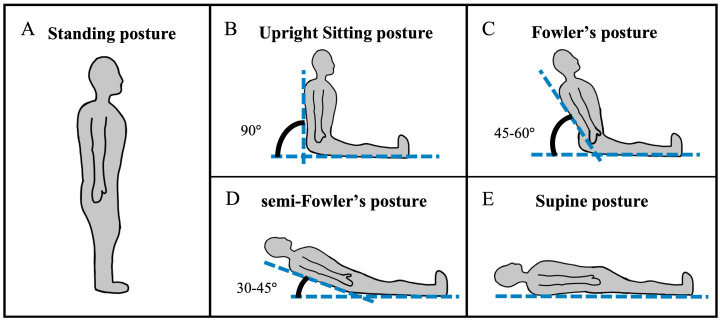 Figure 1
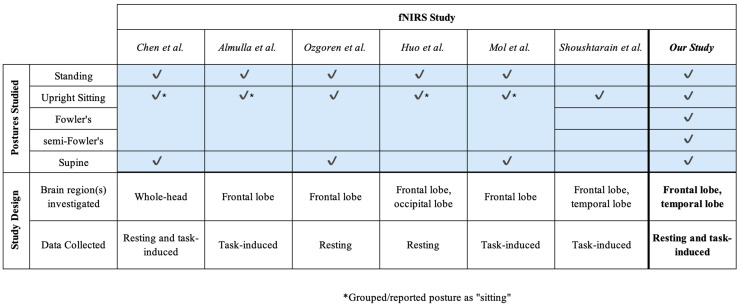 Figure 2
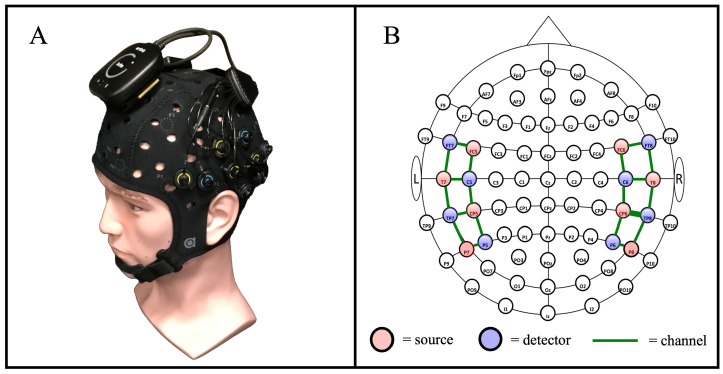 Figure 3
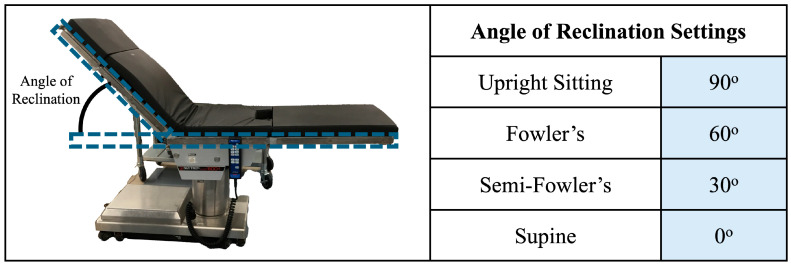 Figure 4
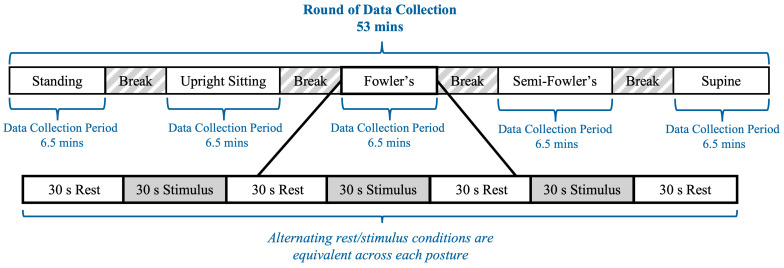 Figure 5
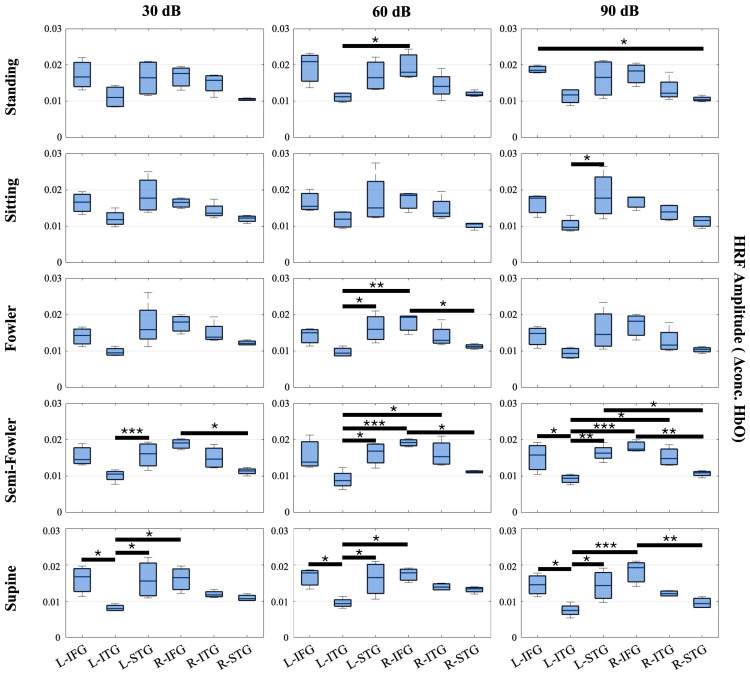 Figure 6
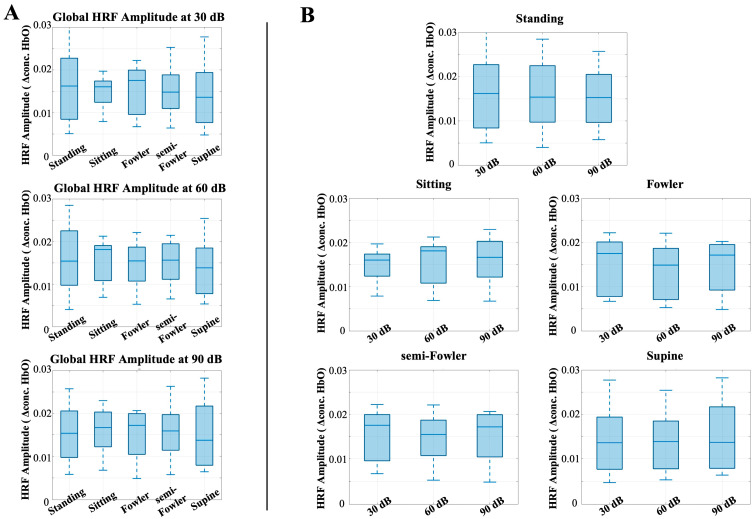 Figure 7
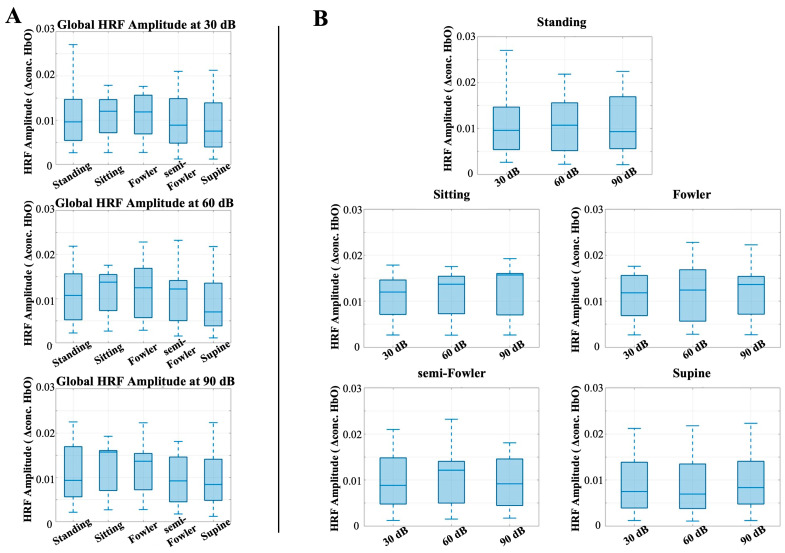 Figure 8
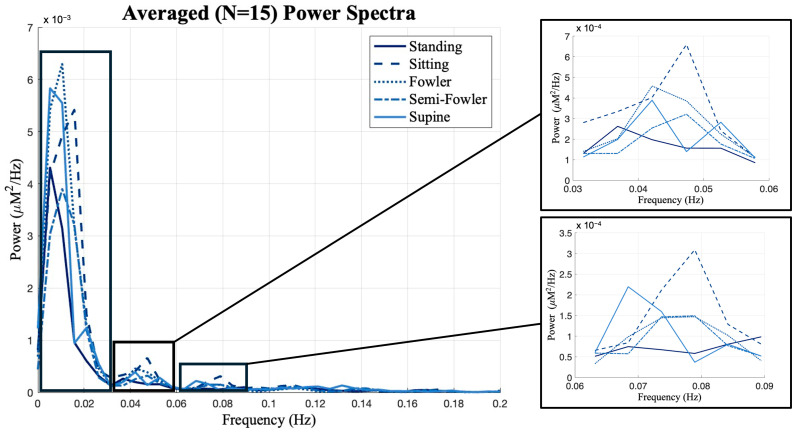 Figure 9
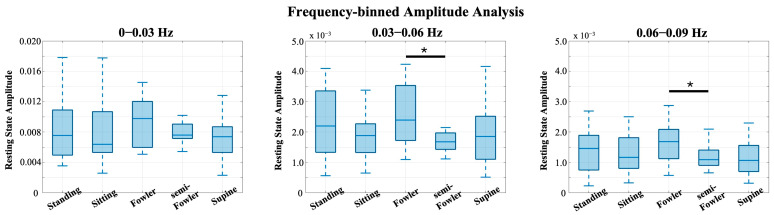 Figure 10
Peer Reviews
No public reviews on file for this paper yet. If you reviewed it on a platform where reviews are public (OpenReview, ICLR, NeurIPS, ICML), you can paste yours below so the community can read it here.
Videos
No videos yet. Explain this paper in a talk, walkthrough, or lecture? Add one.
Taxonomy
TopicsOptical Imaging and Spectroscopy Techniques · Non-Invasive Vital Sign Monitoring · Intensive Care Unit Cognitive Disorders