External Validation of an Artificial Intelligence Triaging System for Chest X-Rays: A Retrospective Independent Clinical Study
André Coutinho Castilla, Iago de Paiva D’Amorim, Maria Fernanda Barbosa Wanderley, Mateus Aragão Esmeraldo, André Ricca Yoshida, Anthony Moreno Eigier, Márcio Valente Yamada Sawamura

TL;DR
This study validates an AI system for chest X-ray triage, showing it can effectively prioritize urgent cases and reduce reporting delays in emergency care.
Contribution
The paper presents an external validation of TRIA, a commercial AI triage system for chest X-rays, demonstrating its robust performance in a real-world clinical setting.
Findings
The general abnormality classifier achieved an AUROC of 0.911, indicating strong performance in distinguishing normal from abnormal chest X-rays.
The weighted ensemble model demonstrated the best balance with an accuracy of 0.854 and an AUROC of 0.927.
Sensitivity-prioritized methods had high sensitivity (>0.92) but lower specificity (<0.69), highlighting a trade-off in performance.
Abstract
Background: Chest radiography (CXR) is the most frequently performed radiological exam worldwide, but reporting backlogs, caused by a shortage of radiologists, remain a critical challenge in emergency care. Artificial intelligence (AI) triage systems can help alleviate this challenge by differentiating normal from abnormal studies and prioritizing urgent cases for review. This study aimed to externally validate TRIA, a commercial AI-powered CXR triage algorithm (NeuralMed, São Paulo, Brazil). Methods: TRIA employs a two-stage deep learning approach, comprising an image segmentation module that isolates the thoracic region, followed by a classification model trained to recognize common cardiopulmonary pathologies. We trained the system on 275,399 CXRs from multiple public and private datasets. We performed external validation retrospectively on 1045 CXRs (568 normal and 477 abnormal)…
Genes, proteins, chemicals, diseases, species, mutations and cell lines named across the full text — each resolved to its canonical identifier and authoritative record.
Click any figure to enlarge with its caption.
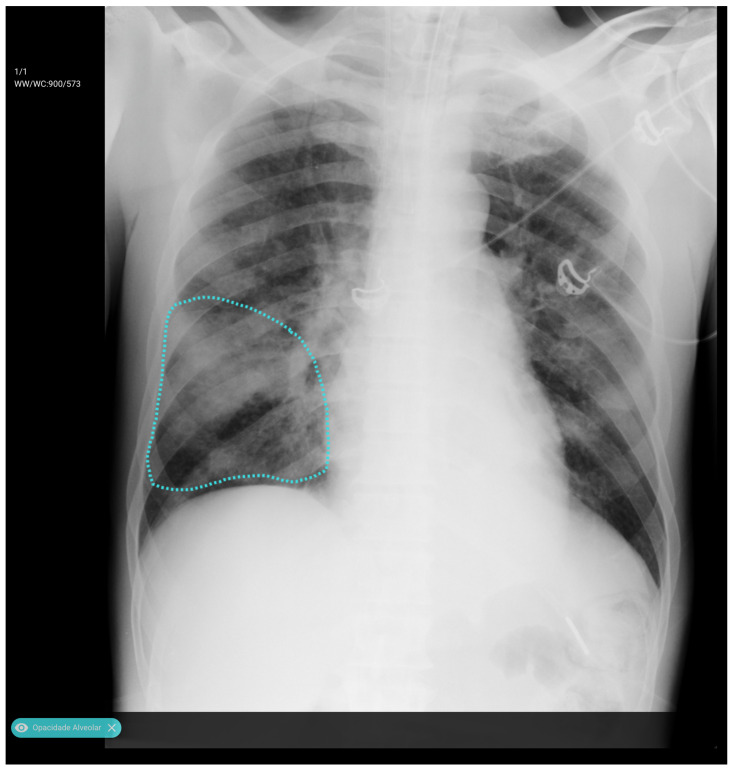 Figure 1
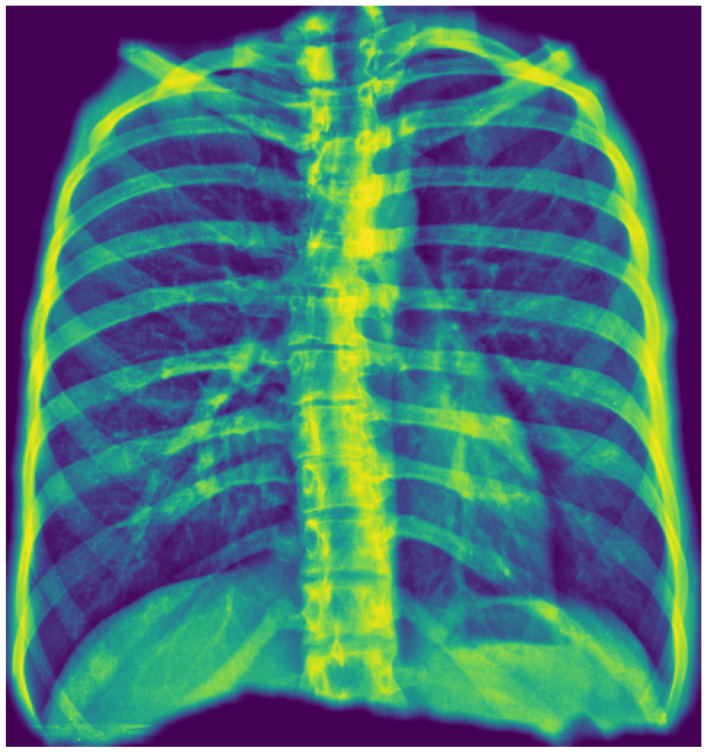 Figure 2
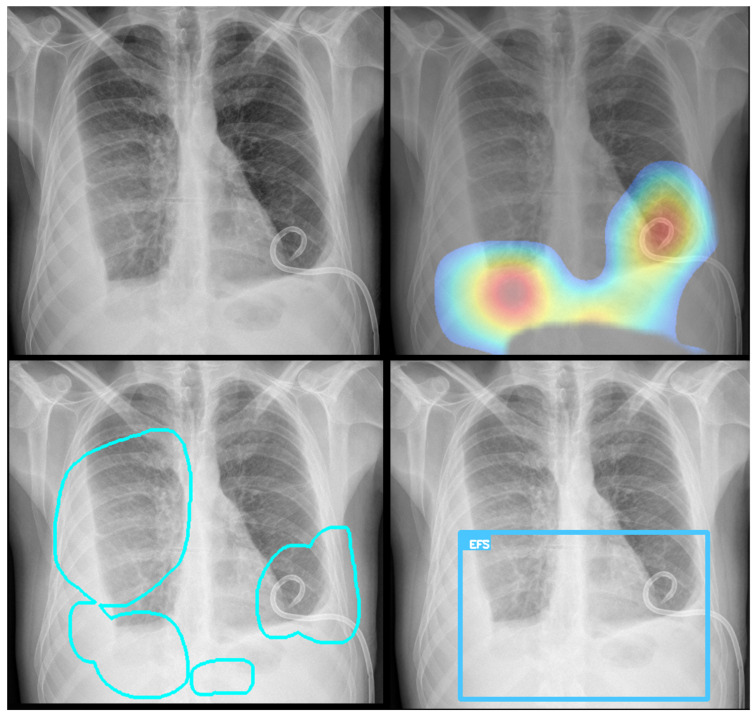 Figure 3
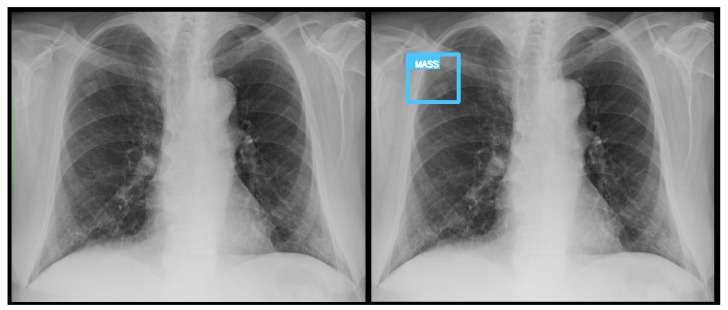 Figure 4
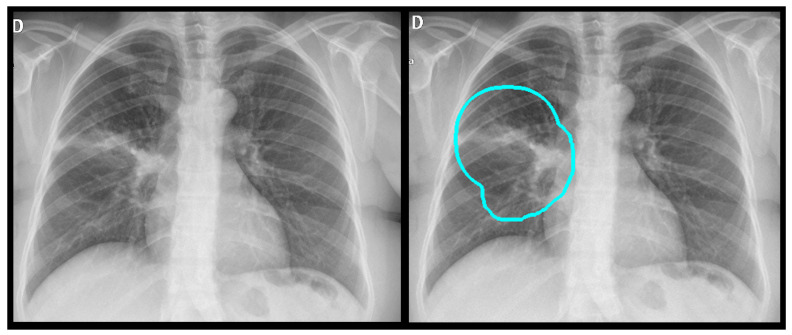 Figure 5
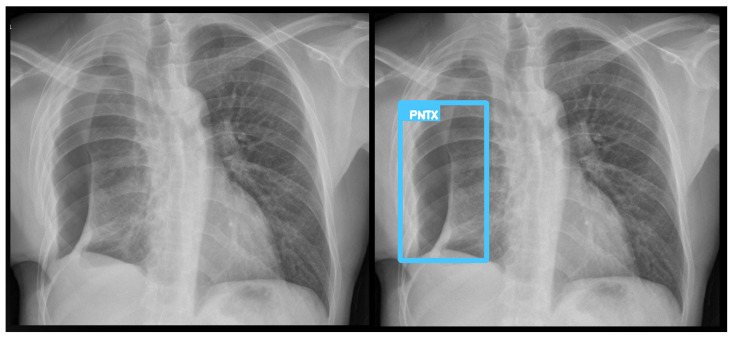 Figure 6
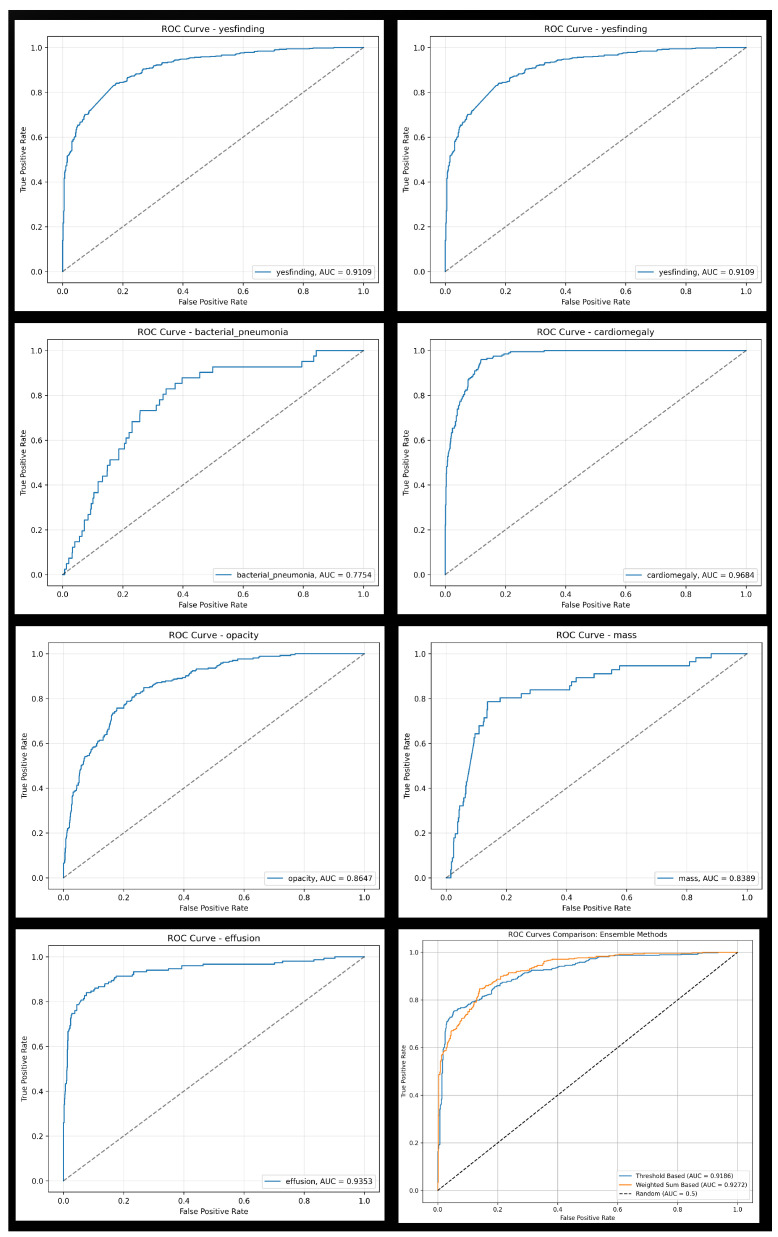 Figure 7
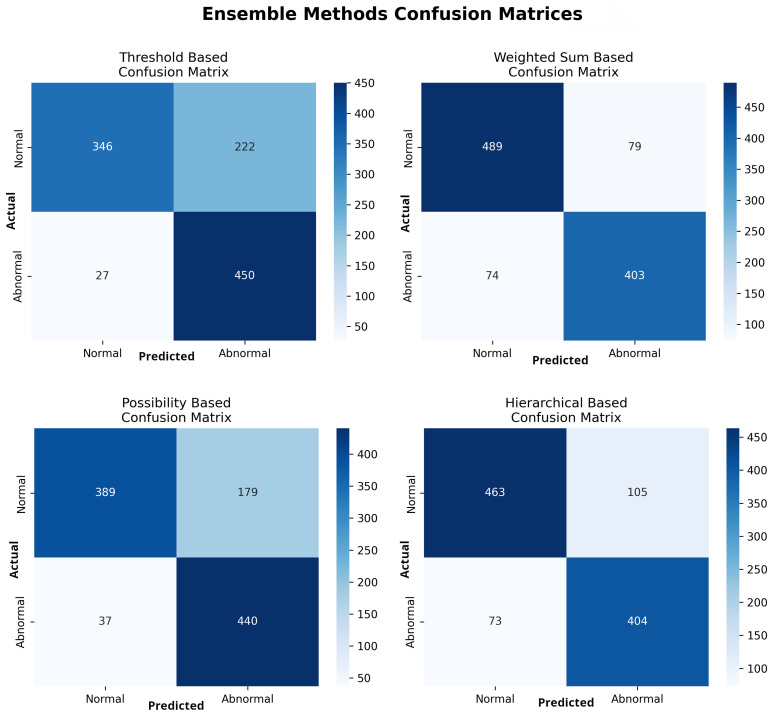 Figure 8
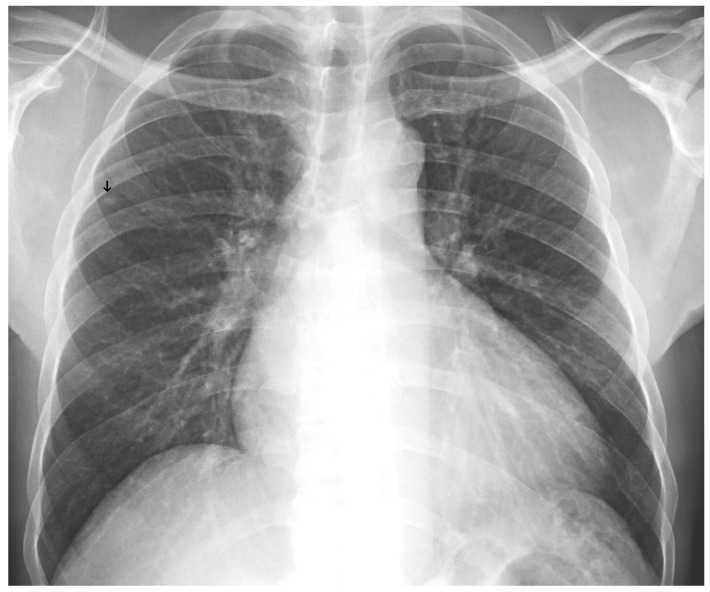 Figure 9
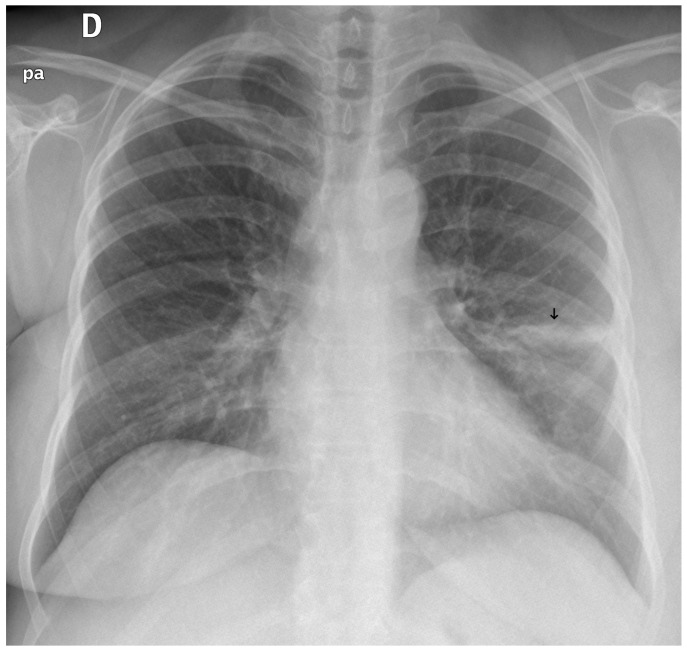 Figure 10
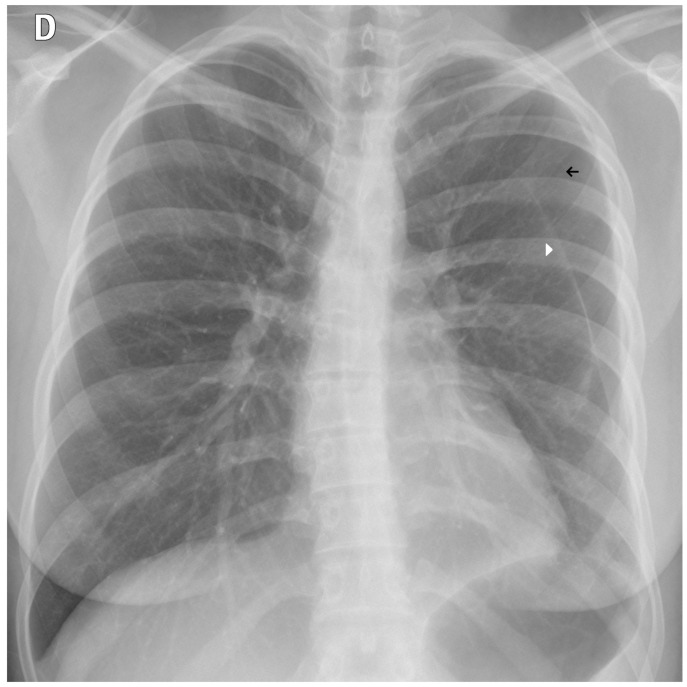 Figure 11
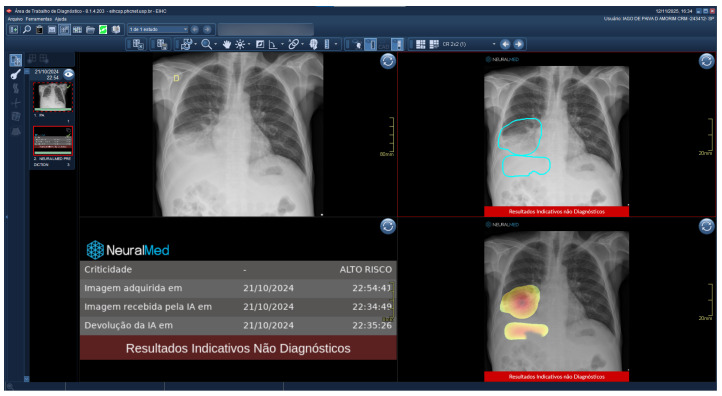 Figure 12
Peer Reviews
No public reviews on file for this paper yet. If you reviewed it on a platform where reviews are public (OpenReview, ICLR, NeurIPS, ICML), you can paste yours below so the community can read it here.
Videos
No videos yet. Explain this paper in a talk, walkthrough, or lecture? Add one.
Taxonomy
TopicsCOVID-19 diagnosis using AI · Artificial Intelligence in Healthcare and Education · Ultrasound in Clinical Applications