Position of Maxillary Lateral Incisor and First Premolar in Impaction of Maxillary Canines: A Controlled Clinical CBCT and 3D Study Model Analysis
Maja Hočevar, Maja Ovsenik, Aljaž Golež

TL;DR
This study used 3D models and CBCT scans to analyze how impacted maxillary canines affect the positions of nearby teeth and found specific patterns in tooth rotation and angulation.
Contribution
The study introduces new insights into how impacted canines influence adjacent teeth positions using 3D and CBCT analysis.
Findings
Impacted canines caused increased rotation and angulation in lateral incisors and first premolars.
Buccally impacted canines led to greater positional changes in lateral incisors compared to palatally impacted ones.
Mucosal bulges were linked to canines located within 1.2 mm of the outer bone surface.
Abstract
Objectives: This study examined the link between impacted maxillary canines and changes in the position of adjacent lateral incisors (LIs) and first premolars (FPs), as well as opposite canines. It also explored the relationship between the position of impacted canines and the presence of palpable mucosal bulges. Methods: The clinical study involved 62 participants (35 females, 27 males; average age: 14.7 years), split equally into impacted canine (n = 31) and control (n = 31) groups. The study included 26 palatally impacted canines, 5 buccally impacted canines, 31 non-impacted contralateral canines, and 62 control canines. Three-dimensional study models assessed LI and FP positions, while CBCT analyzed vertical and horizontal positions of impacted canines and dental follicles. Clinicians evaluated the presence of mucosal bulges, and distance was measured between impacted canines and…
Genes, proteins, chemicals, diseases, species, mutations and cell lines named across the full text — each resolved to its canonical identifier and authoritative record.
Click any figure to enlarge with its caption.
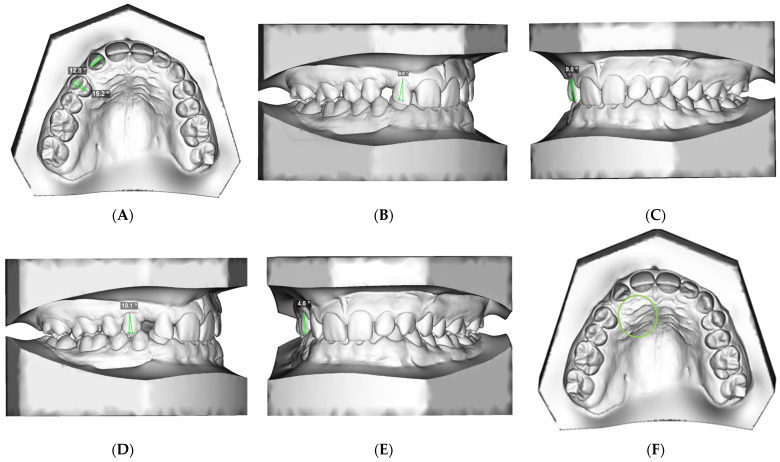 Figure 1
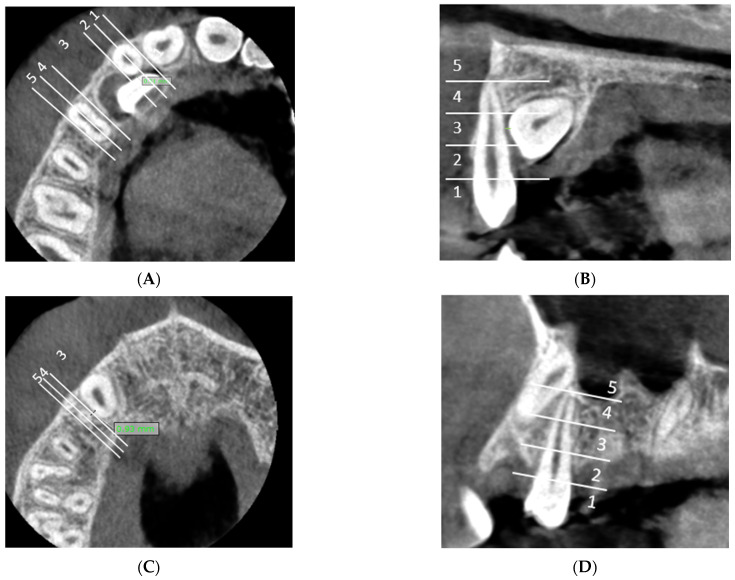 Figure 2
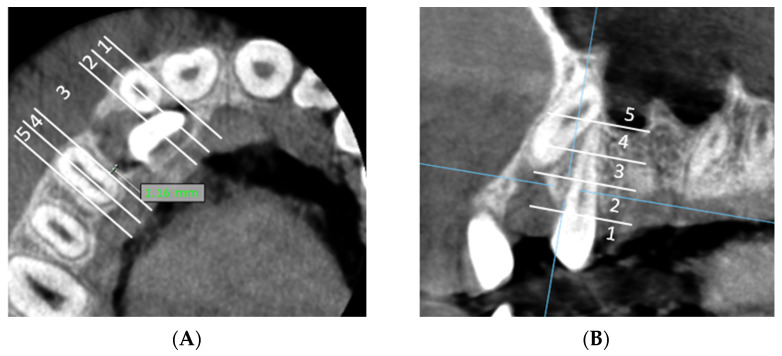 Figure 3
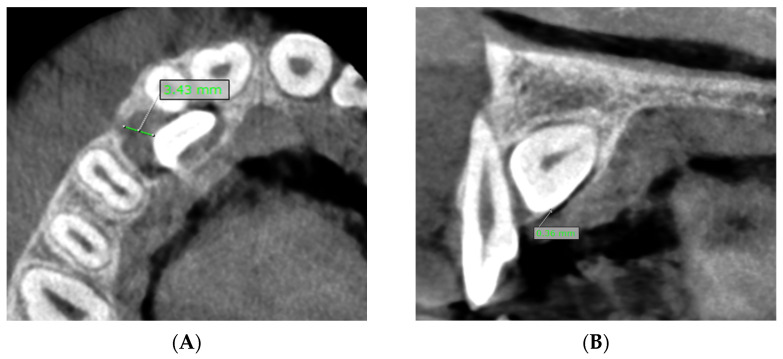 Figure 4
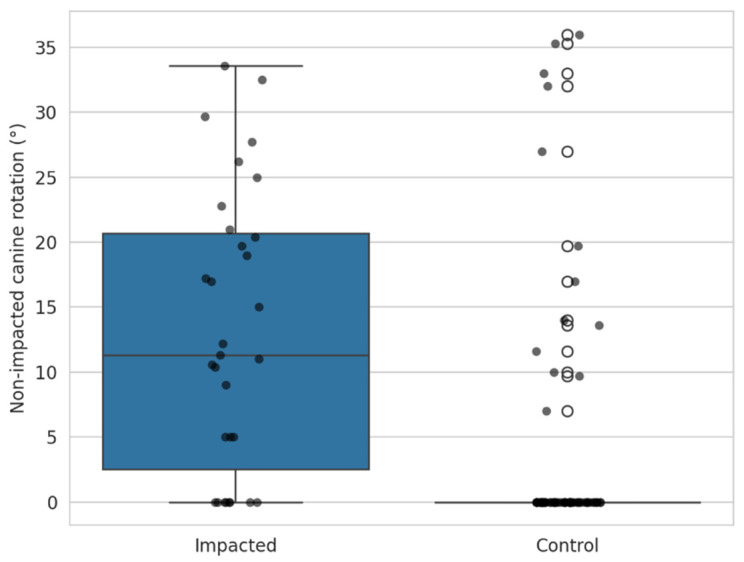 Figure 5
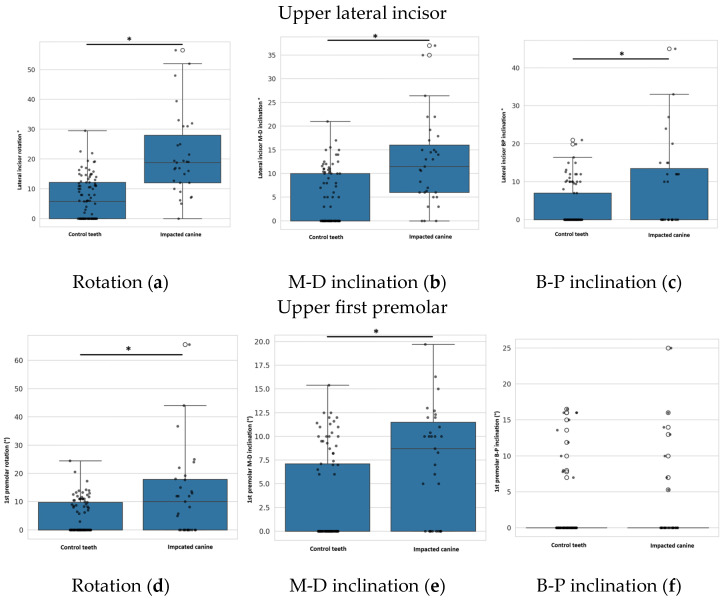 Figure 6
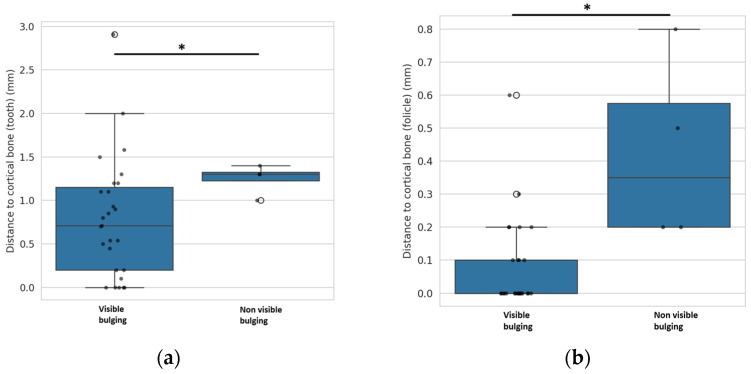 Figure 7
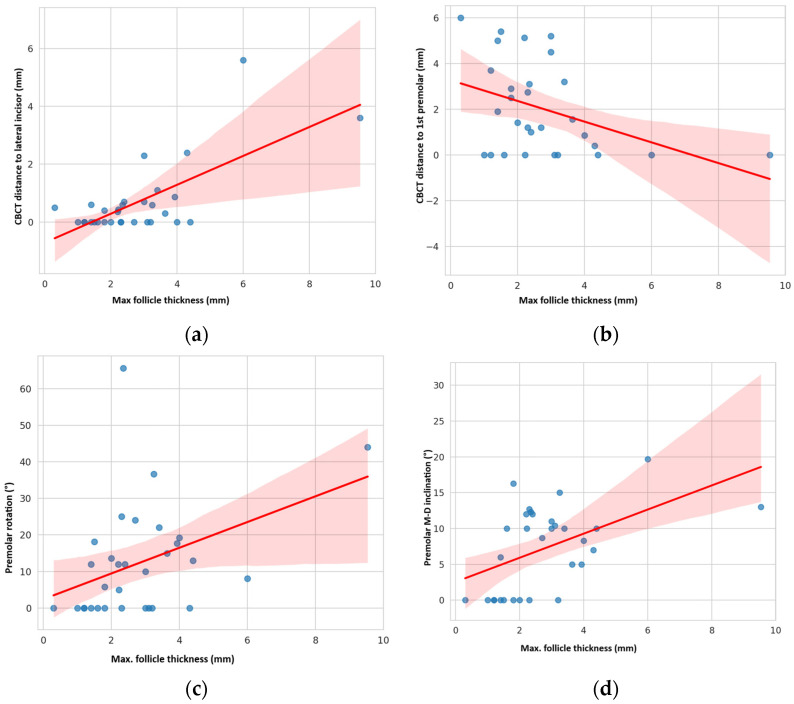 Figure 8
Peer Reviews
No public reviews on file for this paper yet. If you reviewed it on a platform where reviews are public (OpenReview, ICLR, NeurIPS, ICML), you can paste yours below so the community can read it here.
Videos
No videos yet. Explain this paper in a talk, walkthrough, or lecture? Add one.
Taxonomy
Topicsdental development and anomalies · Orthodontics and Dentofacial Orthopedics · Forensic Anthropology and Bioarchaeology Studies