Glymphatic Clearance in the Optic Nerve: A Multidomain Electro-Osmostic Model
Shanfeng Xiao, Huaxiong Huang, Robert Eisenberg, Zilong Song, Shixin Xu

TL;DR
The paper presents a model of waste clearance in the optic nerve, showing how fluid and solutes move through brain tissues and how this process is affected by factors like sleep and protein transport.
Contribution
A novel multidomain electro-osmotic model is introduced to explain glymphatic transport in the optic nerve, integrating fluid dynamics and solute clearance mechanisms.
Findings
PVS-mediated export is the primary clearance route for small and moderate solutes in the optic nerve.
AQP4 and PVS permeability significantly influence pressure and clearance rates of solutes.
ECS volume changes during sleep enhance waste removal by increasing trans-interface flux.
Abstract
Effective metabolic waste clearance and maintaining ionic homeostasis are essential for the health and normal function of the central nervous system (CNS). To understand its mechanism and the role of fluid flow, we develop a multidomain electro-osmotic model of optic-nerve microcirculation (as a part of the CNS) that couples hydrostatic and osmotic fluid transport with electro-diffusive solute movement across axons, glia, the extracellular space (ECS), and arterial/venous/capillary perivascular spaces (PVS). Cerebrospinal fluid enters the optic nerve via the arterial parivascular space (PVS-A) and passes both the glial and ECS before exiting through the venous parivascular space (PVS-V). Exchanges across astrocytic endfeet are essential and they occur in two distinct and coupled paths: through AQP4 on glial membranes and gaps between glial endfeet, thus establishing a mechanistic…
Genes, proteins, chemicals, diseases, species, mutations and cell lines named across the full text — each resolved to its canonical identifier and authoritative record.
Click any figure to enlarge with its caption.
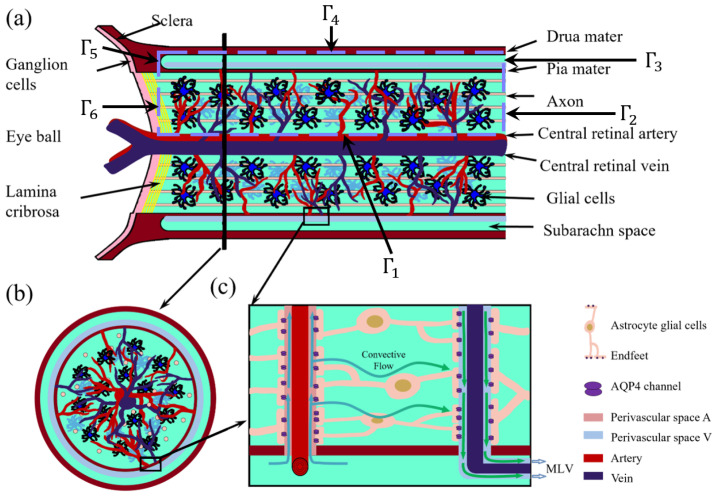 Figure 1
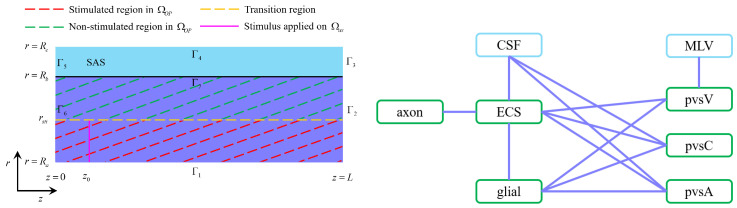 Figure 2
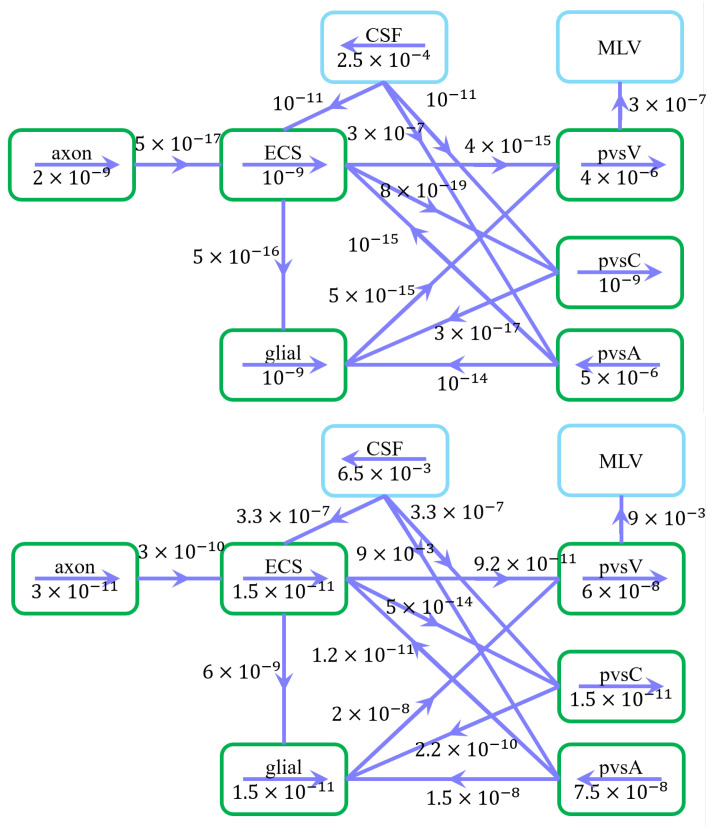 Figure 3
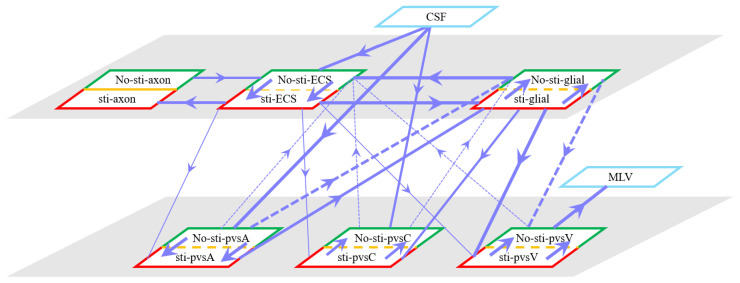 Figure 4
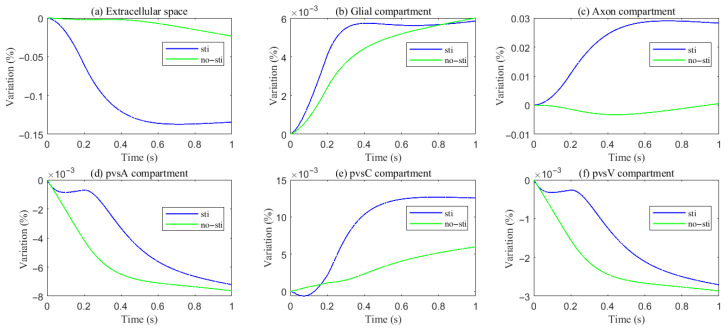 Figure 5
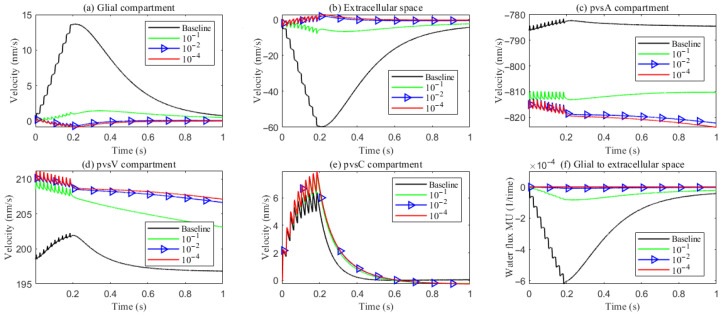 Figure 6
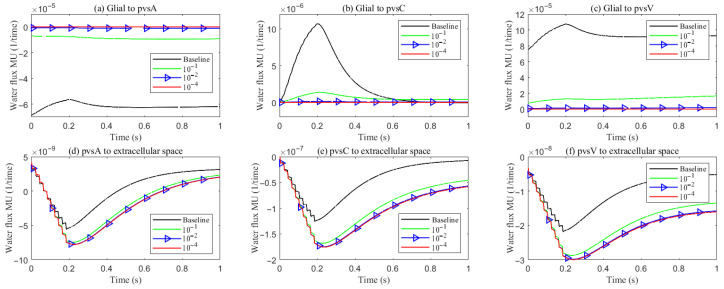 Figure 7
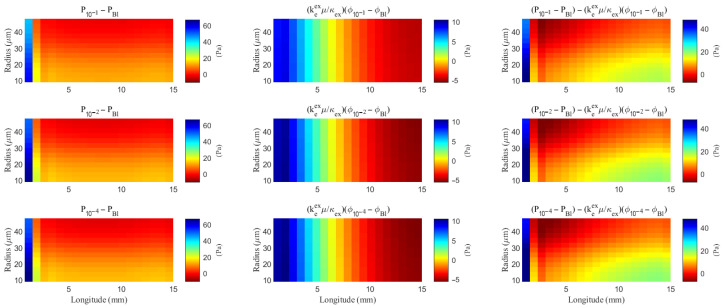 Figure 8
 Figure 9
 Figure 10
 Figure 11
 Figure 12
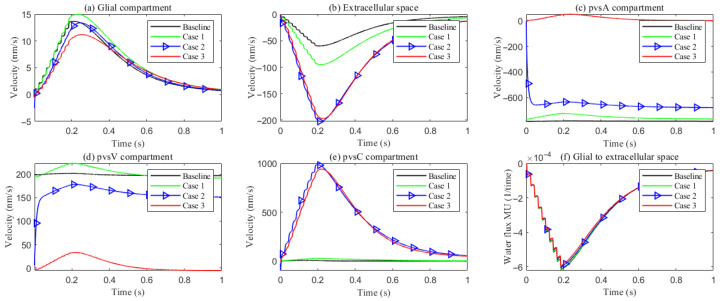 Figure 13
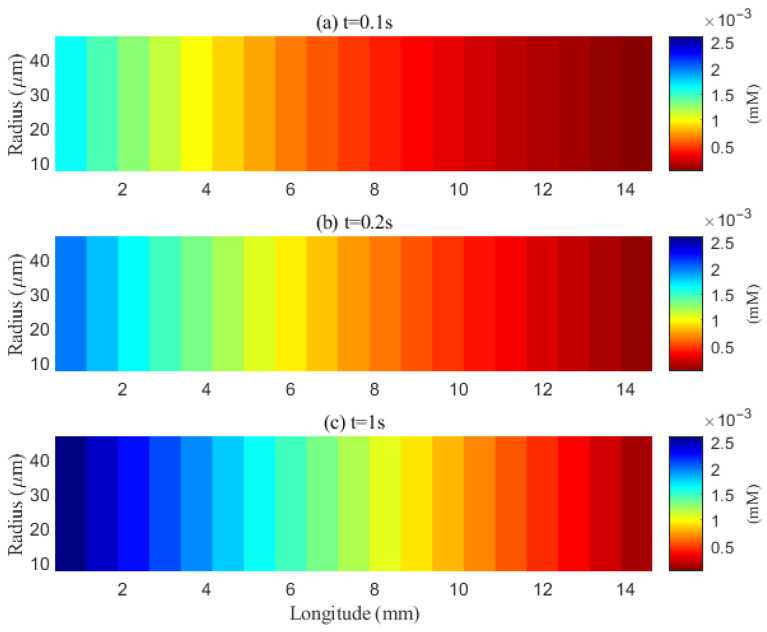 Figure 14
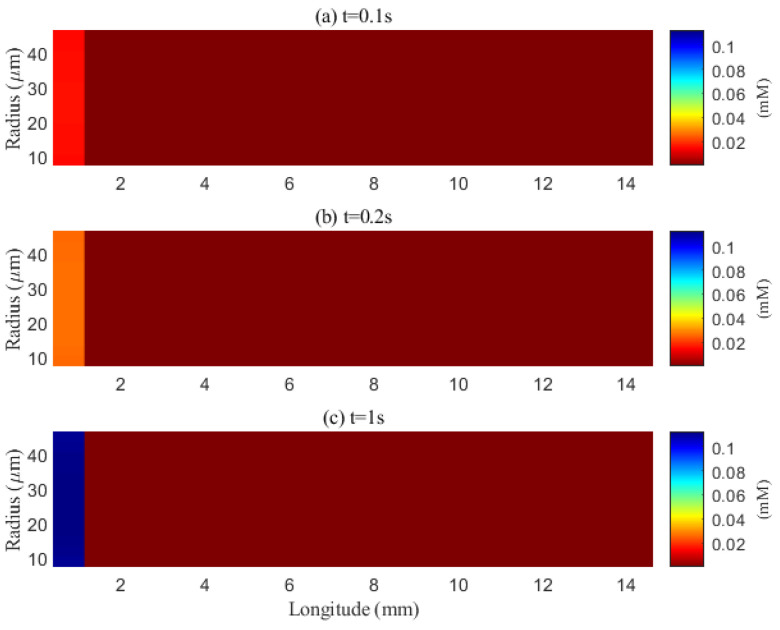 Figure 15
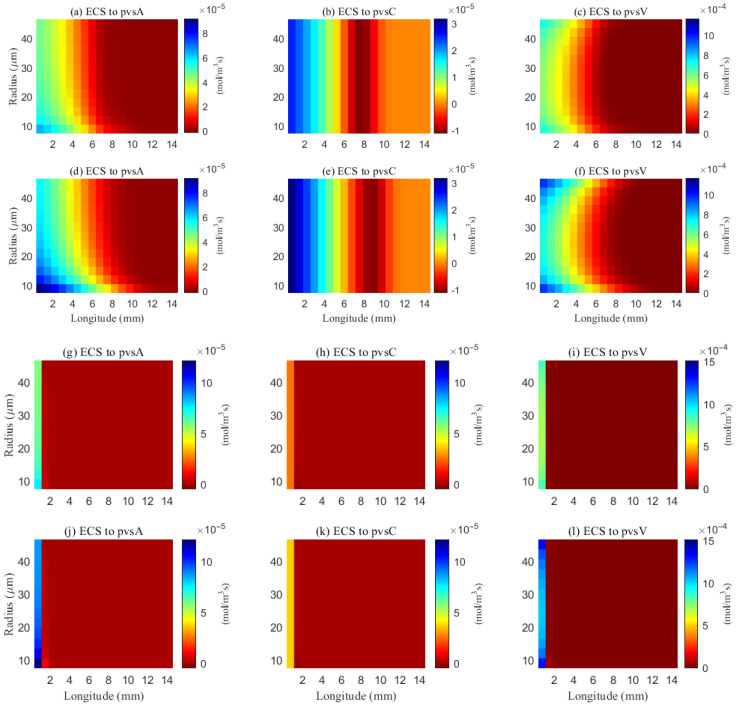 Figure 16
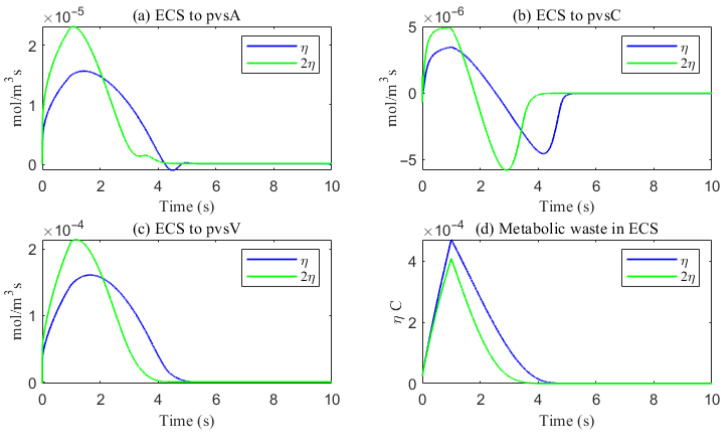 Figure 17
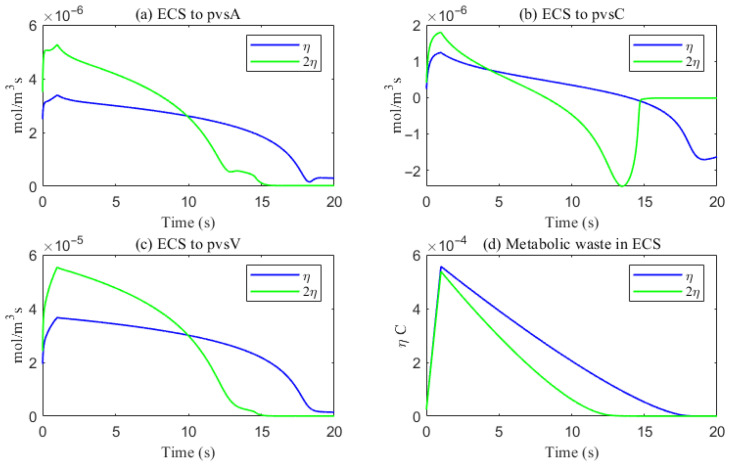 Figure 18
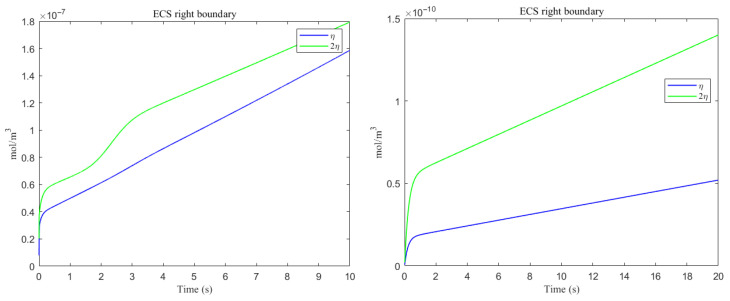 Figure 19
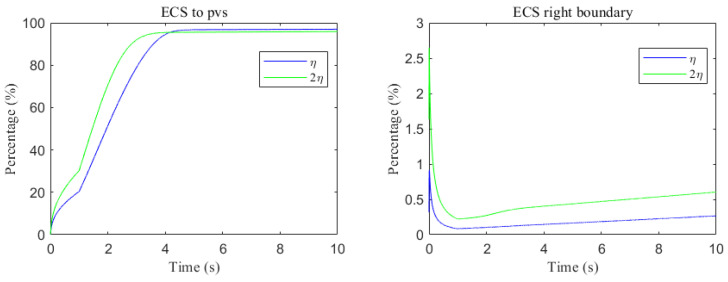 Figure 20
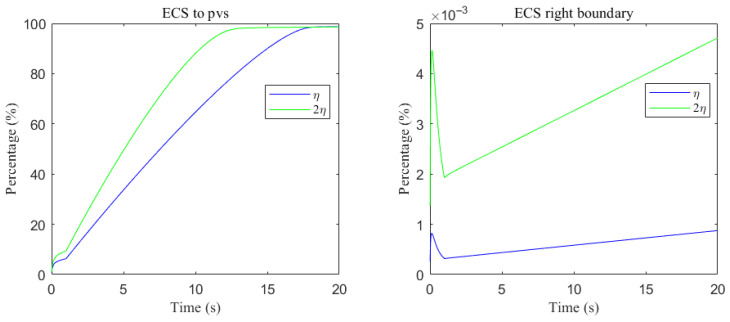 Figure 21
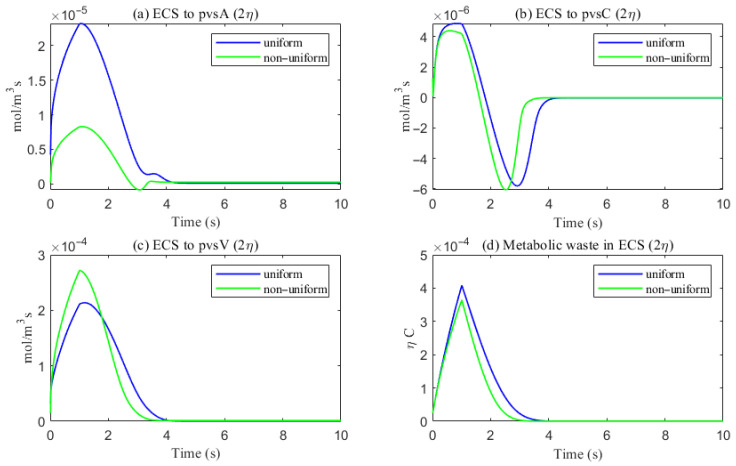 Figure 22
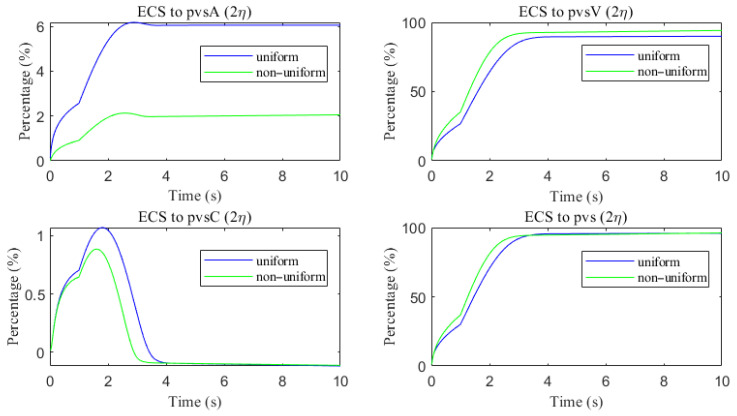 Figure 23
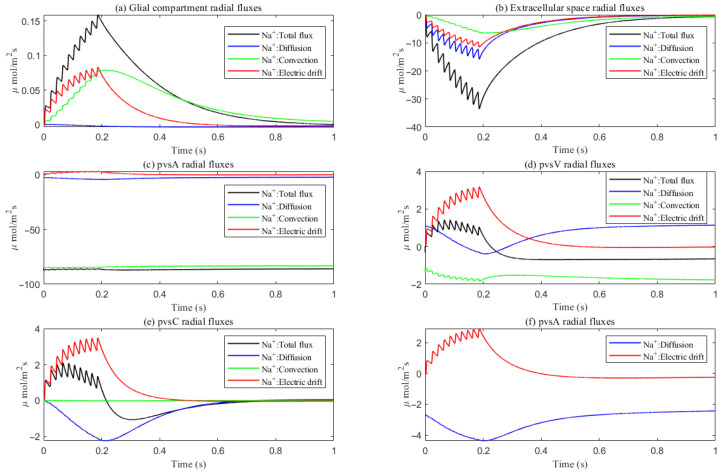 Figure 24
Peer Reviews
No public reviews on file for this paper yet. If you reviewed it on a platform where reviews are public (OpenReview, ICLR, NeurIPS, ICML), you can paste yours below so the community can read it here.
Videos
No videos yet. Explain this paper in a talk, walkthrough, or lecture? Add one.
Taxonomy
TopicsCerebrospinal fluid and hydrocephalus · Traumatic Brain Injury and Neurovascular Disturbances · Neuroscience and Neuropharmacology Research