Epicardial Abnormalities and Mesenchymal/Hematopoietic Cell Expansion in Plakophilin 2-Null Mouse Embryonic Hearts
Mistura Dolapo Bolaji, Pia E. Hartmann, Eva Miriam Buhl, Robin M. W. Colpaert, Francesca Gasparella, Leon J. de Windt, Martina Calore, Rudolf E. Leube, Hoda Moazzen

TL;DR
This study shows that a lack of Pkp2 in mouse embryos leads to heart abnormalities and increased blood cell production, suggesting a role in heart development.
Contribution
The study reveals a novel role for Pkp2 in epicardial morphogenesis and its potential link to hematopoietic cell transformation.
Findings
Pkp2 deficiency in mouse embryos results in detached epicardium and accumulation of hematopoietic stem cells.
Epicardial cells in Pkp2-null hearts show altered intermediate filament expression and RUNX1 marker expression.
Deficiencies in Dsg2 and Pkp2 both promote hematopoiesis but affect different cell types in the developing heart.
Abstract
Desmosomal junctions provide structural stability supporting concerted cardiomyocyte contractility. Previously, we demonstrated that a deficiency in the desmosomal transmembrane cadherin desmoglein 2 (Dsg2) reduces desmosome formation and disrupts cardiac morphogenesis, leading to excessive endothelial-to-hematopoietic cell transformation and embryonic lethality. It remained unclear whether this phenotype was specifically driven by Dsg2-deficiency or was a broader consequence of impaired desmosome adhesion. To address this question, we generated Pkp2mt/mt mouse embryos lacking the desmosomal plaque protein Pkp2, which resulted in loss of desmosome formation. Despite the absence of cardiac wall rupture, Pkp2mt/mt and some Pkp2wt/mt presented accumulations of Ter-119+ blood cells and RUNX1+/CD44+ hematopoietic stem cells in the pericardial space. Remarkably, in Pkp2mt/mt hearts, the…
Genes, proteins, chemicals, diseases, species, mutations and cell lines named across the full text — each resolved to its canonical identifier and authoritative record.
Click any figure to enlarge with its caption.
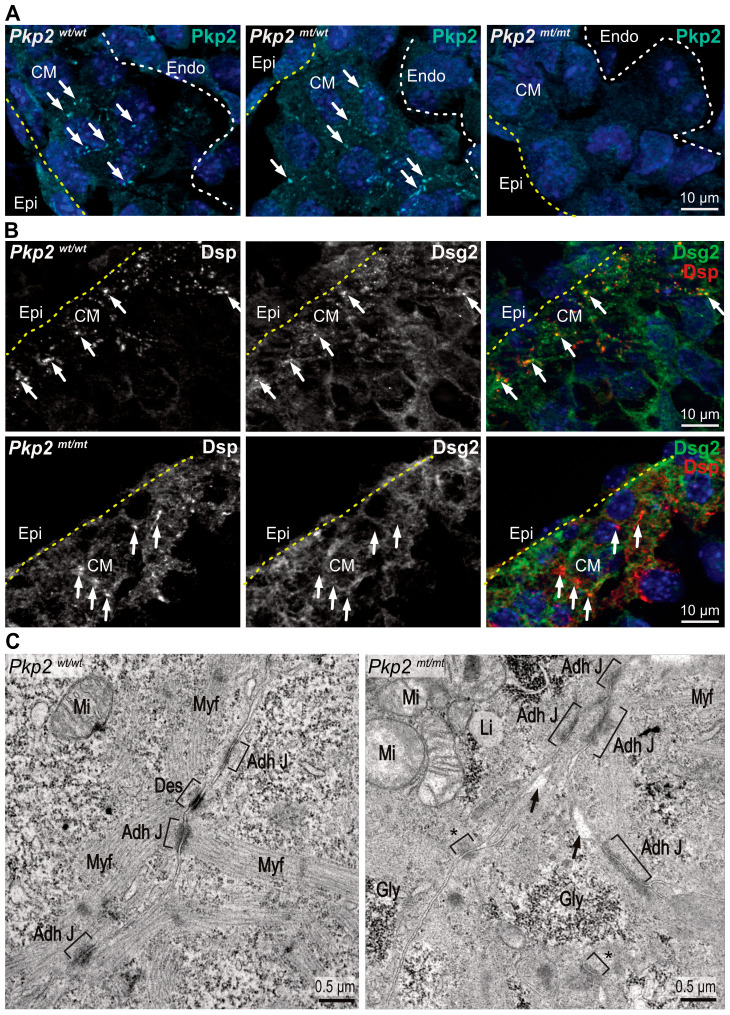 Figure 1
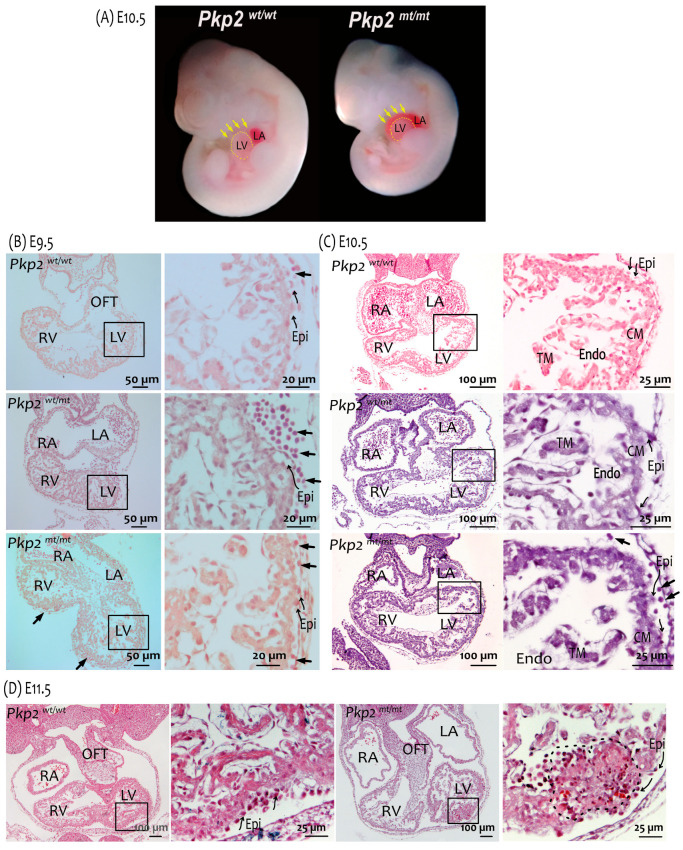 Figure 2
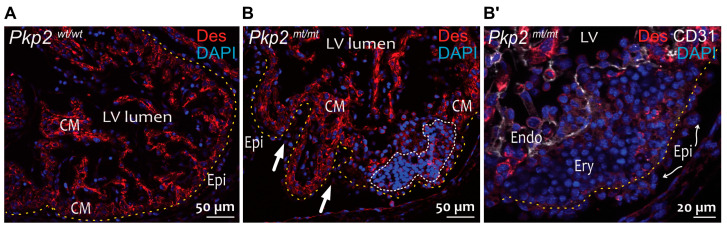 Figure 3
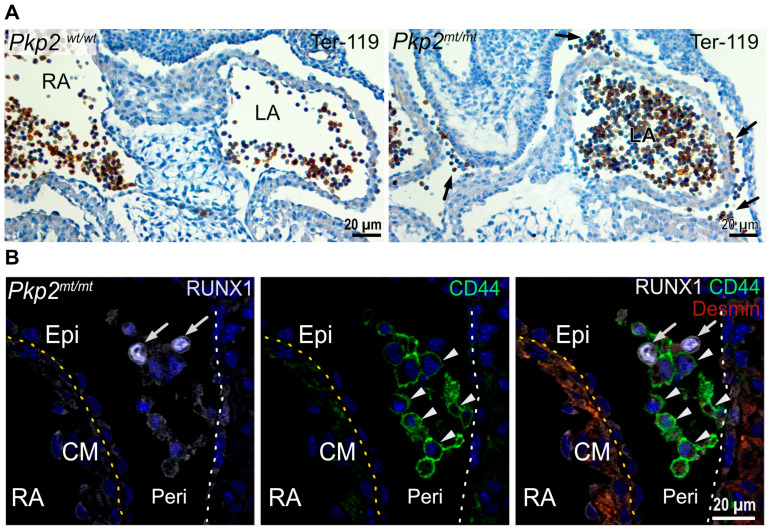 Figure 4
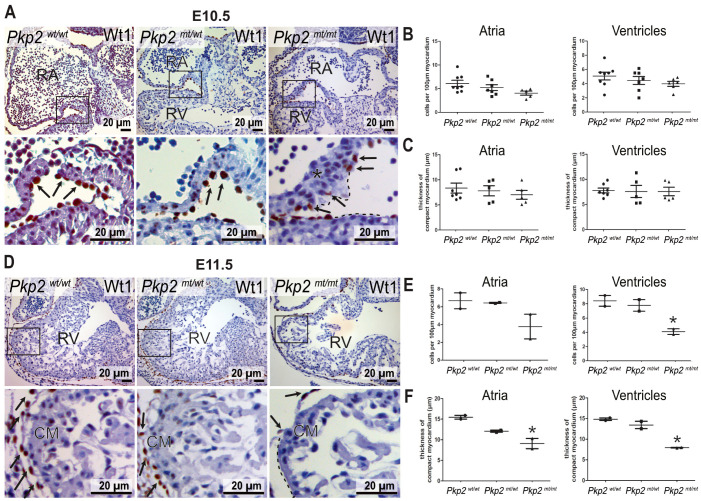 Figure 5
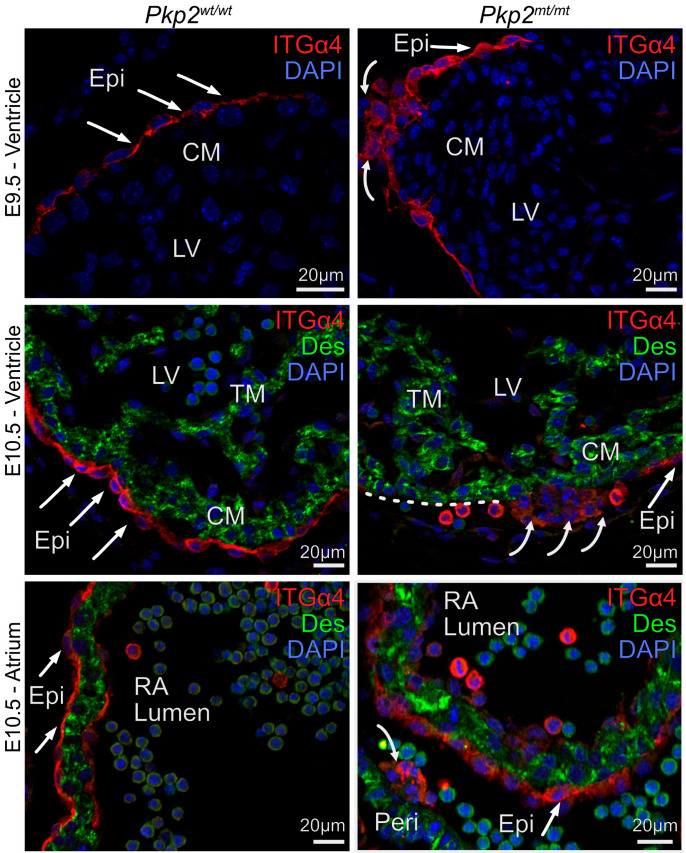 Figure 6
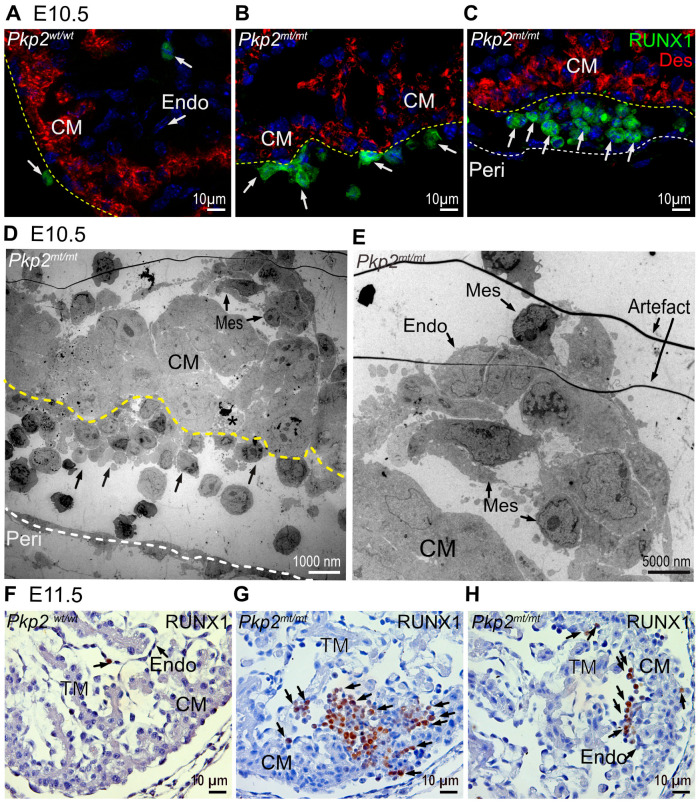 Figure 7
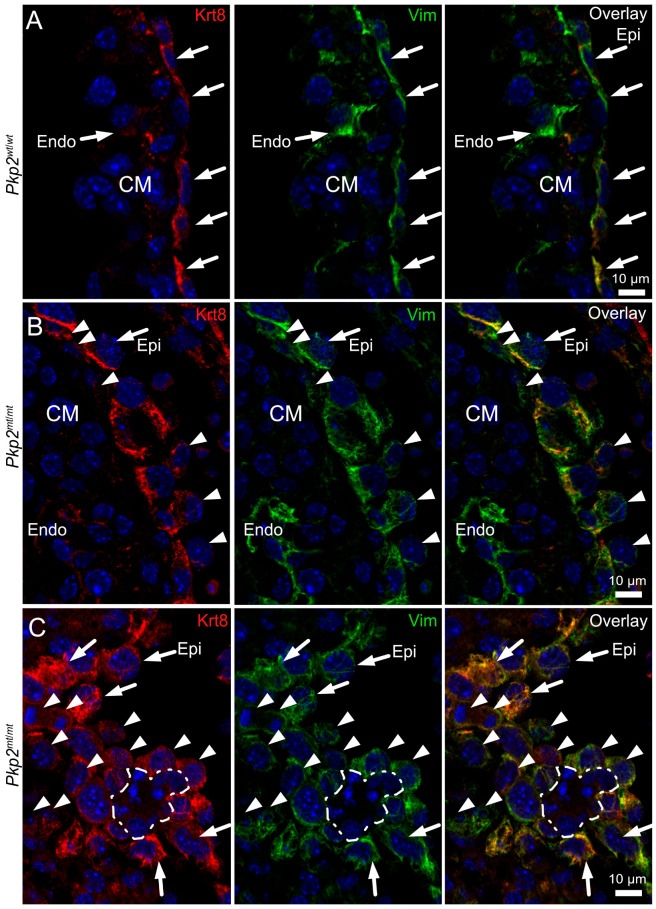 Figure 8
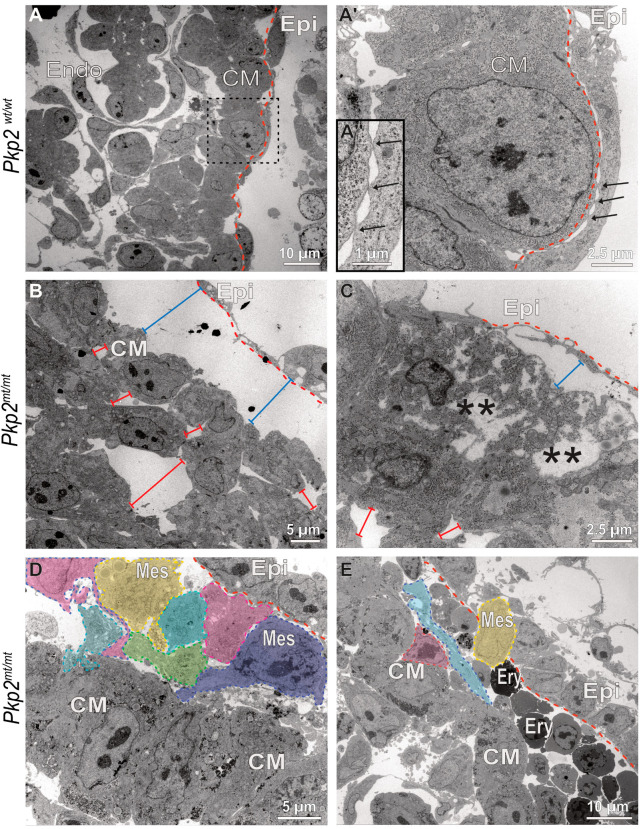 Figure 9
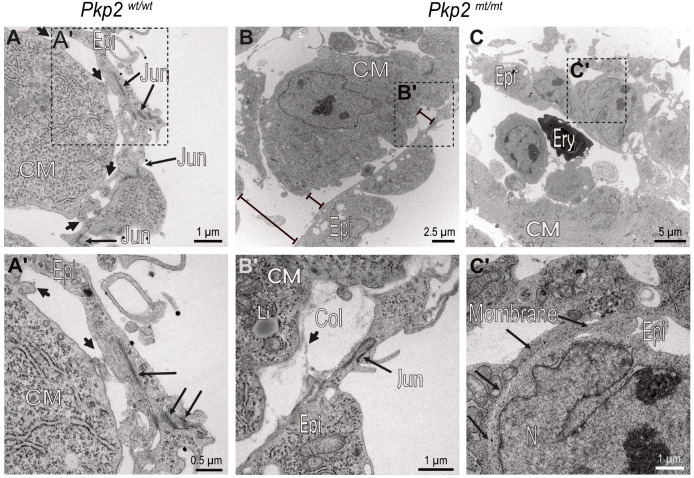 Figure 10
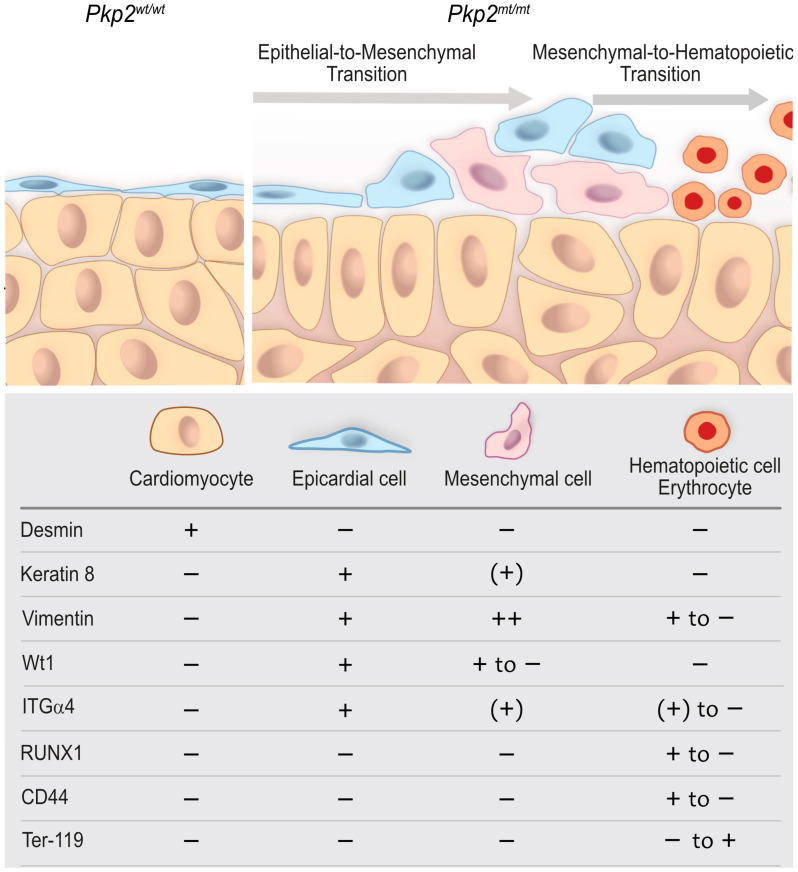 Figure 11
Peer Reviews
No public reviews on file for this paper yet. If you reviewed it on a platform where reviews are public (OpenReview, ICLR, NeurIPS, ICML), you can paste yours below so the community can read it here.
Videos
No videos yet. Explain this paper in a talk, walkthrough, or lecture? Add one.
Taxonomy
TopicsCongenital heart defects research · Cardiac Fibrosis and Remodeling · Wnt/β-catenin signaling in development and cancer