Potential Therapeutic Effects of Epithelial and Mesenchymal Stem Cell Secretome in Benzalkonium Chloride-Induced Limbal Stem Cell Dysfunction
Agnieszka Prusek-Kucharek, Bartosz Sikora, Piotr Czekaj

TL;DR
Stem cell secretions can protect eye stem cells damaged by a common preservative in eye drops, with better results when used alongside the preservative.
Contribution
Demonstrates that stem cell-derived conditioned media can neutralize benzalkonium chloride toxicity in limbal stem cells, with concurrent administration being more effective.
Findings
Conditioned media from hADSCs, hAECs, and hACs reduce BAC-induced damage to limbal stem cells.
Concurrent administration of CM with BAC exposure is more effective than post-damage treatment.
hADSC-derived CM shows the highest efficacy in promoting LSC regeneration.
Abstract
What are the main conclusions? Conditioned media (CM) derived from adipose tissue-derived stem cells (hADSCs), amniotic epithelial cells (hAECs), and amniotic cells expressing epithelial and mesenchymal markers (hACs) promote the viability of limbal stem cells (LSCs) damaged by benzalkonium chloride (BAC), a commonly used eye drop. The effects of these CM administered concurrently with BAC (model 1) or after prior tissue damage with BAC (model 2) differ in terms of modulating inflammation, apoptosis, cell cycle, proliferation, and migration of LSCs. What are the implications of the main conclusions? All CM tested neutralize the toxic effects of BAC, but hADSC-CM demonstrates the highest efficacy. Administration of CM concurrently with BAC exposure has greater therapeutic potential than the treatment used after toxic injury. These findings highlight the promising role of acellular…
Genes, proteins, chemicals, diseases, species, mutations and cell lines named across the full text — each resolved to its canonical identifier and authoritative record.
Click any figure to enlarge with its caption.
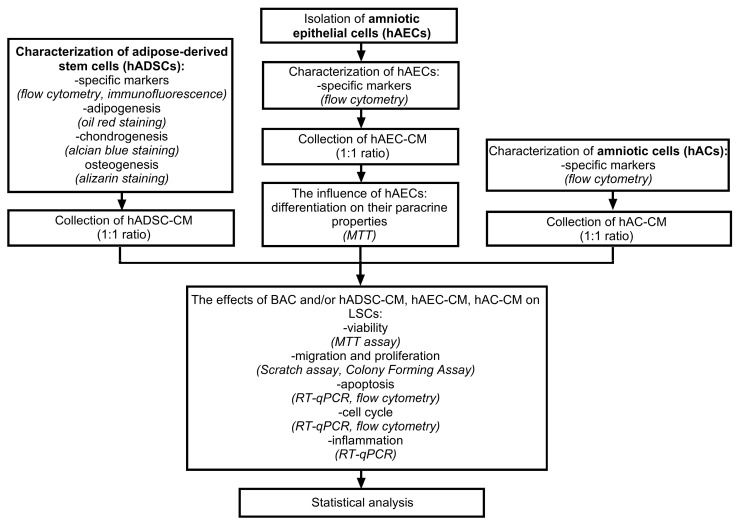 Figure 1
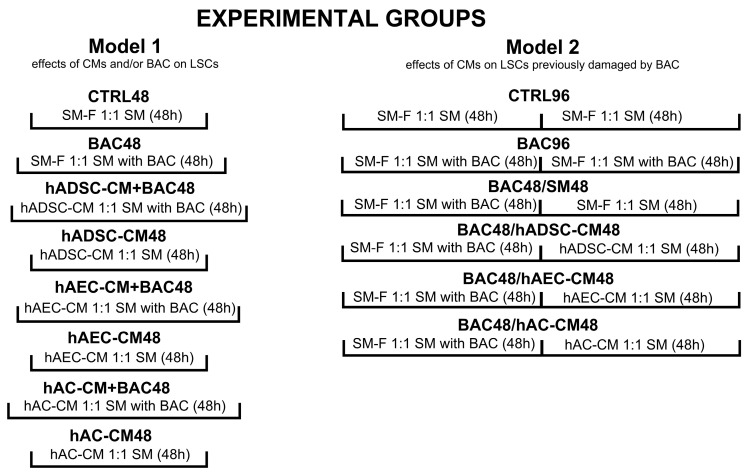 Figure 2
 Figure 3
 Figure 4
 Figure 5
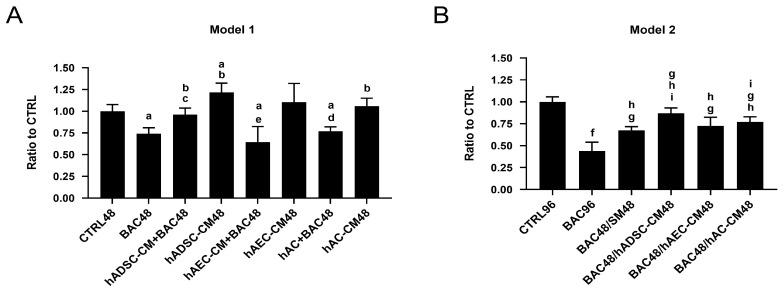 Figure 6
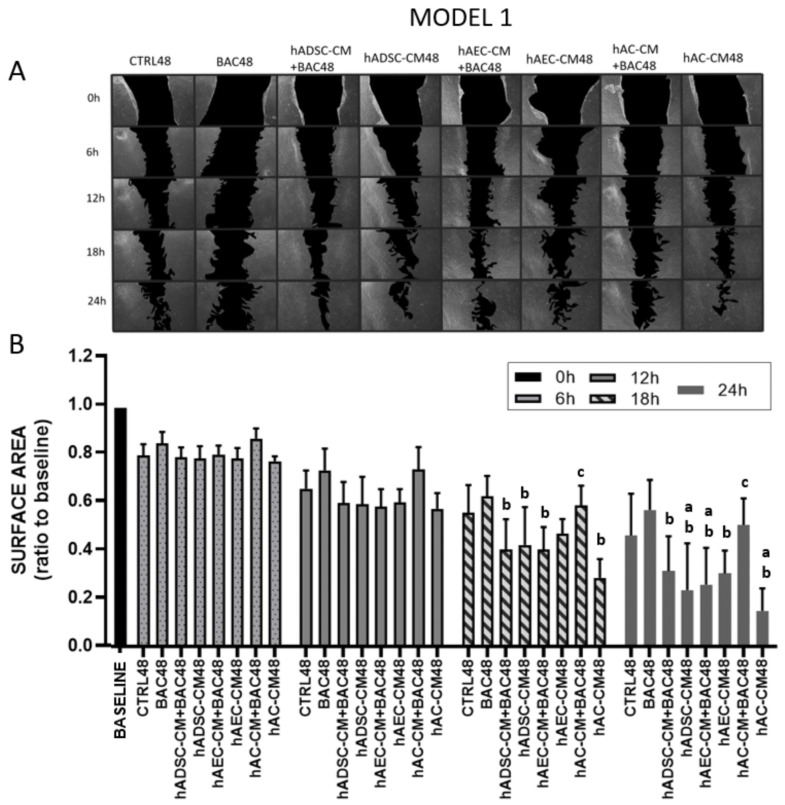 Figure 7
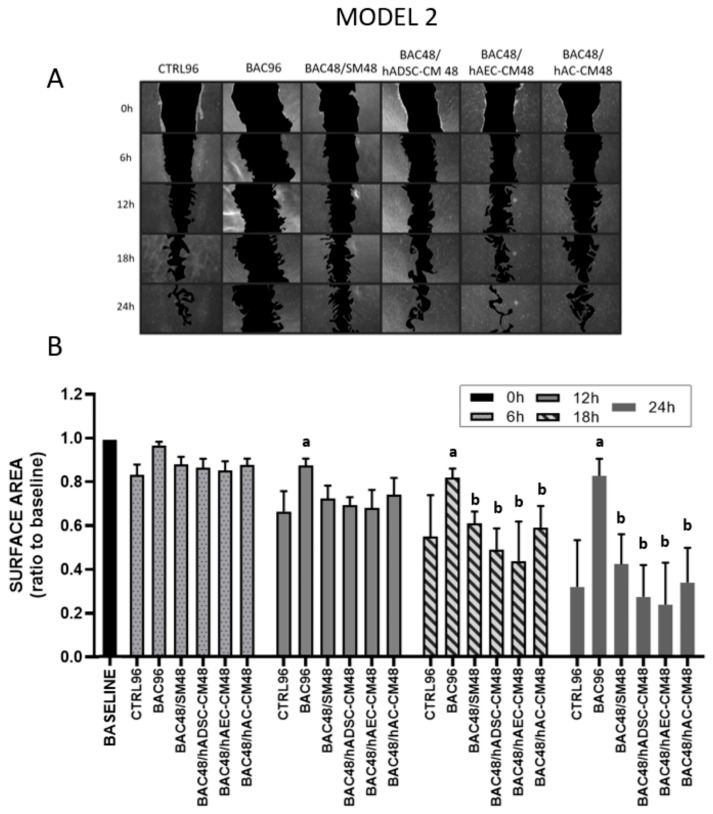 Figure 8
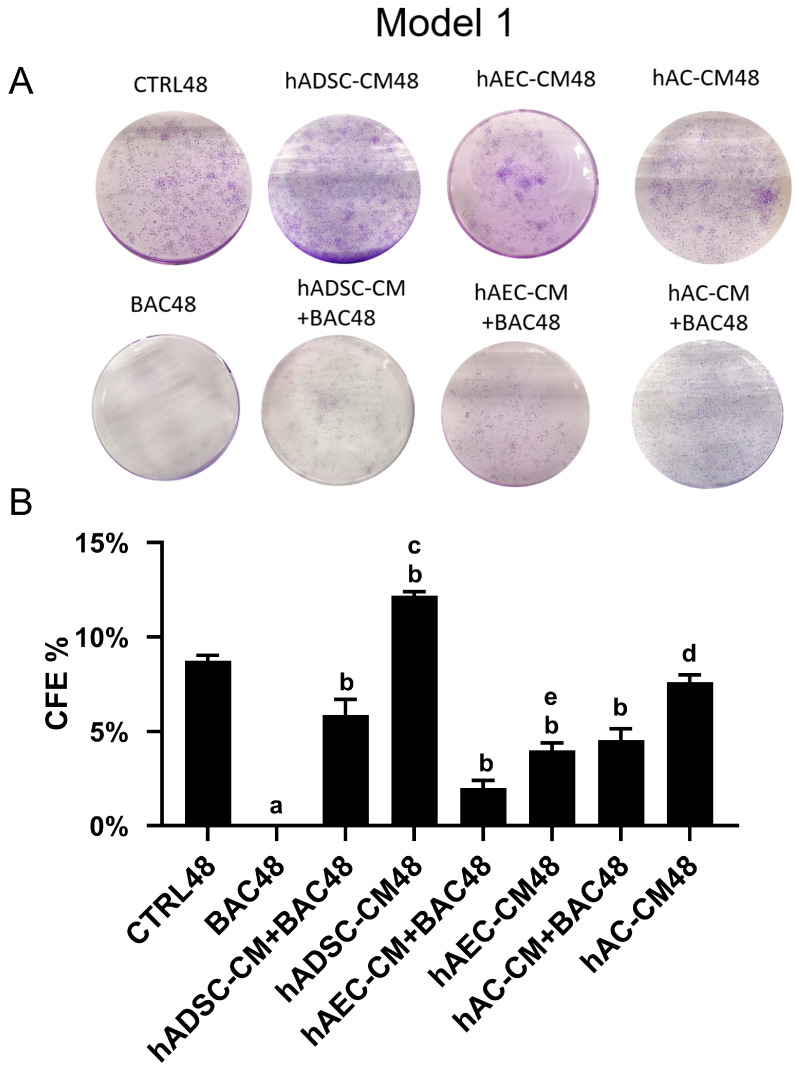 Figure 9
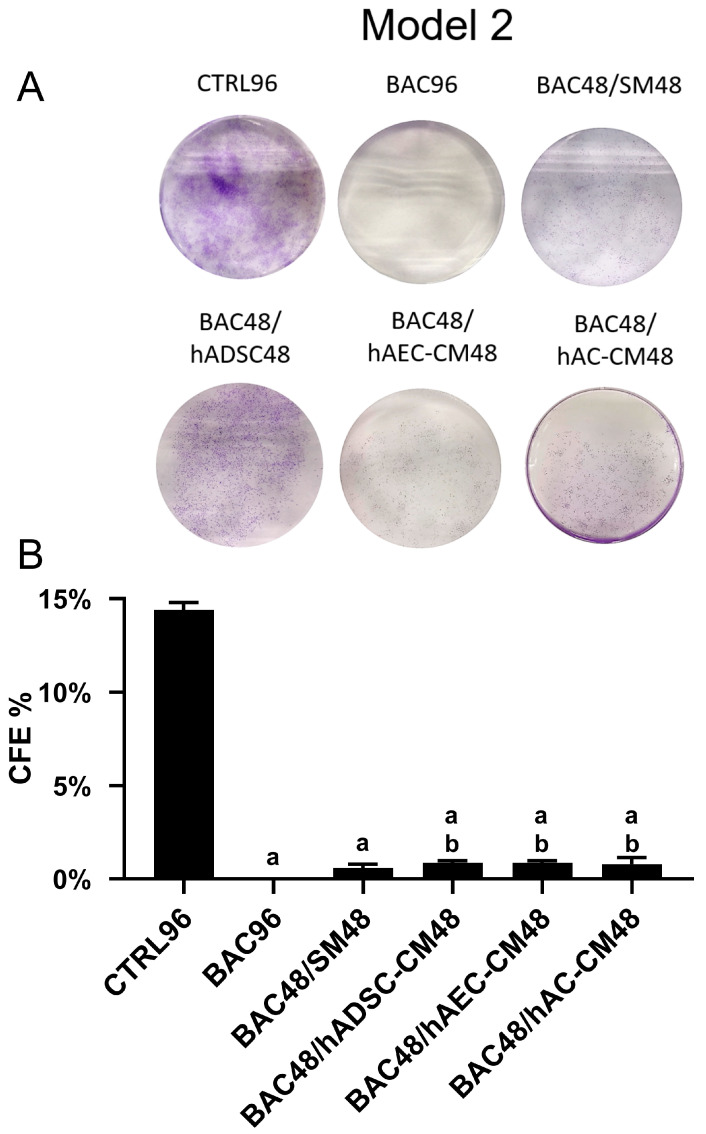 Figure 10
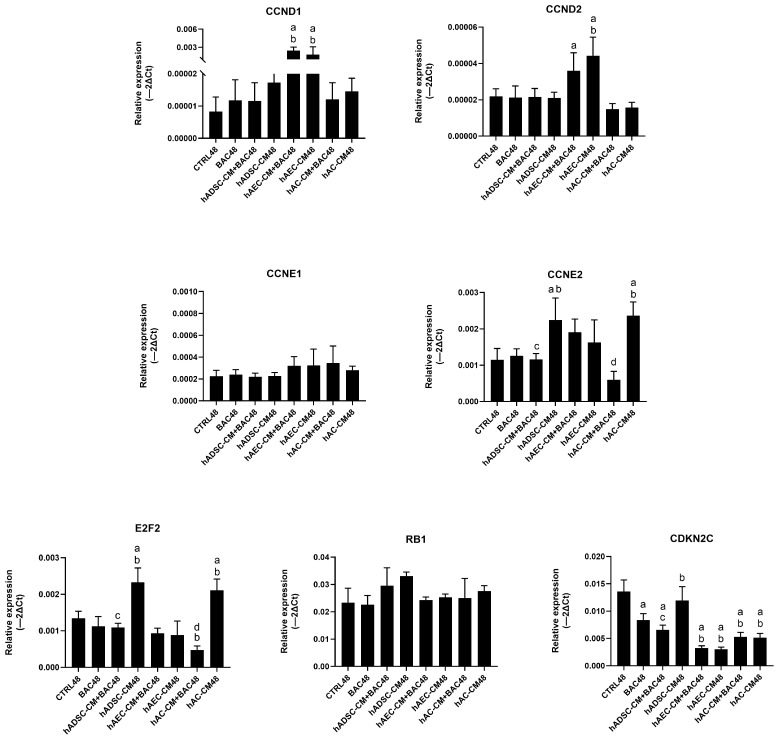 Figure 11
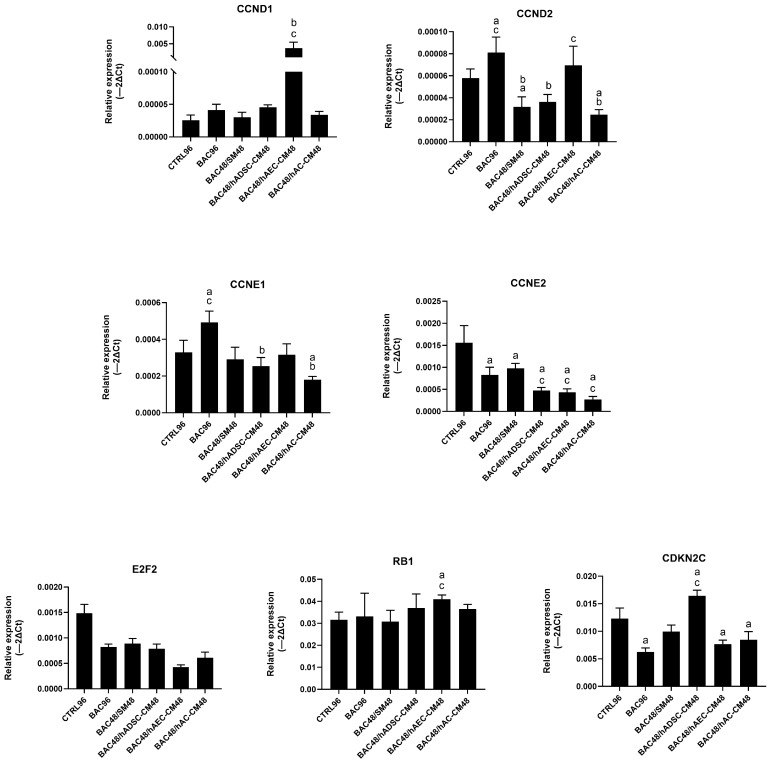 Figure 12
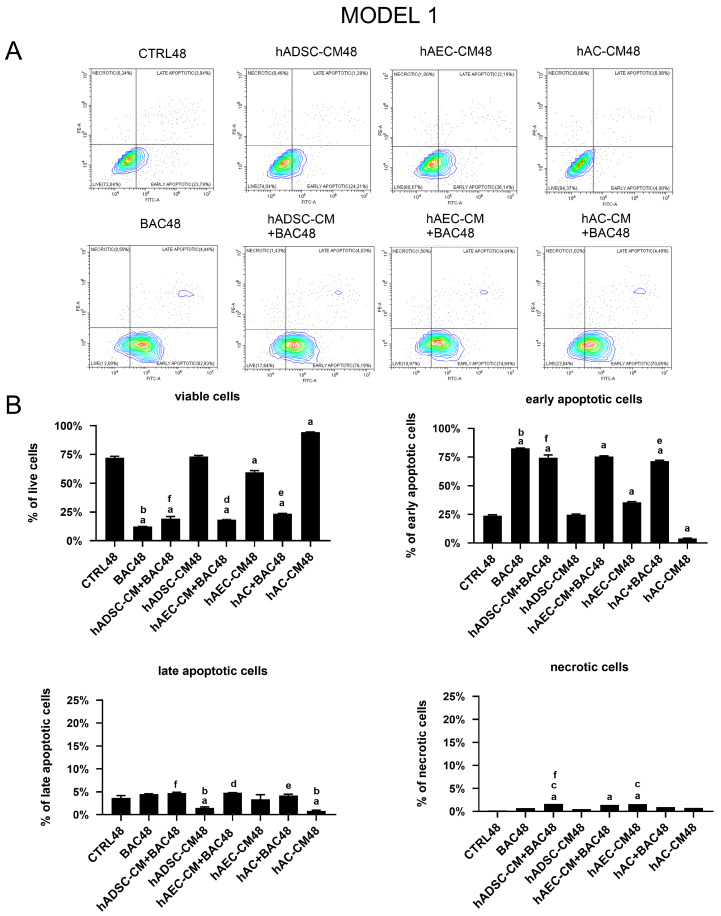 Figure 13
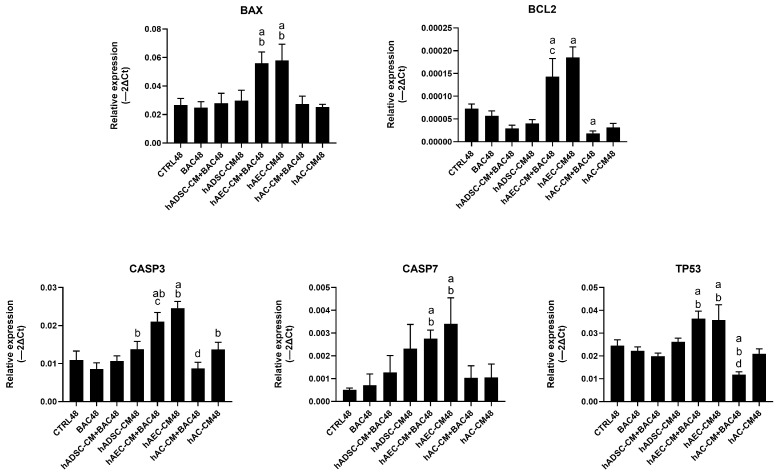 Figure 14
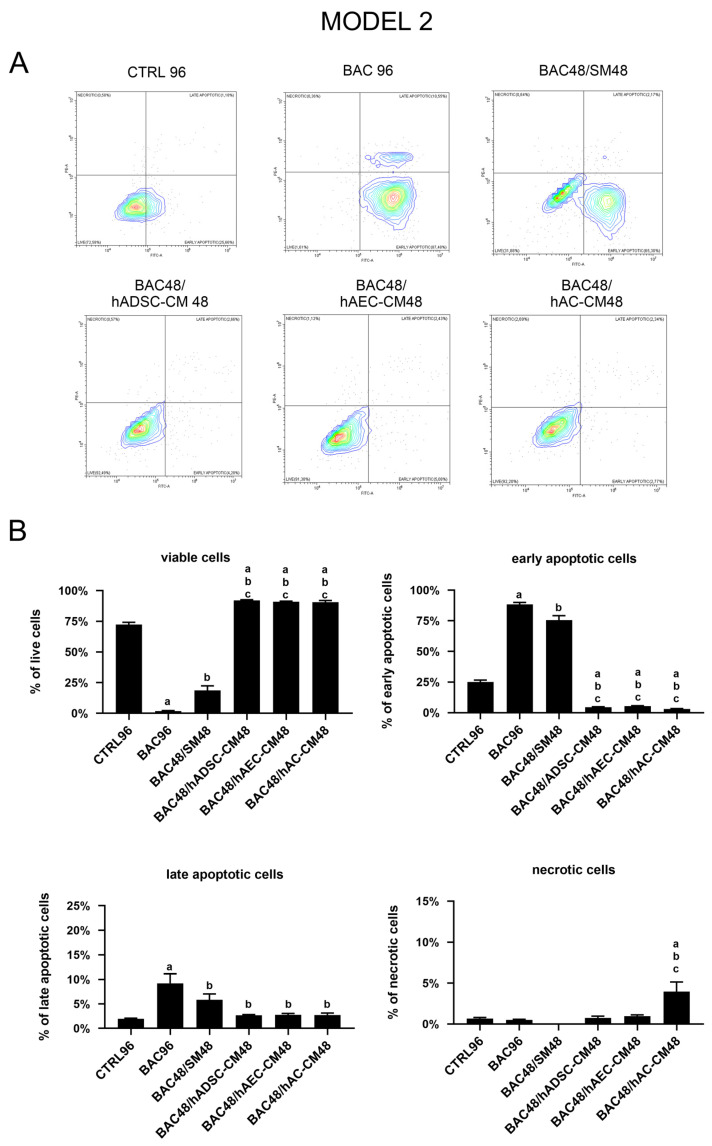 Figure 15
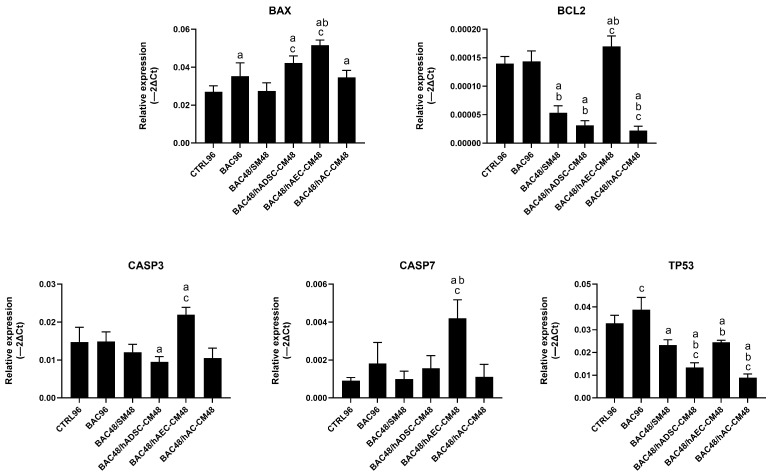 Figure 16
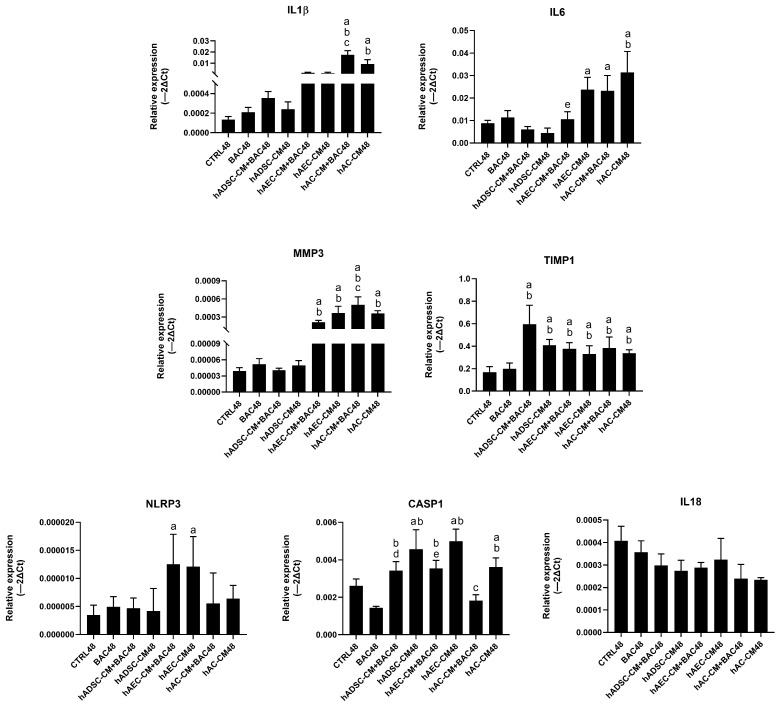 Figure 17
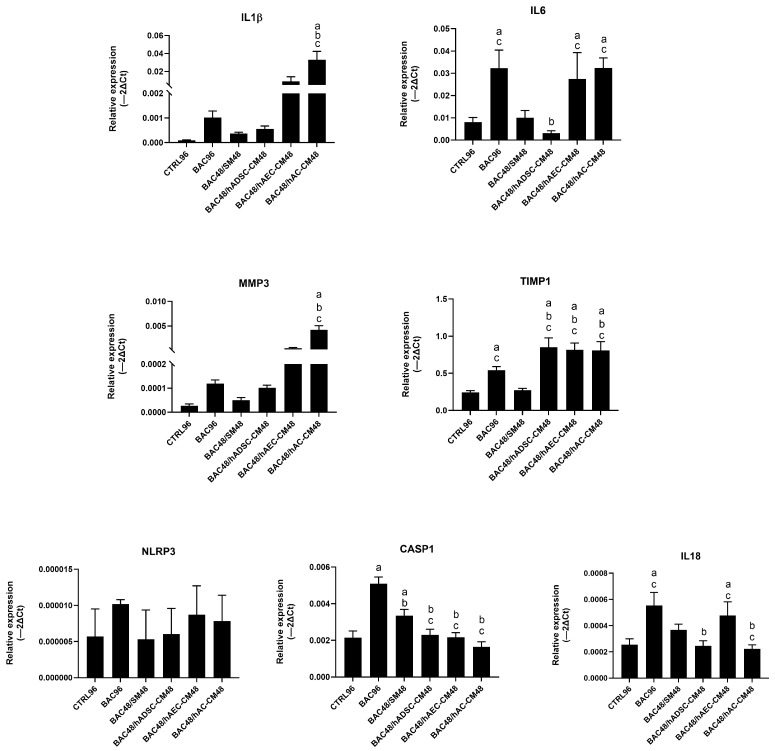 Figure 18
Peer Reviews
No public reviews on file for this paper yet. If you reviewed it on a platform where reviews are public (OpenReview, ICLR, NeurIPS, ICML), you can paste yours below so the community can read it here.
Videos
No videos yet. Explain this paper in a talk, walkthrough, or lecture? Add one.
Taxonomy
TopicsCorneal Surgery and Treatments · Ocular Surface and Contact Lens · Glaucoma and retinal disorders