Maximizing Diagnostic Yield in Intellectual Disability Through Exome Sequencing: Genotype–Phenotype Insights in a Vietnamese Cohort
Thu Lan Hoang, Thi Kim Phuong Doan, Thi Ngoc Lan Hoang, Cam Tu Ho, Thi Ha Vu, Thi Trang Nguyen, Thi Huyen Vu, Thi Trang Dao, Thi Minh Ngoc Nguyen, Phuong Mai Nguyen, Huu Duc Anh Nguyen, Chi Dung Vu, Phuong Thao Do, Quang Phuc Pham, Quang Trung Nguyen, Thi Phuong Mai Nguyen

TL;DR
This study shows how whole and clinical exome sequencing improve diagnosis of intellectual disability in Vietnamese children by linking genetic variants to specific clinical features.
Contribution
A multidimensional phenotypic scoring system and clustering method to enhance genotype–phenotype integration in diagnosing intellectual disability.
Findings
Three major biological patient groups were identified with distinct genetic and phenotypic profiles.
Higher Z-scores correlated with earlier disease onset and greater neurological severity.
WES and CES showed superior diagnostic resolution compared to traditional methods.
Abstract
Background: Intellectual disability (ID) is a heterogeneous condition caused by diverse genetic factors, including single-nucleotide variants (SNVs) and copy number variants (CNVs). Whole-exome sequencing (WES) and clinical exome sequencing (CES) have become essential tools for identifying pathogenic variants; however, their relative diagnostic performance in ID has not been fully characterized. Methods: Children diagnosed with ID or related neurodevelopmental disorders underwent WES or CES. Identified variants were classified according to ACMG/AMP and ClinGen guidelines, with segregation analysis performed when parental samples were available. Diagnostic yields were compared across demographic, prenatal, and phenotypic subgroups. A multidimensional semi-quantitative scoring system encompassing 15 clinical domains (e.g., age at onset, neuro-motor function, seizures, MRI findings,…
Genes, proteins, chemicals, diseases, species, mutations and cell lines named across the full text — each resolved to its canonical identifier and authoritative record.
Click any figure to enlarge with its caption.
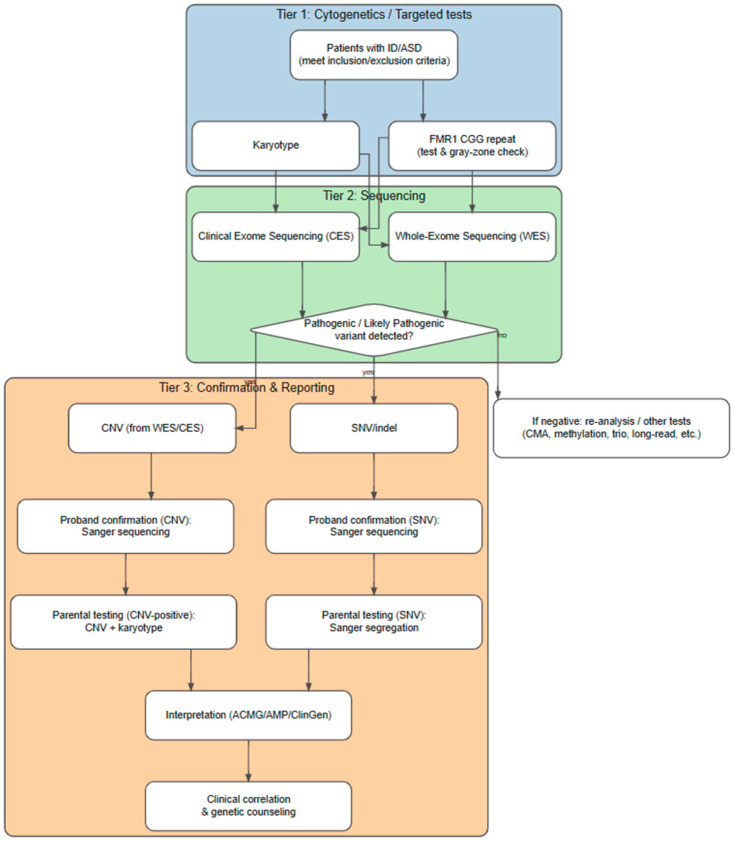 Figure 1
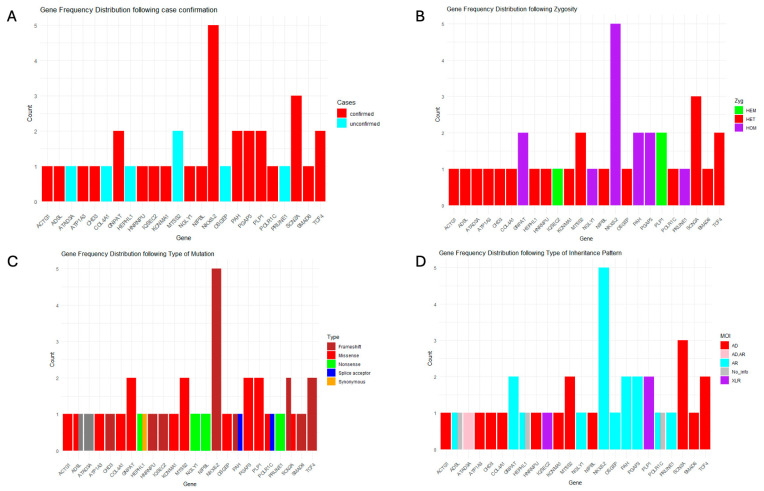 Figure 2
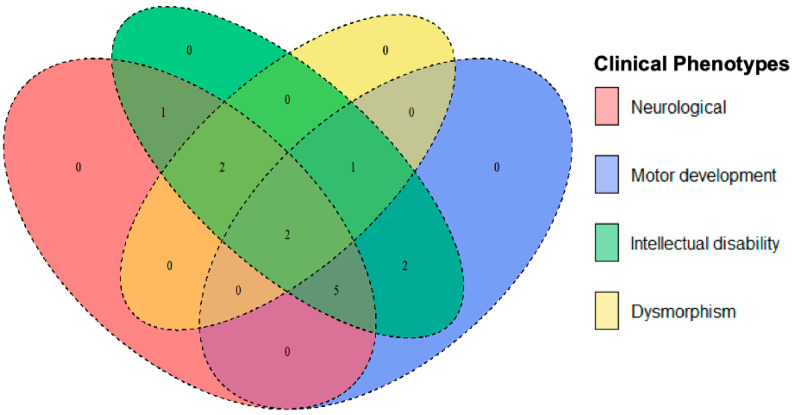 Figure 3
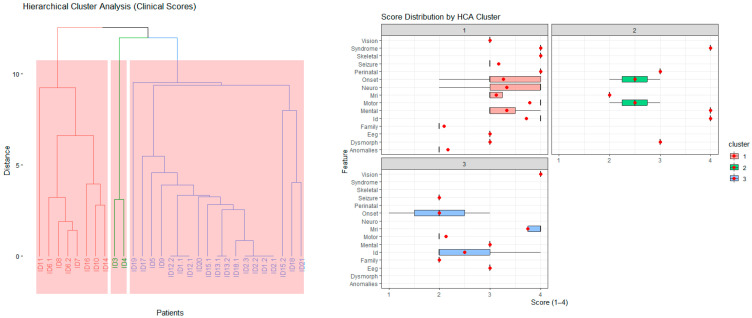 Figure 4
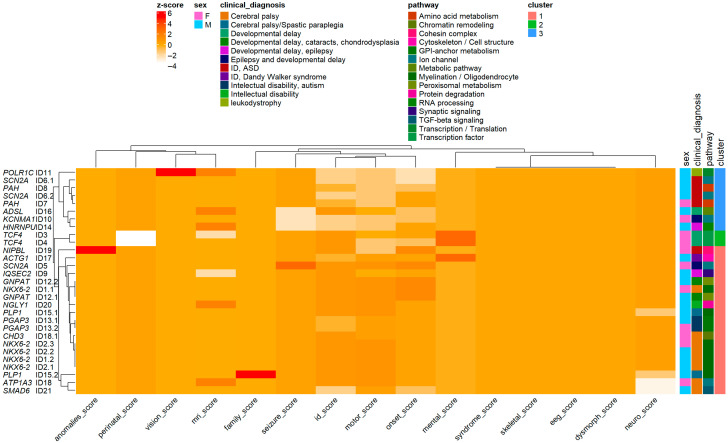 Figure 5
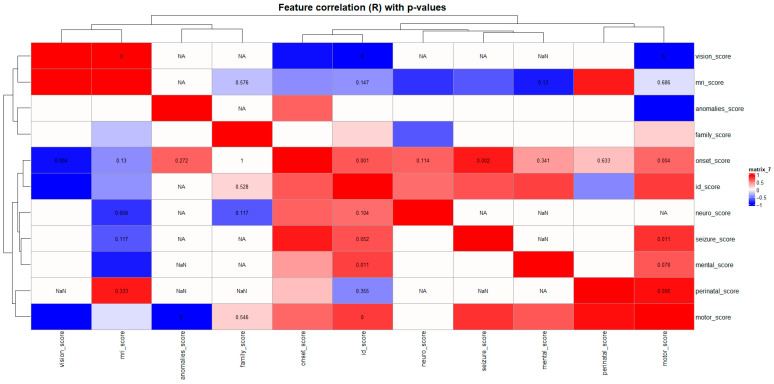 Figure 6
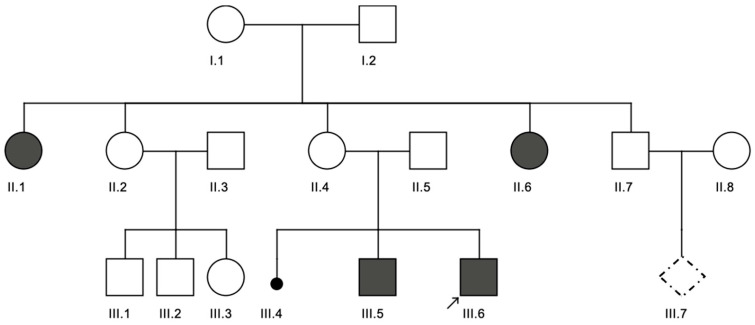 Figure 7
Peer Reviews
No public reviews on file for this paper yet. If you reviewed it on a platform where reviews are public (OpenReview, ICLR, NeurIPS, ICML), you can paste yours below so the community can read it here.
Videos
No videos yet. Explain this paper in a talk, walkthrough, or lecture? Add one.
Taxonomy
TopicsGenomics and Rare Diseases · Hereditary Neurological Disorders · Neurogenetic and Muscular Disorders Research