High-Frequency Irreversible Electroporation Alters Proteomic Profiles and Tropism of Small Tumor-Derived Extracellular Vesicles to Promote Immune Cell Infiltration
Kelsey R. Murphy, Kenneth N. Aycock, Spencer Marsh, Liping Yang, Jonathan Hinckley, Aubrie Selmek, Robert Gourdie, Shay Bracha, Rafael V. Davalos, John H. Rossmeisl, Nikolaos G. Dervisis

TL;DR
This study shows that high-frequency irreversible electroporation changes the protein content and behavior of tumor-derived vesicles, which may influence immune cell activity and the tumor environment.
Contribution
The first demonstration that electroporation-based ablation alters tumor-derived extracellular vesicles' composition and function.
Findings
H-FIRE ablation alters sTDEV proteomic profiles, affecting integrin and PDGFR signaling pathways.
Disruptive sTDEVs show increased tropism for cerebral endothelial cells and persist longer in the brain.
These vesicles recruit Iba1+ immune cells but do not directly increase BBB permeability in vivo.
Abstract
High-frequency irreversible electroporation (H-FIRE) is a nonthermal tumor ablation technique that disrupts the blood–brain barrier (BBB) in a focal and reversible manner. However, the mechanisms underlying this disruption remain poorly understood, particularly the role of small tumor-derived extracellular vesicles (sTDEVs) released from ablated tumor cells. In this study, we investigate the proteomic and functional alterations of sTDEVs released from F98 glioma and LL/2 Lewis lung carcinoma cells following H-FIRE ablation. Mass spectrometry analysis revealed 108 unique proteins in sTDEVs derived from ablative doses of H-FIRE, which are capable of disrupting the BBB in an in vitro model. Proteomic analysis of TDEVs highlights key changes in pathways related to integrin signaling, Platelet-derived growth factor receptor (PDGFR) signaling, and ubiquitination, which may underline their…
Genes, proteins, chemicals, diseases, species, mutations and cell lines named across the full text — each resolved to its canonical identifier and authoritative record.
Click any figure to enlarge with its caption.
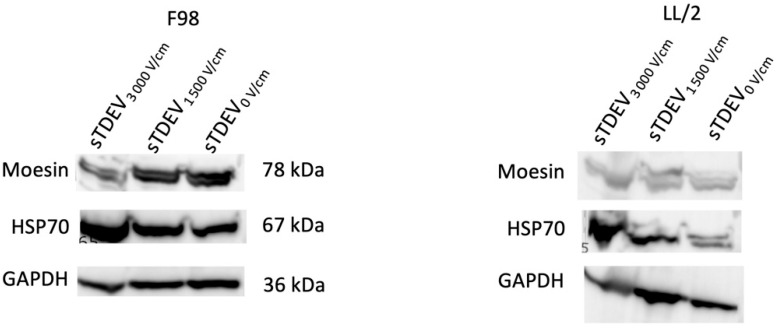 Figure 1
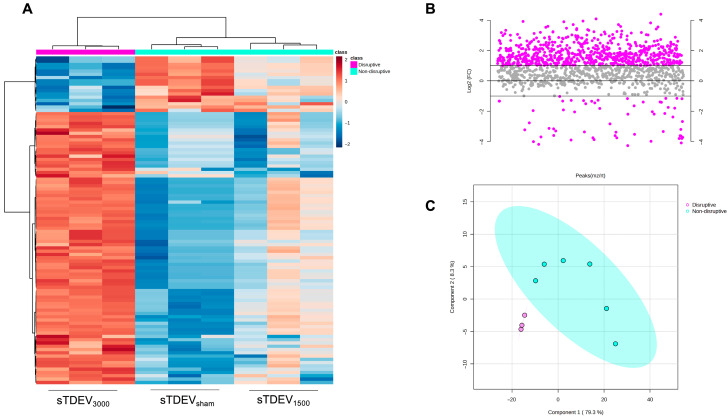 Figure 2
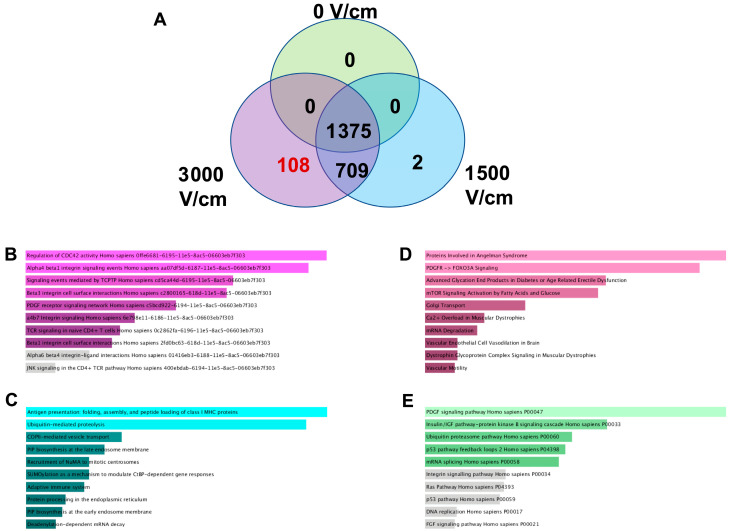 Figure 3
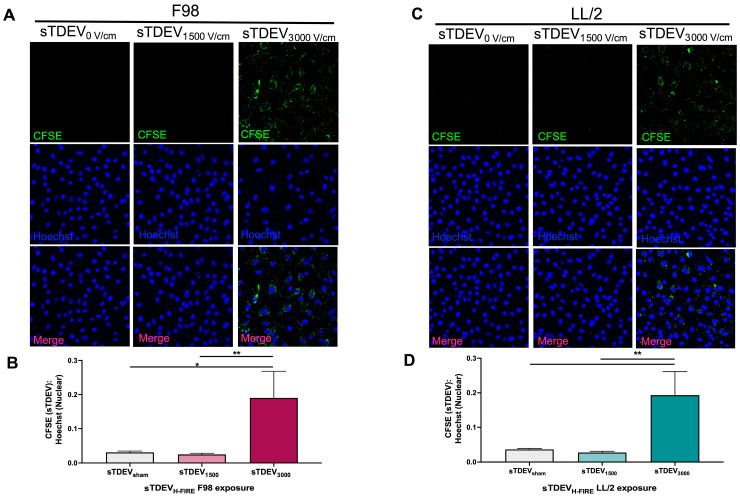 Figure 4
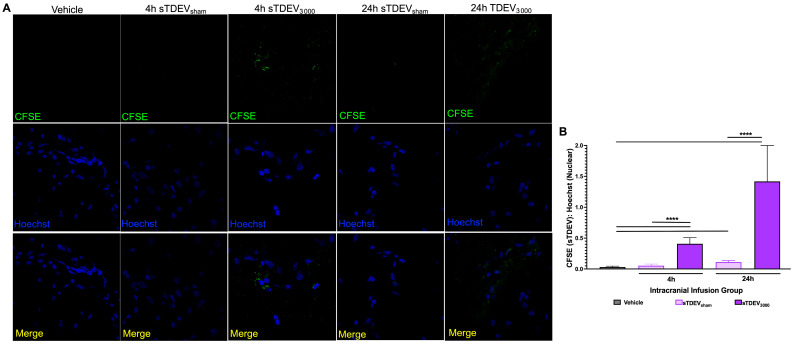 Figure 5
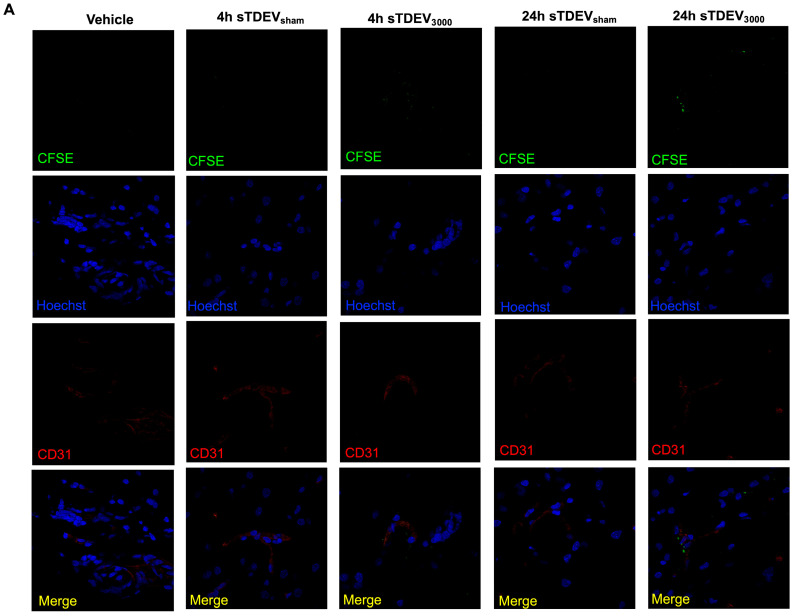 Figure 6
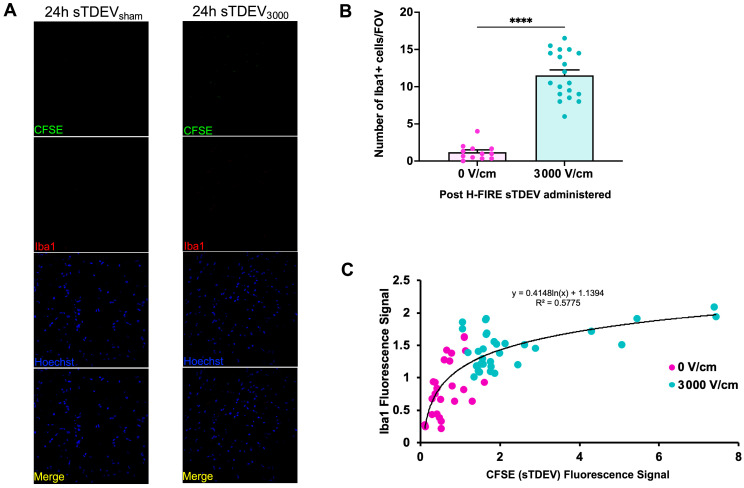 Figure 7
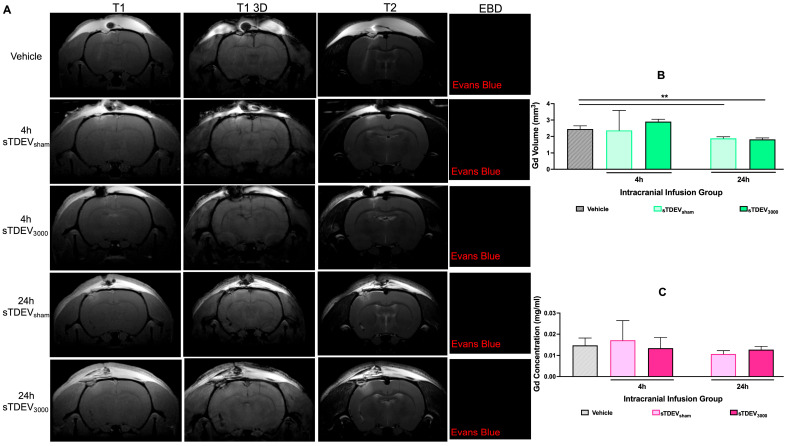 Figure 8
Peer Reviews
No public reviews on file for this paper yet. If you reviewed it on a platform where reviews are public (OpenReview, ICLR, NeurIPS, ICML), you can paste yours below so the community can read it here.
Videos
No videos yet. Explain this paper in a talk, walkthrough, or lecture? Add one.
Taxonomy
TopicsExtracellular vesicles in disease · Nanoplatforms for cancer theranostics · Endoplasmic Reticulum Stress and Disease