The Edmonton Obesity Staging System for Pediatrics (EOSS-P) in Mexican Children and Adolescents Living with Obesity: Beyond BMI Obesity Classes
Isabel Omaña-Guzmán, Roberto Carlos Rodríguez Quintero, Arturo Ruíz-Arroyo, Edith Prado Díaz, Juan Carlos López-Alvarenga, Ana María Hernández López, Zendy Fuentes Corona, Karina Aguilar Cuarto, Karen Pedraza Escudero, Alejandra Ruíz Barranco, Erendira Villanueva-Ortega

TL;DR
This study shows that Mexican children with obesity are often classified in the most severe stage of a comprehensive obesity staging system, highlighting the need to assess obesity beyond BMI.
Contribution
The study adapts the Edmonton Obesity Staging System for Pediatrics (EOSS-P) to Mexican children and demonstrates its value in assessing obesity severity beyond BMI.
Findings
Over half of the children were classified in the most severe stage (stage 3) of the EOSS-P.
There is a weak association between EOSS-P staging and BMI-based obesity classification.
Abstract
What are the main findings? •More than half of the children were classified in stage 3, the most severe stage of the EOSS-P.•There is a weak association between EOSS-P staging and BMI-based obesity classification in children. What is the implication of the main finding? •The assessment of obesity in children should go beyond BMI and include metabolic, mechanical, mental, and social domains•The EOSS-P is a valuable tool for the comprehensive assessment of obesity that could be adapted to different contexts. What are the main findings? •More than half of the children were classified in stage 3, the most severe stage of the EOSS-P.•There is a weak association between EOSS-P staging and BMI-based obesity classification in children. More than half of the children were classified in stage 3, the most severe stage of the EOSS-P. There is a weak association between EOSS-P staging and…
Genes, proteins, chemicals, diseases, species, mutations and cell lines named across the full text — each resolved to its canonical identifier and authoritative record.
Click any figure to enlarge with its caption.
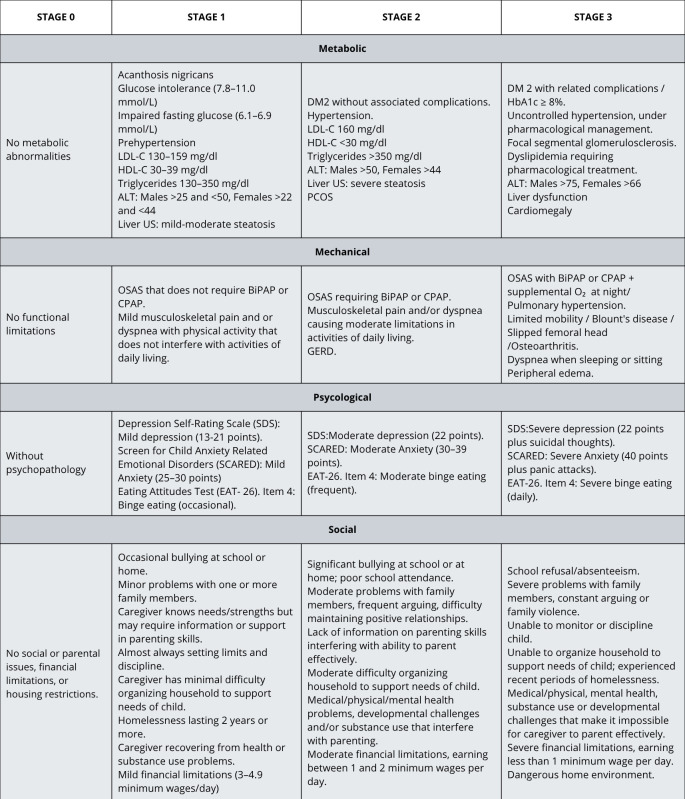 Figure 1
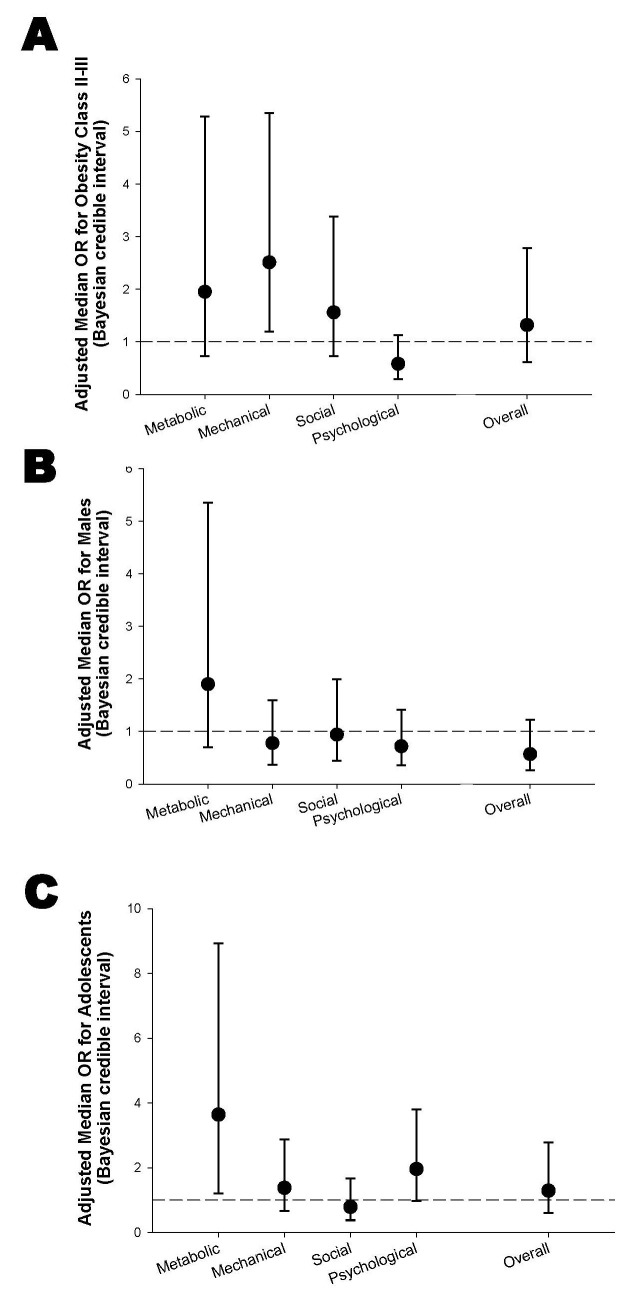 Figure 2
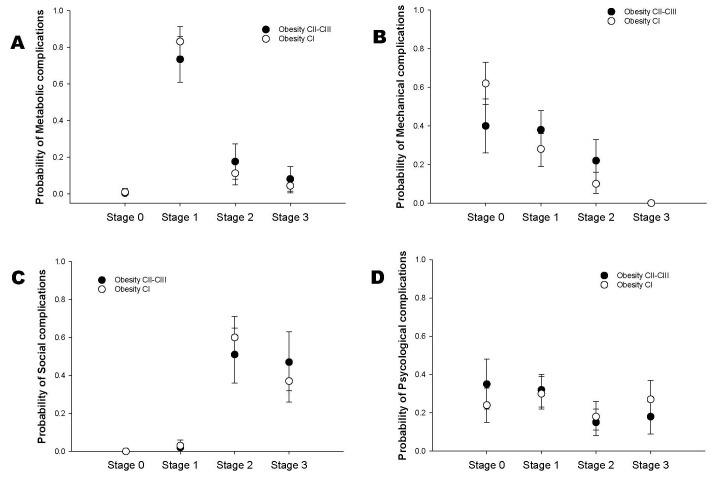 Figure 3
Peer Reviews
No public reviews on file for this paper yet. If you reviewed it on a platform where reviews are public (OpenReview, ICLR, NeurIPS, ICML), you can paste yours below so the community can read it here.
Videos
No videos yet. Explain this paper in a talk, walkthrough, or lecture? Add one.
Taxonomy
TopicsObesity, Physical Activity, Diet · Child Nutrition and Feeding Issues · Cancer Research and Treatment