Calmodulin D133H Disrupts Cav1.2 and Kv7.1 Regulation to Prolong Cardiac Action Potentials in Long QT Syndrome
Nitika Gupta, Liam F. McCormick, Ella M. B. Richards, Kirsty Wadmore, Rachael Morris, Vanessa S. Morris, Pavel Kirilenko, Ewan D. Fowler, Caroline Dart, Nordine Helassa

TL;DR
A calmodulin mutation disrupts calcium and potassium channels in the heart, leading to prolonged electrical signals and arrhythmias in Long QT syndrome.
Contribution
The study reveals how the D133H calmodulin variant affects both Cav1.2 and Kv7.1 channels, linking them to cardiac arrhythmias.
Findings
D133H reduces Ca2+ affinity and disrupts Ca2+-dependent inactivation of Cav1.2.
D133H decreases Kv7.1 activation, limiting repolarizing K+ currents.
These effects prolong cardiac action potentials and contribute to arrhythmogenesis in Long QT syndrome.
Abstract
What are the main findings? The calmodulin variant D133H disrupts Ca2+-dependent inactivation of Cav1.2 and reduces activation of Kv7.1.D133H reduces Ca2+ affinity and alters interactions with Cav1.2 and Kv7.1 binding domains. The calmodulin variant D133H disrupts Ca2+-dependent inactivation of Cav1.2 and reduces activation of Kv7.1. D133H reduces Ca2+ affinity and alters interactions with Cav1.2 and Kv7.1 binding domains. What are the implications of the main findings? The dual impact on Cav1.2 and Kv7.1 reveals cross-channel regulatory coupling as a key determinant of ventricular repolarisation.These mechanistic insights broaden understanding of how specific CaM variants remodel cardiac electrical signalling in Long QT syndrome. The dual impact on Cav1.2 and Kv7.1 reveals cross-channel regulatory coupling as a key determinant of ventricular repolarisation. These mechanistic…
Genes, proteins, chemicals, diseases, species, mutations and cell lines named across the full text — each resolved to its canonical identifier and authoritative record.
Click any figure to enlarge with its caption.
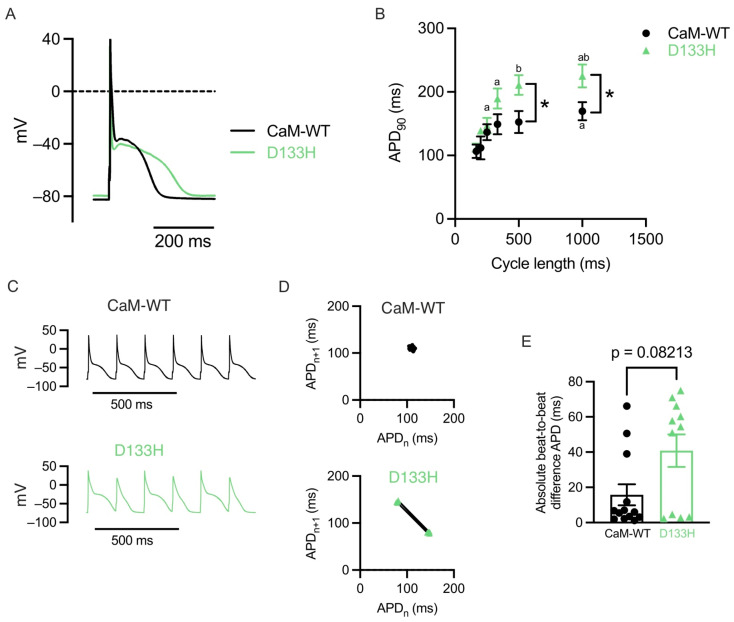 Figure 1
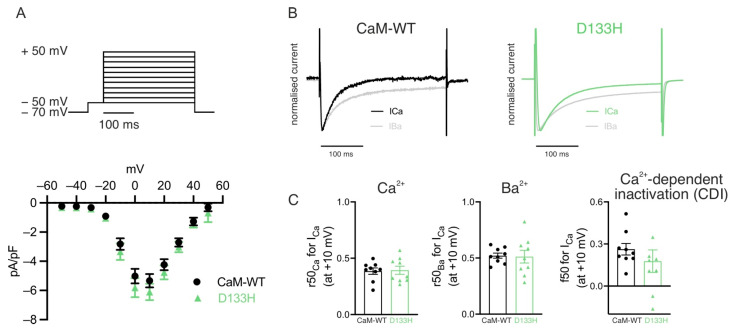 Figure 2
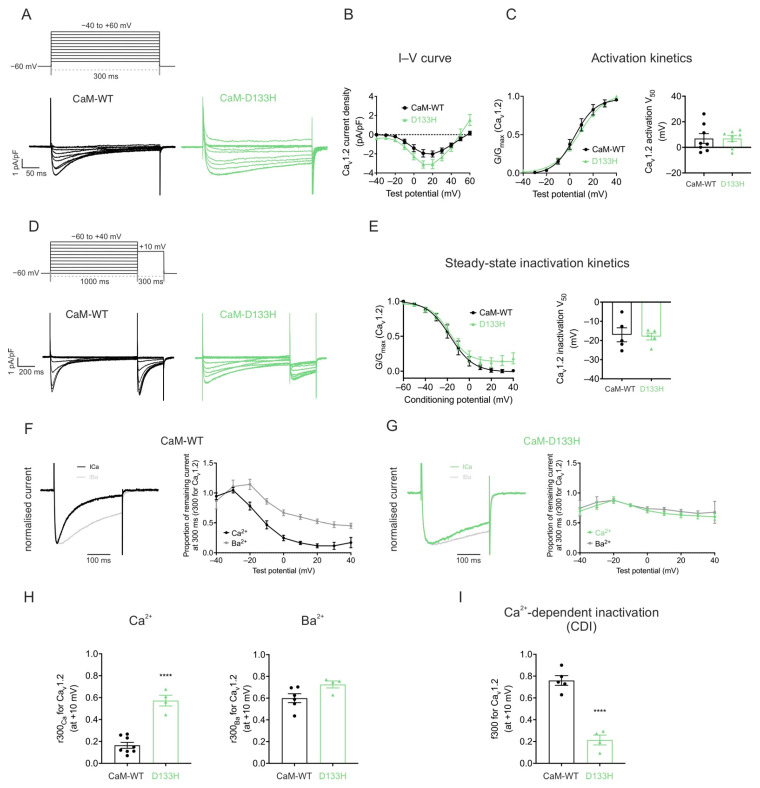 Figure 3
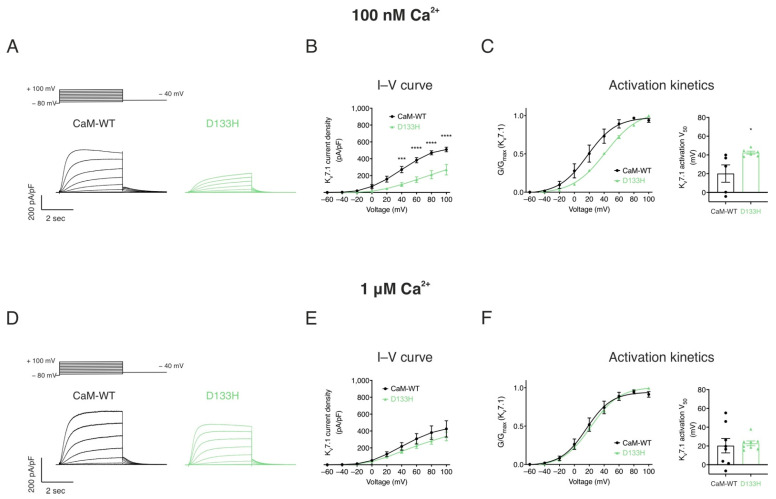 Figure 4
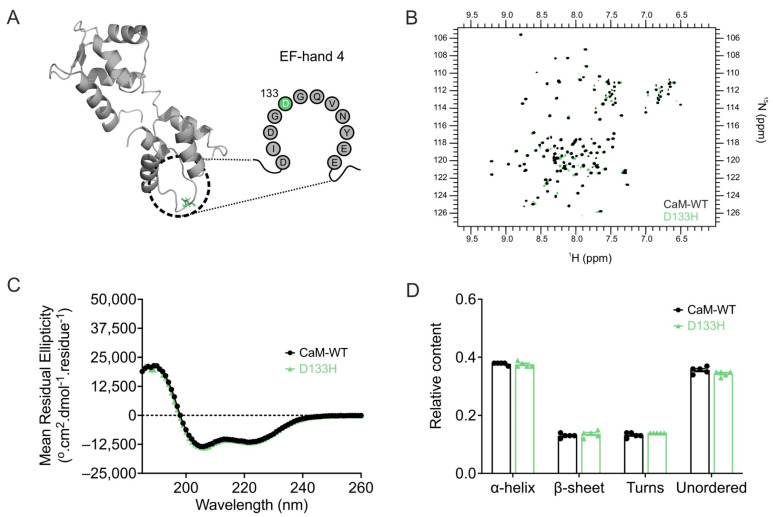 Figure 5
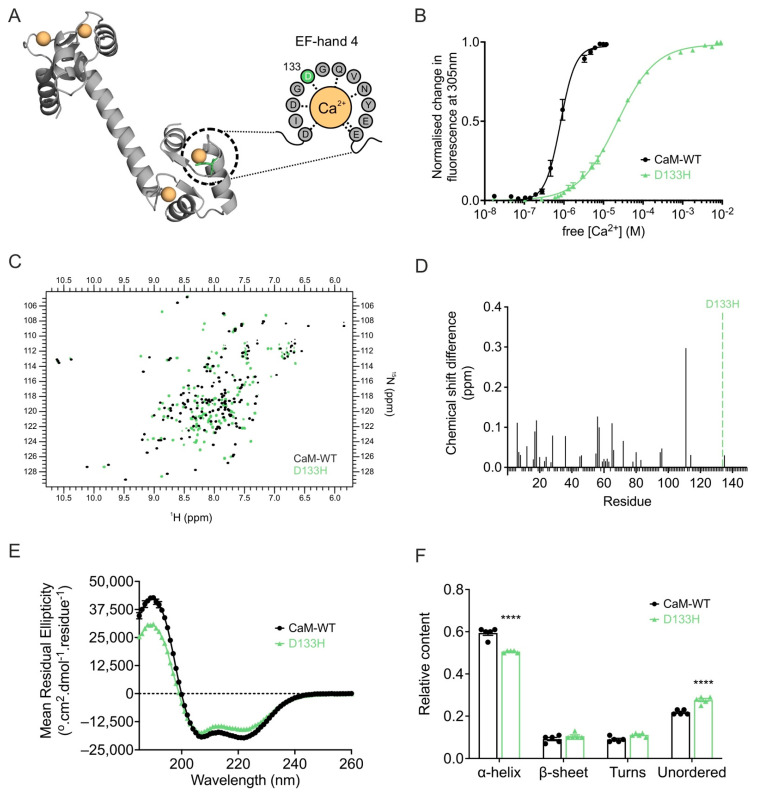 Figure 6
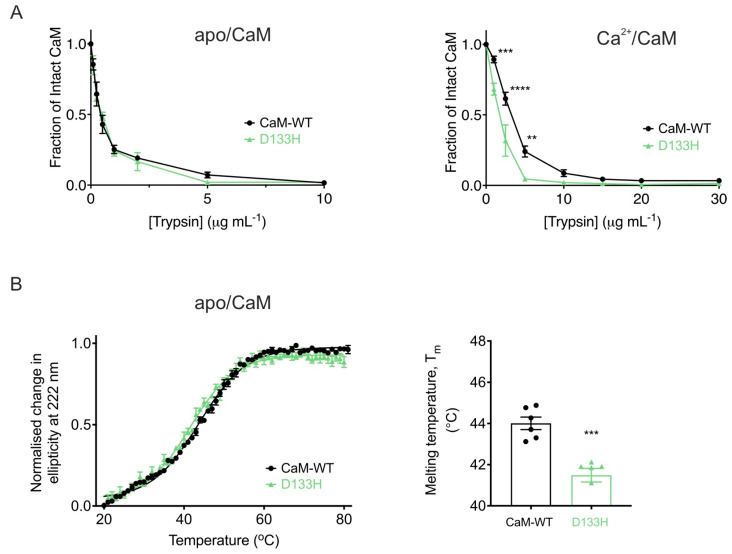 Figure 7
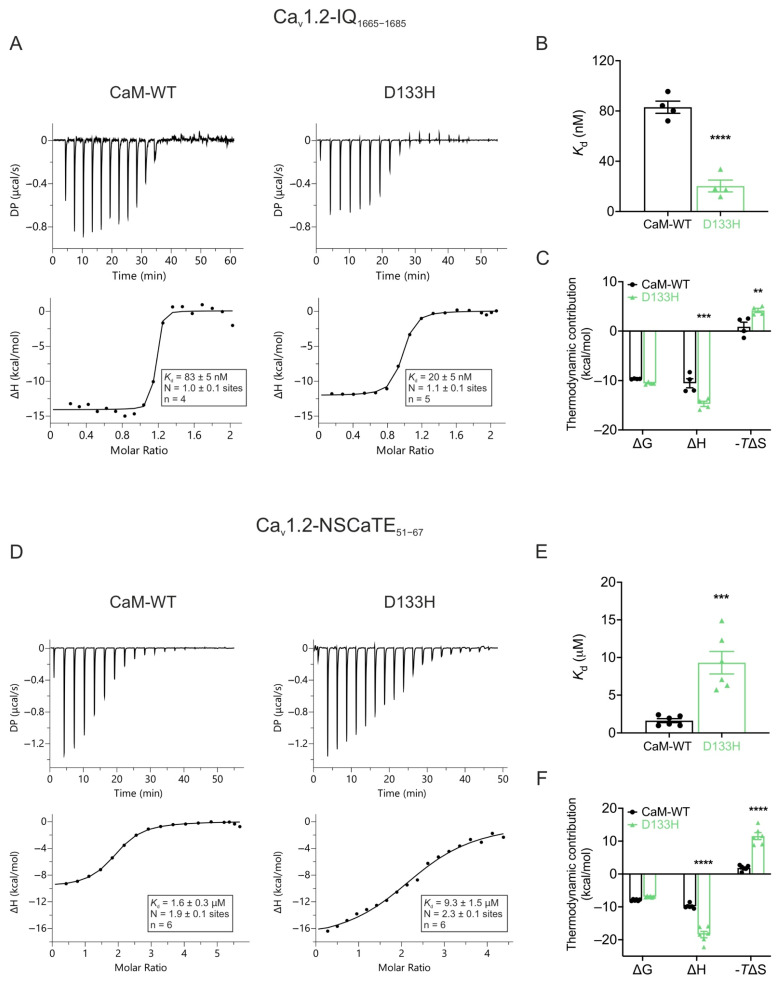 Figure 8
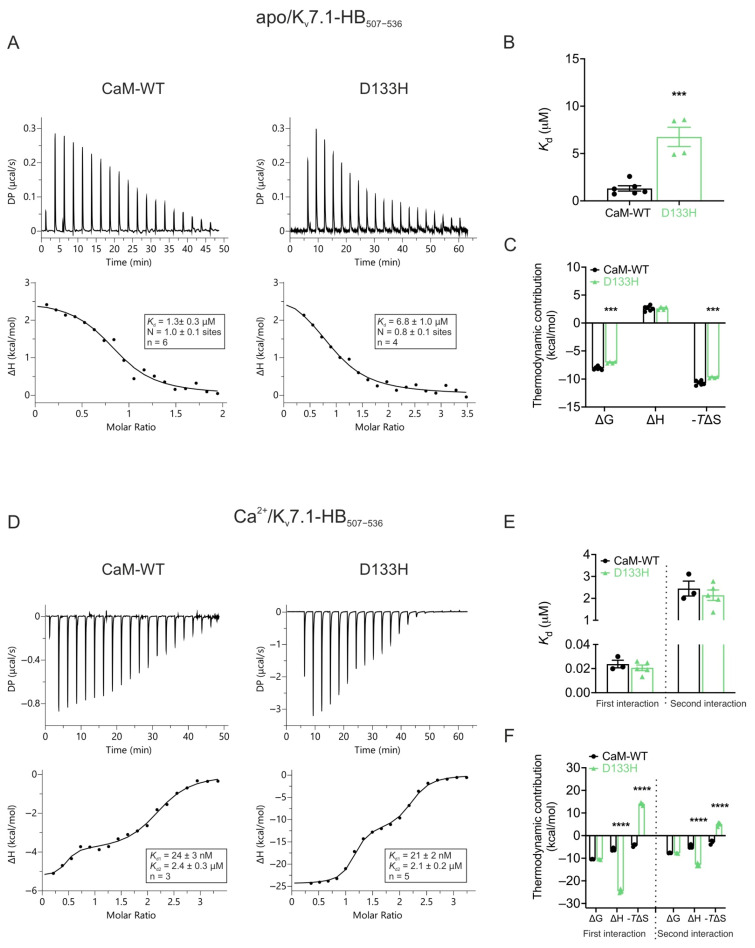 Figure 9
Peer Reviews
No public reviews on file for this paper yet. If you reviewed it on a platform where reviews are public (OpenReview, ICLR, NeurIPS, ICML), you can paste yours below so the community can read it here.
Videos
No videos yet. Explain this paper in a talk, walkthrough, or lecture? Add one.
Taxonomy
TopicsCardiac electrophysiology and arrhythmias · Ion channel regulation and function · Ion Channels and Receptors