Supervised and Unsupervised Learning with Numerical Computation for the Wolfram Cellular Automata
Kui Tuo, Shengfeng Deng, Yuxiang Yang, Yanyang Wang, Qiuping Wang, Wei Li, Wenjun Zhang

TL;DR
This paper uses machine learning to study patterns and behaviors in Wolfram cellular automata, revealing how different rules generate similar fractal structures and how learning methods can distinguish these patterns.
Contribution
The paper introduces supervised and unsupervised learning approaches to classify and cluster configurations of Wolfram cellular automata.
Findings
Certain Wolfram rules produce similar fractal patterns from single active sites under different initial conditions.
Supervised learning accurately identifies configurations of different Wolfram rules.
Unsupervised methods like PCA and autoencoders cluster configurations into distinct groups matching simulated density outputs.
Abstract
The local rules of elementary cellular automata (ECA) with one-dimensional three-cell neighborhoods are represented by eight-bit binary numbers that encode deterministic update rules. This class of systems is also commonly referred to as the Wolfram cellular automata. These automata are widely utilized to investigate self-organization phenomena and the dynamics of complex systems. In this work, we employ numerical simulations and computational methods to investigate the asymptotic density and dynamical evolution mechanisms in Wolfram automata. We explore alternative initial conditions under which certain Wolfram rules generate similar fractal patterns over time, even when starting from a single active site. Our results reveal the relationship between the asymptotic density and the initial density of selected rules. Furthermore, we apply both supervised and unsupervised learning methods…
Genes, proteins, chemicals, diseases, species, mutations and cell lines named across the full text — each resolved to its canonical identifier and authoritative record.
Click any figure to enlarge with its caption.
 Figure 1
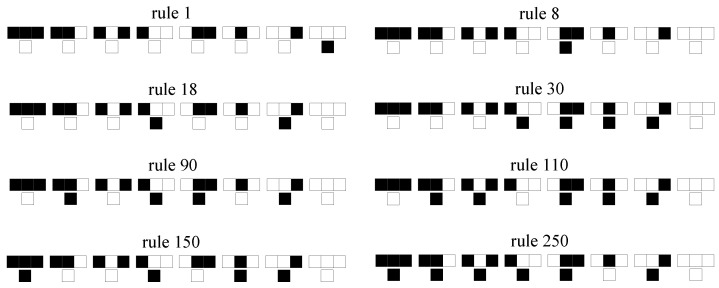 Figure 2
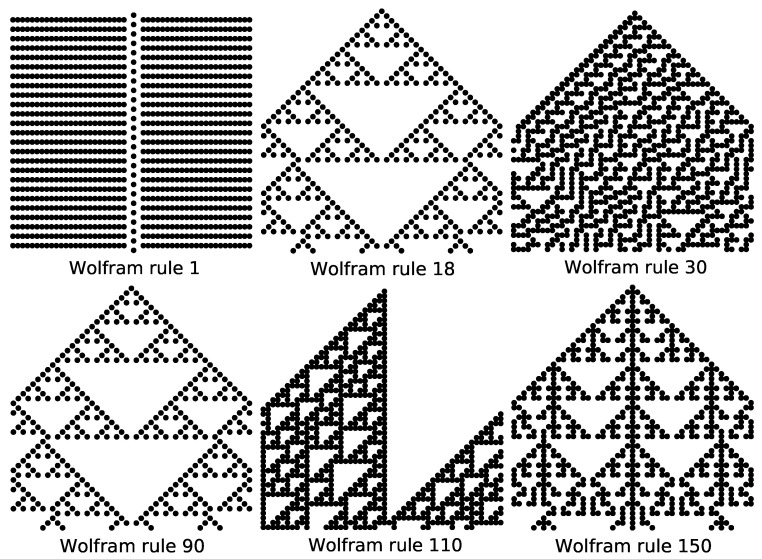 Figure 3
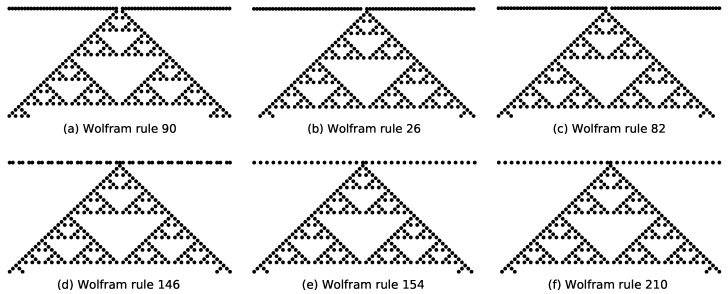 Figure 4
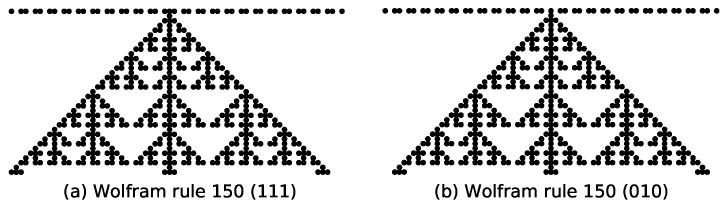 Figure 5
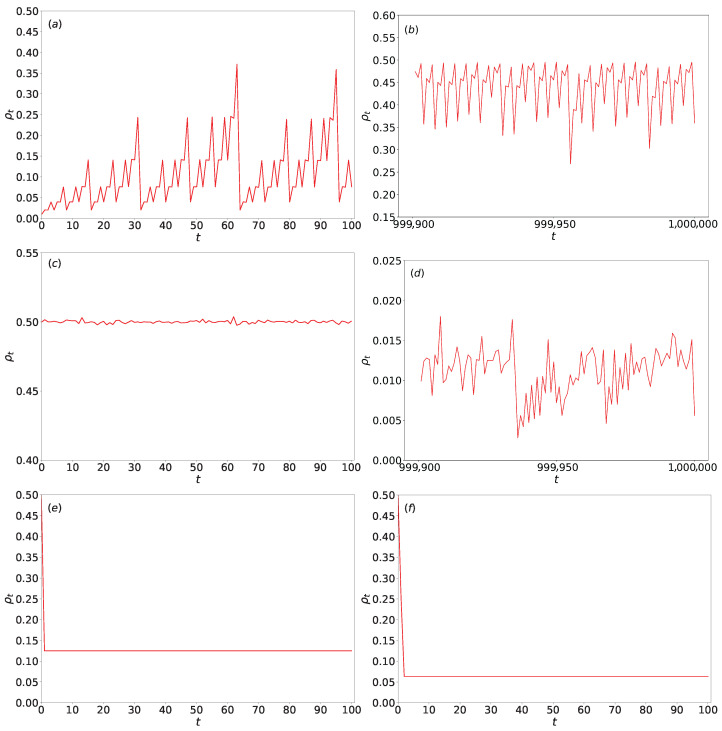 Figure 6
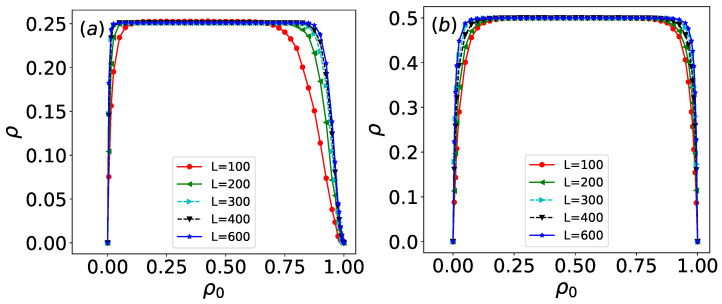 Figure 7
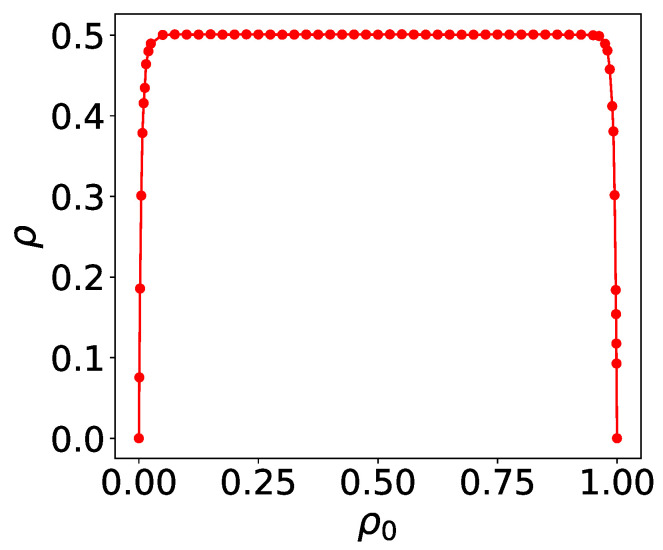 Figure 8
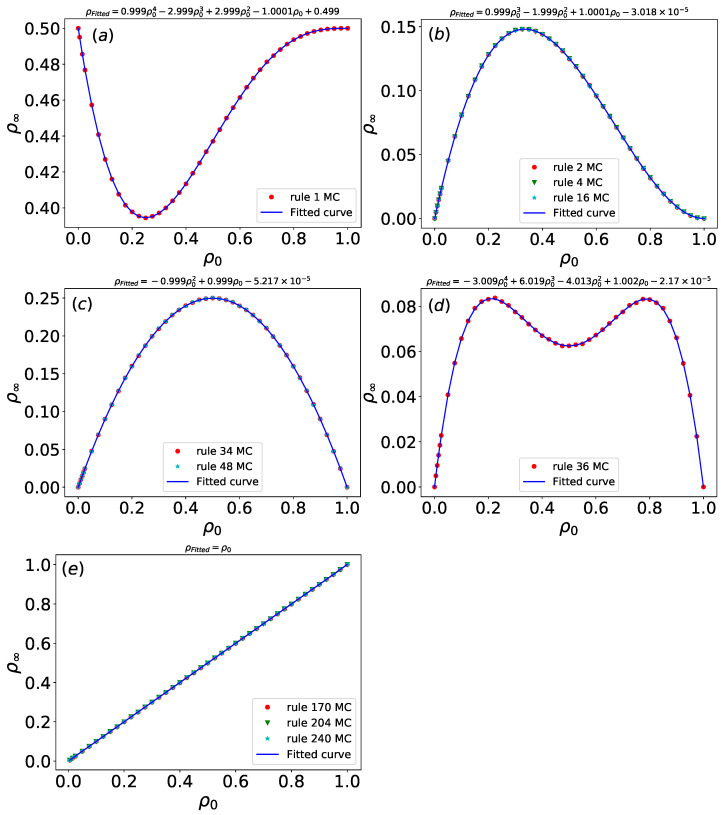 Figure 9
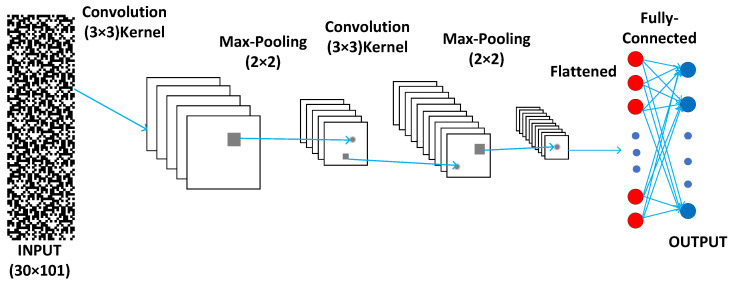 Figure 10
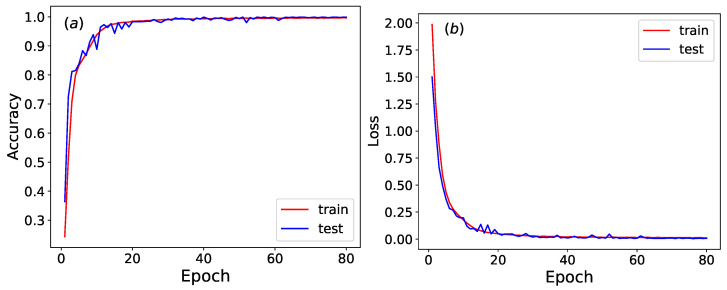 Figure 11
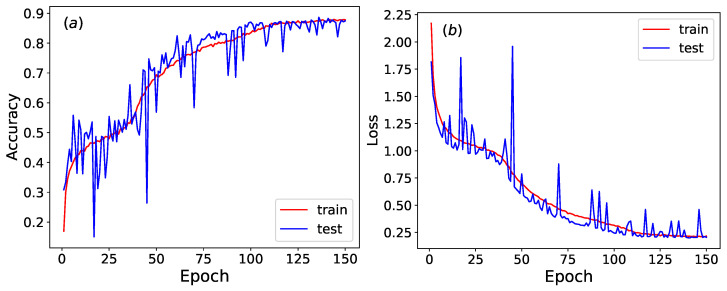 Figure 12
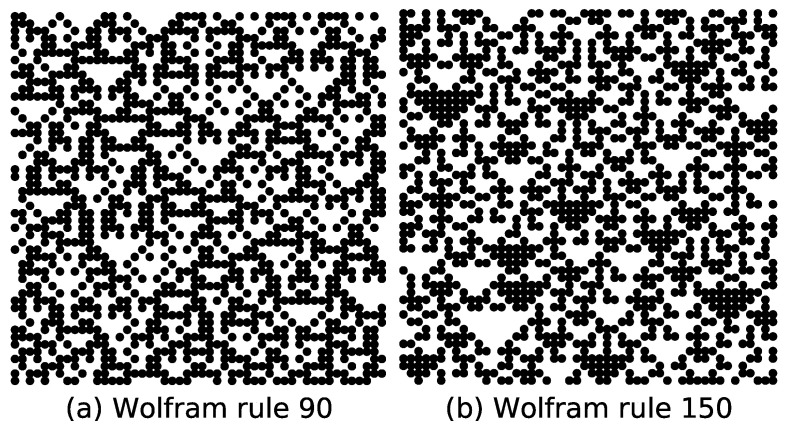 Figure 13
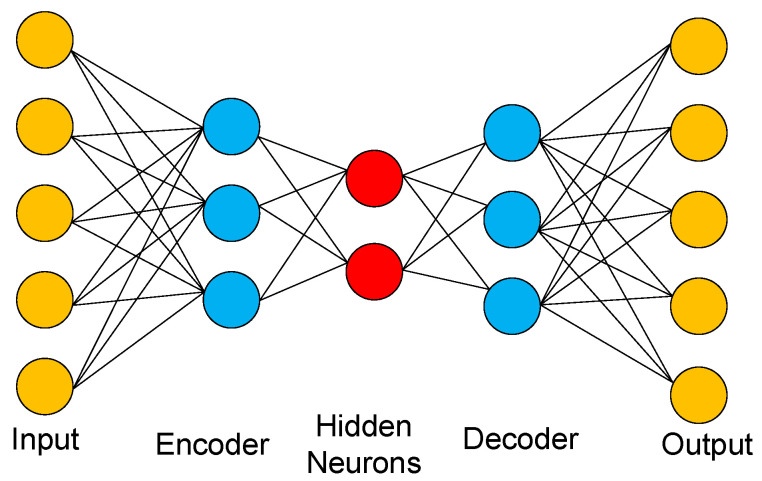 Figure 14
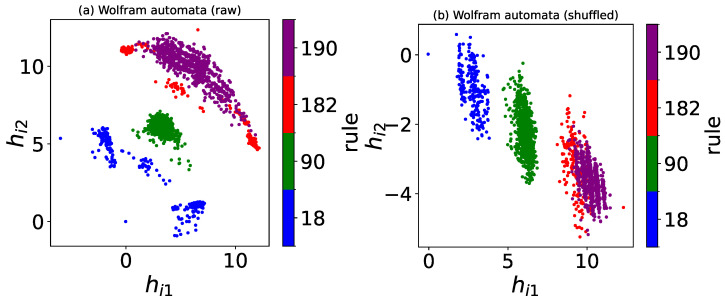 Figure 15
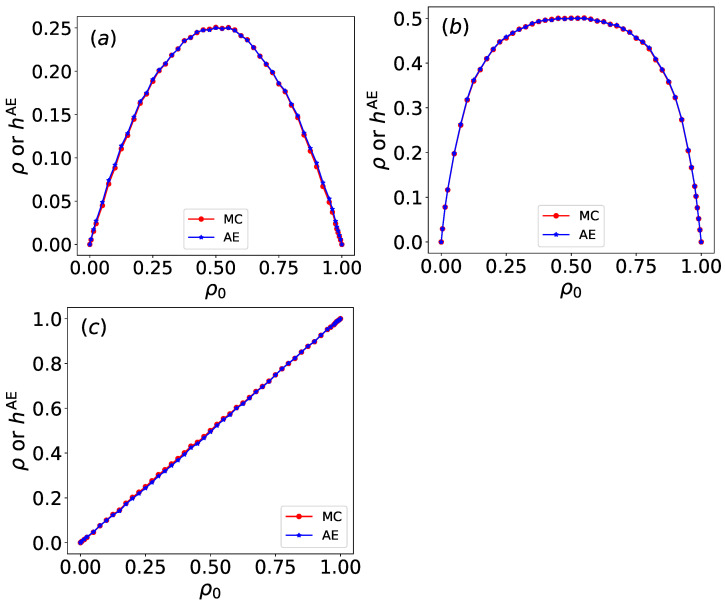 Figure 16
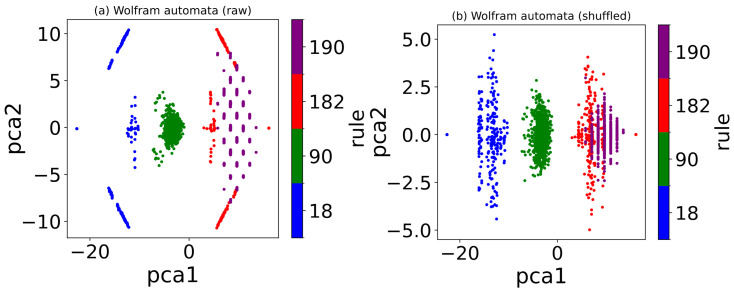 Figure 17
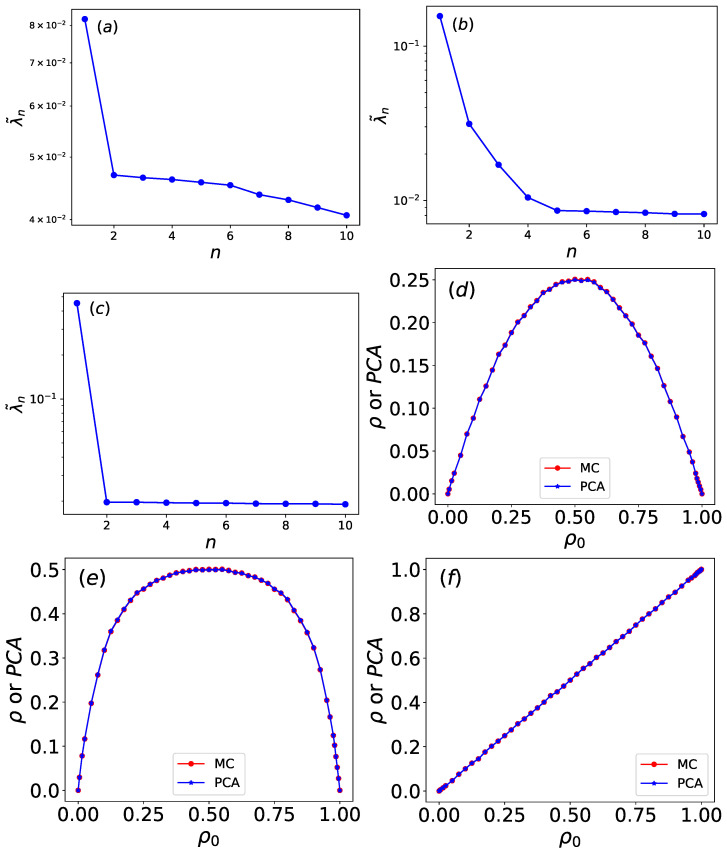 Figure 18
Peer Reviews
No public reviews on file for this paper yet. If you reviewed it on a platform where reviews are public (OpenReview, ICLR, NeurIPS, ICML), you can paste yours below so the community can read it here.
Videos
No videos yet. Explain this paper in a talk, walkthrough, or lecture? Add one.
Taxonomy
TopicsCellular Automata and Applications · Theoretical and Computational Physics · Opinion Dynamics and Social Influence