Retrospective Evaluation of Invisalign® Mandibular Advancement in Growing Patients: Cephalometric, PAR and 3D Molar Displacement Outcomes
Teresa Pinho, Carolina Clemente, Inês de Castro, Maria dos Prazeres Gonçalves

TL;DR
This study shows that Invisalign® can effectively correct jaw misalignment in growing patients by improving teeth alignment and jaw position.
Contribution
The study provides new evidence on the effectiveness of Invisalign® for mandibular advancement in growing patients using 3D and cephalometric analyses.
Findings
The Teen group showed greater lower molar movement compared to the First group.
Both groups showed significant improvement in occlusion as measured by the PAR index.
The Invisalign® system proved effective in correcting Class II malocclusion during growth.
Abstract
Background: Class II malocclusion is one of the most prevalent dentoskeletal disorders, usually caused by mandibular retrusion. The Invisalign® Mandibular Advancement System is an aesthetic, comfortable alternative to conventional braces for growing patients allowing mandibular projection and dental alignment. This retrospective study assessed the effectiveness of the Invisalign® Mandibular Advancement (MA) System in growing patients with mandibular retrognathia. Methods: At treatment onset, seventeen patients were divided into the following two groups according to the aligner system used and cervical vertebral maturation stage: the Invisalign® First group (CVM2), and the Invisalign® Teen group (CVM3, some transitioning to CVM4), all treated with the Comprehensive Package. Treatment efficacy was evaluated through cephalometric analysis, occlusal classification, and three-dimensional…
Genes, proteins, chemicals, diseases, species, mutations and cell lines named across the full text — each resolved to its canonical identifier and authoritative record.
Click any figure to enlarge with its caption.
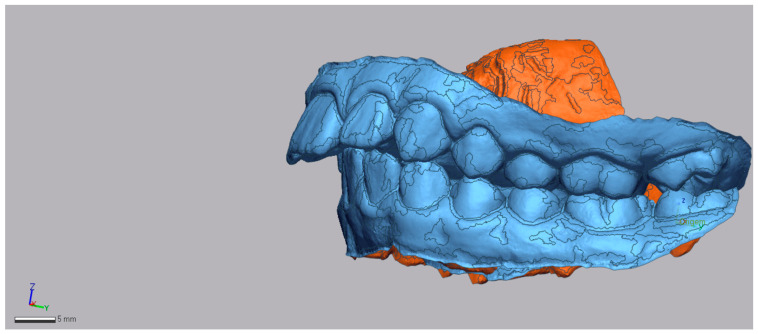 Figure 1
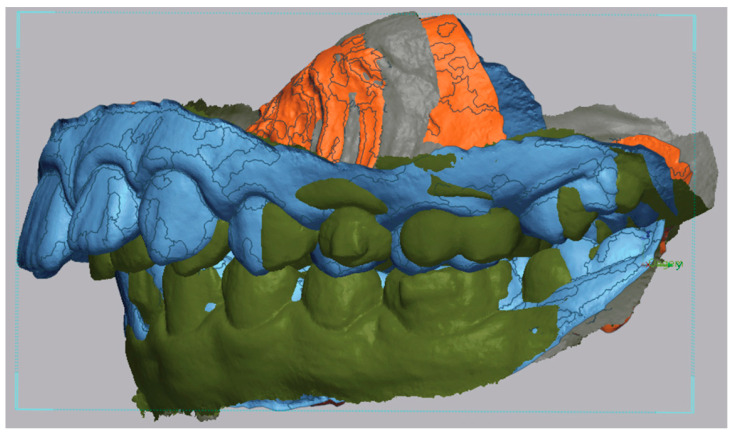 Figure 2
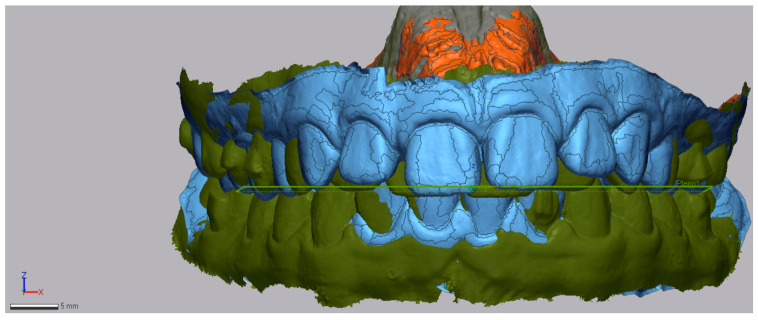 Figure 3
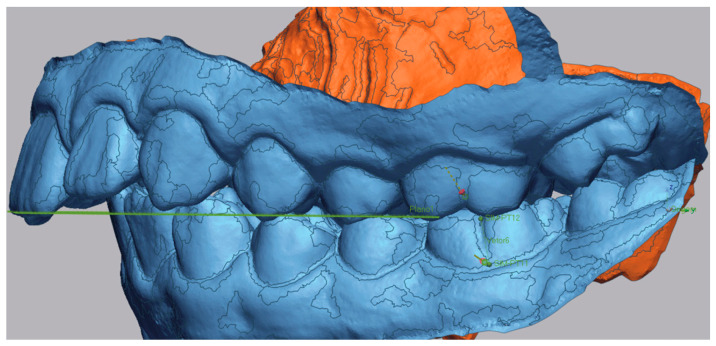 Figure 4
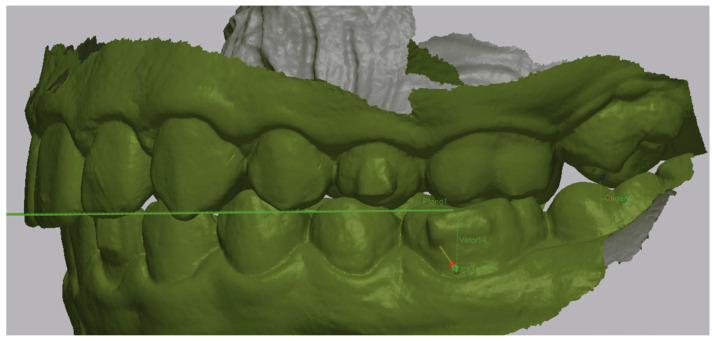 Figure 5
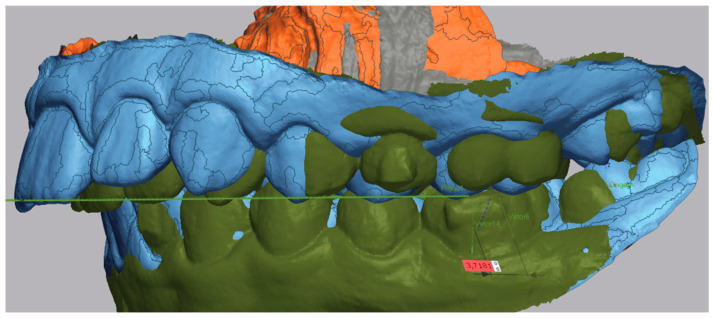 Figure 6
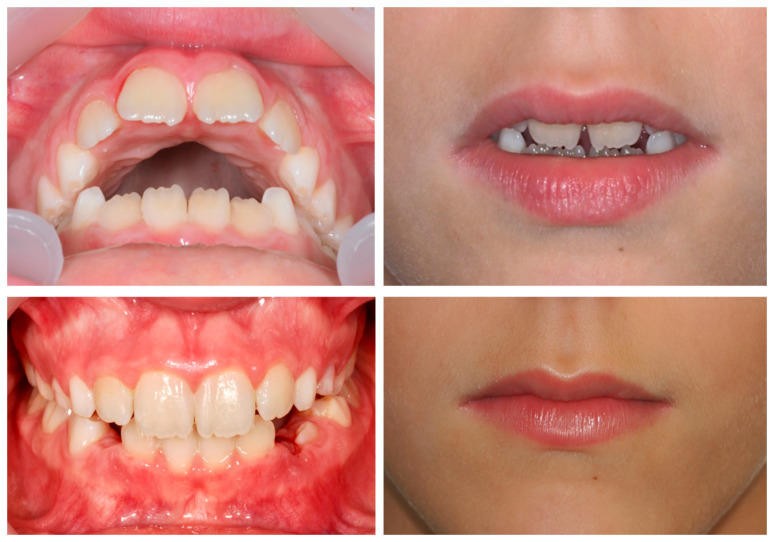 Figure 7
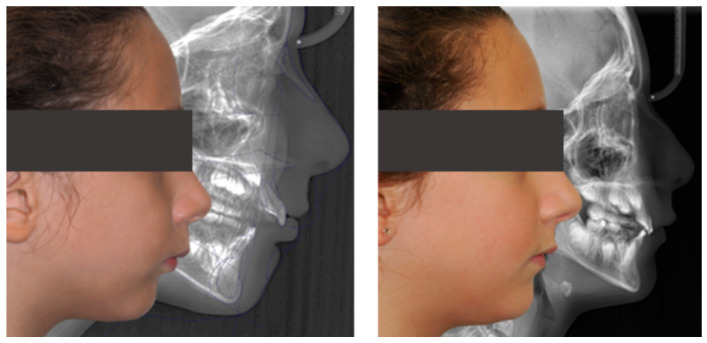 Figure 8
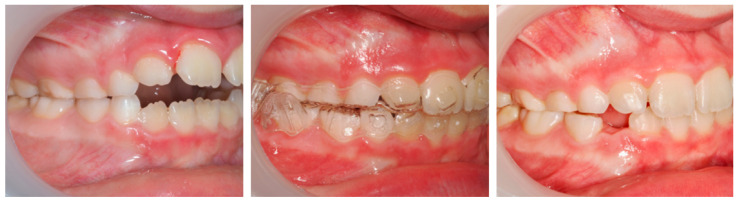 Figure 9
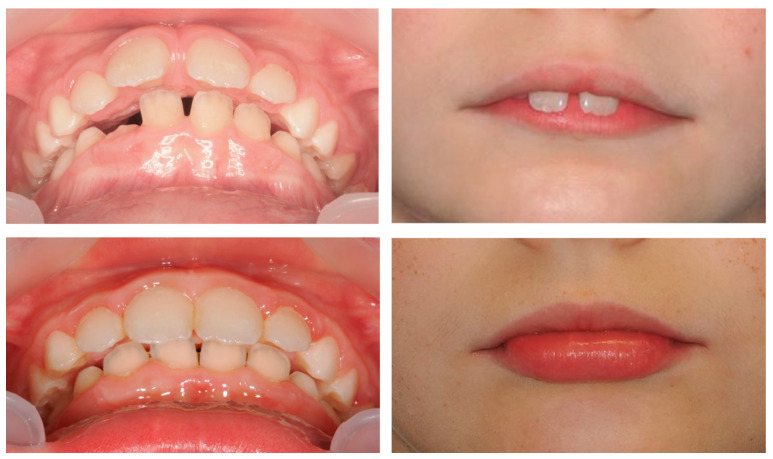 Figure 10
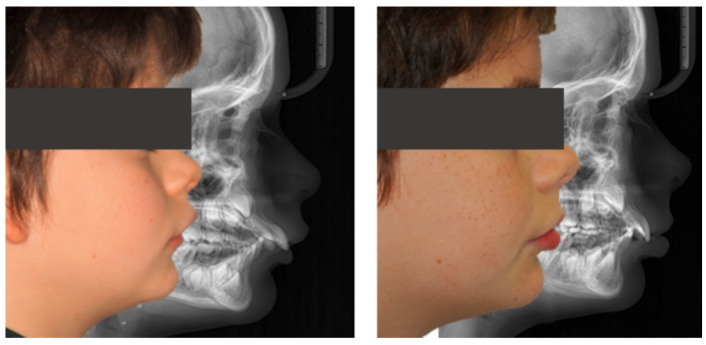 Figure 11
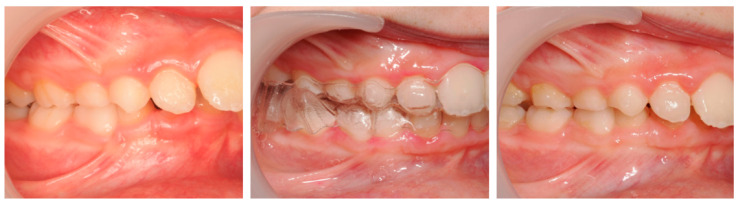 Figure 12
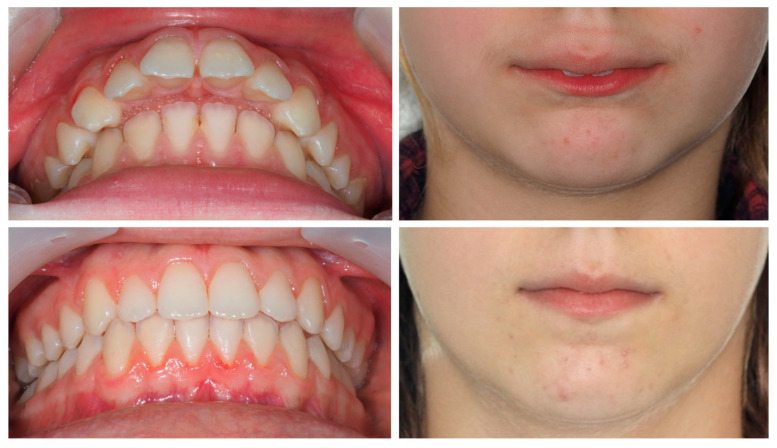 Figure 13
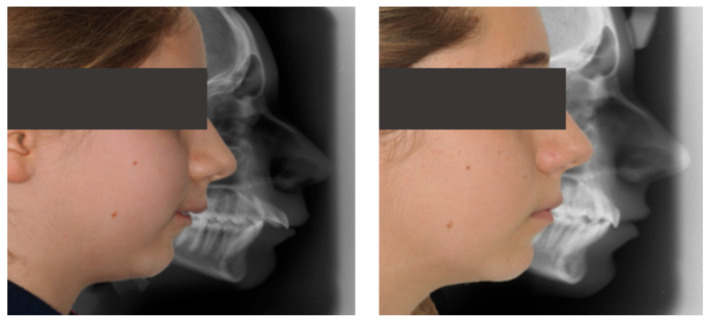 Figure 14
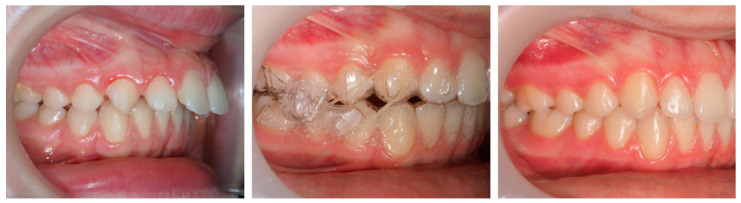 Figure 15
Peer Reviews
No public reviews on file for this paper yet. If you reviewed it on a platform where reviews are public (OpenReview, ICLR, NeurIPS, ICML), you can paste yours below so the community can read it here.
Videos
No videos yet. Explain this paper in a talk, walkthrough, or lecture? Add one.
Taxonomy
TopicsOrthodontics and Dentofacial Orthopedics · Temporomandibular Joint Disorders · Facial Trauma and Fracture Management