Differential distribution of minerals in the proboscis hooks of Corynosoma pseudohamanni Zdzitowiecki, 1984 (Acanthocephala: Polymorphidae) juveniles from Notothenia coriiceps Richardson off Argentine Islands, West Antarctica
M. E. Caracciolo, O. M. Amin, C. Wendt, N. YU. Rubtsova, W De Souza

TL;DR
This study examines the mineral composition of hooks in a specific parasitic worm found in Antarctic fish, revealing differences in elemental distribution that may aid in species identification.
Contribution
The paper introduces the first elemental analysis of proboscis hooks in Corynosoma pseudohamanni juveniles using EDXA, revealing differential mineral distribution.
Findings
Calcium was most prevalent in hook roots and centers, while sulfur was highest at hook tips.
Phosphorus levels were consistent but lower than calcium, with sulfur negligible in roots.
The elemental distribution pattern is proposed to have taxonomic and biological significance.
Abstract
Corynosoma pseudohamanni Zdzitowiecki, 1984 (Polymorphidae) was described from the intestinal tract of 5 species of seals, including the type and primary host, the Weddell seal Leptonycotes weddellii (Lesson) in the South Shetlands, West Antarctica. Notothenia coriiceps Richardson was the primary paratenic host of 14 fish hosts reported in the original description. We redescribed excysted juveniles from the body cavity of N. coriiceps collected off Galindez Island, Argentine Islands, and included its molecular analysis, SEM images, and Energy Dispersive X-ray Analysis (EDXA) for the first time. The identity and distribution of mineral elements in the center and edge of anterior, middle, and posterior proboscis hooks establish their taxonomic relevance. Samples were dehydrated through an ascending ethanol series and then critical point dried, mounted on stubs and coated with carbon with…
Genes, proteins, chemicals, diseases, species, mutations and cell lines named across the full text — each resolved to its canonical identifier and authoritative record.
Click any figure to enlarge with its caption.
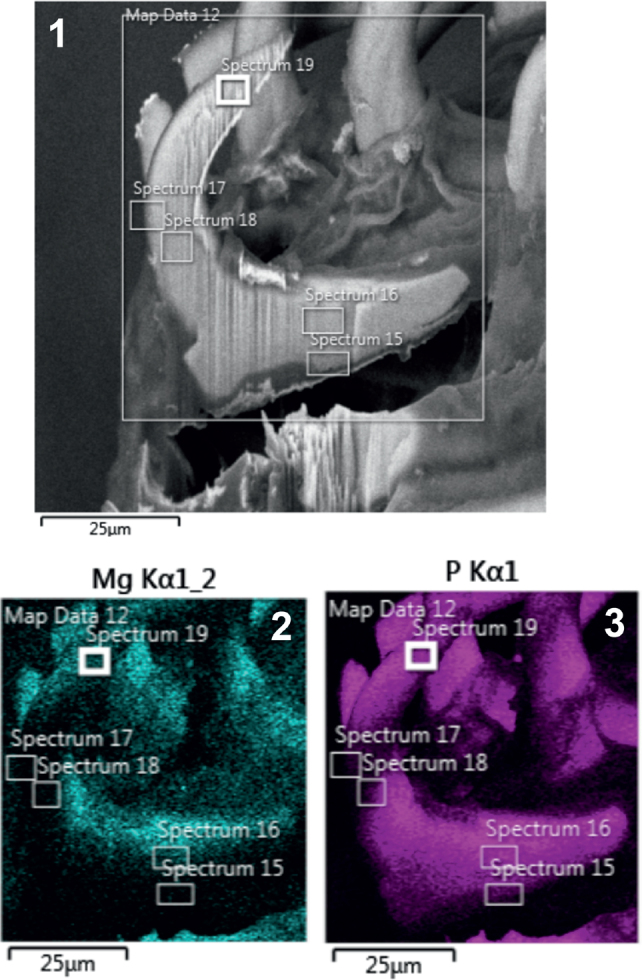 Figure 1
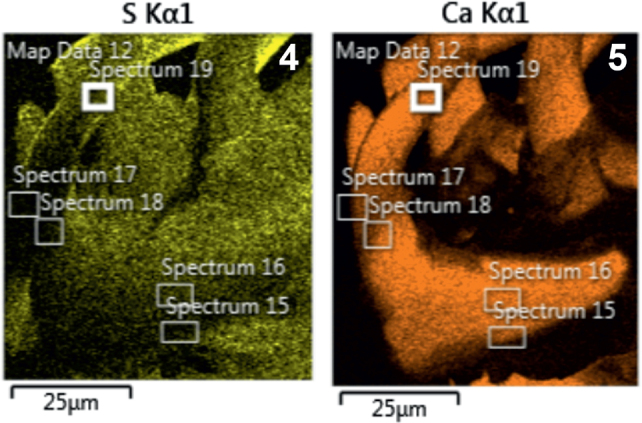 Figure 2
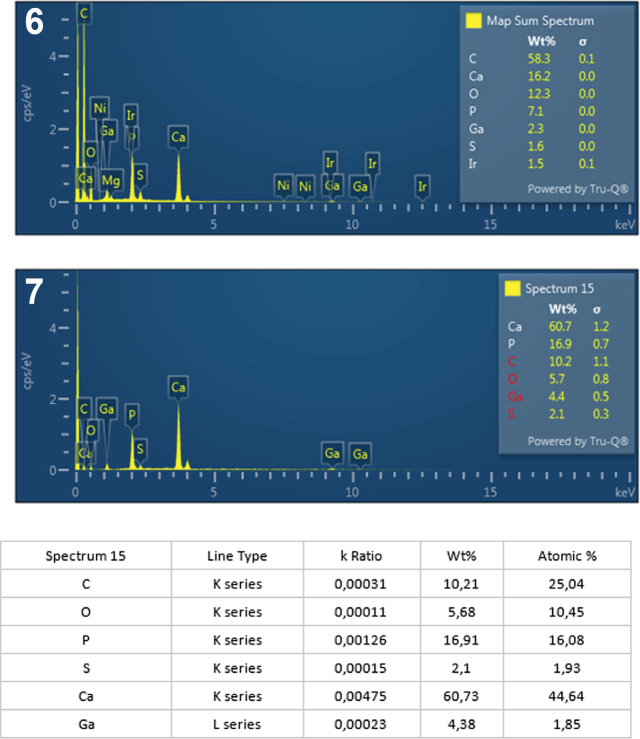 Figure 3
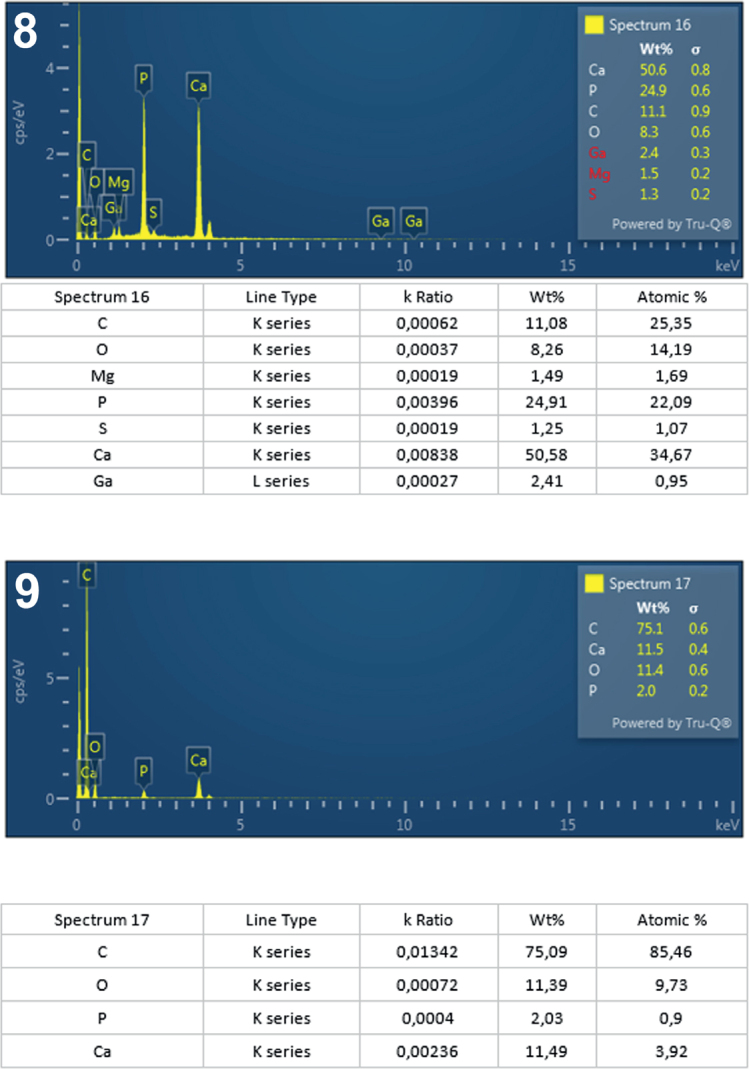 Figure 4
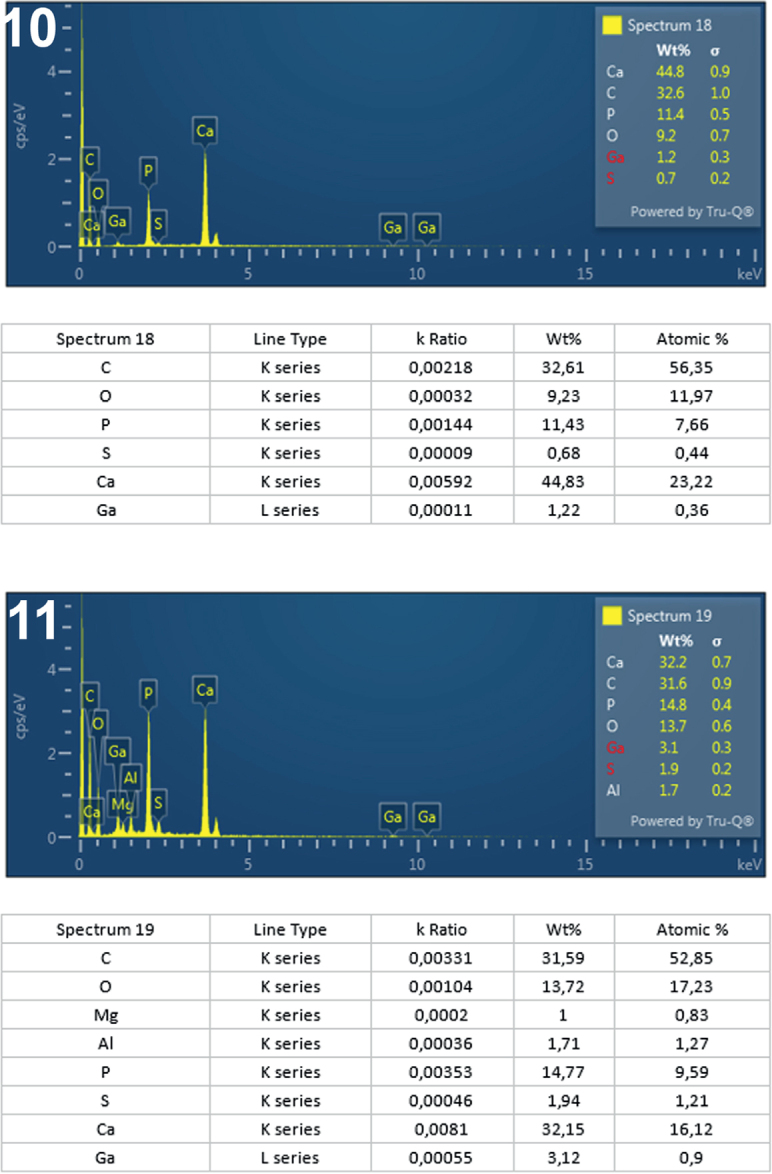 Figure 5
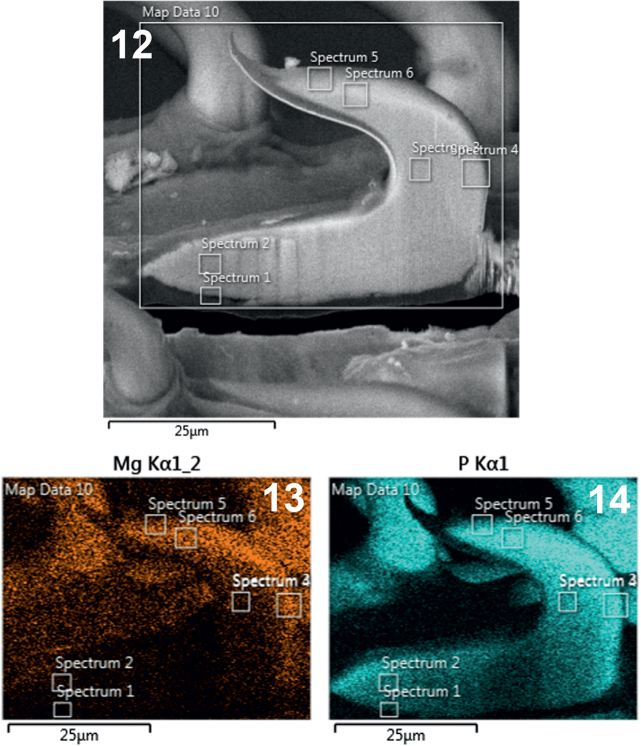 Figure 6
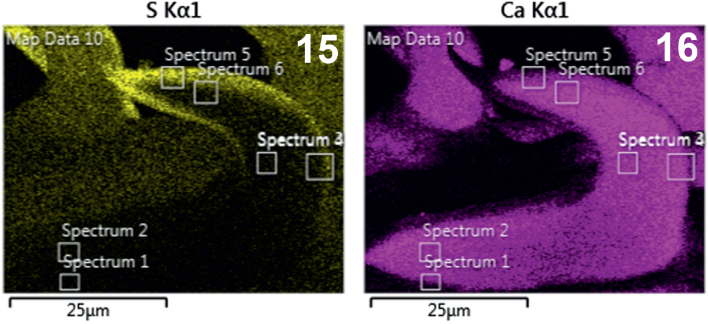 Figure 7
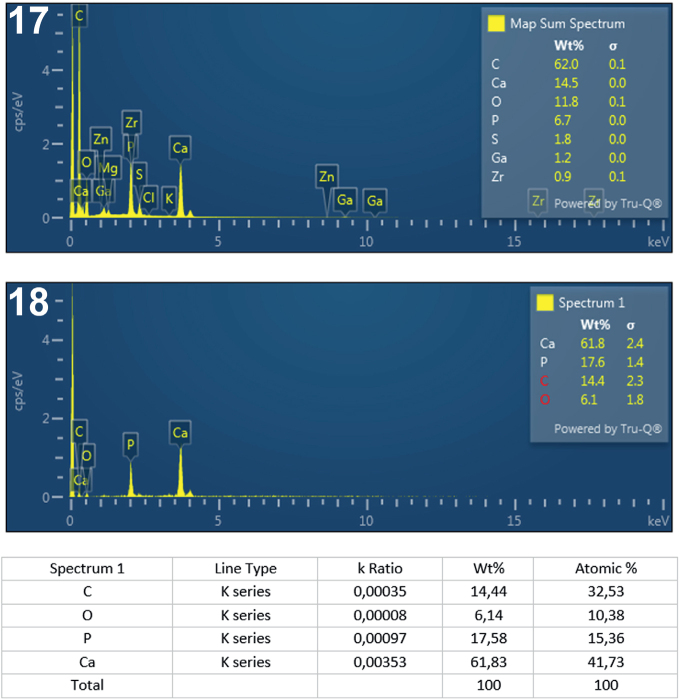 Figure 8
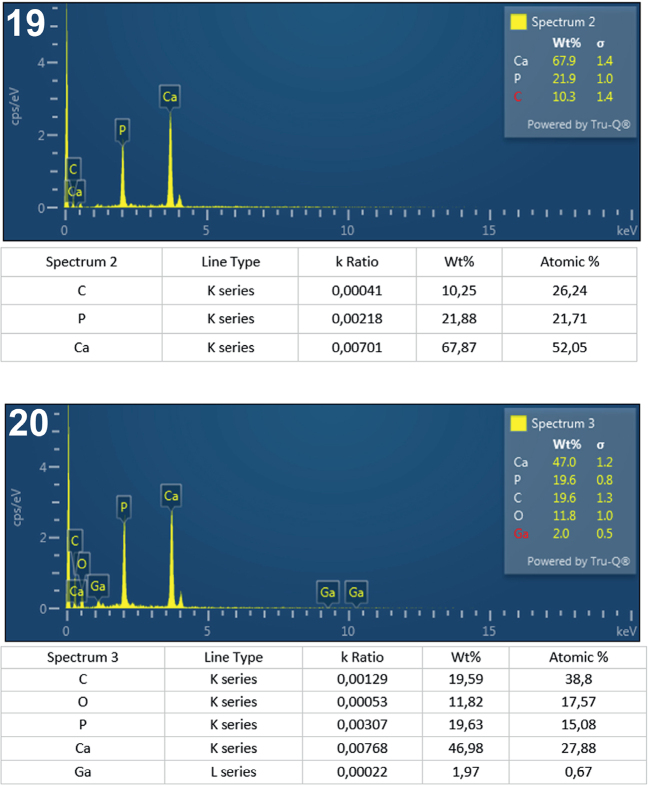 Figure 9
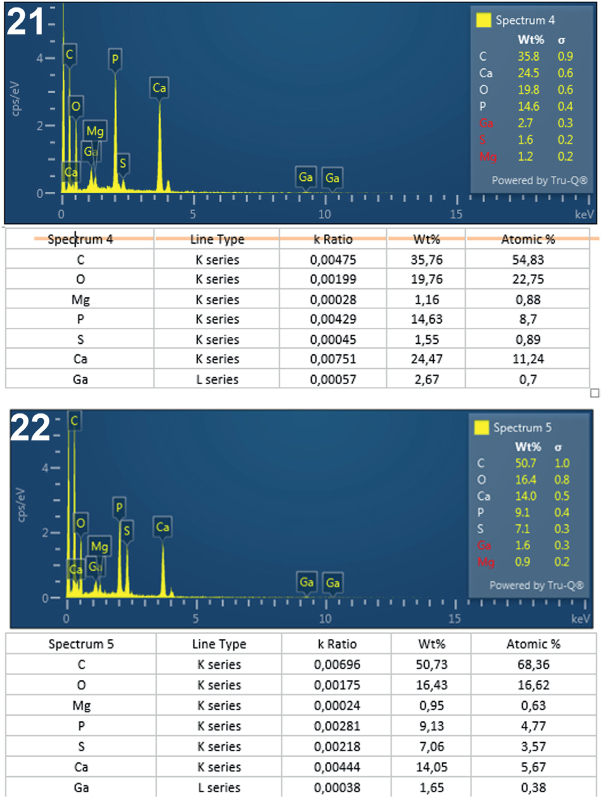 Figure 10
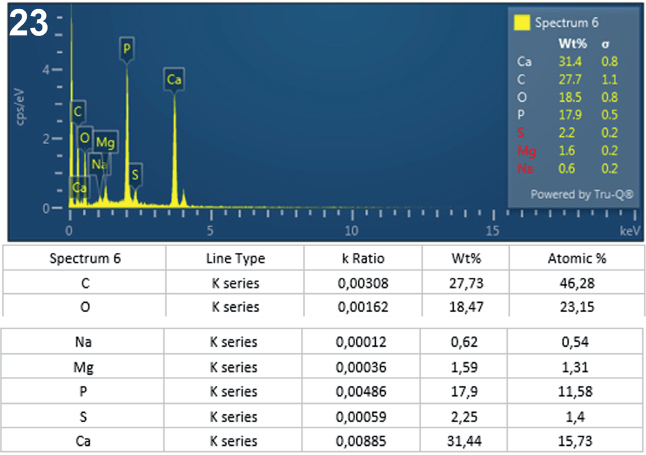 Figure 11
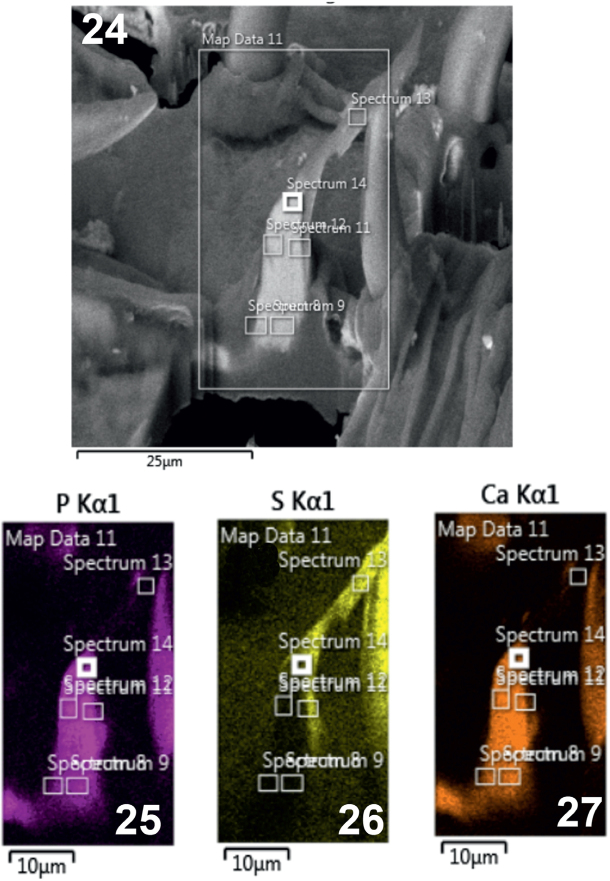 Figure 12
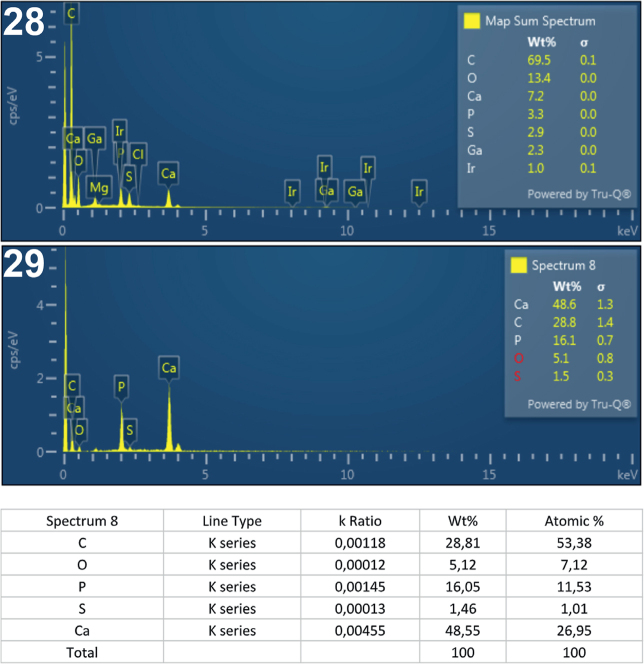 Figure 13
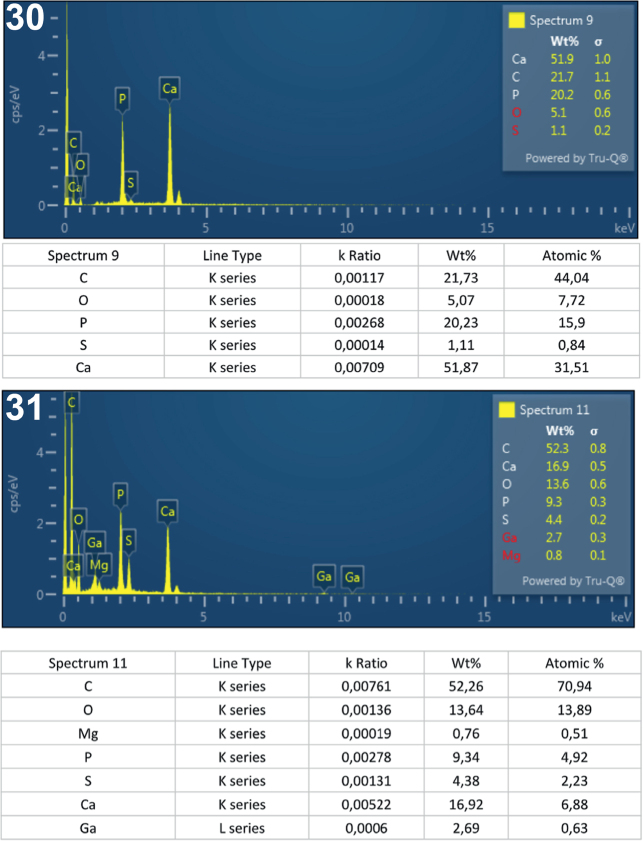 Figure 14
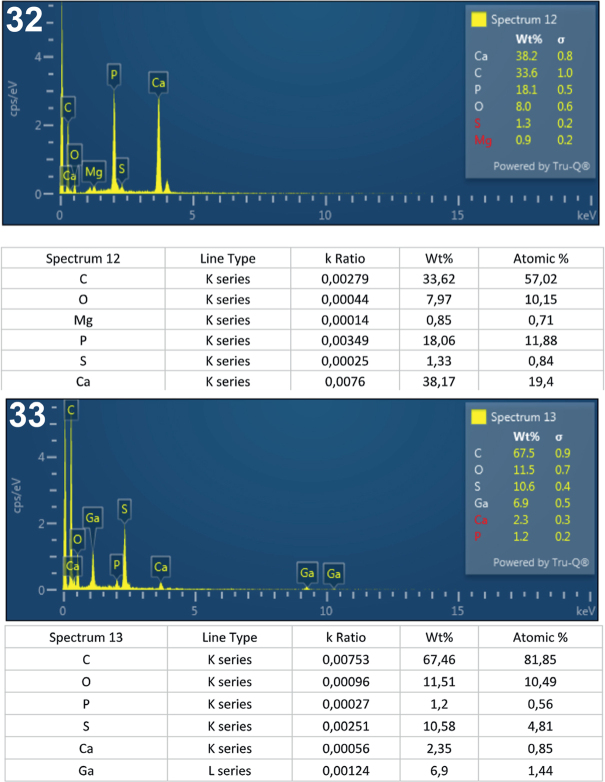 Figure 15
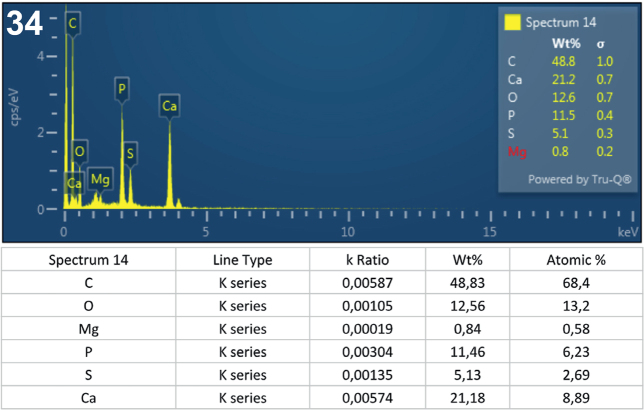 Figure 16
Peer Reviews
No public reviews on file for this paper yet. If you reviewed it on a platform where reviews are public (OpenReview, ICLR, NeurIPS, ICML), you can paste yours below so the community can read it here.
Videos
No videos yet. Explain this paper in a talk, walkthrough, or lecture? Add one.
Taxonomy
TopicsParasite Biology and Host Interactions · Parasites and Host Interactions · Parasitic Infections and Diagnostics