Epidemiology, morphometry, and phylogenetic analysis of Haemonchus contortus in small ruminants of Malakand division, Pakistan
M. I. Khan, W. Khan, A. Akbar, A. Ullah, A. Ali, A. U. Khan, P. R. De Los Ríos-Escalante

TL;DR
This study examines Haemonchus contortus infections in goats and sheep in Pakistan, finding key risk factors and genetic relationships with other regions.
Contribution
The study identifies new haplotypes and genetic relationships of Haemonchus contortus in Pakistan using Cox-1 gene analysis.
Findings
Haemonchus contortus prevalence was 25.17% in small ruminants, with higher rates in poor health, older, and untreated animals.
Morphometric analysis showed Haemonchus eggs averaged 80.98 μm in length and 45.04 μm in width.
Phylogenetic analysis revealed close genetic ties between Malakand isolates and those from Bangladesh, Pakistan, and Iran.
Abstract
Haemonchus contortus is a hematophagous nematode causing substantial economic losses to the livestock industry worldwide. This study aimed to investigate epidemiological determinants, morphometrics, and phylogenetic relationships of Haemonchus in small ruminants (goats and sheep) of Malakand division, Pakistan. Fecal samples (n=878) were randomly collected across four seasons (January to December, 2024) from six districts of the Malakand division to evaluate the prevalence and risk factors. Abomasa from 100 small ruminants were collected for morphometric and phylogenetic studies. Morphological identification was followed by DNA extraction from the adult worms and subsequent PCR amplification of the Cox-1 genetic marker. The overall prevalence of Haemonchus was 25.17 % (221/878), with significantly higher infection rates in small ruminants with poor health 36.19 % (38/105, P= 0.0003),…
Genes, proteins, chemicals, diseases, species, mutations and cell lines named across the full text — each resolved to its canonical identifier and authoritative record.
Click any figure to enlarge with its caption.
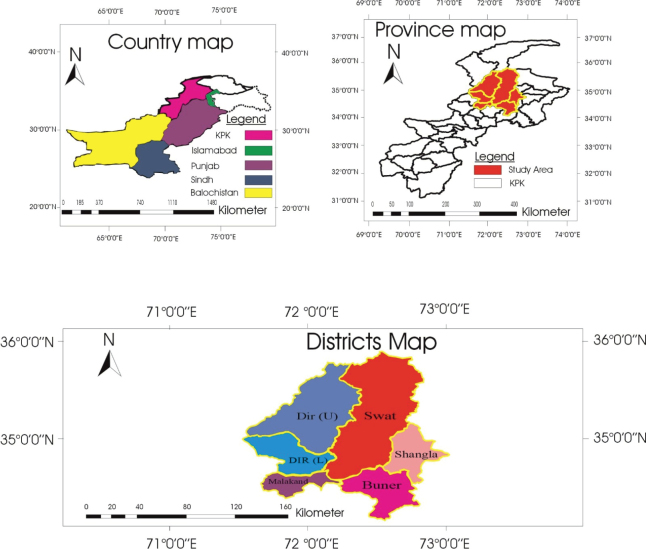 Figure 1
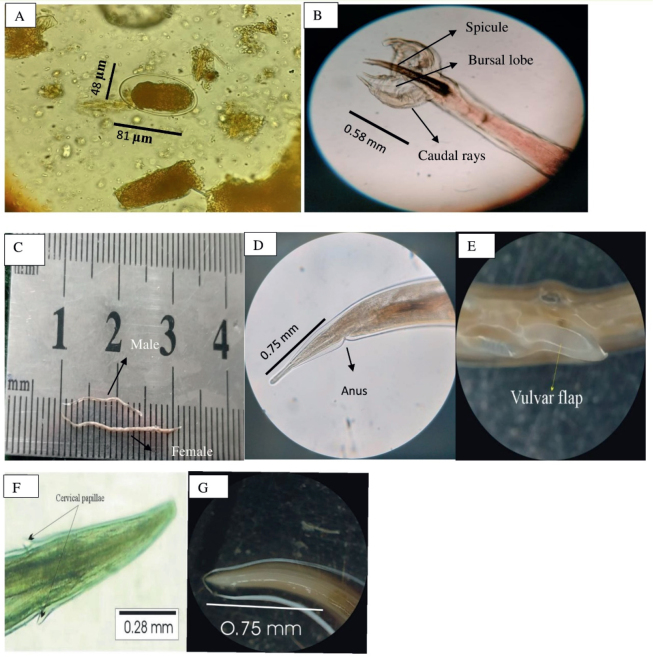 Figure 2
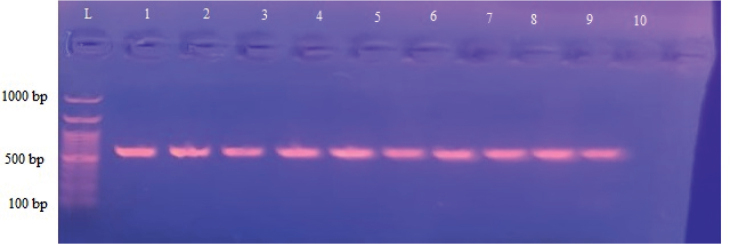 Figure 3
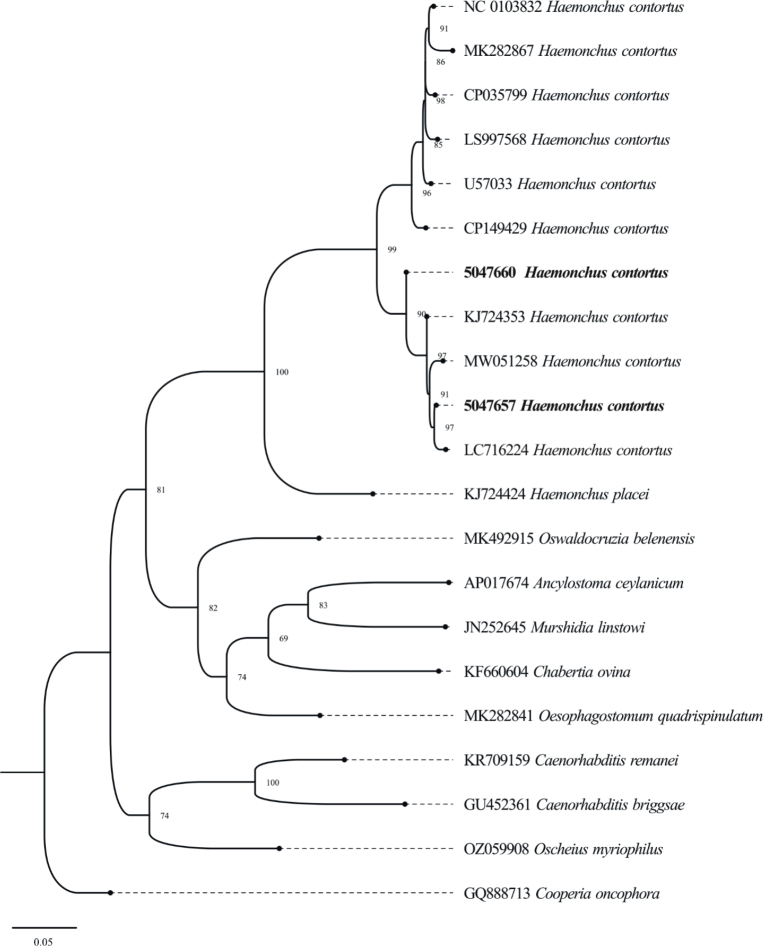 Figure 4
Peer Reviews
No public reviews on file for this paper yet. If you reviewed it on a platform where reviews are public (OpenReview, ICLR, NeurIPS, ICML), you can paste yours below so the community can read it here.
Videos
No videos yet. Explain this paper in a talk, walkthrough, or lecture? Add one.
Taxonomy
TopicsHelminth infection and control · Parasites and Host Interactions · Parasitic Diseases Research and Treatment