Peptides from ‘Vaina Morada’ Black Bean Inhibit α-Amylase and α-Glucosidase: A Combined In Silico–In Vitro Study
Filiberto Ramirez-Lozano, Jonhatan Contreras, Arturo Alfaro-Diaz, Diego Armando Luna-Vital, Anne C. Gschaedler Mathis, Judith Esmeralda Urías-Silvas, Luis Mojica

TL;DR
This study shows that peptides from 'vaina morada' black beans can inhibit enzymes linked to diabetes, suggesting their potential use in functional foods.
Contribution
The study identifies specific bioactive peptides from black beans with strong enzyme inhibition and antioxidant properties.
Findings
Peptides from black bean hydrolysates inhibited α-amylase and α-glucosidase with IC50 values of 0.78 mg/mL and 0.60 mg/mL, respectively.
Sequence VNDNGEPTL showed strong binding affinities of −10.0 kcal/mol and −11.8 kcal/mol for α-amylase and α-glucosidase, respectively.
Dialyzed hydrolysates had the highest antioxidant activity with an IC25 of 38.83 µM TE/mg for DPPH.
Abstract
The objective of this work was to evaluate the antidiabetes potential of protein hydrolysates derived from “vaina morada” black bean (Phaseolus vulgaris L.). Bioactive peptide sequences were identified after in silico digestion. The biological activities and molecular interactions of peptides with targeted enzymes were assayed. The degree of hydrolysis and protein profile were evaluated throughout the processing stages, including protein extraction, hydrolysis, and dialysis. Biological potential assays, including antioxidant potential (DPPH and ABTS•+), and inhibition of α-amylase and α-glucosidase enzymes, were performed. Identified bioactive peptides showed potential for inhibiting ACE and DPP-IV, as well as exhibiting antioxidant potential. Molecular docking indicated that several peptide sequences showed equal or stronger binding affinities compared to acarbose. Notably, sequence…
Genes, proteins, chemicals, diseases, species, mutations and cell lines named across the full text — each resolved to its canonical identifier and authoritative record.
Click any figure to enlarge with its caption.
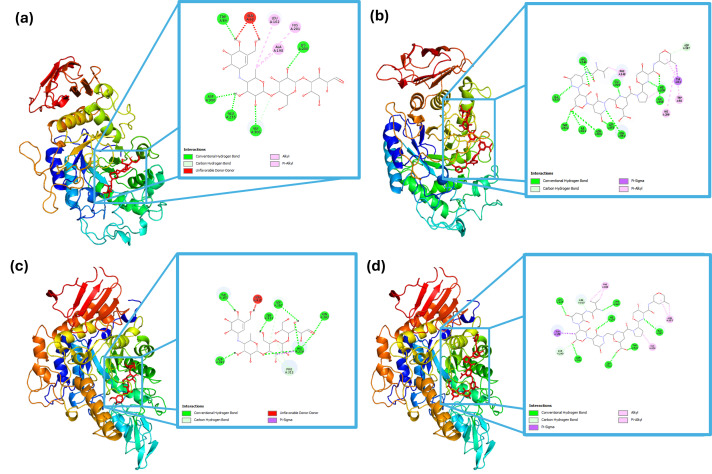 Figure 1
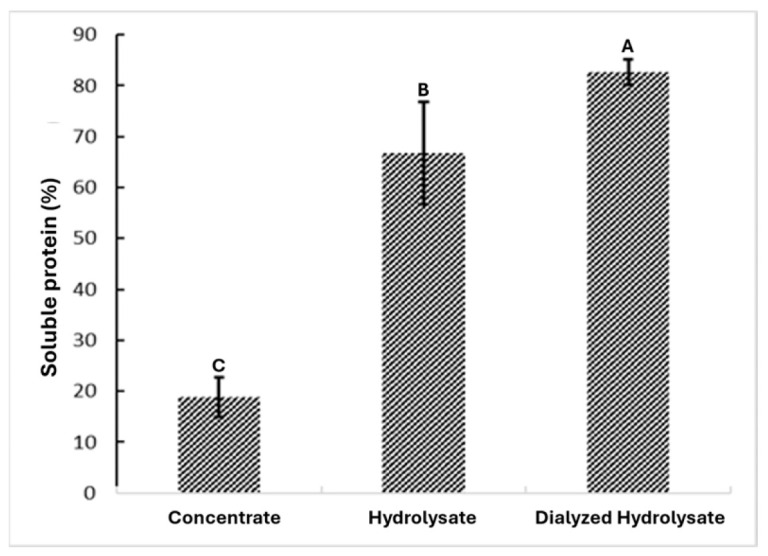 Figure 2
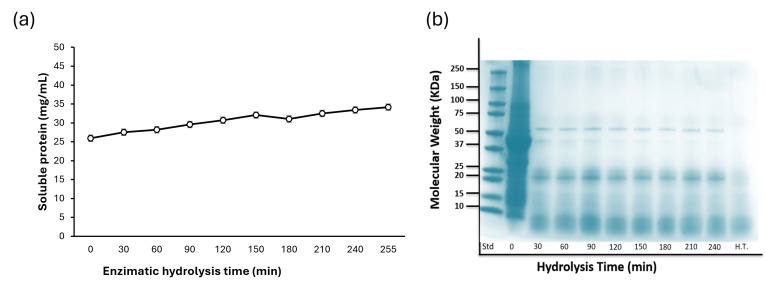 Figure 3
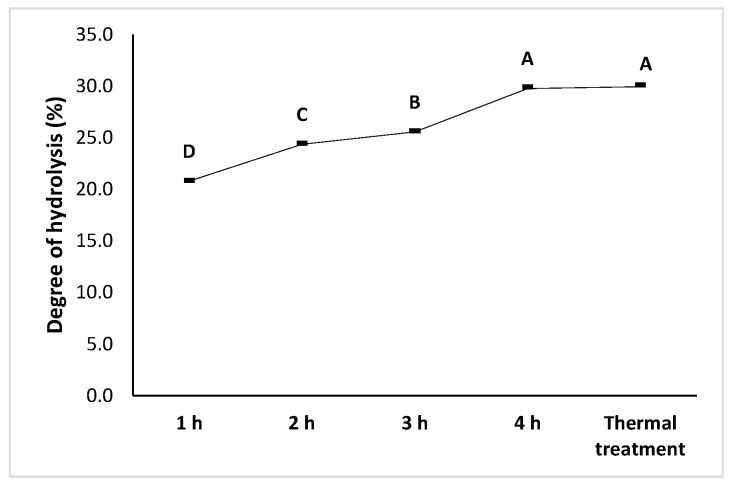 Figure 4
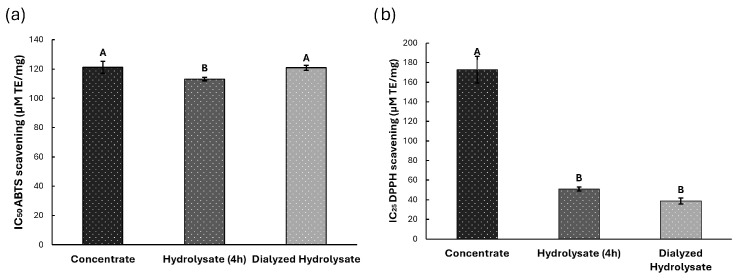 Figure 5
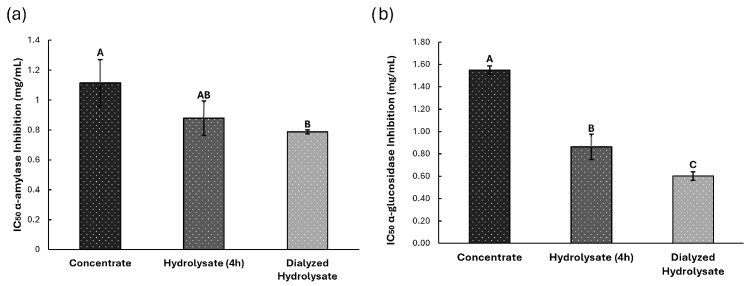 Figure 6
Peer Reviews
No public reviews on file for this paper yet. If you reviewed it on a platform where reviews are public (OpenReview, ICLR, NeurIPS, ICML), you can paste yours below so the community can read it here.
Videos
No videos yet. Explain this paper in a talk, walkthrough, or lecture? Add one.
Taxonomy
TopicsProtein Hydrolysis and Bioactive Peptides · Enzyme Production and Characterization · Bee Products Chemical Analysis