Positivity-Preserving Hybridizable Discontinuous Galerkin Scheme for Solving PNP Model
Diana Morales, Zhiliang Xu

TL;DR
This paper introduces a new numerical method for solving equations that model charged particle transport while ensuring physical accuracy.
Contribution
A positivity-preserving HDG scheme for PNP equations with energy stability and mass conservation proofs is proposed.
Findings
The HDG scheme ensures positivity of charged particle densities using a log-density formulation.
The proposed method is proven to be energy stable and mass conserving.
Numerical simulations confirm the accuracy of the scheme in one and two spatial dimensions.
Abstract
We introduce a hybridizable discontinuous Galerkin (HDG) scheme for solving the Poisson–Nernst–Planck (PNP) equations. The log-density formulation as introduced by Metti et al. in their paper “Energetically stable discretizations for charge transport and electrokinetic models. J. Comput. Phys. 2016, 306, 1-18” is utilized to ensure the positivity of the densities of the charged particles. We further prove that our fully discrete scheme is energy stable and mass conserving. Numerical simulations are provided to demonstrate the accuracy of the scheme in one and two spatial dimensions. A derivation of an HDG-DG space–time scheme is given, with implementation and convergence analysis left to future work.
Genes, proteins, chemicals, diseases, species, mutations and cell lines named across the full text — each resolved to its canonical identifier and authoritative record.
Click any figure to enlarge with its caption.
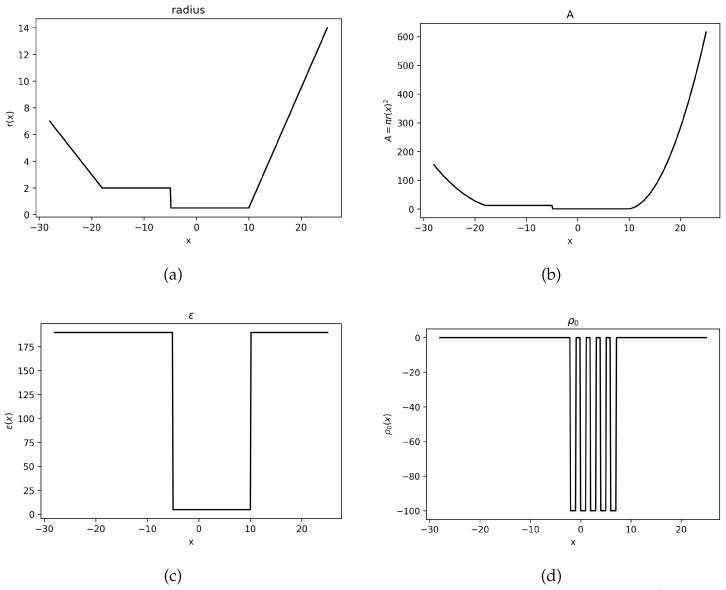 Figure 1
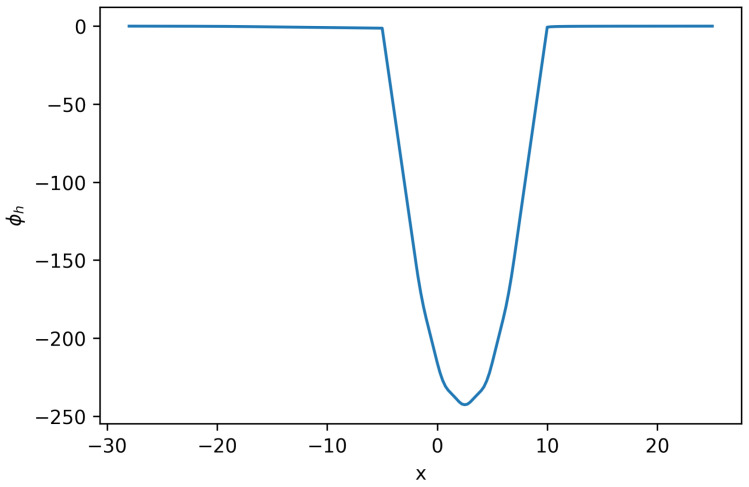 Figure 2
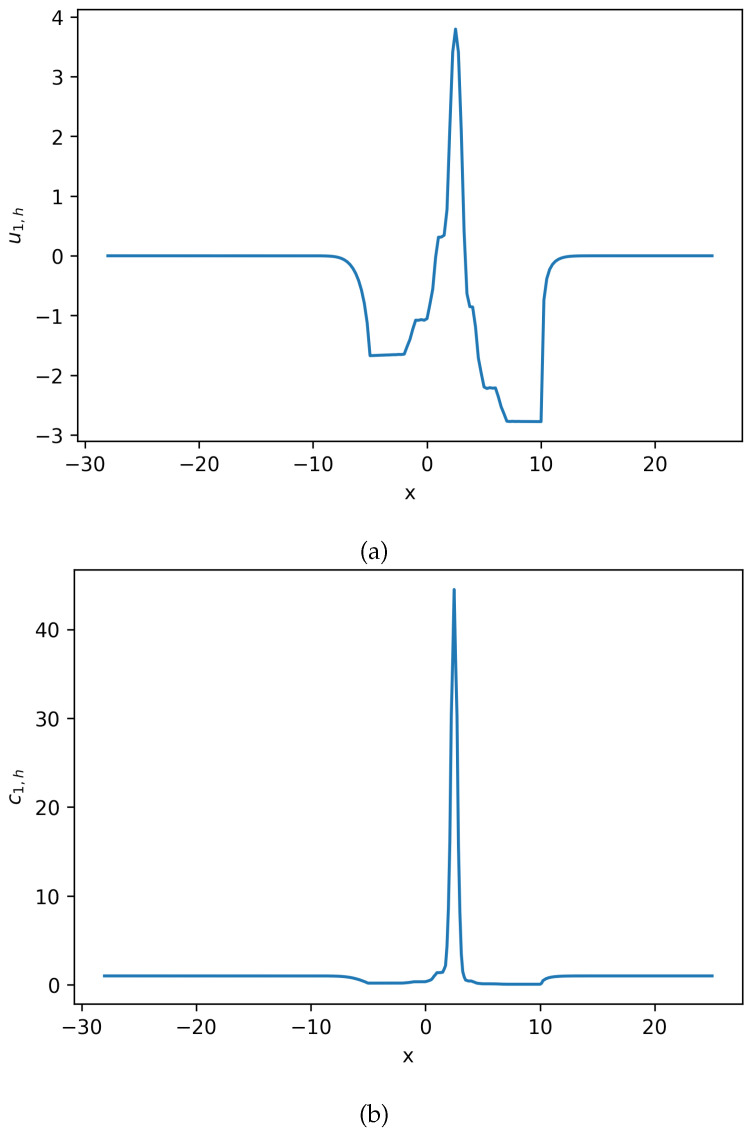 Figure 3
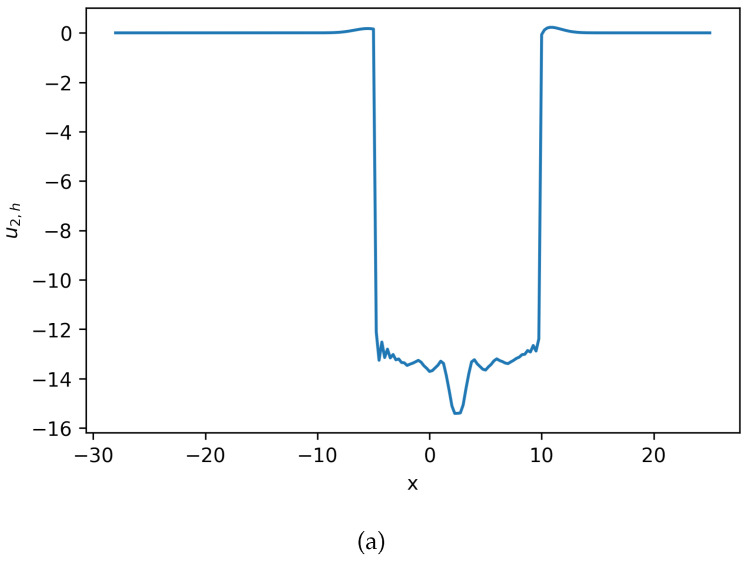 Figure 4
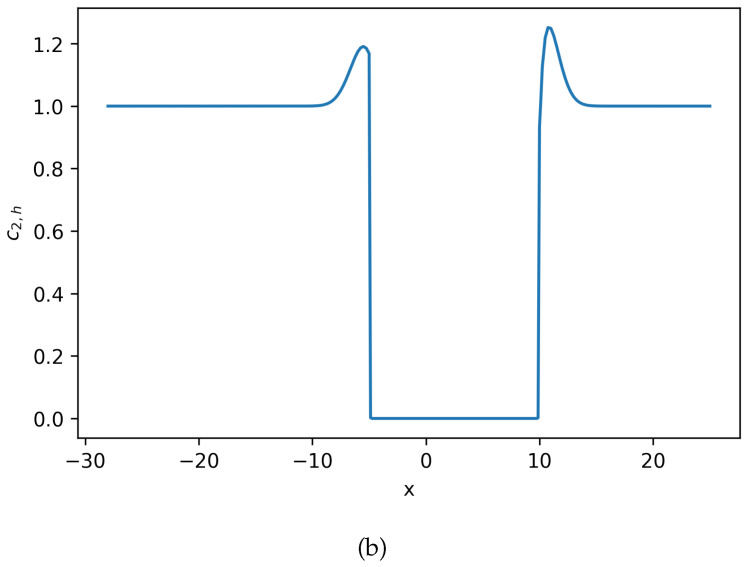 Figure 5
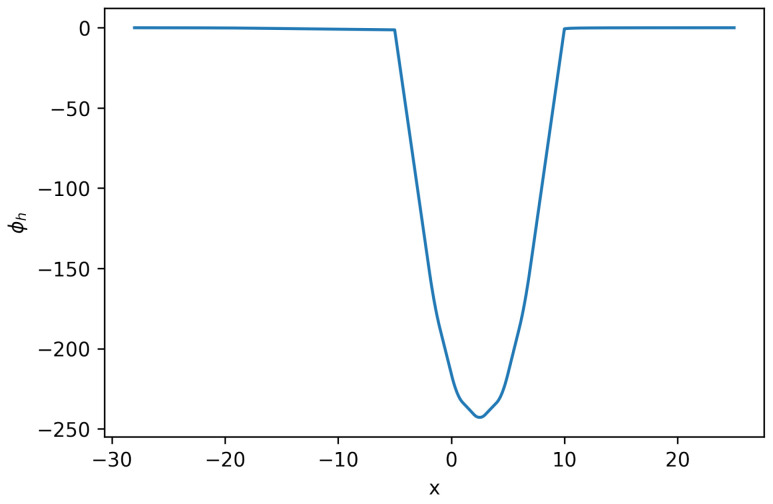 Figure 6
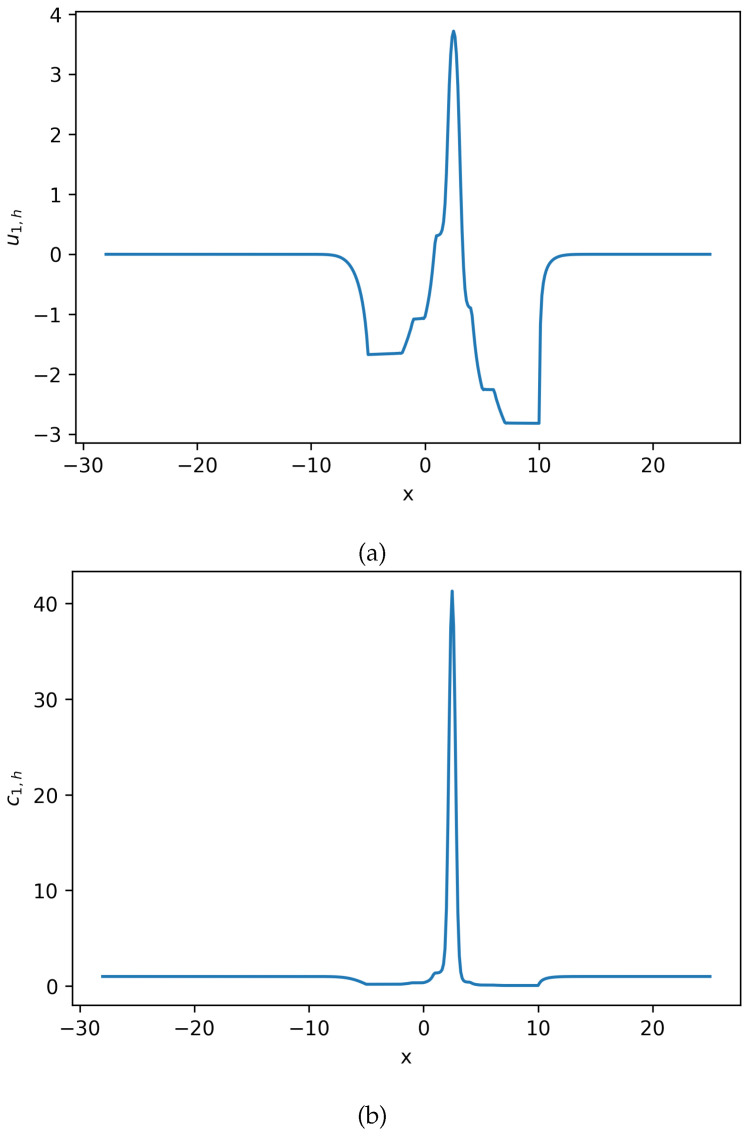 Figure 7
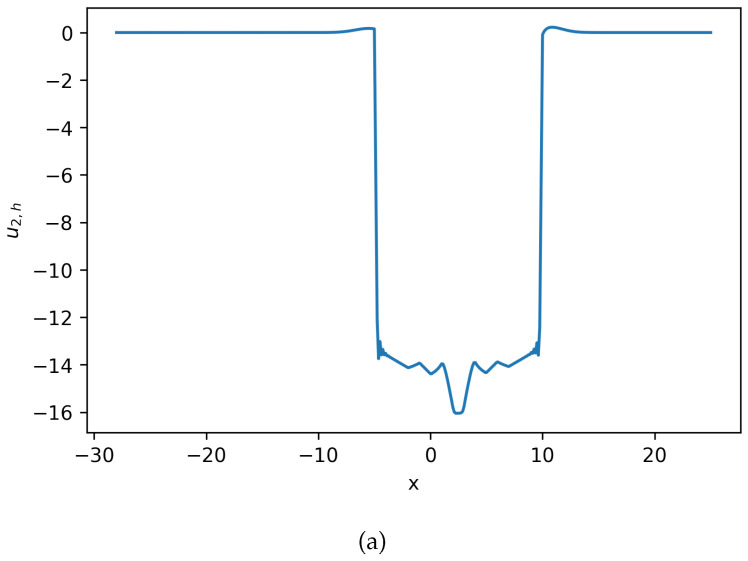 Figure 8
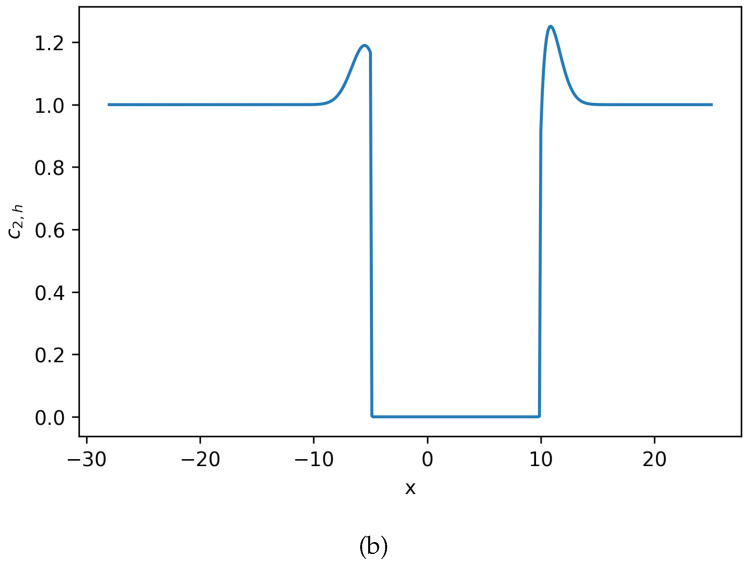 Figure 9
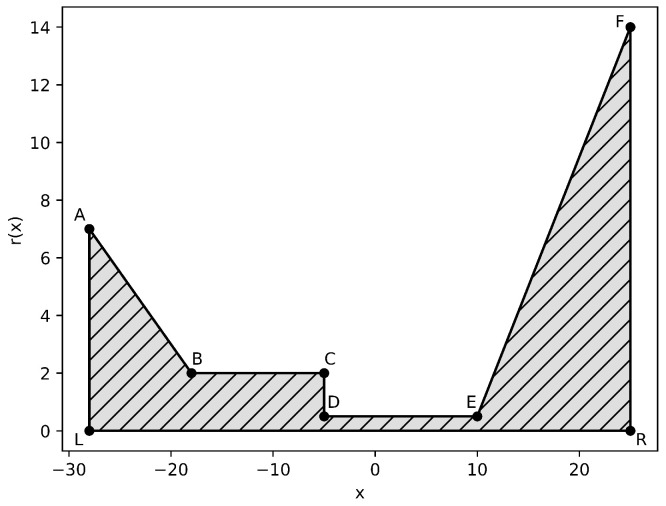 Figure 10
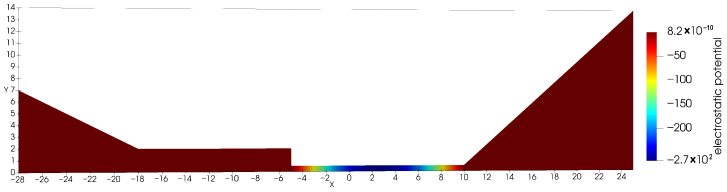 Figure 11
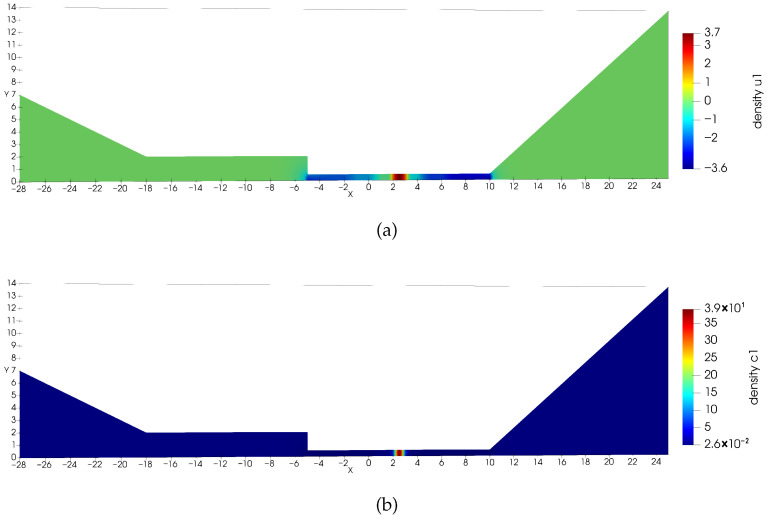 Figure 12
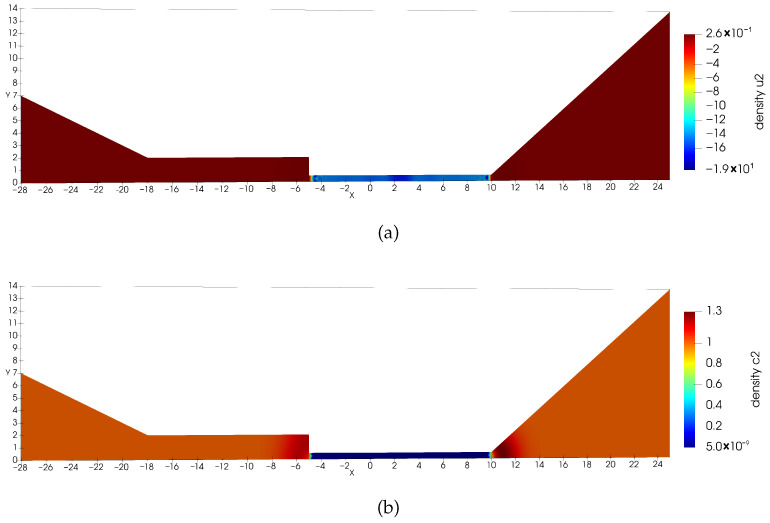 Figure 13
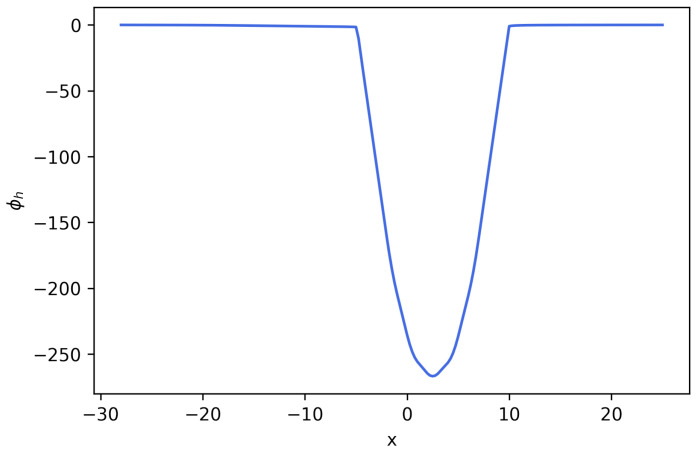 Figure 14
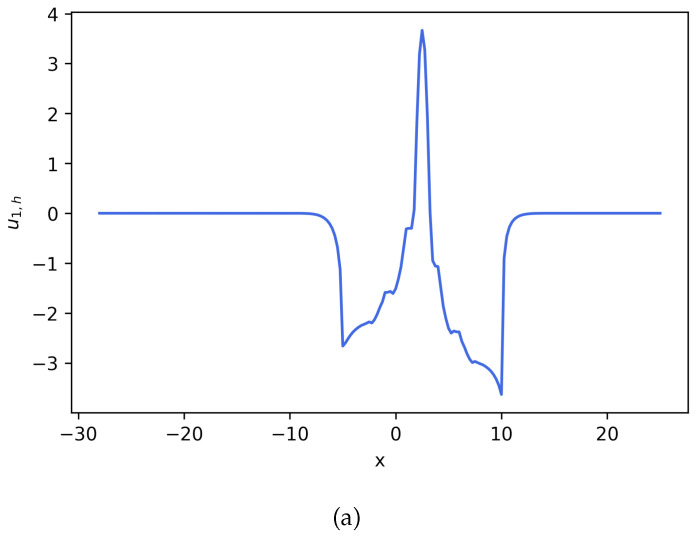 Figure 15
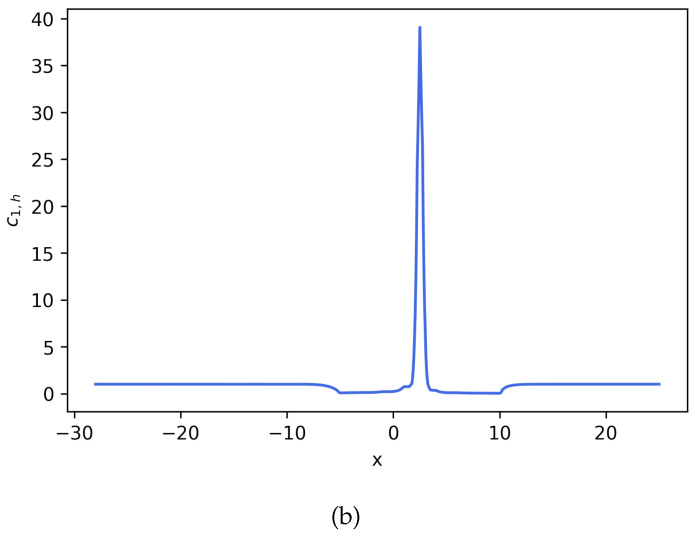 Figure 16
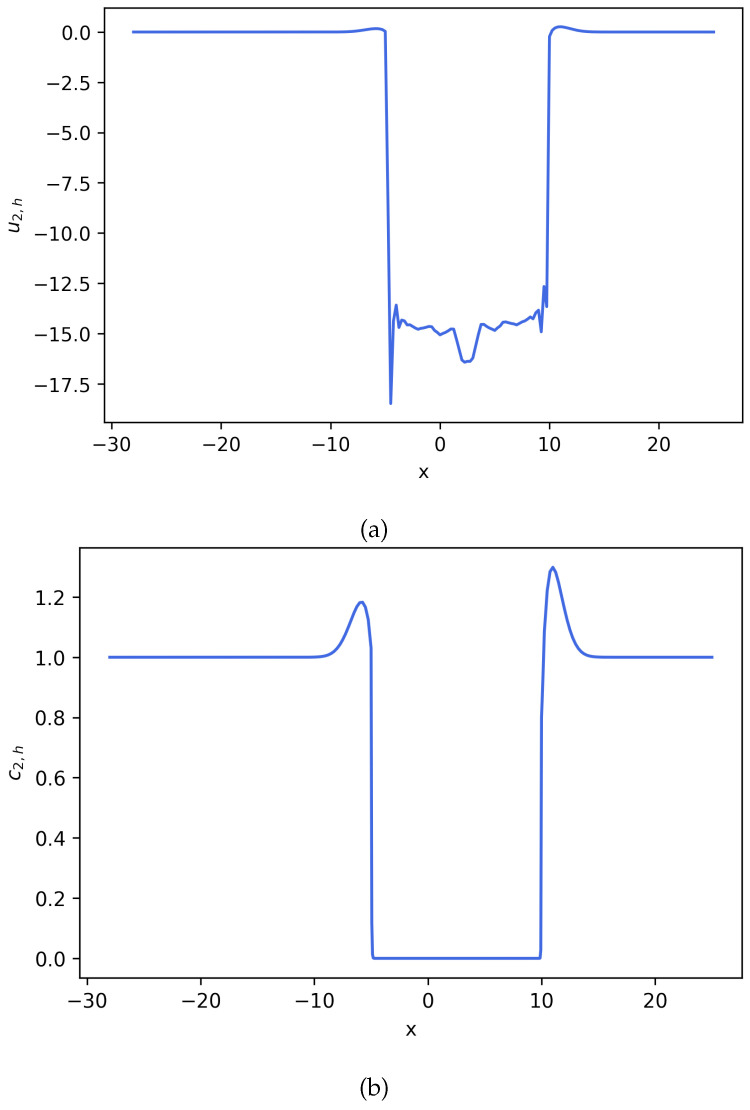 Figure 17
 Figure 18
Peer Reviews
No public reviews on file for this paper yet. If you reviewed it on a platform where reviews are public (OpenReview, ICLR, NeurIPS, ICML), you can paste yours below so the community can read it here.
Videos
No videos yet. Explain this paper in a talk, walkthrough, or lecture? Add one.
Taxonomy
TopicsProtein Structure and Dynamics · Nanopore and Nanochannel Transport Studies · Cardiac electrophysiology and arrhythmias