An Explainable Ensemble and Deep Learning Framework for Accurate and Interpretable Parkinson’s Disease Detection from Voice Biomarkers
Suliman Aladhadh

TL;DR
This paper introduces an AI framework that accurately detects Parkinson’s disease from voice biomarkers while providing clear explanations for its predictions.
Contribution
The novel contribution is a unified and explainable AI framework combining ensemble and deep learning models for Parkinson’s detection with transparent interpretability.
Findings
LightGBM and Random Forest achieved state-of-the-art accuracy (98.01%) and ROC-AUC (0.9914) for Parkinson’s detection.
Nonlinear acoustic biomarkers like spread2, PPE, and RPDE were identified as the most influential predictors.
Deep learning models like CNN and GAN showed competitive performance in capturing voice patterns related to Parkinson’s disease.
Abstract
Background: Parkinson’s disease (PD) is a degenerative neurological disorder that greatly affects motor and speech functions; therefore, early diagnosis is vital for improving patients’ quality of life. This work introduces a unified and explainable AI framework for PD detection that integrates ensemble and deep learning models with transparent interpretability techniques. Methods: Acoustic features were extracted from the Parkinson’s Voice Disorder Dataset, and a broad suite of machine learning and deep learning models was evaluated, including traditional classifiers (Logistic Regression, Decision Tree, KNN, Linear Regression, SVM), ensemble methods (Random Forest, Gradient Boosting, XGBoost, LightGBM), and neural architectures (CNN, LSTM, GAN). Results: The ensemble methods—specifically LightGBM (LGBM) and Random Forest (RF)—achieved the best performance, reaching state-of-the-art…
Genes, proteins, chemicals, diseases, species, mutations and cell lines named across the full text — each resolved to its canonical identifier and authoritative record.
Click any figure to enlarge with its caption.
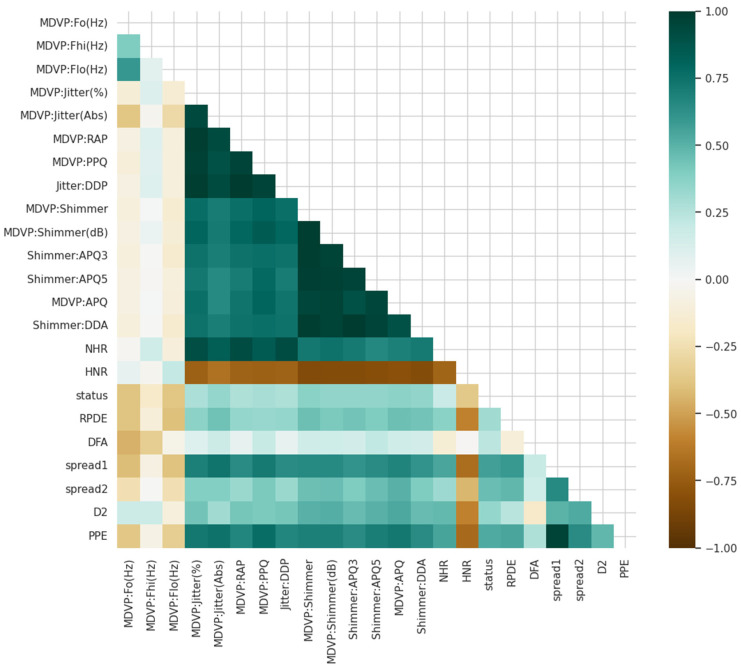 Figure 1
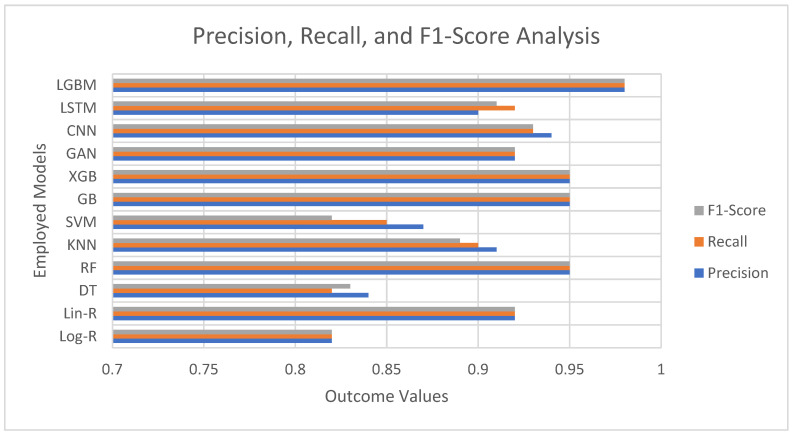 Figure 2
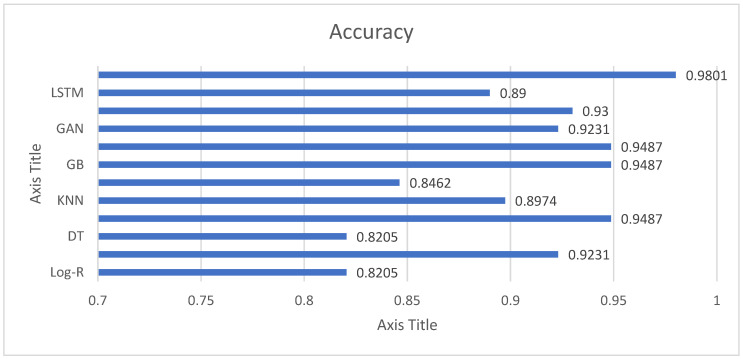 Figure 3
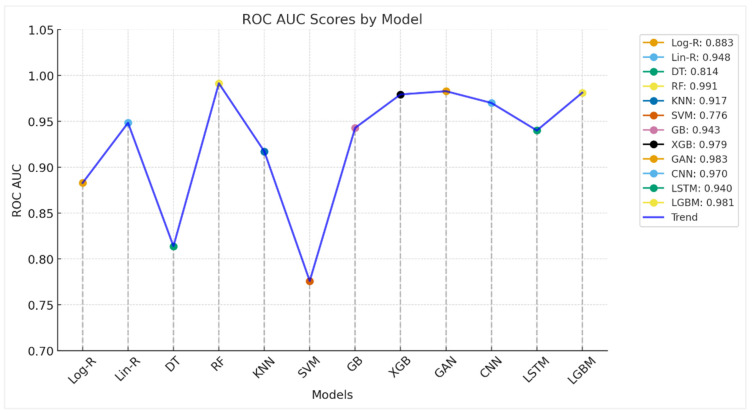 Figure 4
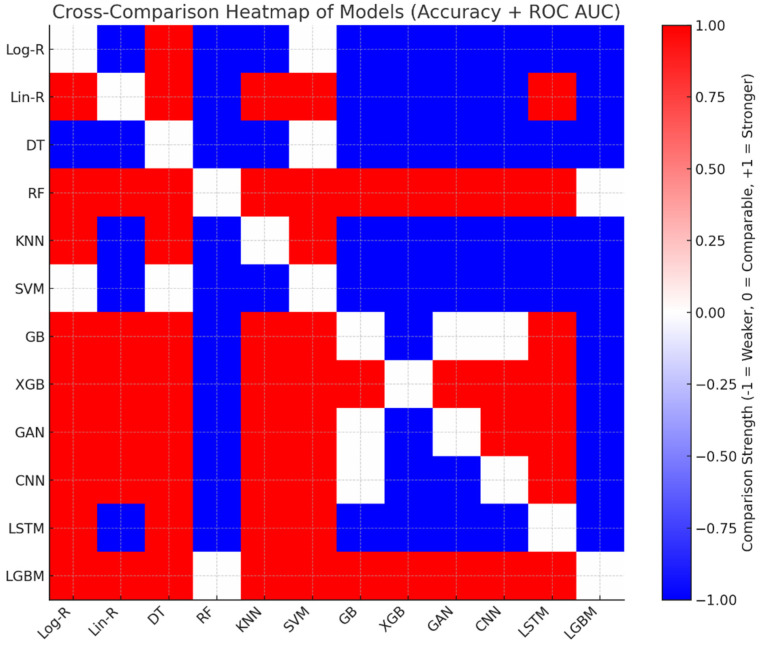 Figure 5
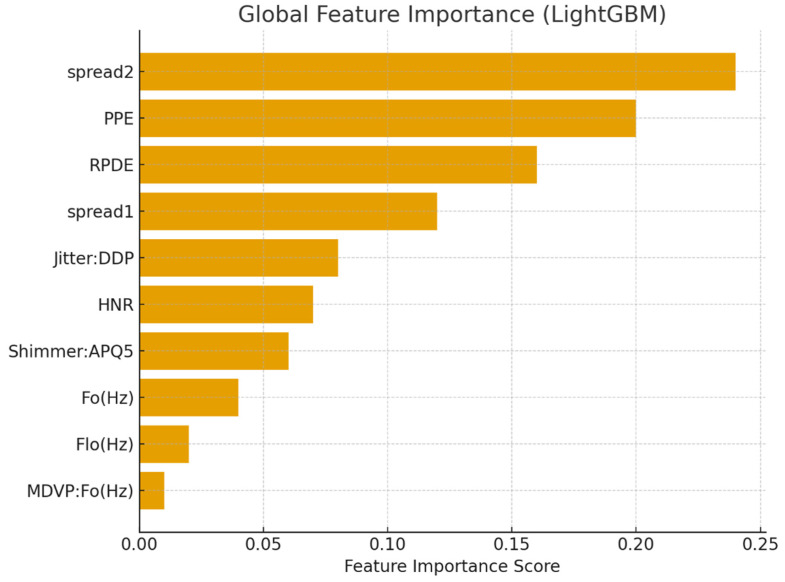 Figure 6
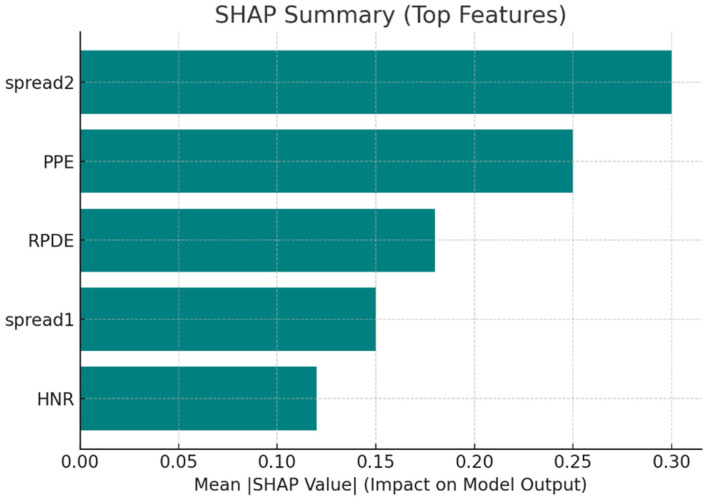 Figure 7
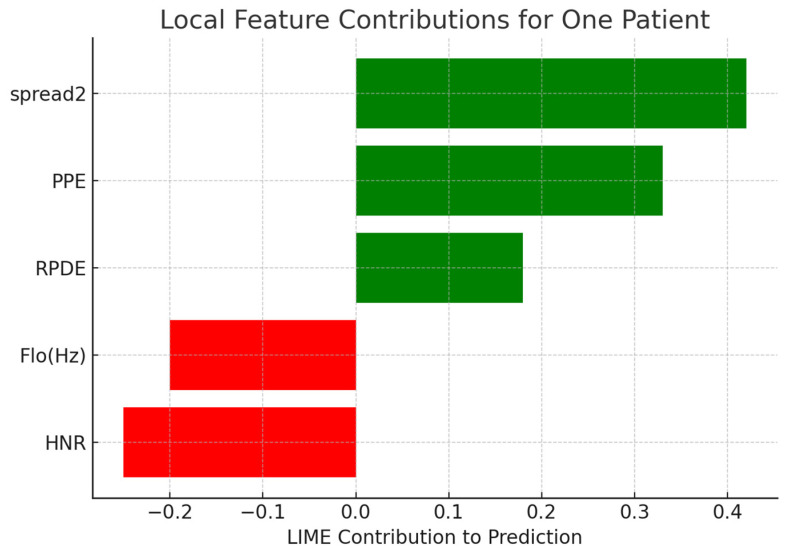 Figure 8
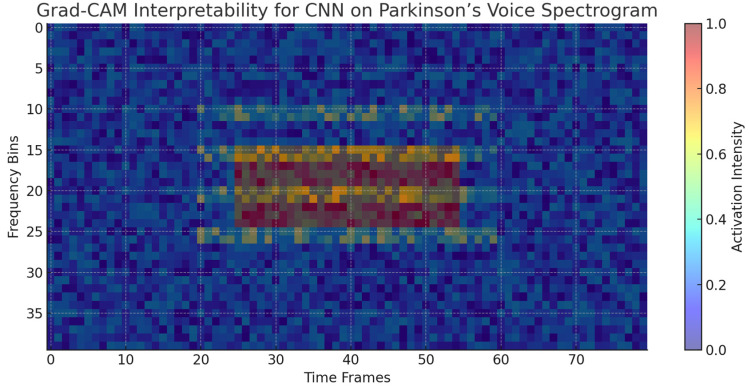 Figure 9
Peer Reviews
No public reviews on file for this paper yet. If you reviewed it on a platform where reviews are public (OpenReview, ICLR, NeurIPS, ICML), you can paste yours below so the community can read it here.
Videos
No videos yet. Explain this paper in a talk, walkthrough, or lecture? Add one.
Taxonomy
TopicsVoice and Speech Disorders · Respiratory and Cough-Related Research · Speech Recognition and Synthesis