Predicting the Consistency of Vestibular Schwannoma and Its Implication in the Retrosigmoid Approach: A Single-Center Analysis
Raffaele De Marco, Giovanni Morana, Silvia Sgambetterra, Federica Penner, Antonio Melcarne, Diego Garbossa, Michele Lanotte, Roberto Albera, Francesco Zenga

TL;DR
This study explores how MRI scans can predict the texture of vestibular schwannomas, which could help surgeons plan operations to better protect facial nerves and improve patient outcomes.
Contribution
The study introduces a novel method using MRI parameters like ADC to predict tumor consistency, which could influence surgical planning.
Findings
Normalized ADC values (N-ADCmin) showed a significant association with tumor consistency and postoperative facial nerve outcomes.
Firmer tumors may transmit more shock waves during surgery, potentially impairing facial nerve function.
The study found that MRI-based parameters could help differentiate tumor types and guide surgical techniques.
Abstract
Vestibular schwannomas (VSs) are benign brain tumors that can affect hearing and facial nerve function. Their surgical removal can be challenging, as tumors can vary in texture and consistency. These characteristics act as mechanical factors that can influence facial nerve function and impact the patient’s quality of life. Specifically, while firmer tumors may have clearer dissection planes, they could transmit more shock waves to the facial nerve, affecting its electrical response and limiting the extent of resection. Currently, it is challenging to determine a tumor’s consistency prior to surgery. In this study, we examine the role of specific measurements from a standard MRI scan, namely the Apparent Diffusion Coefficient (ADC), in predicting the consistency of VSs. The possibility to easily anticipate tumor consistency allows surgeons to better plan their operations, potentially…
Genes, proteins, chemicals, diseases, species, mutations and cell lines named across the full text — each resolved to its canonical identifier and authoritative record.
Click any figure to enlarge with its caption.
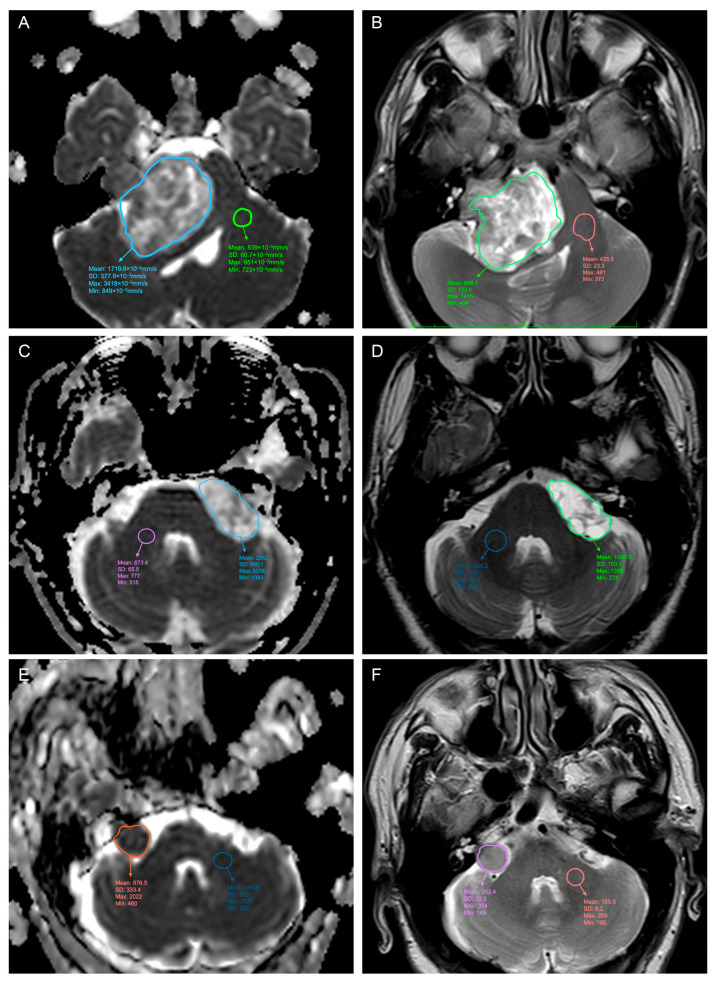 Figure 1
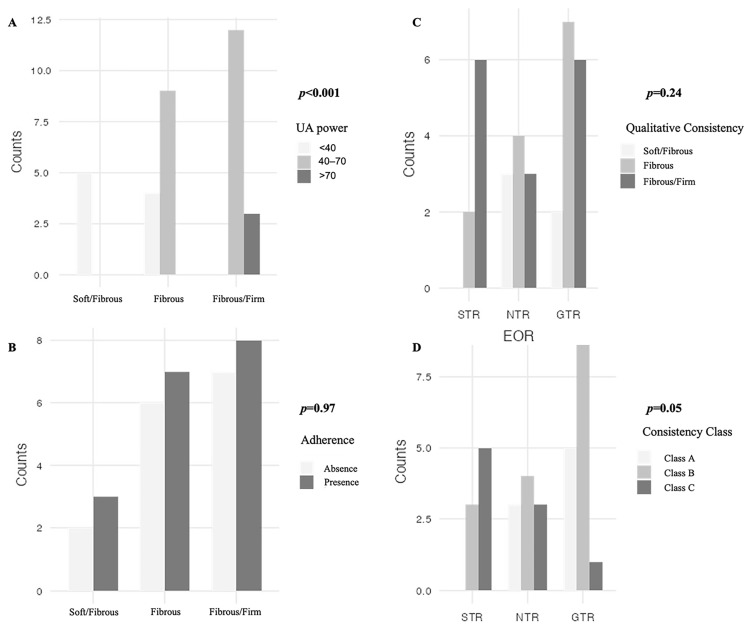 Figure 2
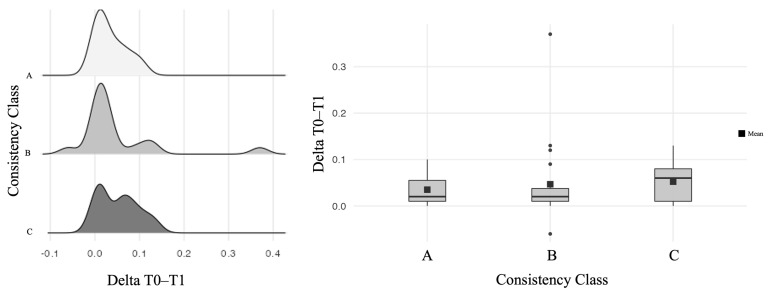 Figure 3
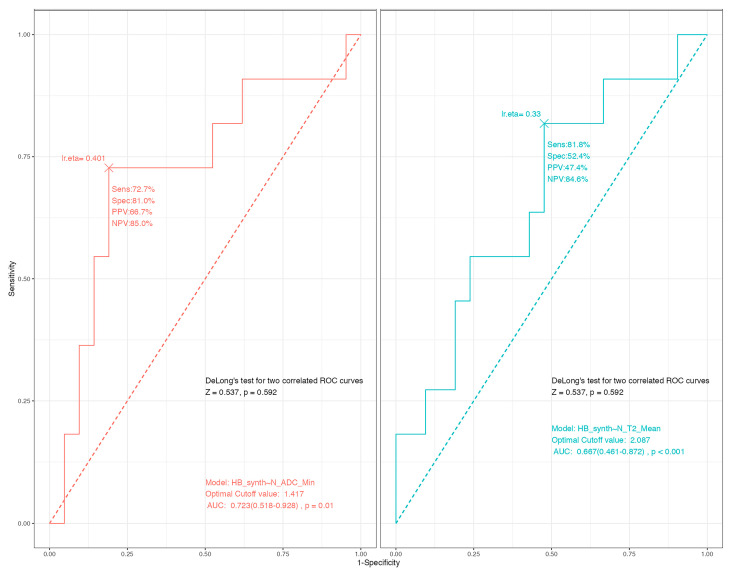 Figure 4
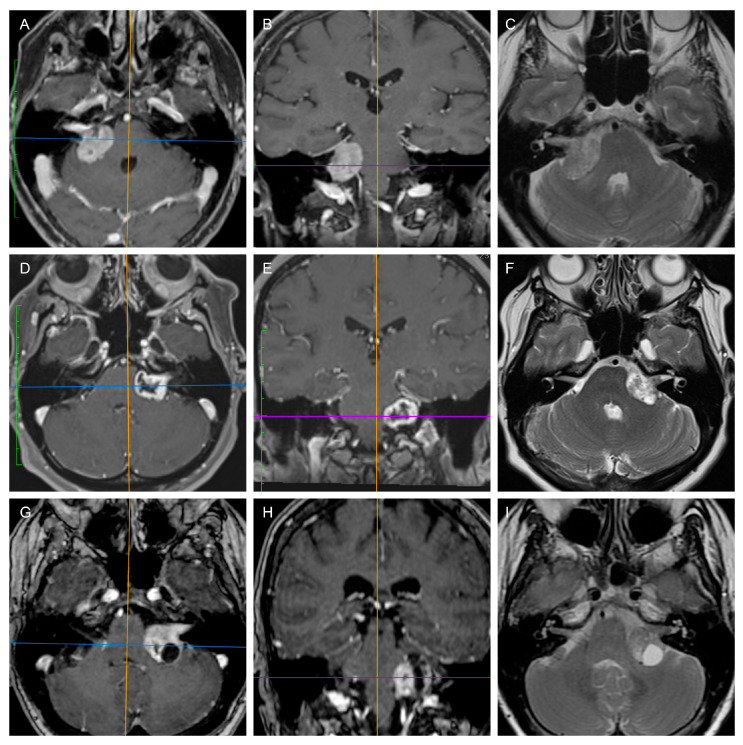 Figure 5
Peer Reviews
No public reviews on file for this paper yet. If you reviewed it on a platform where reviews are public (OpenReview, ICLR, NeurIPS, ICML), you can paste yours below so the community can read it here.
Videos
No videos yet. Explain this paper in a talk, walkthrough, or lecture? Add one.
Taxonomy
TopicsMeningioma and schwannoma management · Facial Nerve Paralysis Treatment and Research · Neurofibromatosis and Schwannoma Cases