Maxillary First Premolars’ Internal Morphology: A Systematic Review and Meta-Analysis
Thomas Gerhard Wolf, Dilara Sare Ulugöl, Richard Johannes Wierichs, Agnes Klara Maria Holtkamp, Gianrico Spagnuolo, David Donnermeyer, Andrea Lisa Waber

TL;DR
This study reviews the internal structure of maxillary first premolars and finds that males and females have different root canal configurations.
Contribution
The study provides a comprehensive meta-analysis of sex-specific differences in maxillary first premolar morphology.
Findings
The most common root canal configuration is 2-2-2/2 (IV) in maxillary first premolars.
Males more frequently have two- or three-rooted maxillary first premolars compared to females.
CBCT is the most commonly used method for examining root canal morphology.
Abstract
Objectives: This systematic review analyzed the root canal morphology and configuration (RCC) of maxillary first premolars (Mx1Ps) and sex-specific differences based on existing literature. Methods: Registered in PROSPERO (CRD42023394460) and following PRISMA guidelines, systematic searches were conducted in five databases (Cochrane, Embase, LILACS, Scopus, MEDLINE via PubMed) using predefined MeSH terms. Additional studies were identified through cross-referencing. Studies on Mx1P RCCs were included, assessed using the AQUA tool. Data extraction focused on RCC prevalence, sex differences, root variations, and examination methods. Results: Of 865 studies, 86 were included, analyzing 31,325 teeth. The most common RCCs were 2-2-2/2 (IV, frequencies between 0.6–80.5%) and 1-1-1/1 (I, 1.1–72.0%). Mx1Ps primarily had two roots (7.1–96.2%) or one root (3.8–93.2%), with three-rooted variants…
Genes, proteins, chemicals, diseases, species, mutations and cell lines named across the full text — each resolved to its canonical identifier and authoritative record.
Click any figure to enlarge with its caption.
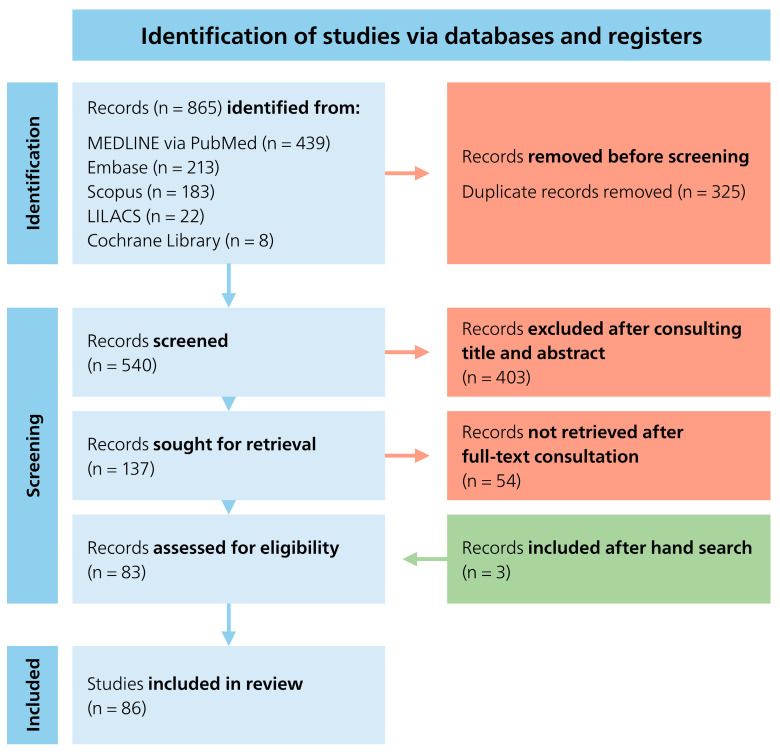 Figure 1
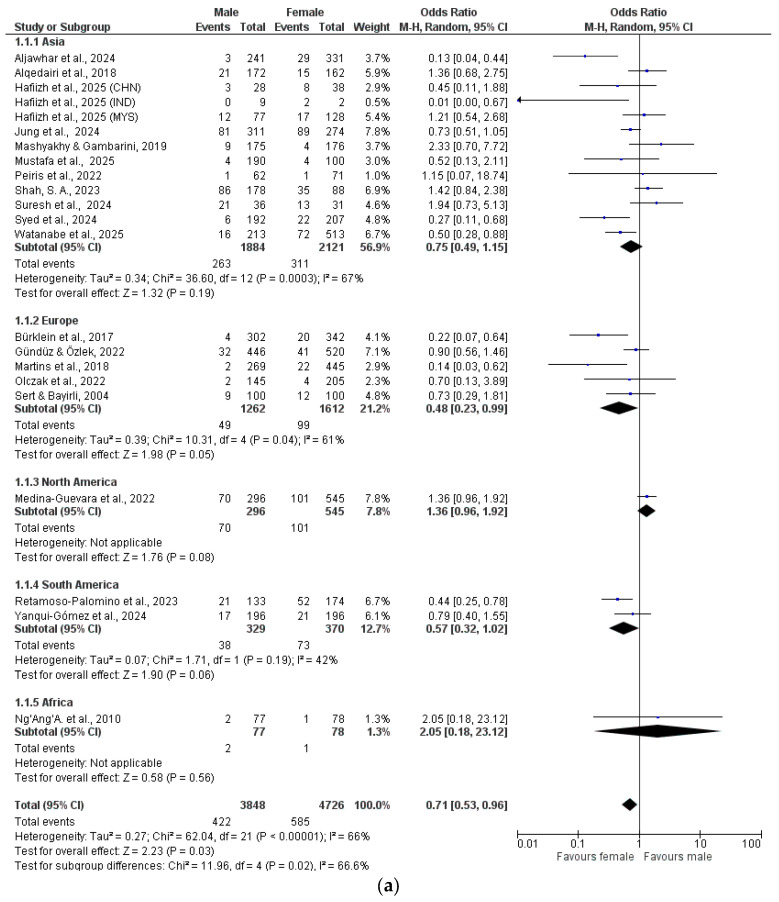 Figure 2
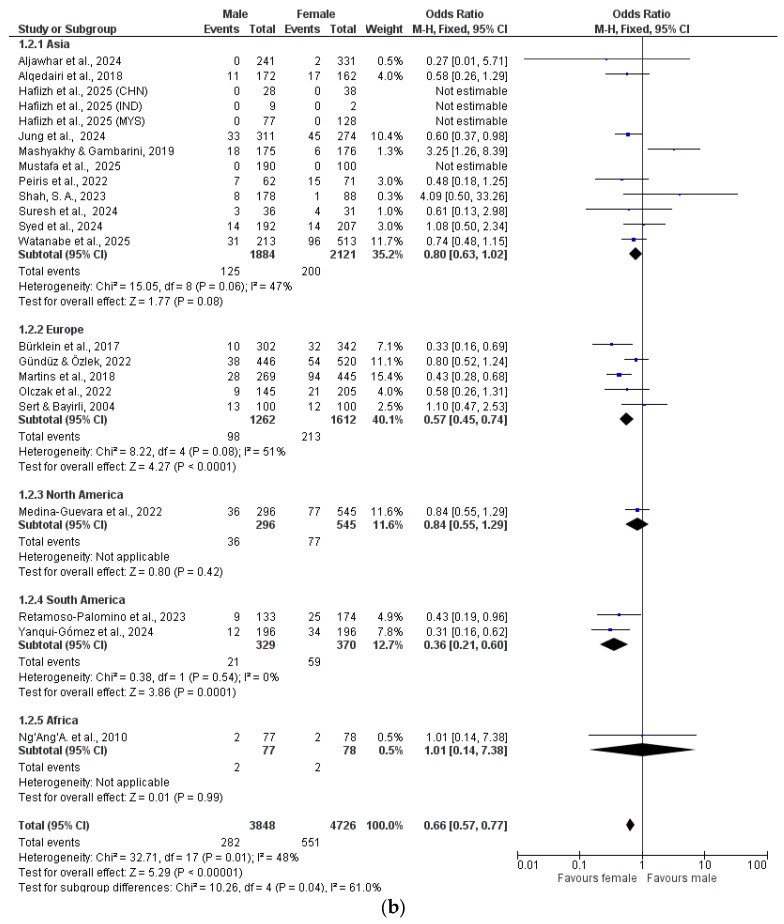 Figure 3
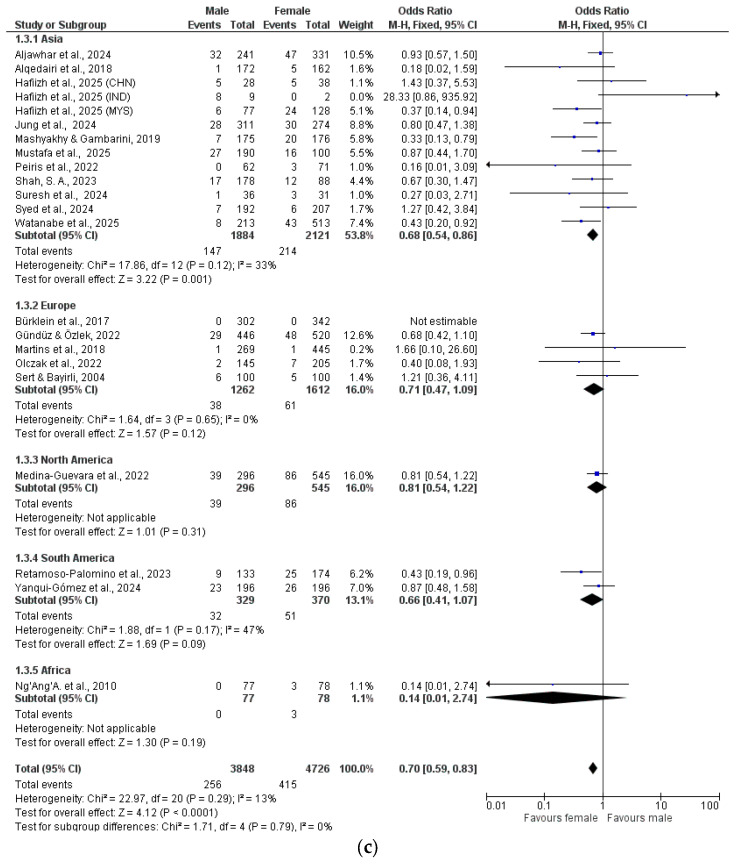 Figure 4
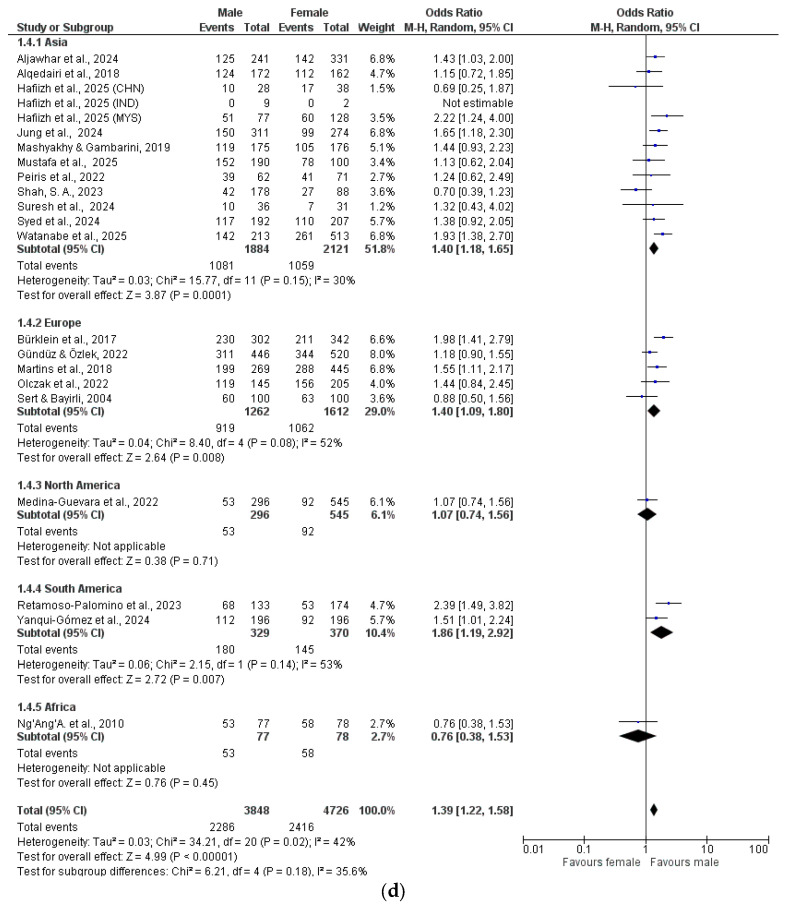 Figure 5
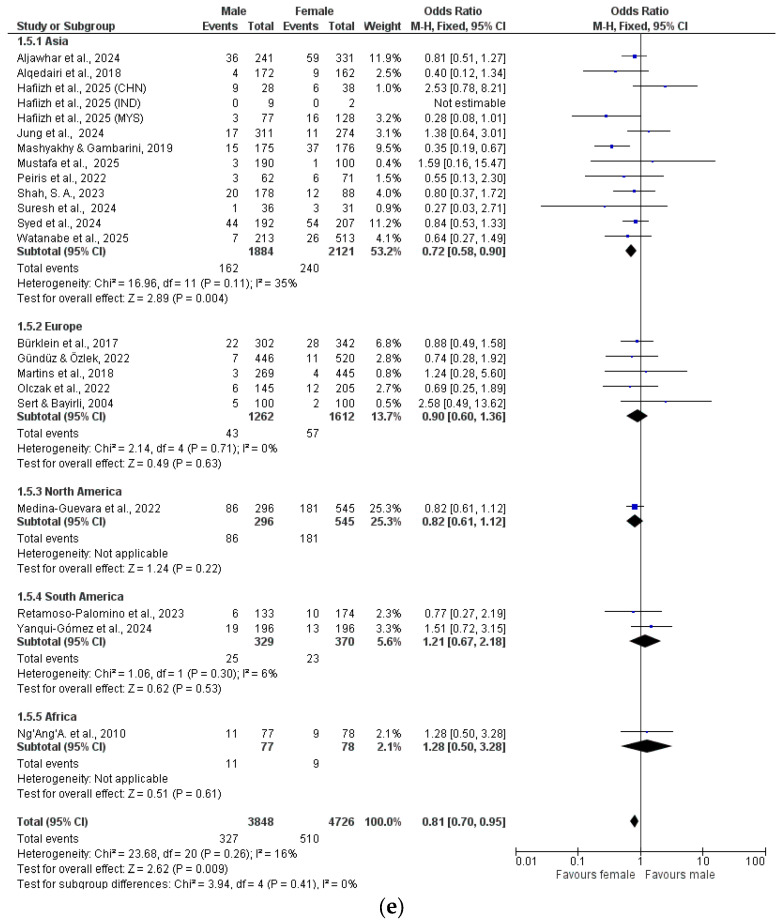 Figure 6
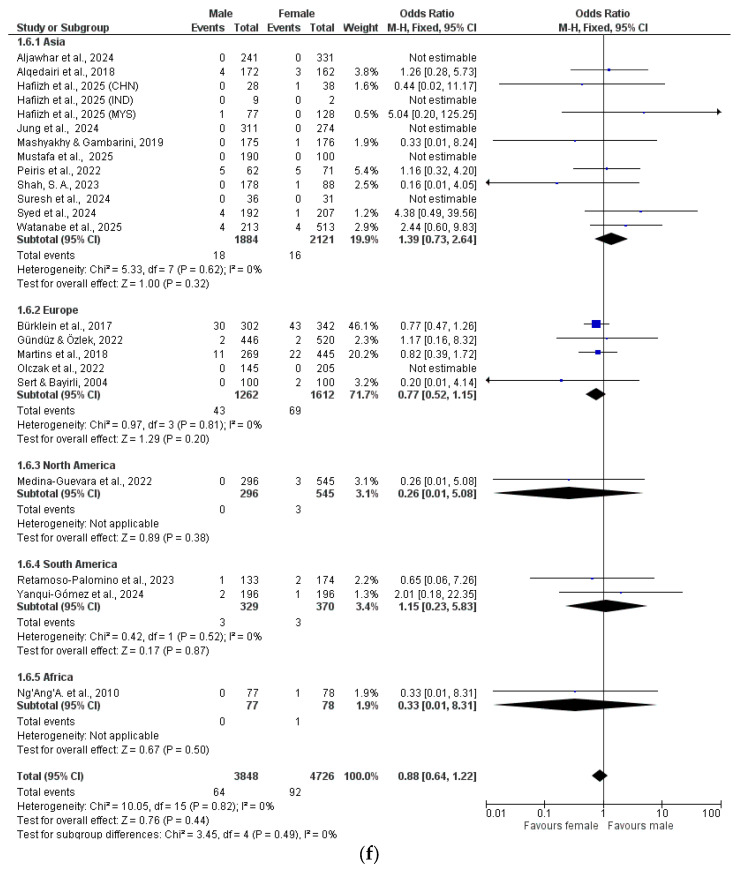 Figure 7
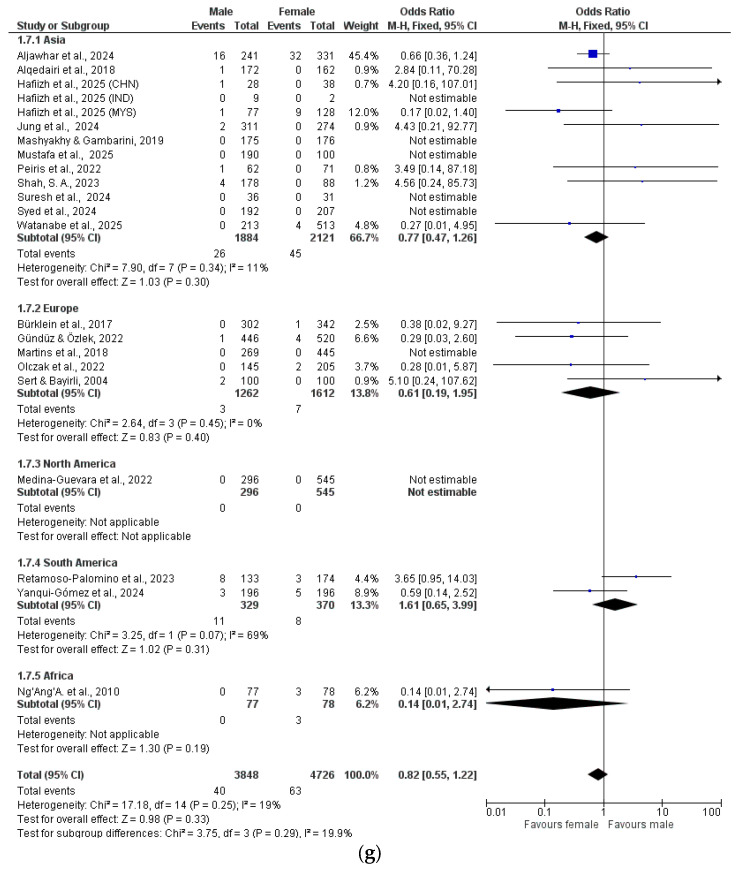 Figure 8
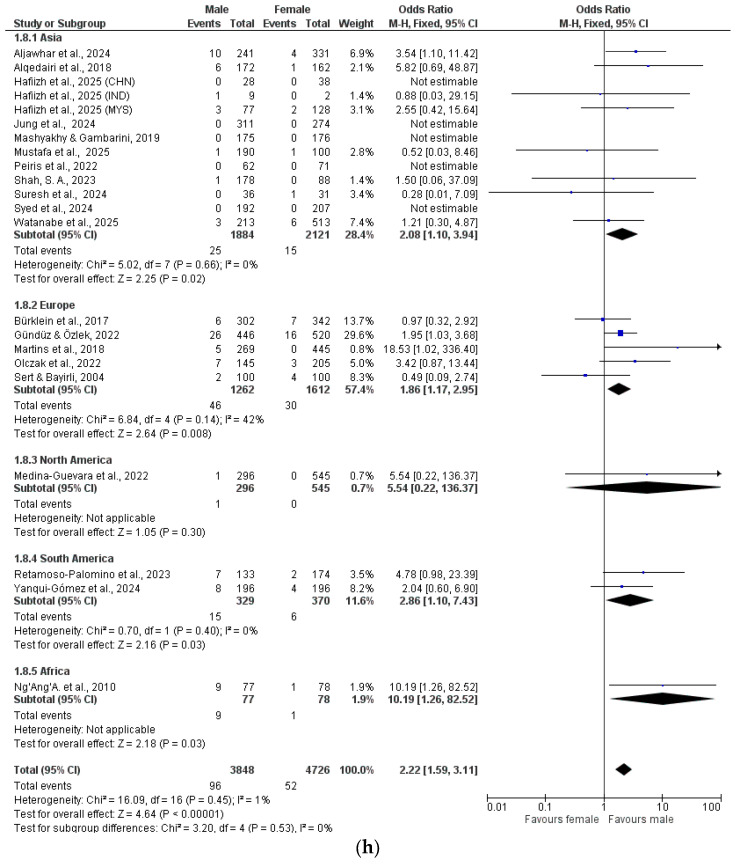 Figure 9
Peer Reviews
No public reviews on file for this paper yet. If you reviewed it on a platform where reviews are public (OpenReview, ICLR, NeurIPS, ICML), you can paste yours below so the community can read it here.
Videos
No videos yet. Explain this paper in a talk, walkthrough, or lecture? Add one.
Taxonomy
TopicsEndodontics and Root Canal Treatments · dental development and anomalies · Dental materials and restorations