The Predictive Role of the Triglyceride/High-Density Lipoprotein Ratio and the Triglyceride–Glucose Index, Along with Anthropometric Measurements, in Diagnosing Non-Alcoholic Fatty Liver Disease in Obese Kids and Juveniles, and the Evaluation of Novel Cardiovascular Risk Markers in Pediatric NAFLD
Emrah Çığrı, Funda Çatan İnan, Sedat Gülten, Mehmet Akif Bildirici, Ayşe Ece Gökkaya, Metin Asıleren, Mustafa Koyun, Bahadır Reis, Merve Esen

TL;DR
This study finds that the triglyceride/HDL ratio and triglyceride-glucose index are strong indicators of non-alcoholic fatty liver disease in obese children and are linked to increased cardiovascular risk.
Contribution
The study identifies the TG/HDL ratio and TyG index as highly effective and novel early predictors of NAFLD in obese pediatric populations.
Findings
The TG/HDL ratio and TyG index show strong predictive value for NAFLD in obese children.
Obese children with NAFLD have significantly higher cardiovascular risk markers.
HOMA-IR and waist circumference are weaker predictors of NAFLD compared to TG/HDL and TyG.
Abstract
Our article is about practical methods that we can use in the early detection of non-alcoholic fatty liver disease, which is common in obese children. What are the main findings? TG/HDL ratio and TyG index show a significant increase in obese children with NAFLD.Cardiovascular risk indices increase in obese children with NAFLD. TG/HDL ratio and TyG index show a significant increase in obese children with NAFLD. Cardiovascular risk indices increase in obese children with NAFLD. What is the implication of the main finding? TG/HDL ratio and TyG index are very significant parameters in the early detection of NAFLD.The development of NAFLD in obese children also increases the risk of cardiovascular disease. TG/HDL ratio and TyG index are very significant parameters in the early detection of NAFLD. The development of NAFLD in obese children also increases the risk of cardiovascular…
Genes, proteins, chemicals, diseases, species, mutations and cell lines named across the full text — each resolved to its canonical identifier and authoritative record.
Click any figure to enlarge with its caption.
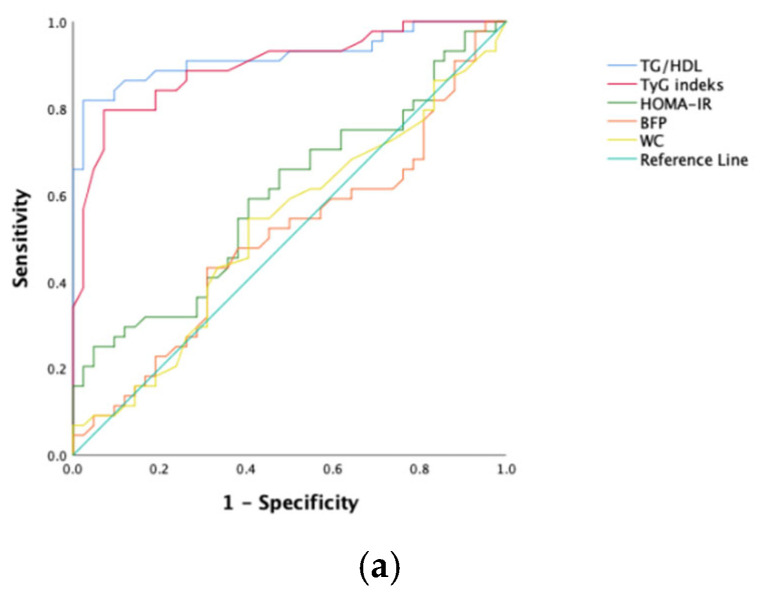 Figure 1
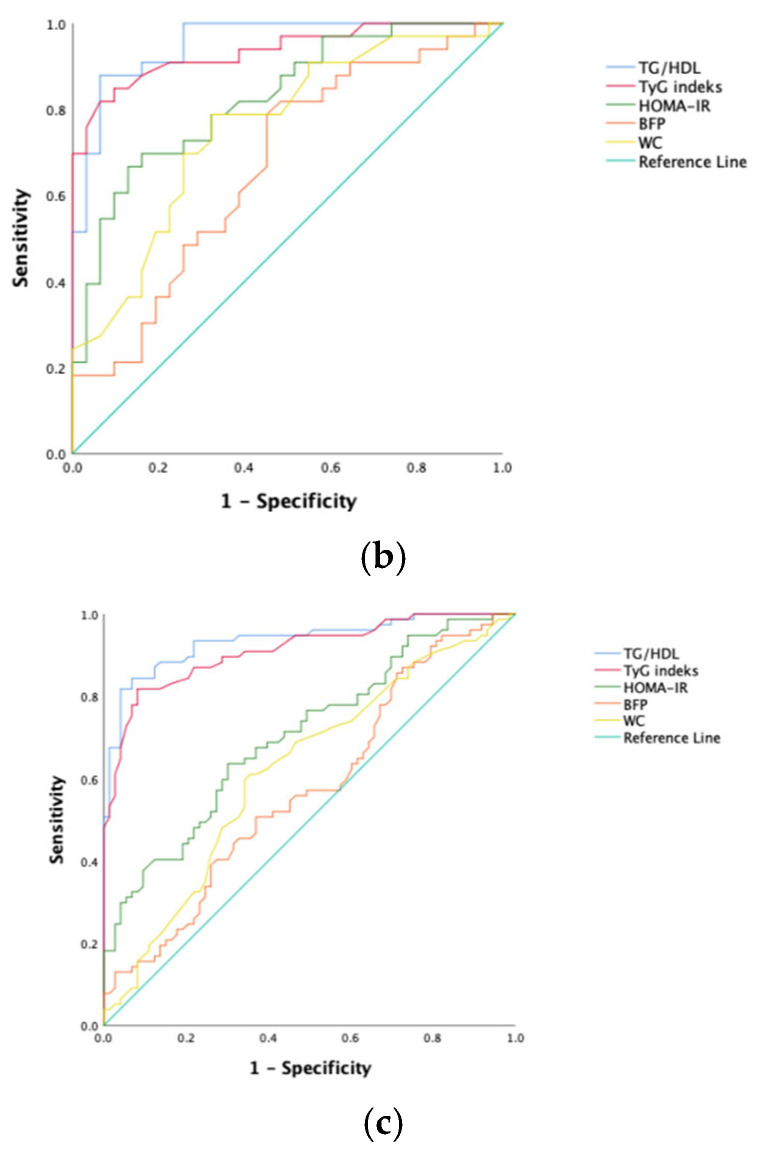 Figure 2
Peer Reviews
No public reviews on file for this paper yet. If you reviewed it on a platform where reviews are public (OpenReview, ICLR, NeurIPS, ICML), you can paste yours below so the community can read it here.
Videos
No videos yet. Explain this paper in a talk, walkthrough, or lecture? Add one.
Taxonomy
TopicsLiver Disease Diagnosis and Treatment · Diet, Metabolism, and Disease · Diabetes and associated disorders