Transjugular Intrahepatic Portosystemic Shunt for Portal Vein Thrombosis in Cirrhotic Patients: 18-Year Experience in a Tertiary Referral Hospital
Sara Barranco Acosta, María Sagrario Lombardo Galera, Pedro Blas García Jurado, María Eugenia Pérez Montilla, Antonio Jesús Láinez Ramos-Bossini, Juan José Espejo Herrero

TL;DR
This study examines the long-term effectiveness and risks of TIPS in cirrhotic patients with portal vein thrombosis, finding high success rates but notable dysfunction risks, especially in children.
Contribution
The study provides an 18-year institutional analysis of TIPS outcomes in cirrhotic patients with portal vein thrombosis, identifying age as a key predictor of TIPS dysfunction.
Findings
TIPS placement achieved a 100% primary success rate with a mean primary patency of 40.3 months.
Age was identified as the only significant predictor of TIPS dysfunction, with pediatric patients at higher risk.
Nine deaths occurred during follow-up, with one attributed to the TIPS procedure.
Abstract
Background: Transjugular intrahepatic portosystemic shunt (TIPS) has emerged as a feasible therapeutic option for cirrhotic patients with portal vein thrombosis (PVT). This study aimed to assess the long-term outcomes and factors associated with TIPS dysfunction in cirrhotic patients with PVT over an 18-year period in our institution. Methods: A retrospective study was conducted at Hospital Universitario Reina Sofía (Córdoba, Spain), including adult and pediatric cirrhotic patients with PVT who underwent TIPS between January 2006 and December 2024. Patient characteristics, procedural techniques, and clinical outcomes were evaluated. The primary outcomes were TIPS insertion success rate, primary patency, and dysfunction (stenosis or occlusion). Bivariate comparisons, logistic regression and receiver-operating characteristic (ROC) analyses were performed to identify potential predictors…
Genes, proteins, chemicals, diseases, species, mutations and cell lines named across the full text — each resolved to its canonical identifier and authoritative record.
Click any figure to enlarge with its caption.
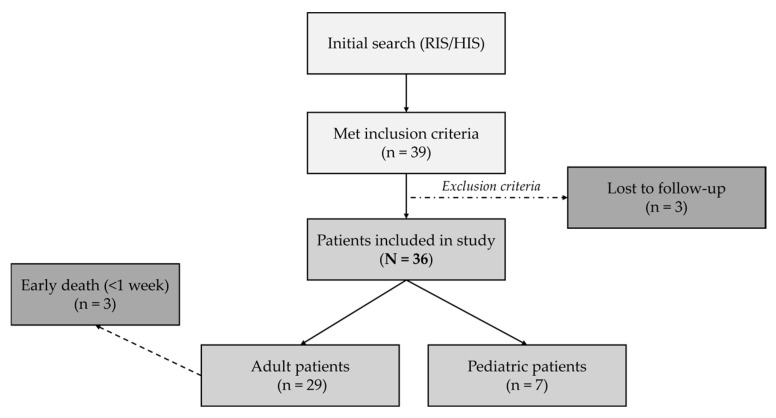 Figure 1
 Figure 2
 Figure 3
 Figure 4
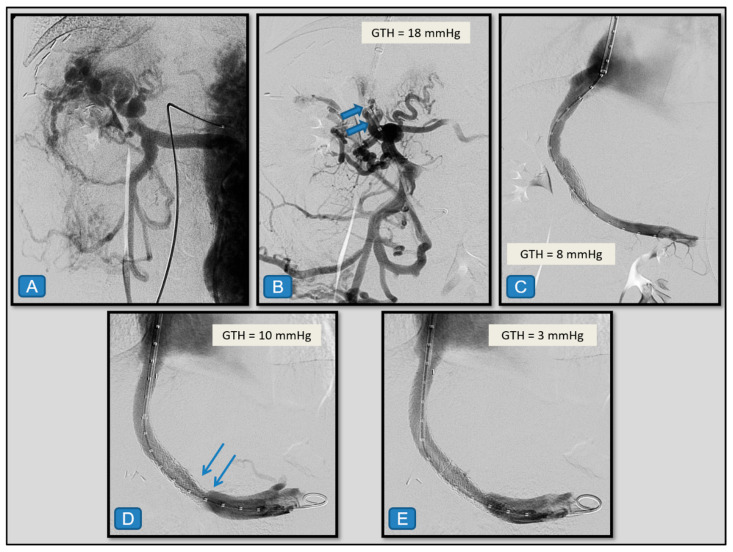 Figure 5
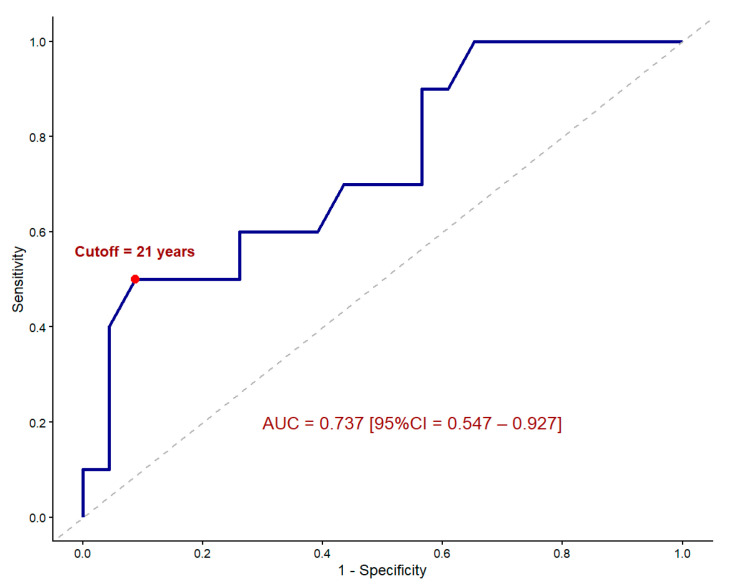 Figure 6
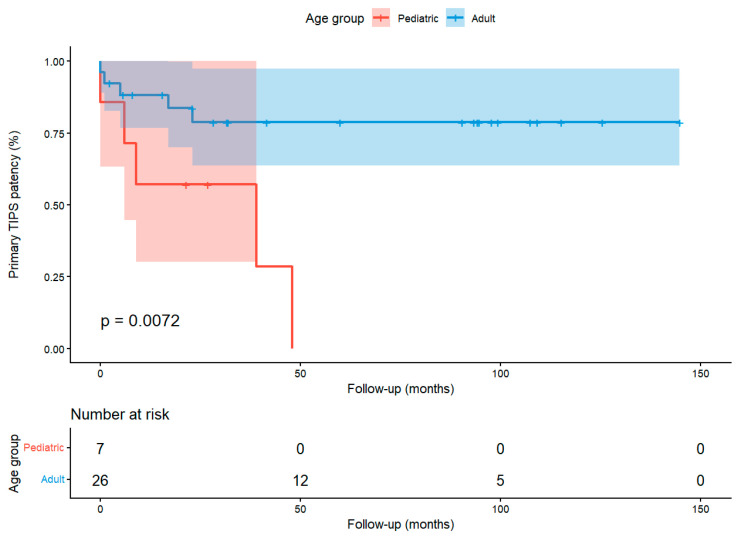 Figure 7
Peer Reviews
No public reviews on file for this paper yet. If you reviewed it on a platform where reviews are public (OpenReview, ICLR, NeurIPS, ICML), you can paste yours below so the community can read it here.
Videos
No videos yet. Explain this paper in a talk, walkthrough, or lecture? Add one.
Taxonomy
TopicsLiver Disease and Transplantation · Liver Disease Diagnosis and Treatment · Abdominal vascular conditions and treatments