A Comparative Study of Clinical and Molecular Features of Microsatellite Stable Colorectal Cancer With and Without Liver Metastases
Tara Magge, Svea Cheng, Shuaichao Wang, Masood Pasha Syed, Bhaghyasree Jambunathan, Ashley Mcfarquhar, Paola Zinser Peniche, Doga Kahramangil Baytar, Aatur Singhi, Anwaar Saeed, Ibrahim Halil Sahin

TL;DR
This study compares colorectal cancer with and without liver metastases, finding that liver metastases are linked to shorter treatment response and distinct survival impacts based on mutation types.
Contribution
The study is the first to show that driver mutations like BRAF and KRAS have site-specific survival impacts in metastatic colorectal cancer.
Findings
Liver metastasis is associated with shorter time on frontline therapy, suggesting chemotherapy resistance.
KRAS mutations predict worse survival in liver metastasis, while BRAF mutations do so in non-liver metastasis.
Molecular alteration incidence is similar in liver and non-liver metastases, pointing to tumor microenvironment as a resistance factor.
Abstract
Liver metastasis of colorectal cancer (CRC) is associated with worse survival outcomes and inferior response to immunotherapy. However, the molecular underpinnings of this phenomenon are not well established. Our study revealed that the incidence of molecular alterations is relatively similar between liver metastases and non-liver metastases of CRC, indicating the treatment resistance seen with liver metastasis is likely driven by intrinsic tumor microenvironment characteristics of the liver. In our study, we also identified that liver metastasis of CRC is associated with shorter time on frontline therapy, a surrogate for treatment response. This suggests that inferior treatment response seen with liver metastasis is not limited to immunotherapy but also may apply to chemotherapy. We also discovered the metastatic site-specific impact of driver oncogenes, such as BRAF and KRAS…
Genes, proteins, chemicals, diseases, species, mutations and cell lines named across the full text — each resolved to its canonical identifier and authoritative record.
Click any figure to enlarge with its caption.
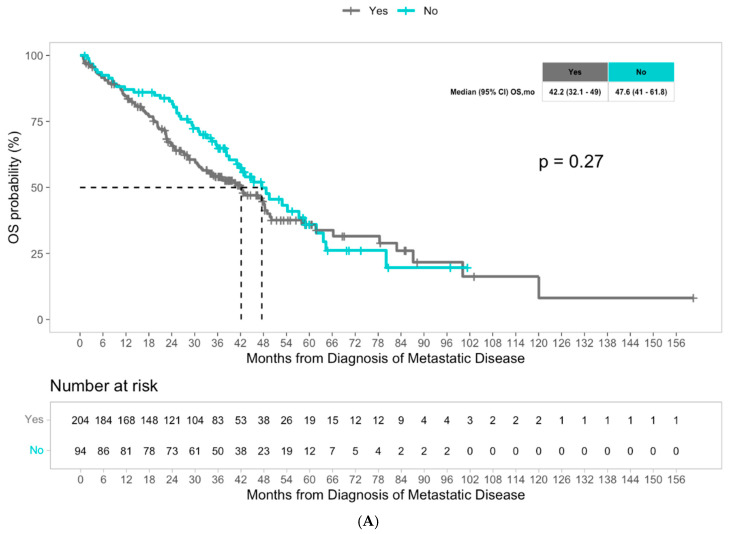 Figure 1
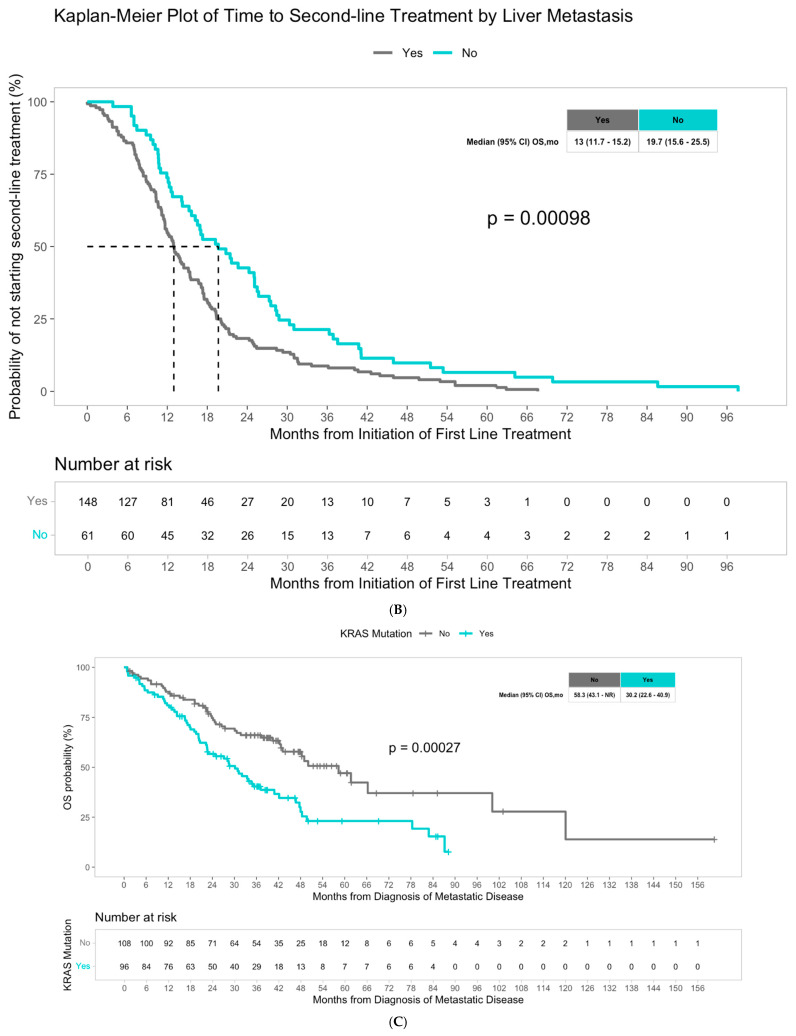 Figure 2
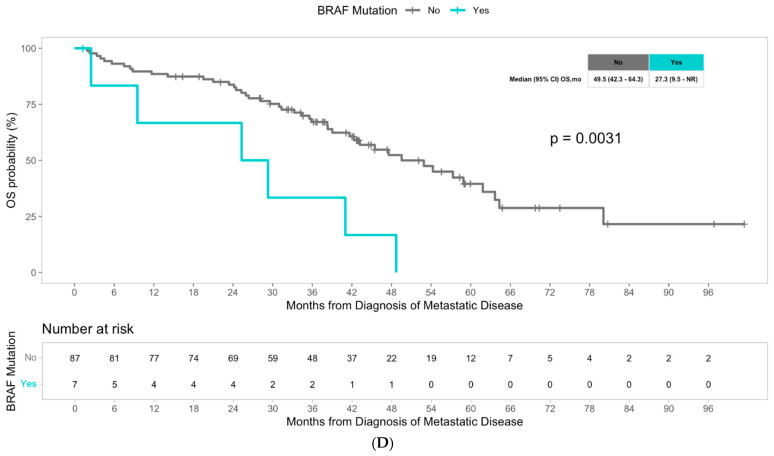 Figure 3
Peer Reviews
No public reviews on file for this paper yet. If you reviewed it on a platform where reviews are public (OpenReview, ICLR, NeurIPS, ICML), you can paste yours below so the community can read it here.
Videos
No videos yet. Explain this paper in a talk, walkthrough, or lecture? Add one.
Taxonomy
TopicsColorectal Cancer Treatments and Studies · Cancer Genomics and Diagnostics · Genetic factors in colorectal cancer