The Receptor for Advanced Glycation End-Products (RAGE) Regulates Cell Adhesion Through Upregulation of ITGA8
Swetha Thiyagarajan, Estelle Leclerc, Stefan W. Vetter

TL;DR
This study shows that RAGE, a receptor involved in inflammation, also regulates cell adhesion by influencing ITGA8 expression.
Contribution
The study identifies a novel role of RAGE in cell adhesion through its cytoplasmic domain's regulation of ITGA8.
Findings
RAGE exhibits substrate-specific adhesion to extracellular matrix proteins.
The intracellular domain of RAGE is essential for modulating cell spreading.
ITGA8 regulation depends on the cytoplasmic domain of RAGE.
Abstract
The Receptor for Advanced Glycation End-Products (RAGE) is a cell surface receptor of the immunoglobulin-like receptor superfamily. RAGE is a pattern-recognition, multi-ligand receptor that binds glycated proteins, specific non-glycated proteins, and nucleic acids. RAGE ligands are typically part of the group of damage-associated molecular patterns (DAMPs) or alarmins. As such, RAGE is a receptor for molecular products of cellular stress, abnormal metabolism, and inflammation. Activation of RAGE by its ligands leads to pro-inflammatory signaling, often resulting in persistent RAGE activation in various disease states. Consequently, RAGE has been investigated as a potential drug target in the treatment of diabetic complications, vascular disease, Alzheimer’s disease, and multiple types of cancer. An underexplored aspect of RAGE is its role in cell adhesion. Structural comparison of the…
Genes, proteins, chemicals, diseases, species, mutations and cell lines named across the full text — each resolved to its canonical identifier and authoritative record.
Click any figure to enlarge with its caption.
 Figure 1
 Figure 2
 Figure 3
 Figure 4
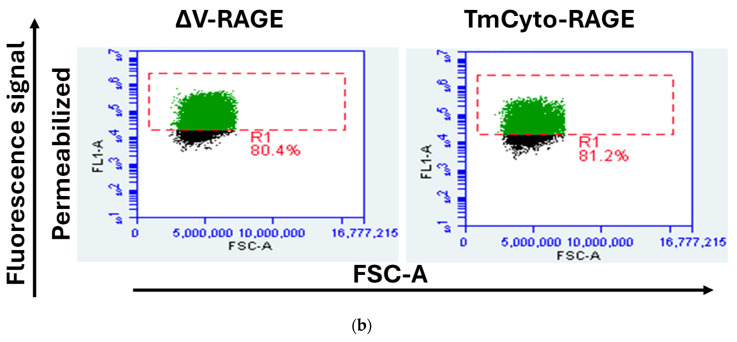 Figure 5
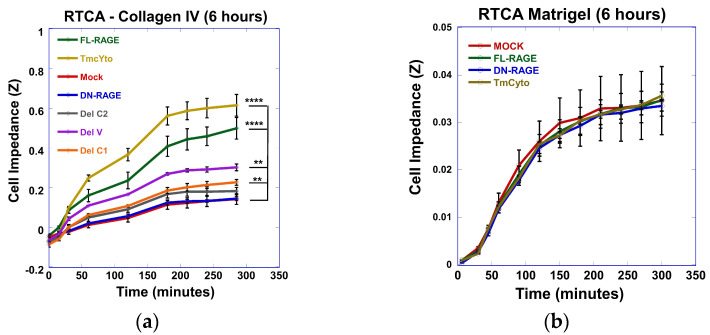 Figure 6
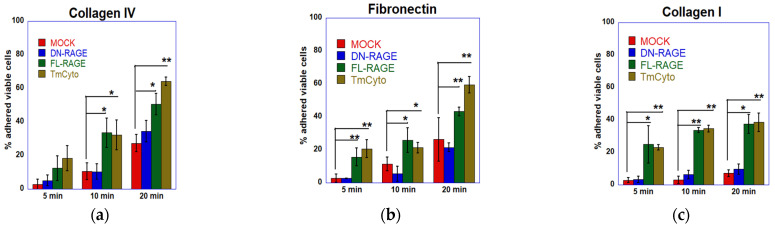 Figure 7
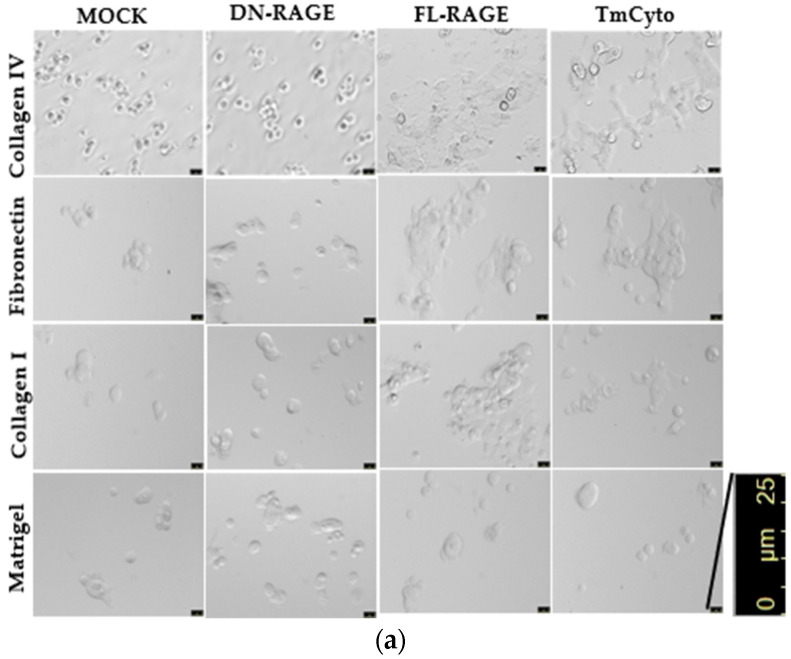 Figure 8
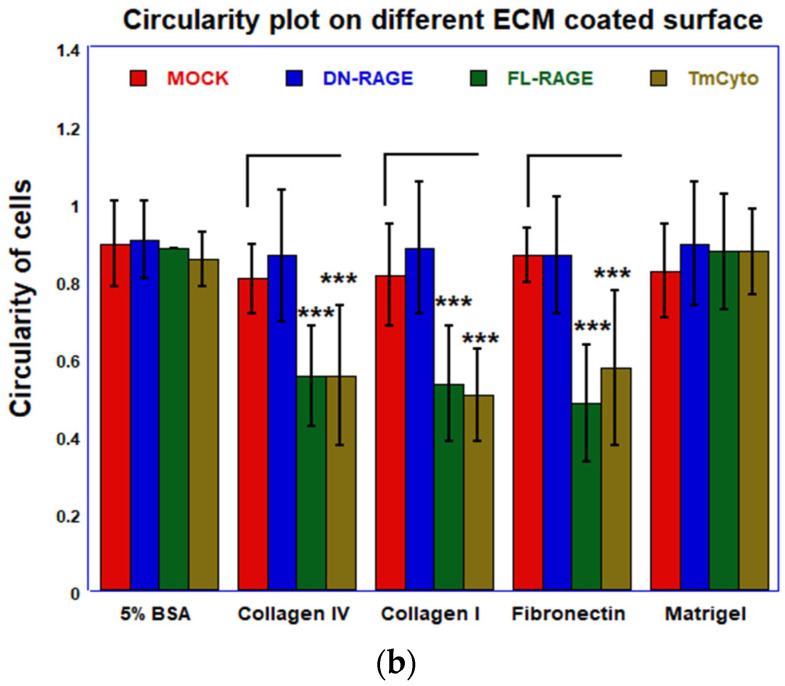 Figure 9
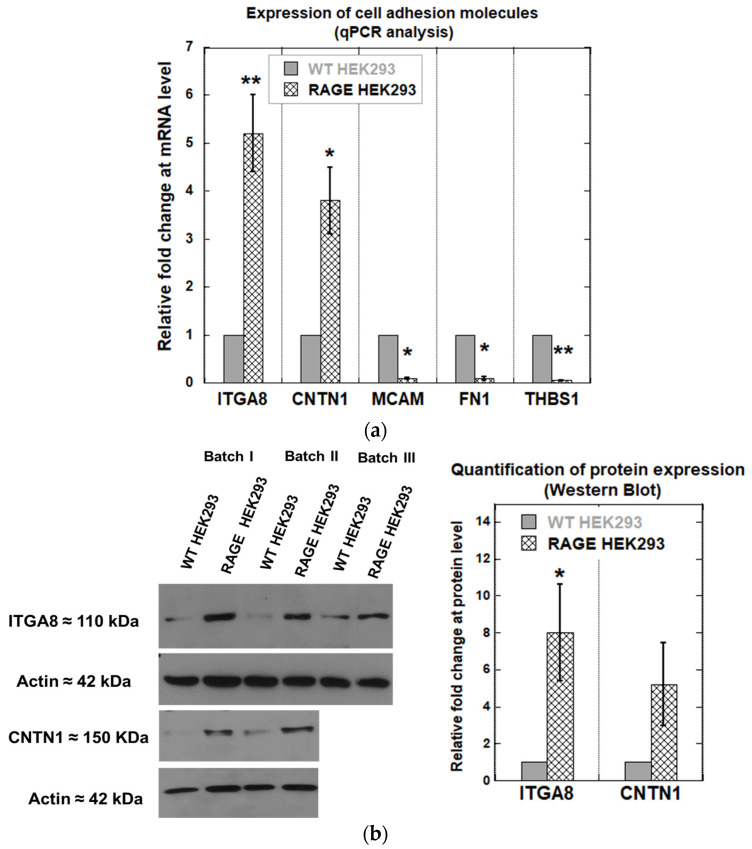 Figure 10
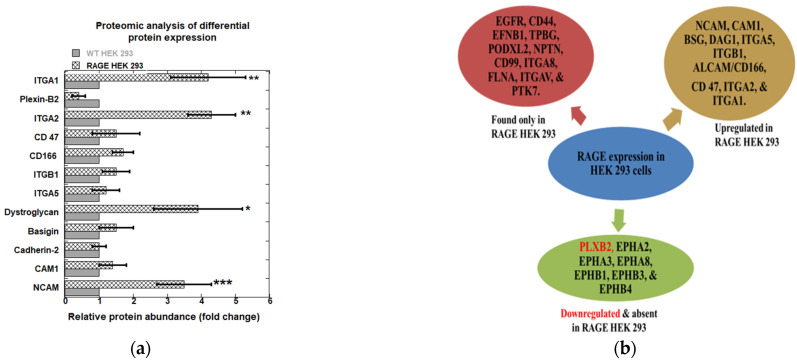 Figure 11
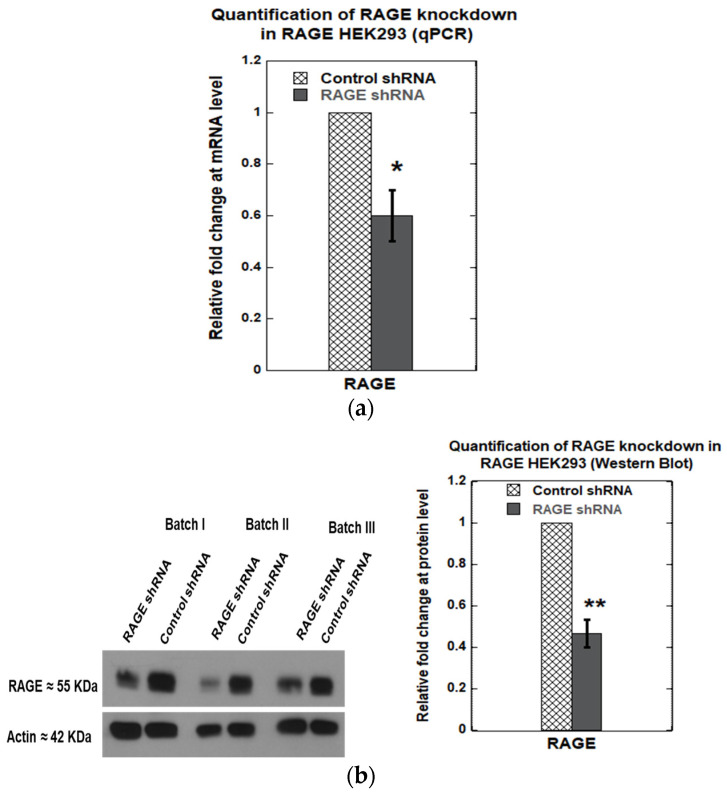 Figure 12
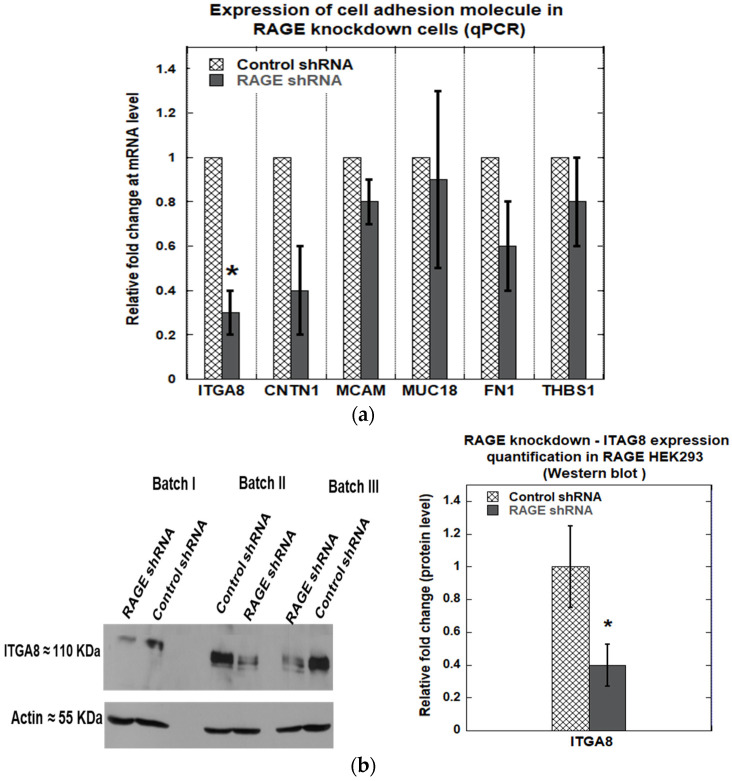 Figure 13
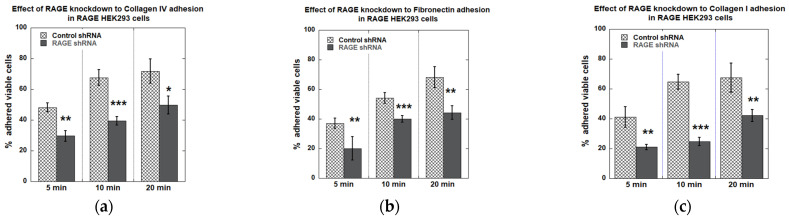 Figure 14
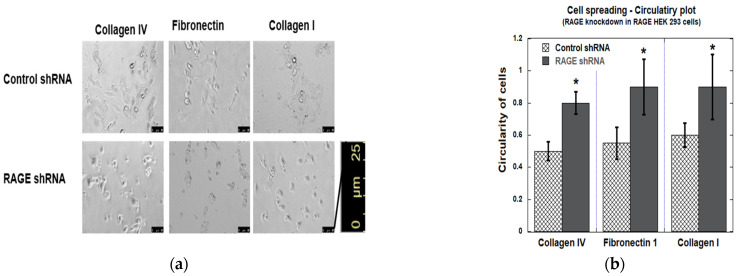 Figure 15
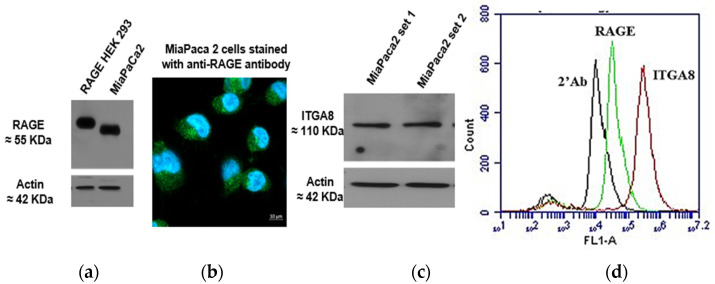 Figure 16
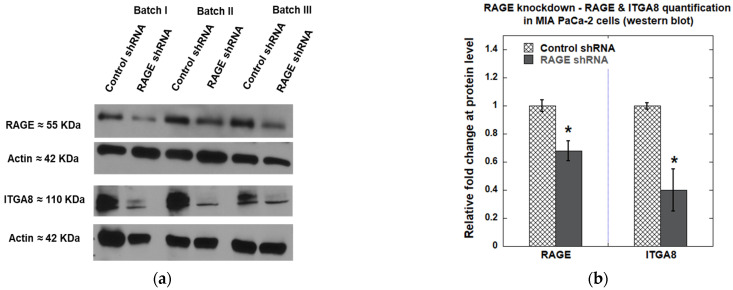 Figure 17
Peer Reviews
No public reviews on file for this paper yet. If you reviewed it on a platform where reviews are public (OpenReview, ICLR, NeurIPS, ICML), you can paste yours below so the community can read it here.
Videos
No videos yet. Explain this paper in a talk, walkthrough, or lecture? Add one.
Taxonomy
TopicsAdvanced Glycation End Products research · S100 Proteins and Annexins · Immune cells in cancer