From Overgrowth to Complex Malformations: A Novel EZH2 Variant Reveals the Expanding Clinical Spectrum of Weaver Syndrome
Chung-Lin Lee, Chih-Kuang Chuang, Huei-Ching Chiu, Ya-Hui Chang, Yuan-Rong Tu, Yun-Ting Lo, Jun-Yi Wu, Hsiang-Yu Lin, Shuan-Pei Lin

TL;DR
A new EZH2 gene variant in a child with Weaver syndrome reveals more severe and complex symptoms, including brain malformations and hand deformities.
Contribution
A novel EZH2 variant is identified that expands the known clinical and molecular spectrum of Weaver syndrome.
Findings
A novel EZH2 variant c.449T>C (p.Ile150Thr) was found in a patient with Weaver syndrome.
The patient exhibited severe camptodactyly and complex brain malformations not previously reported in Weaver syndrome.
The variant affects the SANT domain of EZH2, suggesting a link to the severe phenotype observed.
Abstract
Weaver syndrome is a rare congenital overgrowth disorder caused by pathogenic EZH2 variants. This study reports a novel EZH2 variant associated with atypical manifestations, including severe bilateral camptodactyly and complex brain malformations. A 4-year-old Taiwanese female exhibited classical Weaver syndrome features including macrosomia, macrocephaly, hypertelorism, and developmental delay, plus atypical findings of severe bilateral camptodactyly and complex brain malformations. Neuroimaging revealed corpus callosum dysgenesis with rostral agenesis and genu hypoplasia, bilateral frontal lobe hypoplasia, and an arachnoid cyst. The patient demonstrated global developmental delay with marked motor impairment but less severely affected speech and cognition, consistent with mild intellectual disability. Whole-exome sequencing identified a novel de novo pathogenic variant in EZH2:…
Genes, proteins, chemicals, diseases, species, mutations and cell lines named across the full text — each resolved to its canonical identifier and authoritative record.
Click any figure to enlarge with its caption.
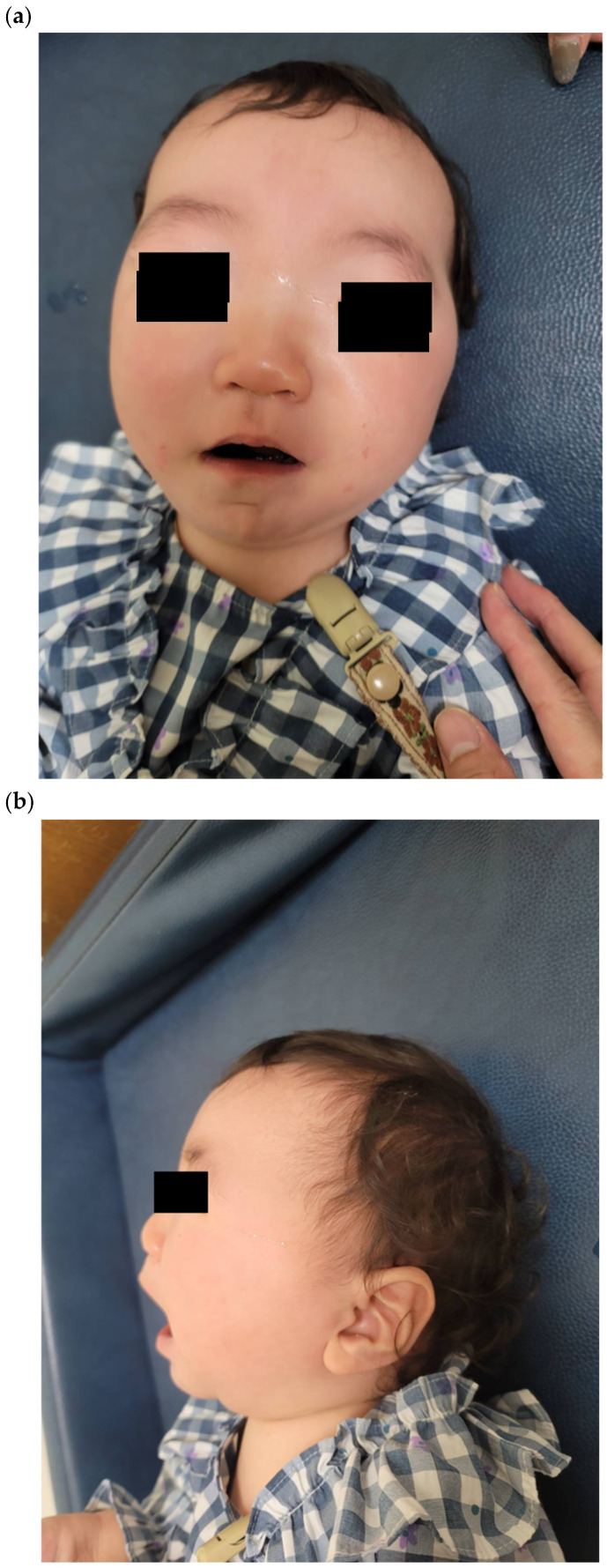 Figure 1
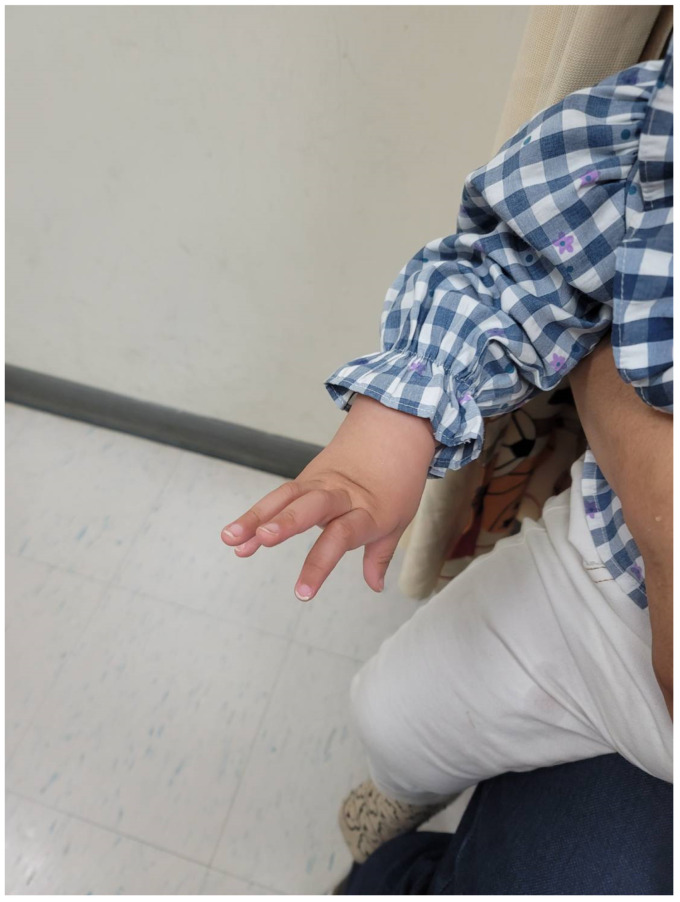 Figure 2
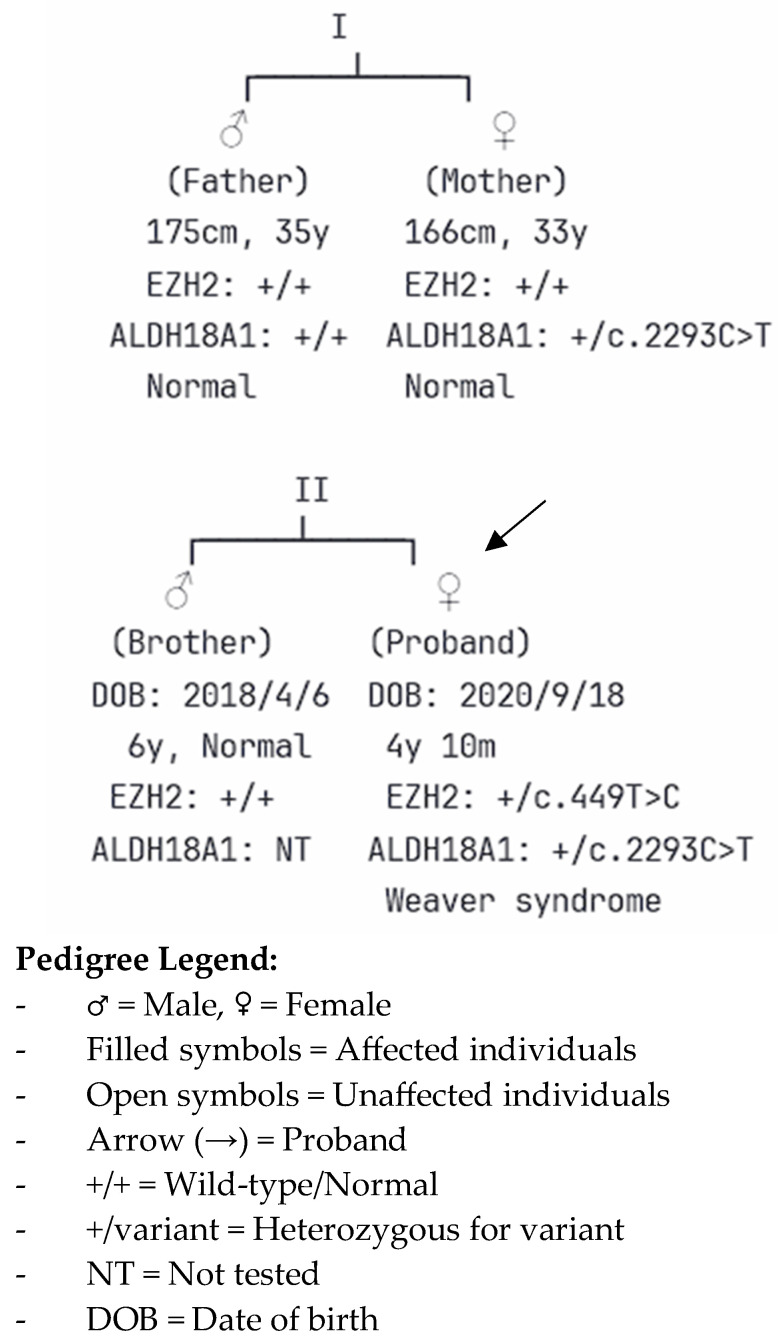 Figure 3
Peer Reviews
No public reviews on file for this paper yet. If you reviewed it on a platform where reviews are public (OpenReview, ICLR, NeurIPS, ICML), you can paste yours below so the community can read it here.
Videos
No videos yet. Explain this paper in a talk, walkthrough, or lecture? Add one.
Taxonomy
TopicsFetal and Pediatric Neurological Disorders · Genomics and Rare Diseases · Genetic and Kidney Cyst Diseases