An Innovative Approach for Extraction of Smoking Addiction Levels Using Physiological Parameters Based on Machine Learning: Proof of Concept
Muhammet Serdar Bascil, Irem Nur Iscanli

TL;DR
This study introduces a new method to objectively assess smoking addiction levels using physiological signals and machine learning, offering a more reliable alternative to traditional subjective tests.
Contribution
The study proposes a non-invasive, objective approach to classify smoking addiction levels using machine learning and physiological data.
Findings
Machine learning achieved high accuracy (98.75%) in classifying addiction levels from physiological signals.
There is a direct relationship between physiological parameters and smoking addiction levels.
SMOTE and PCA techniques improved model performance and reliability.
Abstract
Objectives: Determining individuals’ addiction levels plays a crucial role in facilitating more effective smoking cessation. For this purpose, the Fagerstrom Test for Nicotine Dependence (FTND) is used all over the World as a traditional testing method. It can be subjective and may influence the evaluation results. This study’s key innovation is the use of physiological signals to provide an objective classification of addiction levels, addressing the limitations of the inherently subjective Fagerström Test for Nicotine Dependence (FTND). Methods: Physiological parameters were recorded from 123 voluntary participants (both male and female) aged between 18 and 60 for 120 s using the Masimo Rad-G pulse oximeter and the Hartman–Veroval blood pressure monitor. All participants were categorized into four addiction groups: healthy, lightly addicted, moderately addicted, or heavily addicted…
Genes, proteins, chemicals, diseases, species, mutations and cell lines named across the full text — each resolved to its canonical identifier and authoritative record.
Click any figure to enlarge with its caption.
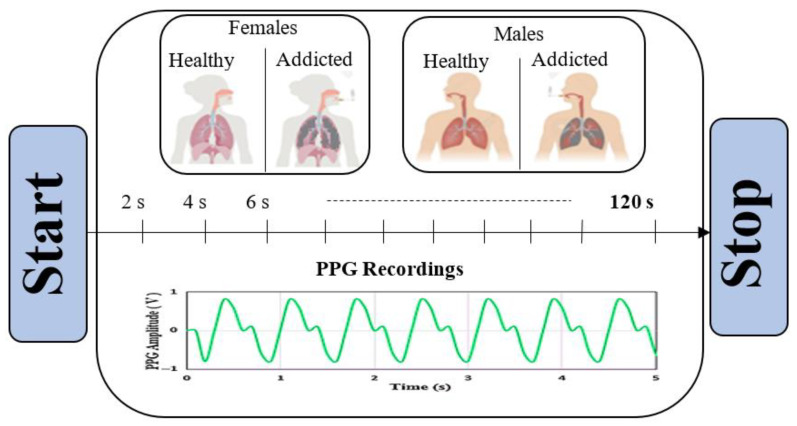 Figure 1
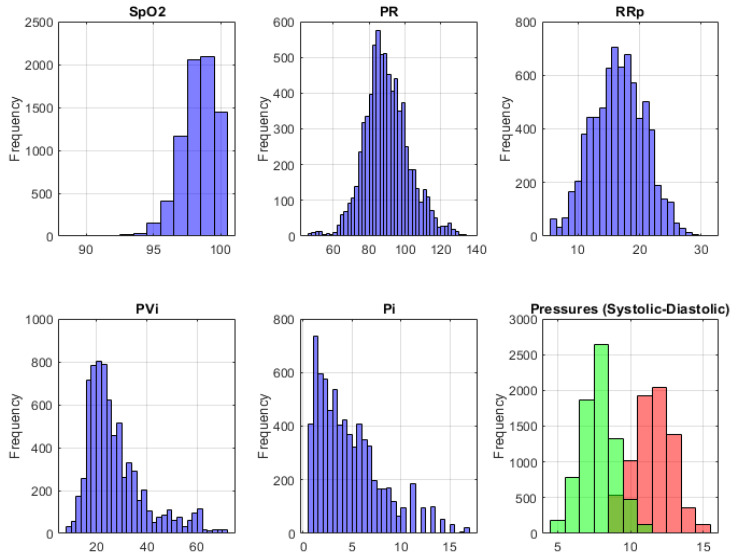 Figure 2
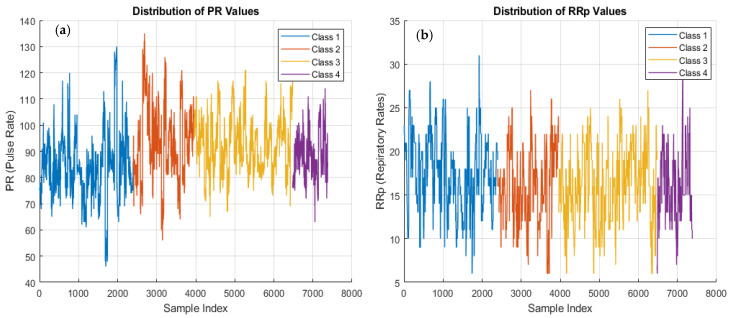 Figure 3
 Figure 4
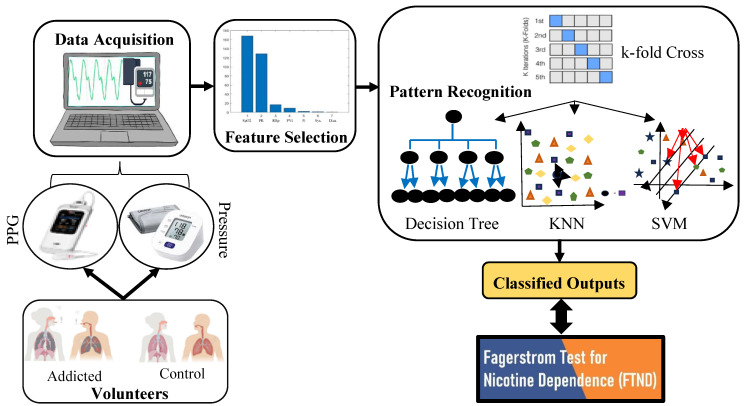 Figure 5
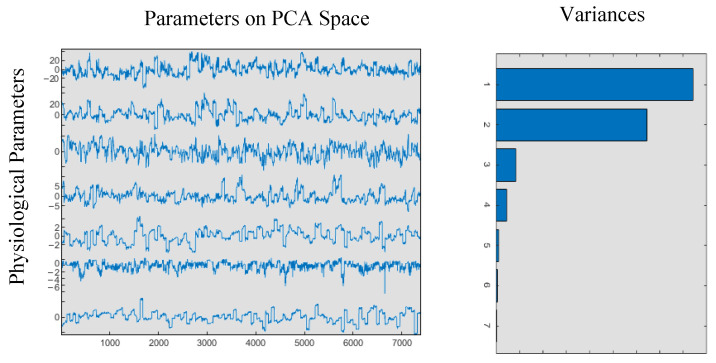 Figure 6
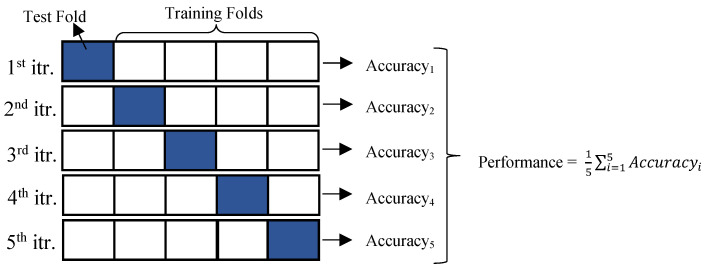 Figure 7
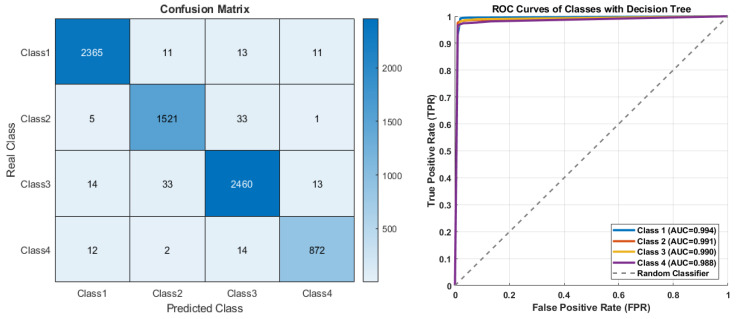 Figure 8
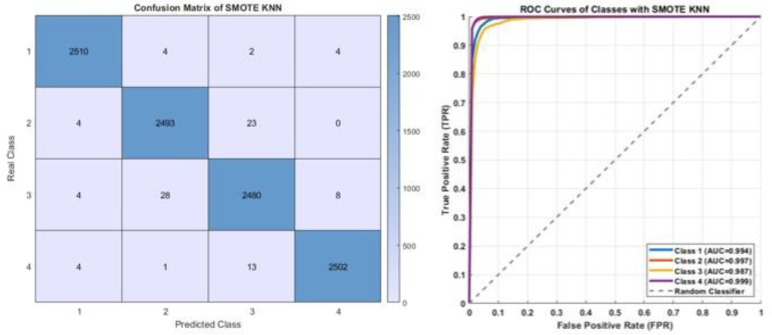 Figure 9
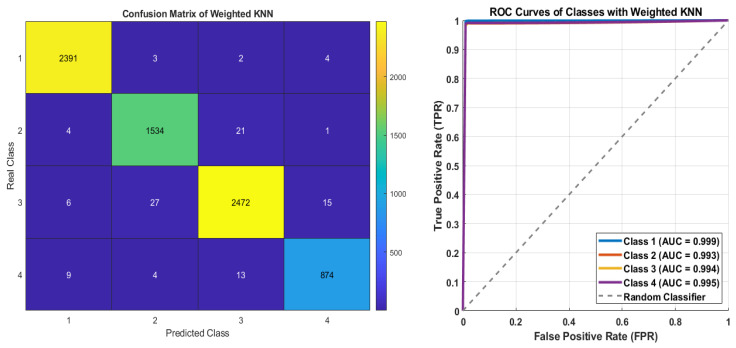 Figure 10
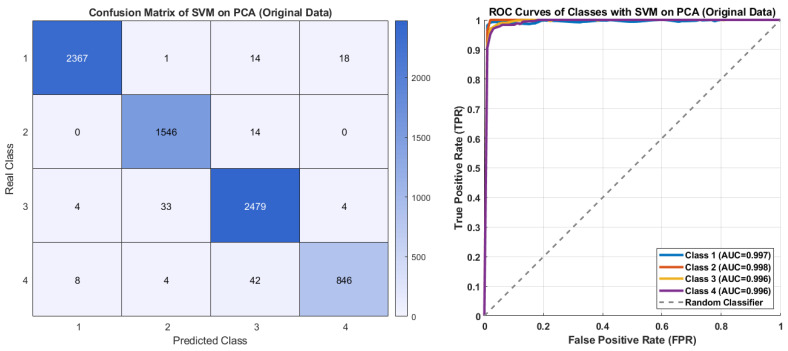 Figure 11
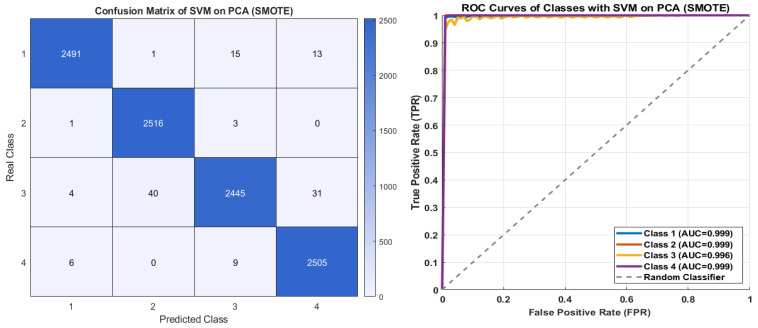 Figure 12
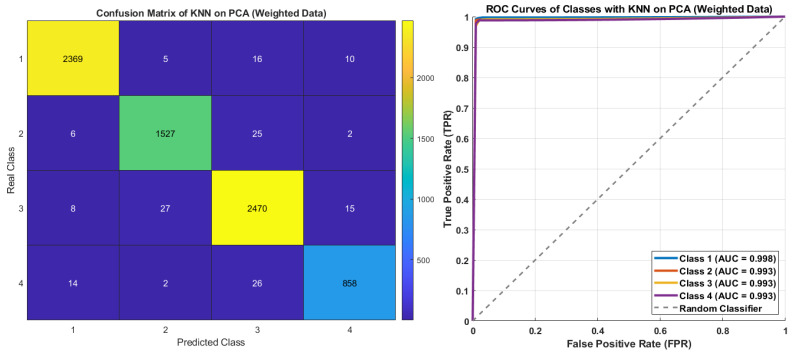 Figure 13
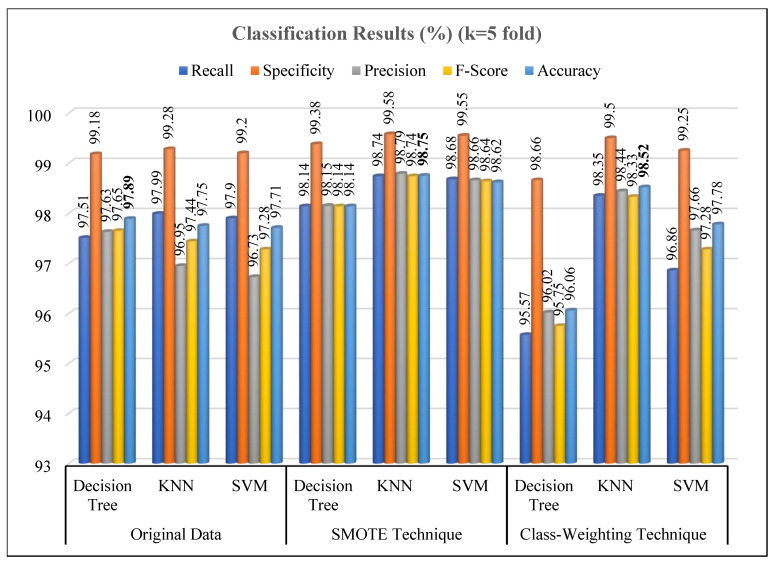 Figure 14
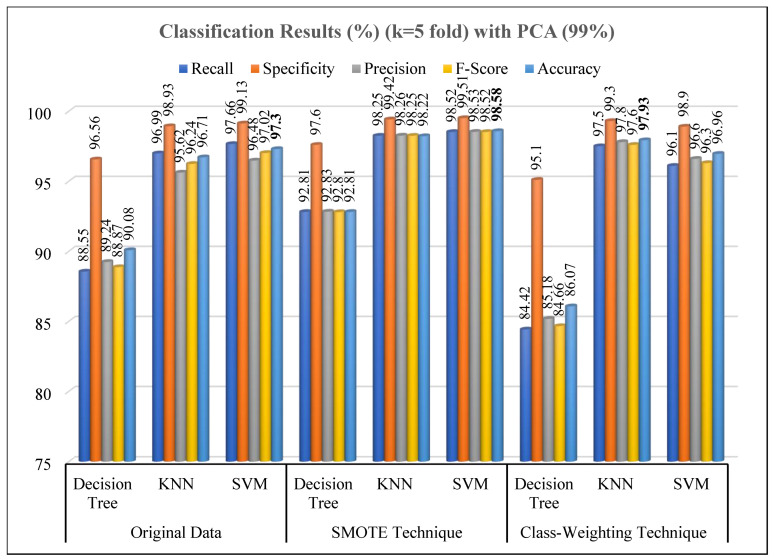 Figure 15
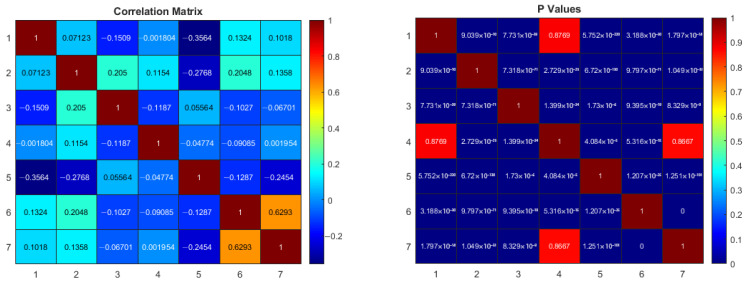 Figure 16
Peer Reviews
No public reviews on file for this paper yet. If you reviewed it on a platform where reviews are public (OpenReview, ICLR, NeurIPS, ICML), you can paste yours below so the community can read it here.
Videos
No videos yet. Explain this paper in a talk, walkthrough, or lecture? Add one.
Taxonomy
TopicsNon-Invasive Vital Sign Monitoring · Smoking Behavior and Cessation · Heart Rate Variability and Autonomic Control