Non-Classic Cornelia de Lange Syndrome Due to BRD4 Gene Alterations: A Literature Review
Fortunato Lonardo, Mariateresa Falco, Claudia Costabile, Paolo Fontana

TL;DR
This paper reviews non-classic Cornelia de Lange Syndrome caused by BRD4 gene mutations, focusing on clinical features and genetic mechanisms.
Contribution
It provides a focused literature review on BRD4-related atypical CdLS, enhancing understanding of its clinical and molecular basis.
Findings
BRD4 gene alterations are linked to non-classic or milder forms of Cornelia de Lange Syndrome.
CdLS shows genetic heterogeneity and variable clinical severity, with BRD4 contributing to atypical presentations.
BRD4 plays roles in multiple pathways, influencing developmental and molecular mechanisms in CdLS.
Abstract
What are the main findings? Review of the literature on the main clinical manifestations and genetic characteristics of Cornelia de Lange syndrome. Review of the literature on Cornelia de Lange syndrome caused by pathogenic variations in the BRD4 gene sequence. What are the implications of the main findings? Improve paediatricians’ knowledge of the clinical spectrum and molecular basis of this condition. Provide valuable information for diagnosis. Cornelia de Lange Syndrome (CdLS) is a rare congenital disorder characterised by distinctive facial features, growth retardation, limb abnormalities and developmental delays. It is characterised by genetic heterogeneity and also presents a broad clinical variability, with a spectrum of manifestations ranging from mild to severe, with milder phenotypes that can be difficult to ascertain based on physical characteristics. Pathogenic…
Genes, proteins, chemicals, diseases, species, mutations and cell lines named across the full text — each resolved to its canonical identifier and authoritative record.
Click any figure to enlarge with its caption.
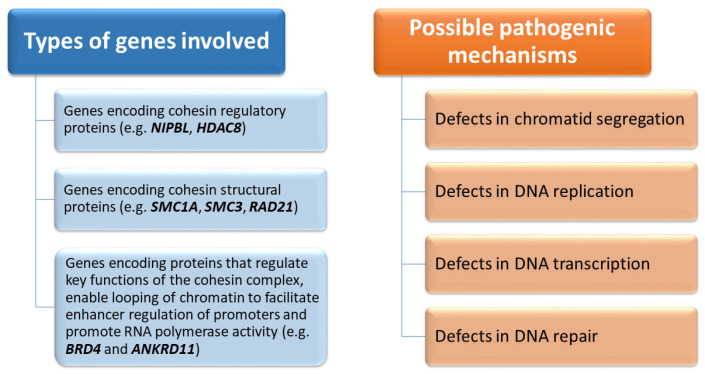 Figure 1
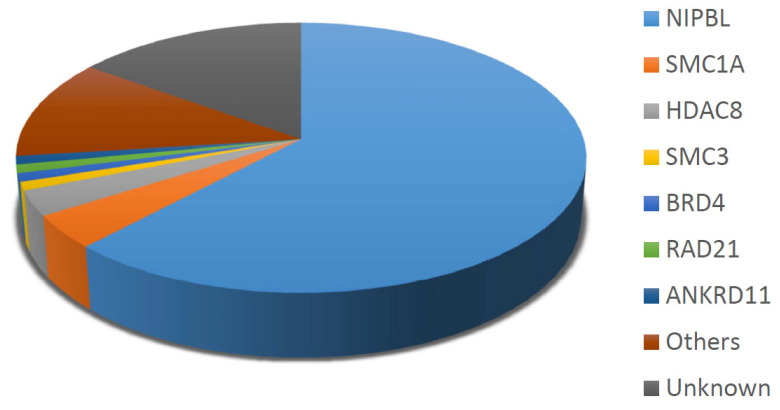 Figure 2
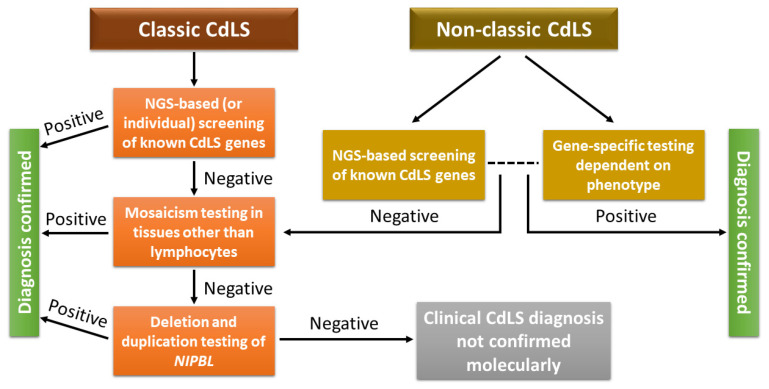 Figure 3
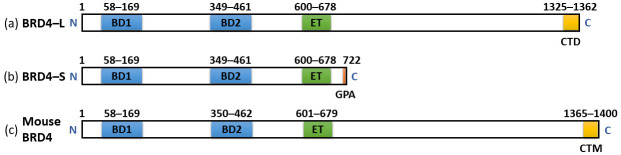 Figure 4
Peer Reviews
No public reviews on file for this paper yet. If you reviewed it on a platform where reviews are public (OpenReview, ICLR, NeurIPS, ICML), you can paste yours below so the community can read it here.
Videos
No videos yet. Explain this paper in a talk, walkthrough, or lecture? Add one.
Taxonomy
TopicsGenomics and Chromatin Dynamics · Chromatin Remodeling and Cancer · Urologic and reproductive health conditions