Activity of Serpins in Context to Hydrophobic Interaction
Irena Roterman, Katarzyna Stapor, Grzegorz Zemanek, Dawid Dulak, Leszek Konieczny

TL;DR
This paper explores how serpins inhibit proteases through structural changes, focusing on hydrophobicity patterns and the role of the Reactive Central Loop.
Contribution
The study introduces a novel approach using the fuzzy oil drop model to analyze serpin activity based on hydrophobicity distribution rather than energy.
Findings
The FOD-M model reveals how hydrophobicity distribution explains serpin structural changes during inhibition.
The RCL segment's role in protease inhibition is clarified through its interaction with beta-sheet A.
Hydrophobicity patterns suggest that structural disorder in certain complexes may signal degradation.
Abstract
The activity of serpins uses a specific mechanism or process. This process comprises several steps and is related to significant structural changes that involve significant displacement of chain fragments and whole molecules of protease. An important role is played by a segment of the serpin chain called the Reactive Central Loop (RCL), which interacts with the protease by inhibiting its activity. For the covalent binding of the protease to serpin, the movement of the protease molecule is an effect of splicing the RCL segment into beta-sheet A of serpin. There are structural forms—native, latent, Michaelis complex (non-covalent enzyme-inhibitor complex prior to RCL cleavage), covalent serpin–protease complex, and cleaved—associated with serpin activity. In this work, all these structural forms are discussed using the fuzzy oil drop (FOD-M) model, where the assessment criterion of…
Genes, proteins, chemicals, diseases, species, mutations and cell lines named across the full text — each resolved to its canonical identifier and authoritative record.
Click any figure to enlarge with its caption.
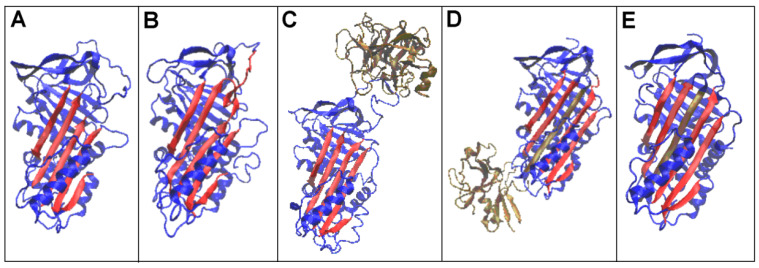 Figure 1
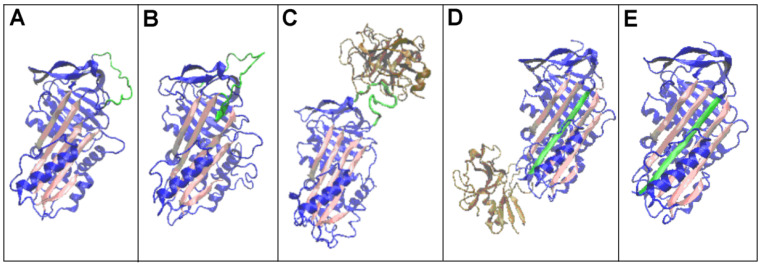 Figure 2
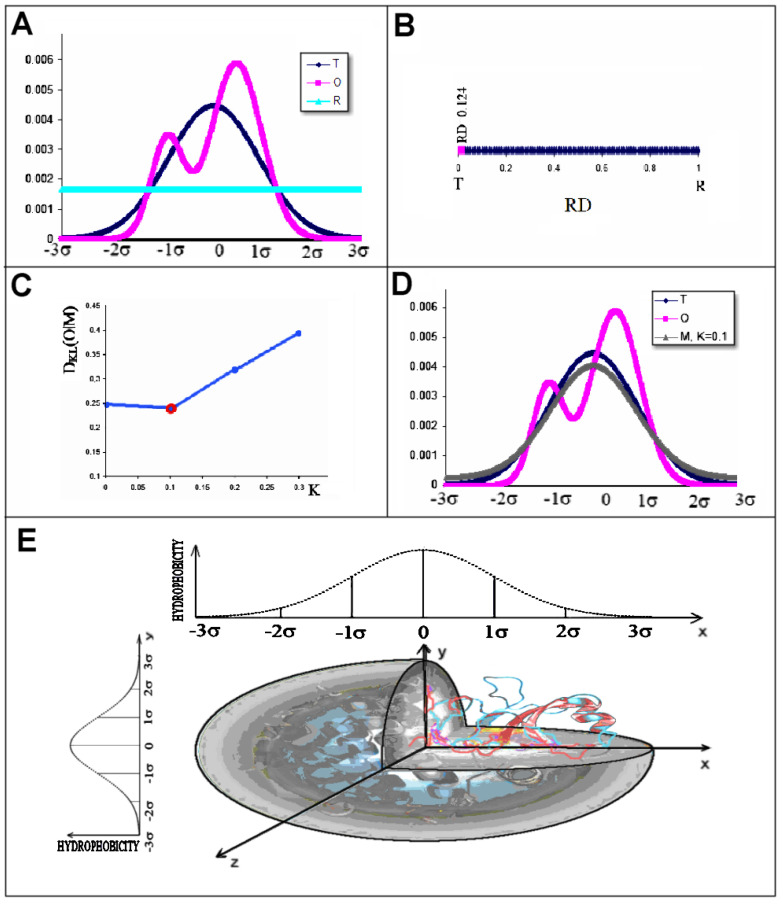 Figure 3
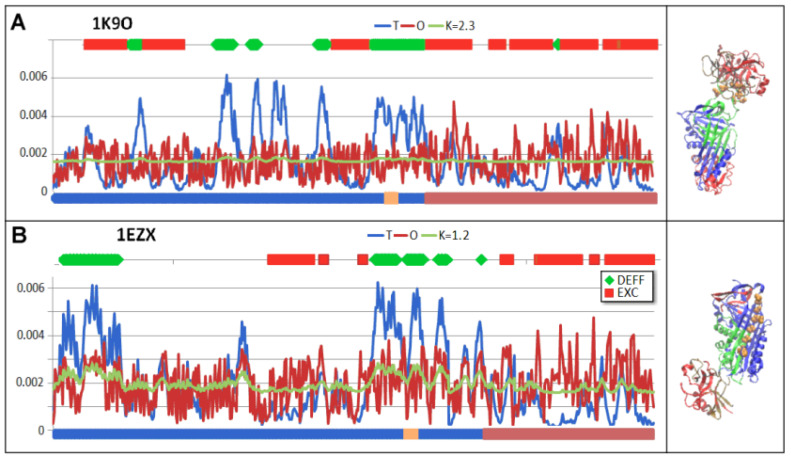 Figure 4
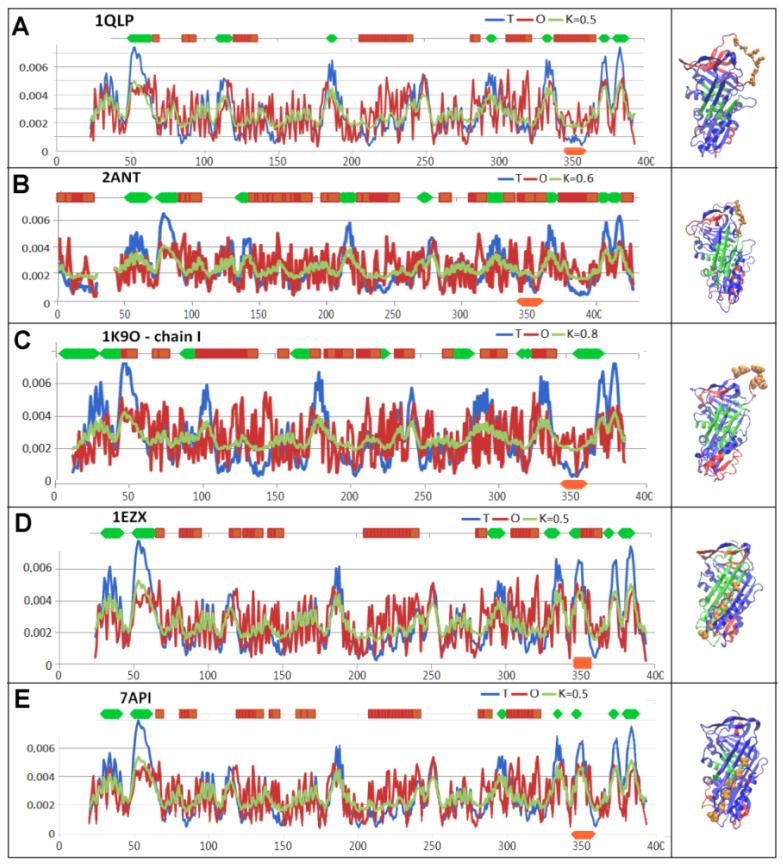 Figure 5
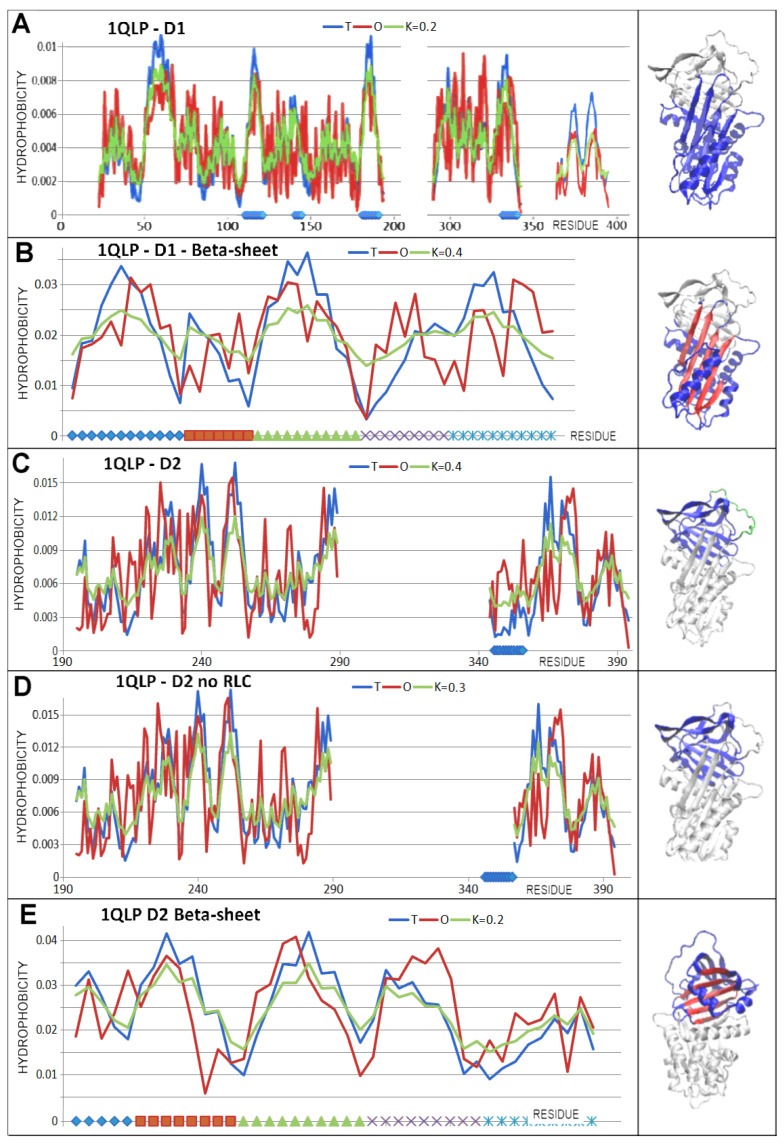 Figure 6
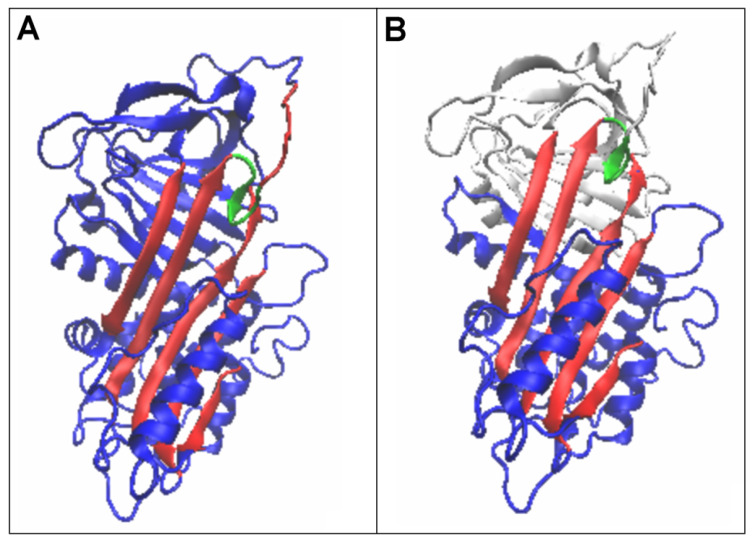 Figure 7
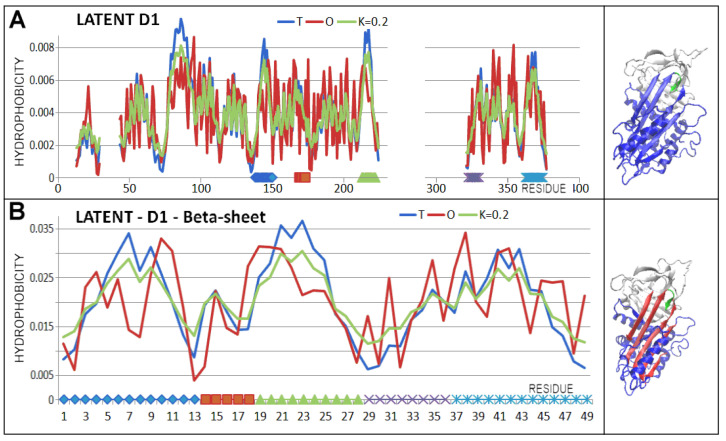 Figure 8
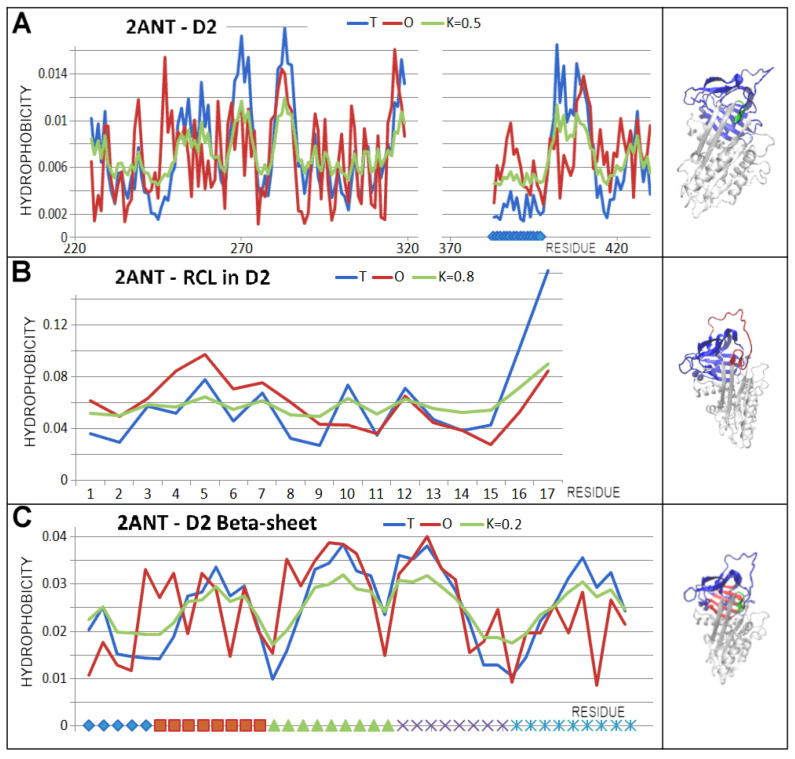 Figure 9
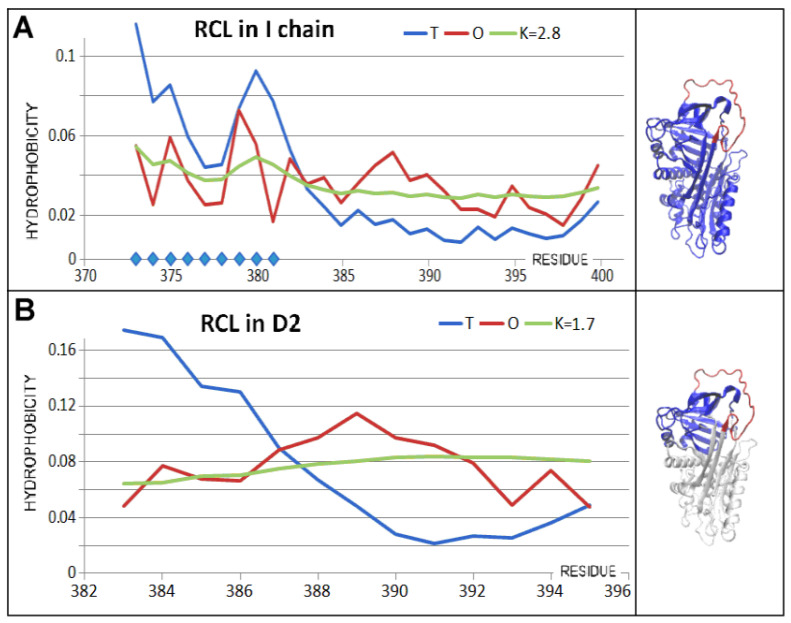 Figure 10
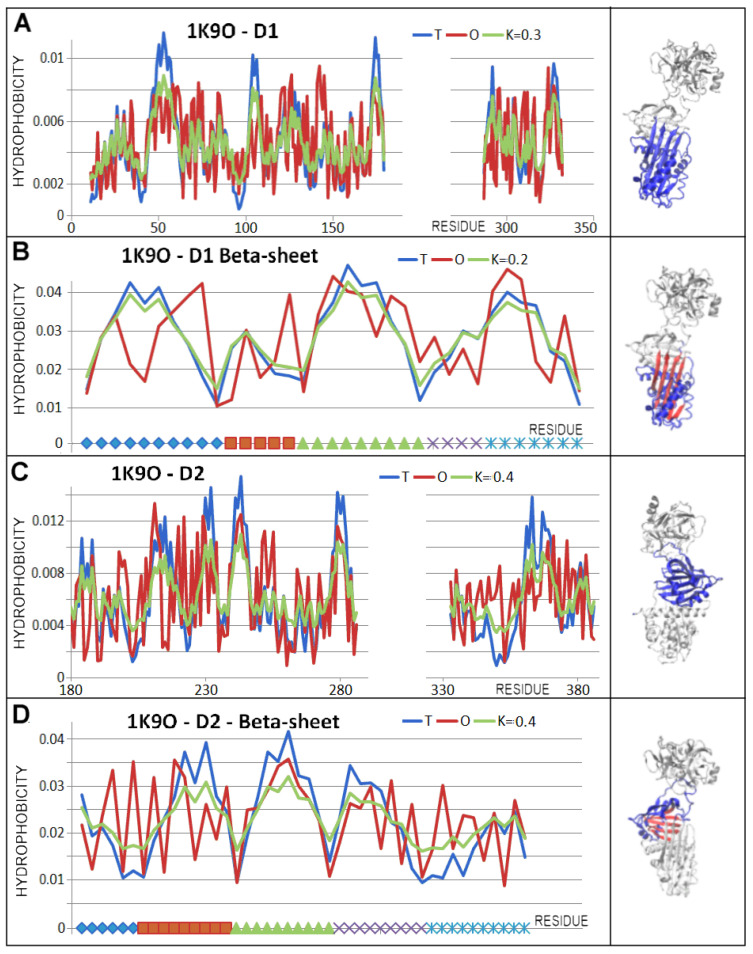 Figure 11
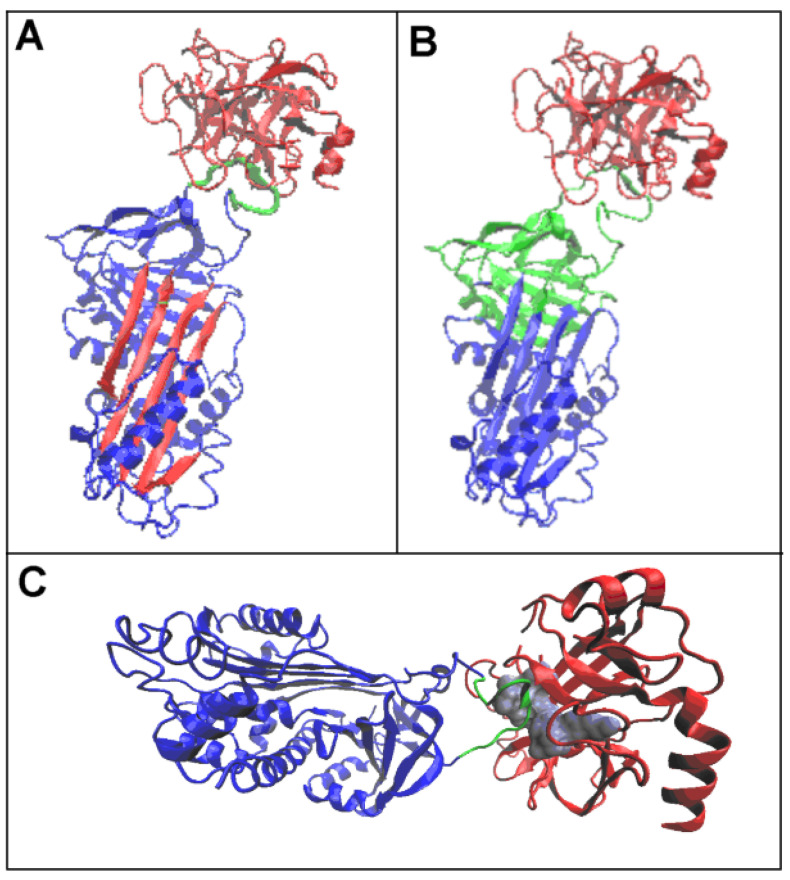 Figure 12
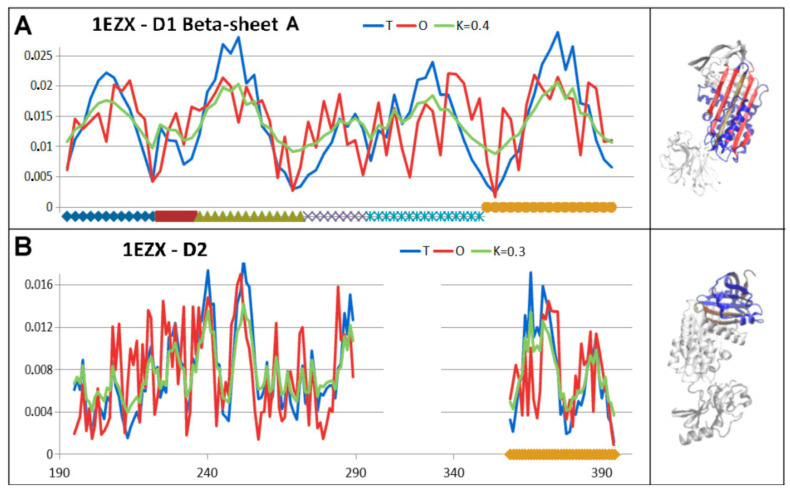 Figure 13
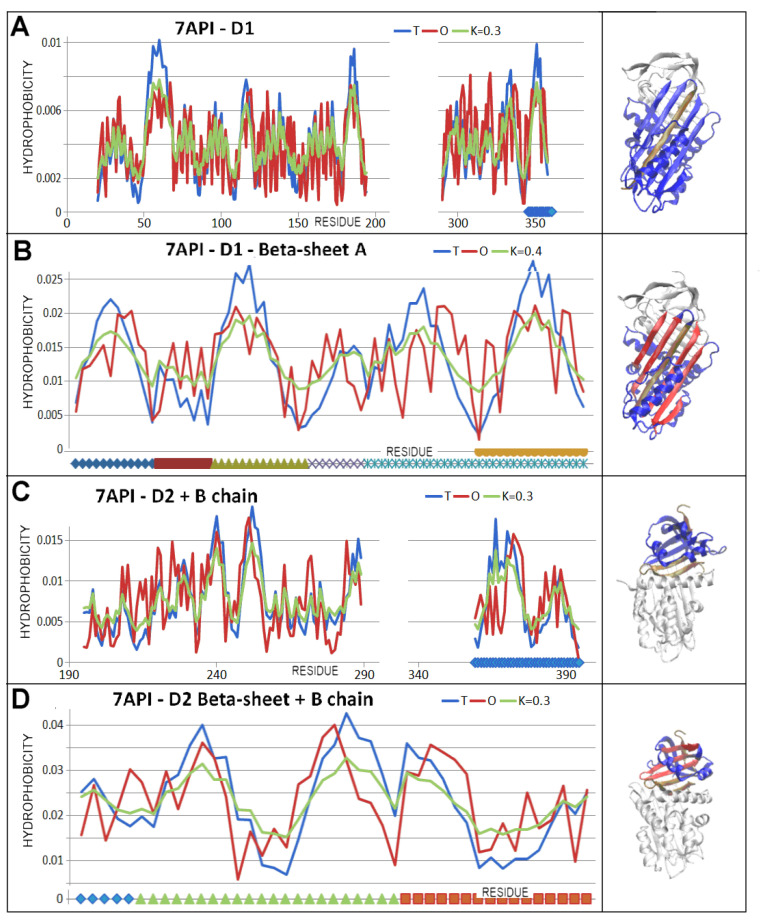 Figure 14
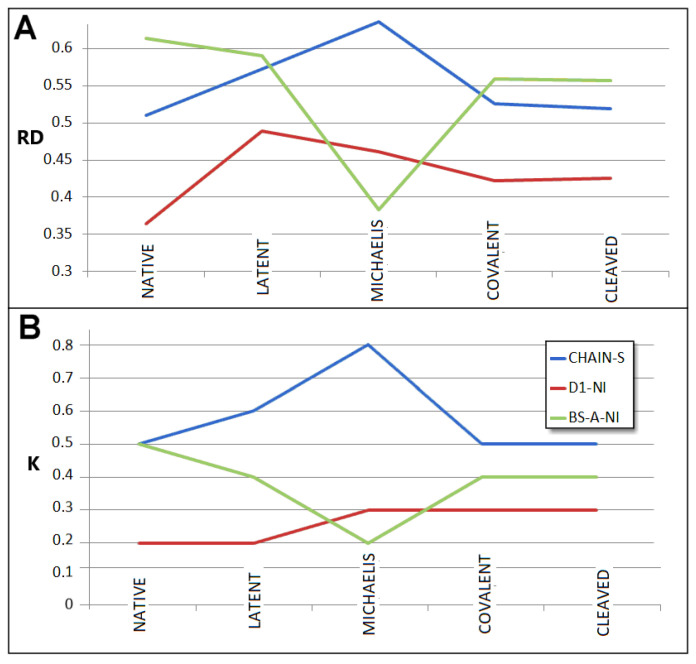 Figure 15
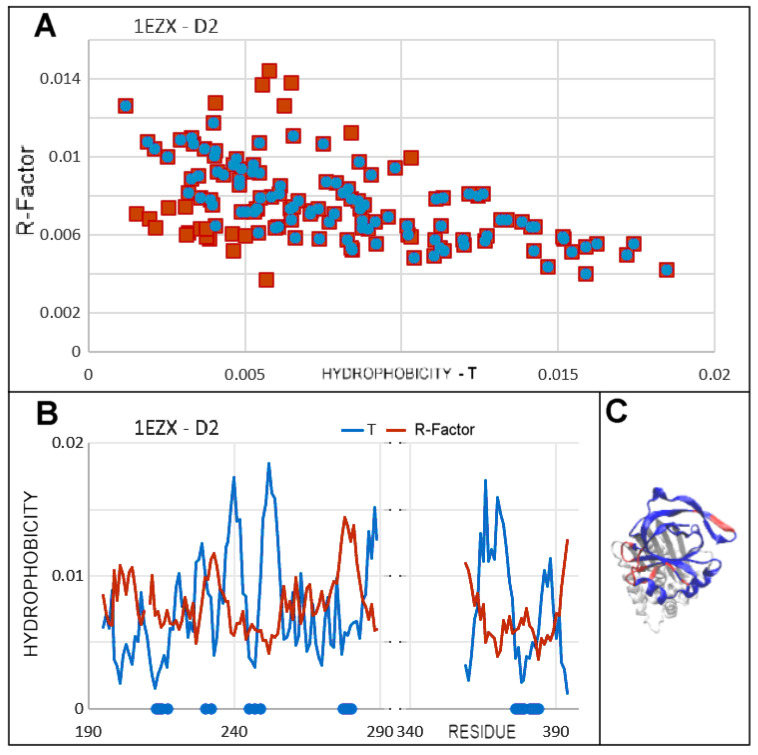 Figure 16
Peer Reviews
No public reviews on file for this paper yet. If you reviewed it on a platform where reviews are public (OpenReview, ICLR, NeurIPS, ICML), you can paste yours below so the community can read it here.
Videos
No videos yet. Explain this paper in a talk, walkthrough, or lecture? Add one.
Taxonomy
TopicsProtease and Inhibitor Mechanisms · Antioxidant Activity and Oxidative Stress · Enzyme Catalysis and Immobilization