The Role of the CCR5 Receptor in Neuropathic Pain Modulation: Current Insights and Therapeutic Implications
Mario García-Domínguez

TL;DR
This review explores how the CCR5 receptor influences neuropathic pain and its potential as a target for new treatments.
Contribution
The paper provides a comprehensive review of CCR5's role in neuropathic pain and its therapeutic potential.
Findings
CCR5 contributes to neuroinflammation and neuropathic pain signaling.
CCR5 is expressed on immune cells and neurons, affecting pain states.
CCR5 antagonists show promise as novel treatments for chronic neuropathic pain.
Abstract
Neuropathic pain, a chronic condition arising from injury or dysfunction of the somatosensory nervous system, is characterized by persistent hypersensitivity and spontaneous pain. The chemokine receptor CCR5 (C-C motif chemokine receptor 5) has recently been identified as a critical mediator in neuroinflammation and neuropathic pain signaling pathways. Expressed on immune cells and neurons, CCR5 regulates immune cell recruitment and activation, thereby contributing to neuronal sensitization and maintenance of pain states. This review examines the currently characterized molecular mechanisms through which CCR5 modulates neuropathic pain pathophysiology and assesses the potential of CCR5 antagonists as novel therapeutic agents for the management of chronic neuropathic pain. Understanding the involvement of CCR5 in pain modulation may facilitate the development of targeted treatments with…
Genes, proteins, chemicals, diseases, species, mutations and cell lines named across the full text — each resolved to its canonical identifier and authoritative record.
Click any figure to enlarge with its caption.
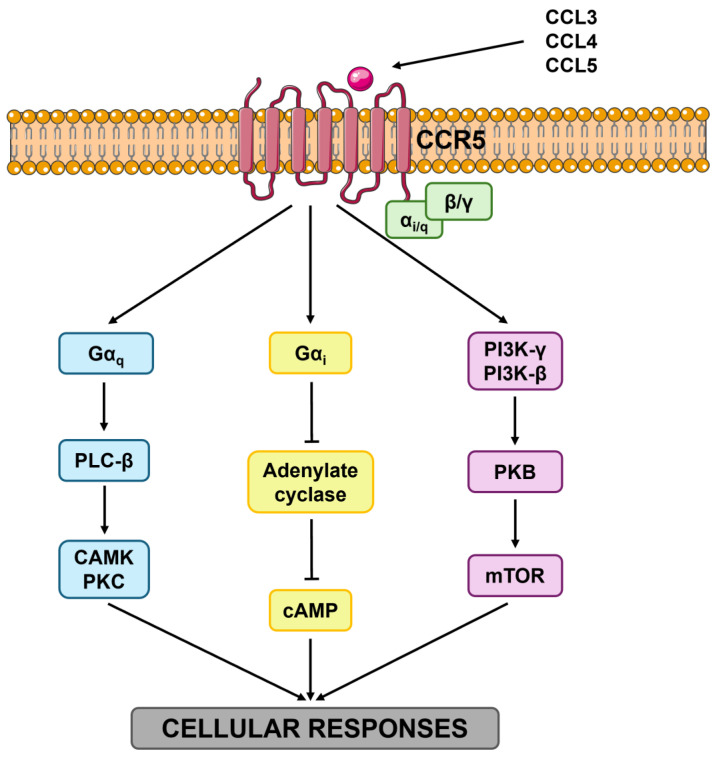 Figure 1
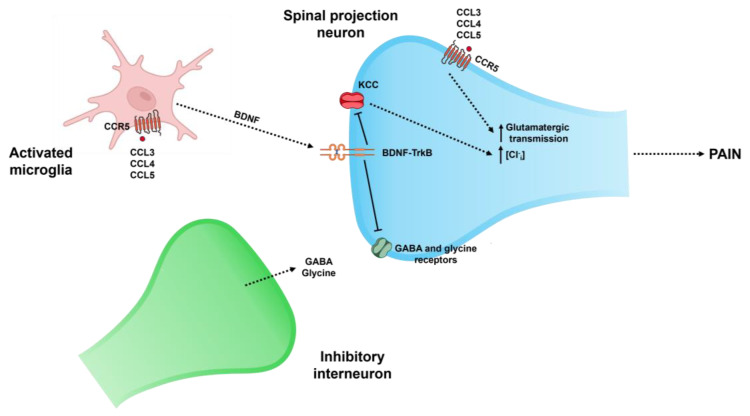 Figure 2
Peer Reviews
No public reviews on file for this paper yet. If you reviewed it on a platform where reviews are public (OpenReview, ICLR, NeurIPS, ICML), you can paste yours below so the community can read it here.
Videos
No videos yet. Explain this paper in a talk, walkthrough, or lecture? Add one.
Taxonomy
TopicsPain Mechanisms and Treatments · Chemokine receptors and signaling · Nerve injury and regeneration