Deep Learning Model-Based Architectures for Lung Tumor Mutation Profiling: A Systematic Review
Samanta Ortuño-Miquel, Reyes Roca, Cristina Alenda, Francisco Aranda, Natividad Martínez-Banaclocha, Sandra Amador, David Gil

TL;DR
This paper reviews how deep learning models can predict genetic mutations in lung tumors using histopathology images, aiming to improve cancer diagnosis and treatment.
Contribution
A systematic review of deep learning architectures for lung tumor mutation profiling using histopathology data, highlighting performance and challenges.
Findings
Sixteen studies used deep learning to predict NSCLC mutations like EGFR, KRAS, and TP53 from histopathology images.
Model performance varied, with AUCs ranging from 0.65 to 0.95, indicating potential but inconsistent accuracy.
Challenges include limited data, lack of standardization, and poor external validation affecting reproducibility.
Abstract
Lung cancer is a leading cause of cancer-related deaths worldwide, and understanding the genetic mutations that drive tumor growth is crucial for improving diagnosis and treatment. This study systematically reviews recent research using deep learning approaches to analyze lung tumor mutations, particularly in non-small-cell lung cancer. We summarize the architectures, data sources, and performance outcomes of various models, highlighting their potential for accurate and automated mutation profiling. The review also discusses current challenges, such as limited data and model interpretability, and identifies promising directions for future research. Our findings aim to guide scientists and clinicians in adopting deep learning techniques for more precise and efficient lung cancer genomics. Background/Objectives: Lung cancer (NSCLC), which accounts for approximately 85% of lung cancers,…
Genes, proteins, chemicals, diseases, species, mutations and cell lines named across the full text — each resolved to its canonical identifier and authoritative record.
Click any figure to enlarge with its caption.
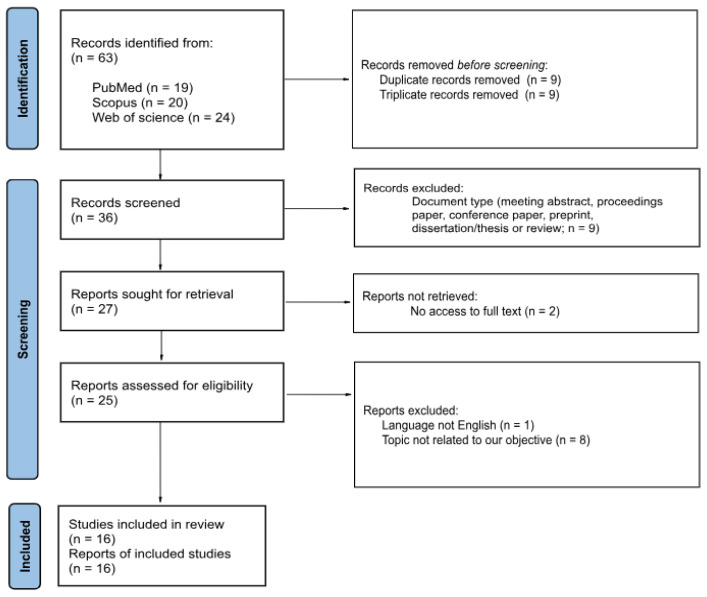 Figure 1
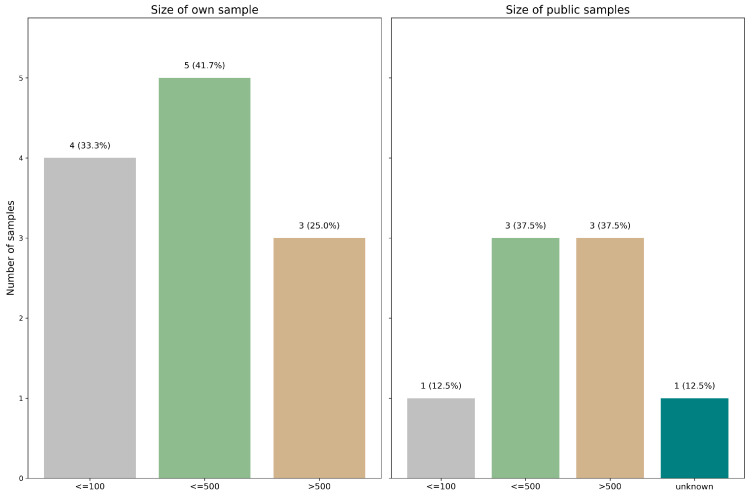 Figure 2
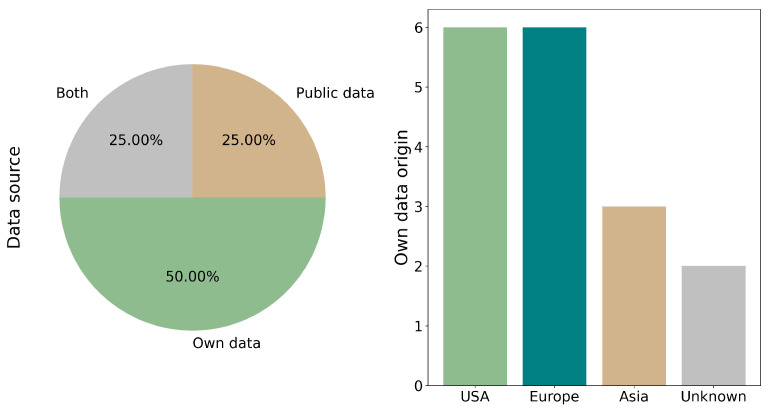 Figure 3
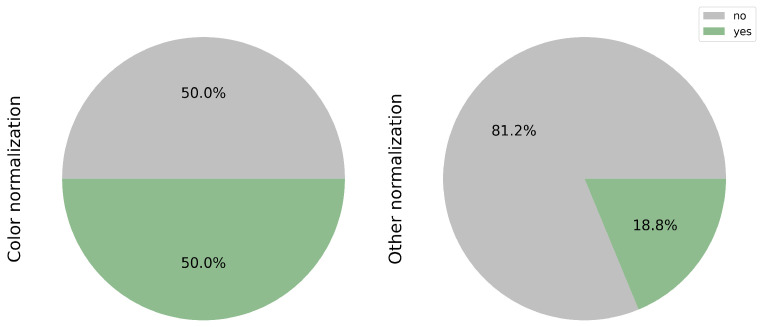 Figure 4
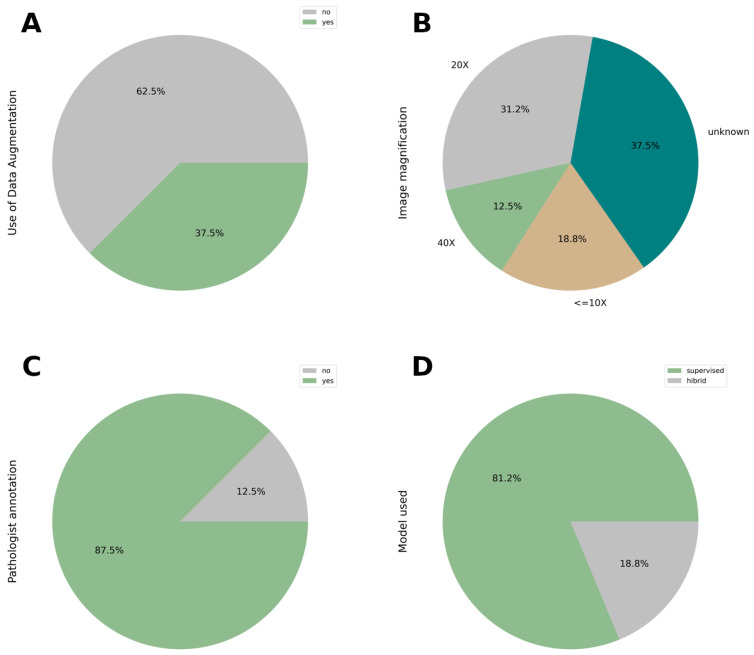 Figure 5
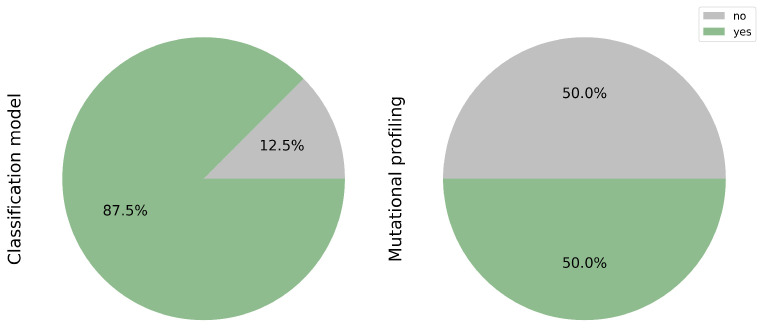 Figure 6
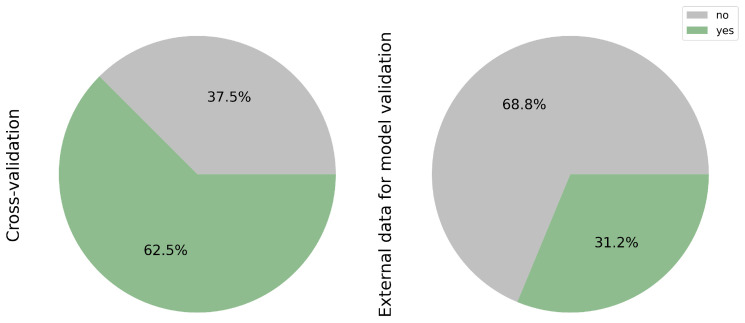 Figure 7
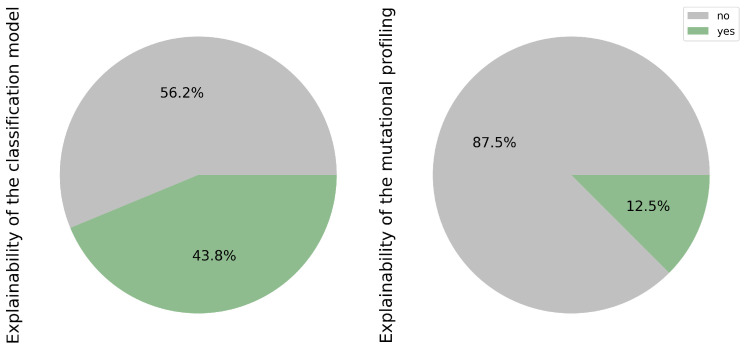 Figure 8
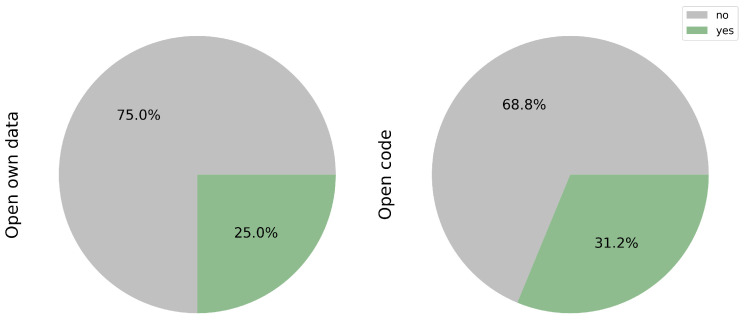 Figure 9
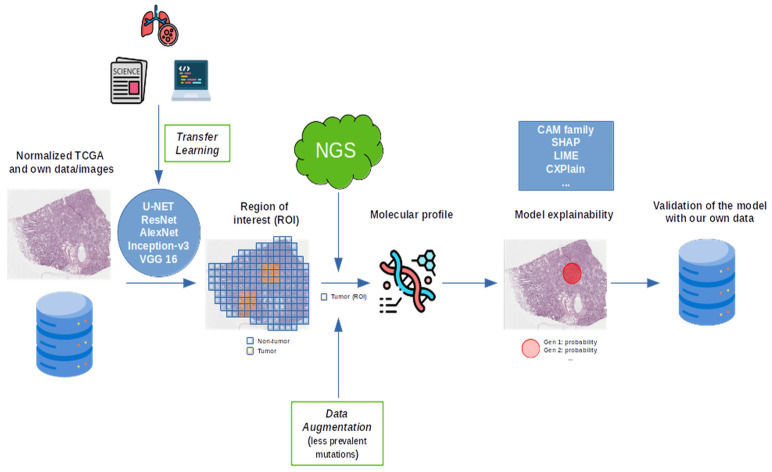 Figure 10
Peer Reviews
No public reviews on file for this paper yet. If you reviewed it on a platform where reviews are public (OpenReview, ICLR, NeurIPS, ICML), you can paste yours below so the community can read it here.
Videos
No videos yet. Explain this paper in a talk, walkthrough, or lecture? Add one.
Taxonomy
TopicsRadiomics and Machine Learning in Medical Imaging · AI in cancer detection · Machine Learning in Healthcare