DEG-by-Index Ratio Transformation Normalization with Blood RNA-Seq Enhances Early and Consistent Detection of Mouse Tumorigenesis
Sang Woon Shin, Ji Ae Kim, Jong-Hoon Kim, Jun Hyoung Jeon, Kunhyang Park, Dae-Soo Kim, Jong Soon Kang, Myeong Youl Lee, Doo-Sang Park, SooJin Lee, Hyun-Woo Oh

TL;DR
A new normalization method called DiRT improves early detection of tumors in mice using blood RNA-Seq data.
Contribution
DiRT enables earlier and more consistent detection of tumor-related gene changes in mouse blood RNA-Seq data.
Findings
DiRT separates tumor and control samples as early as three days after tumor induction.
DiRT-derived genes are enriched in the platelet activation signaling pathway.
Standard methods detect changes later or inconsistently compared to DiRT.
Abstract
Identifying early signals of tumors from blood using RNA-Seq is challenging because differences between samples can hide important changes in gene activity. In this study, we applied a new method called DiRT to analyze mouse blood RNA-Seq data. DiRT was able to clearly separate tumor samples from healthy ones at the earliest stages and consistently track changes as the disease progressed. In contrast, standard methods often detected differences only later or inconsistently. These results show that DiRT improves the sensitivity and reliability of blood RNA-Seq analysis, making it easier to detect tumor-related signals early in the disease. Variability in blood RNA-Seq data can obscure transcriptional changes that reflect tumor responses, and conventional normalization methods such as RLE/DESeq2 or TMM/edgeR often fail to capture these changes consistently. To address this challenge, we…
Genes, proteins, chemicals, diseases, species, mutations and cell lines named across the full text — each resolved to its canonical identifier and authoritative record.
Click any figure to enlarge with its caption.
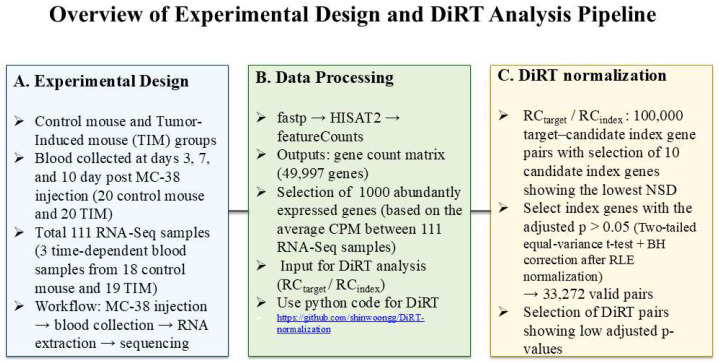 Figure 1
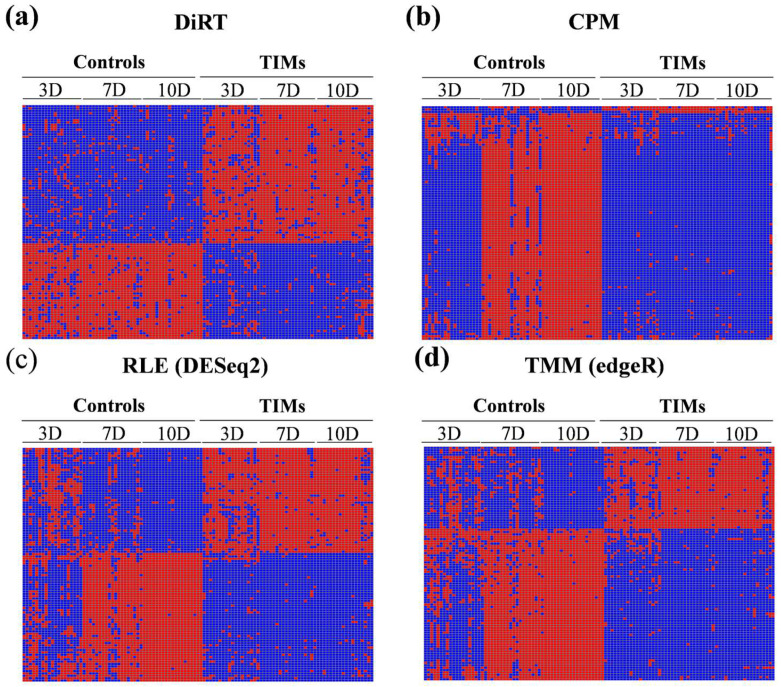 Figure 2
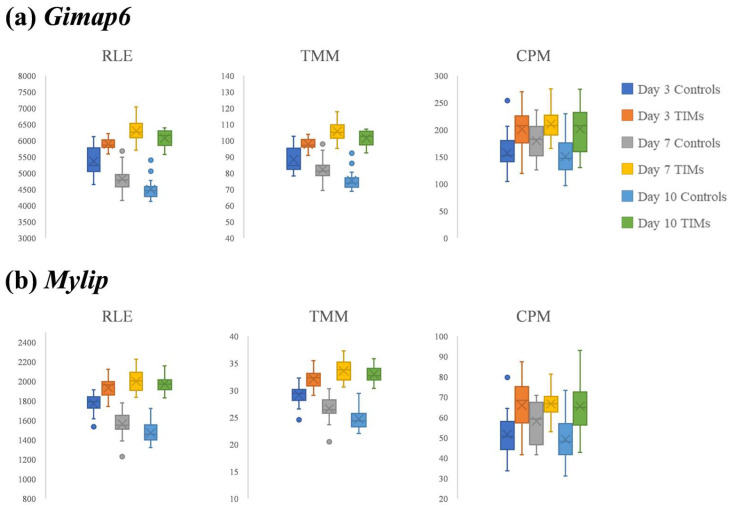 Figure 3
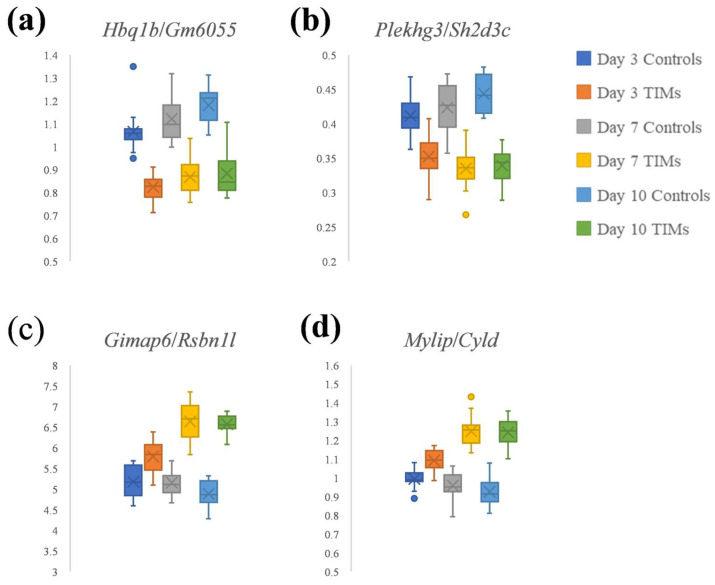 Figure 4
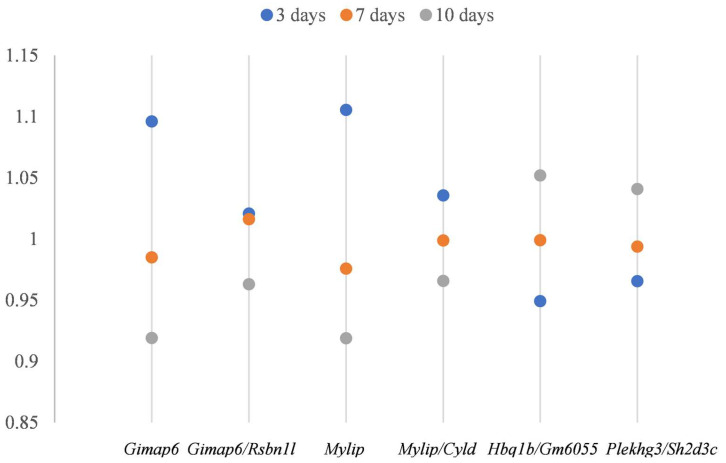 Figure 5
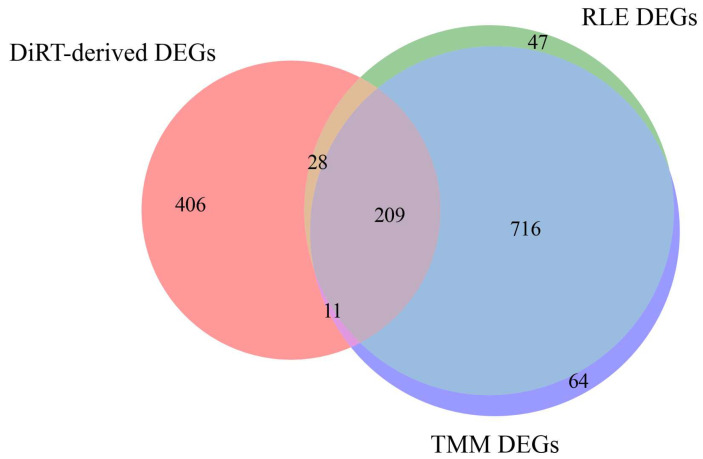 Figure 6
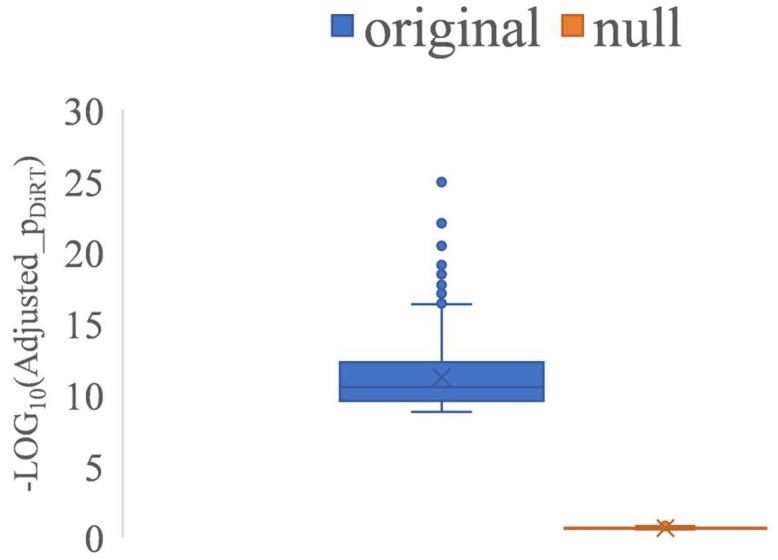 Figure 7
Peer Reviews
No public reviews on file for this paper yet. If you reviewed it on a platform where reviews are public (OpenReview, ICLR, NeurIPS, ICML), you can paste yours below so the community can read it here.
Videos
No videos yet. Explain this paper in a talk, walkthrough, or lecture? Add one.
Taxonomy
TopicsSingle-cell and spatial transcriptomics · Cancer Genomics and Diagnostics · Cancer-related molecular mechanisms research