Explainable Machine Learning for Heat-Related Illness Prediction: An XGBoost–SHAP Approach Using Korean Meteorological Data
Chaeyeong Im, Wonji Kim, Heesoo Kim

TL;DR
This paper uses machine learning and meteorological data to predict heat-related illness risk in South Korean cities, with strong accuracy and explainable insights.
Contribution
The novel contribution is applying XGBoost and SHAP for interpretable heat-related illness prediction using Korean climate data.
Findings
The model achieved an AUC of 0.895 in predicting heat-related illness risk.
Mean daily temperature, solar radiation, and minimum temperature were identified as key predictors of HRI risk.
Time-series comparisons confirmed the model's real-world effectiveness in forecasting HRI occurrences.
Abstract
The rising frequency of heat-related illnesses (HRIs) under climate change presents urgent public health challenges, particularly in urban environments. This study develops an explainable machine learning (ML) model to predict HRI risk using metrological data from seven major South Korean metropolitan cities between May and September 2021–2024. We applied eXtreme Gradient Boosting (XGBoost) to model relationships between daily meteorological variables, including maximum and mean daily temperatures, humidity, solar radiation, wind speed, and precipitation, and HRI occurrence. Model performance was validated using 2025 data and demonstrated strong predictive accuracy, with area under the curve (AUC) values 0.895. To enhance interpretability, Shapley Additive exPlanations (SHAP) analysis identified mean daily temperature, solar radiation, and minimum temperature as the strongest…
Genes, proteins, chemicals, diseases, species, mutations and cell lines named across the full text — each resolved to its canonical identifier and authoritative record.
Click any figure to enlarge with its caption.
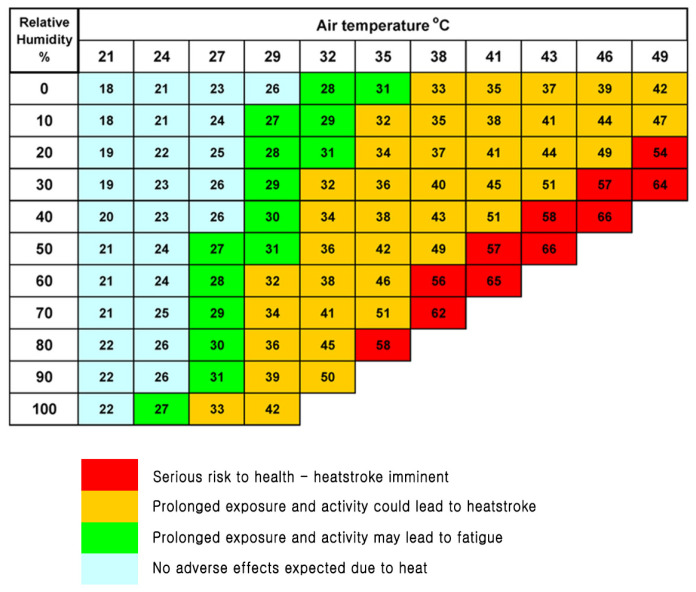 Figure 1
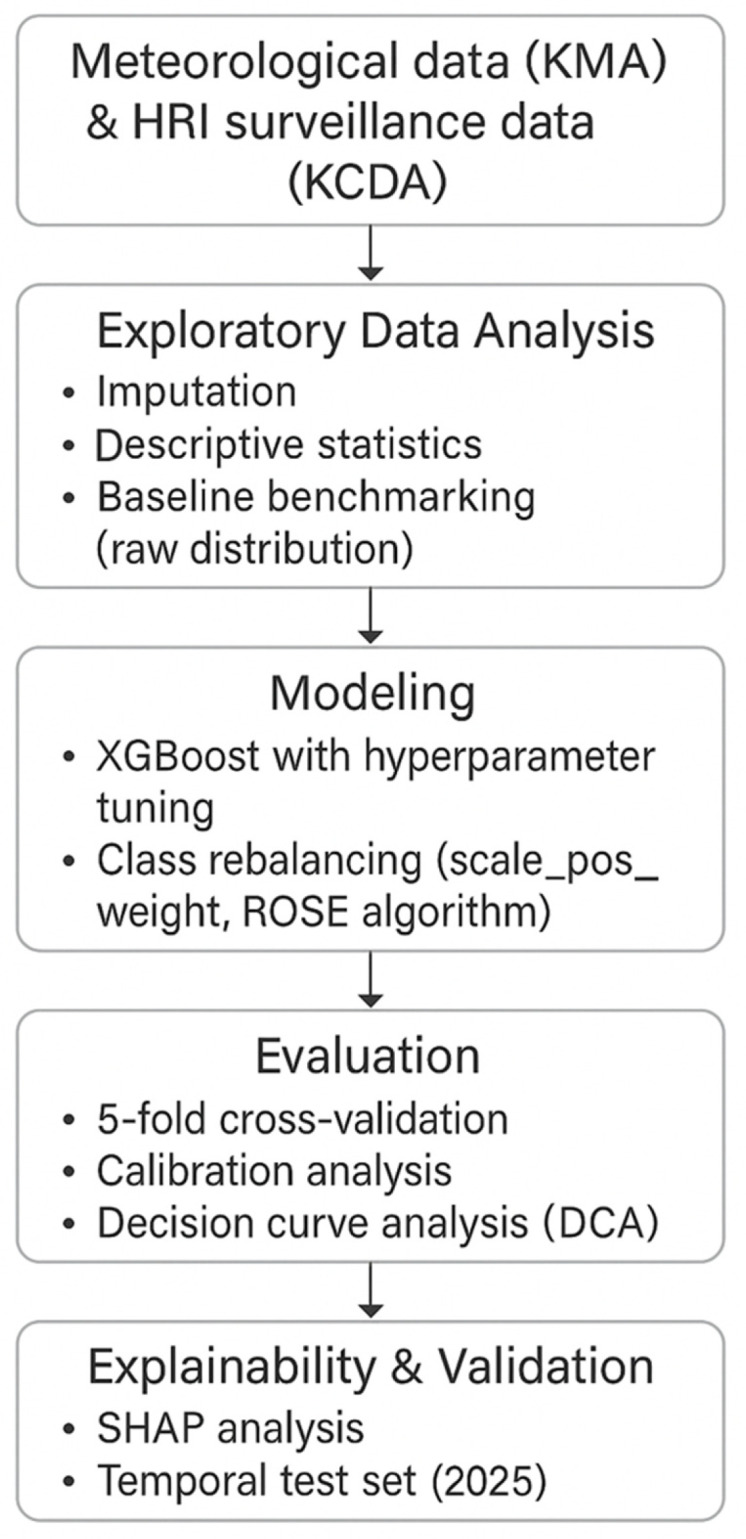 Figure 2
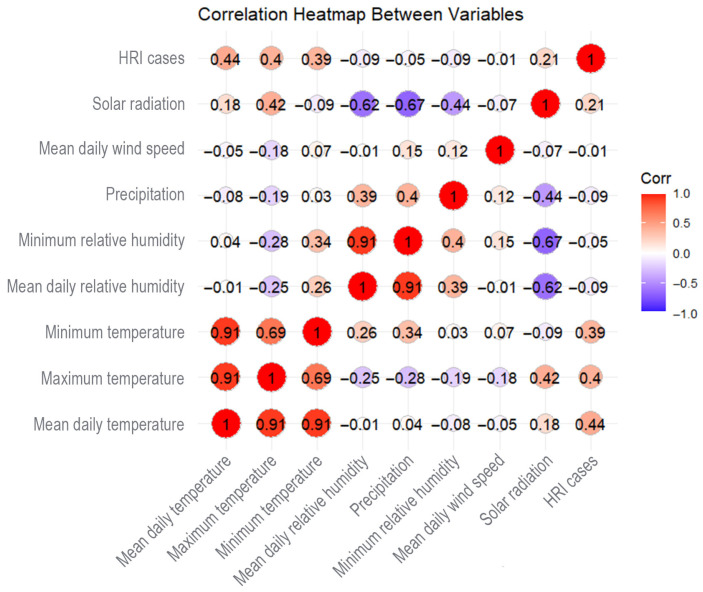 Figure 3
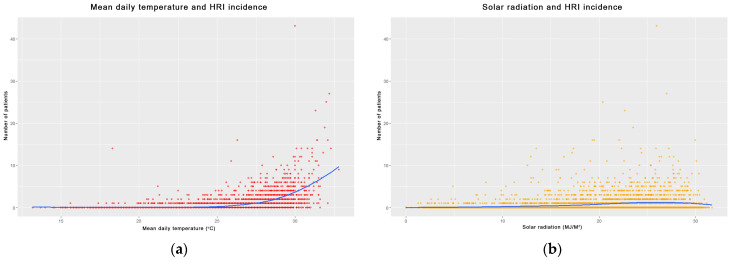 Figure 4
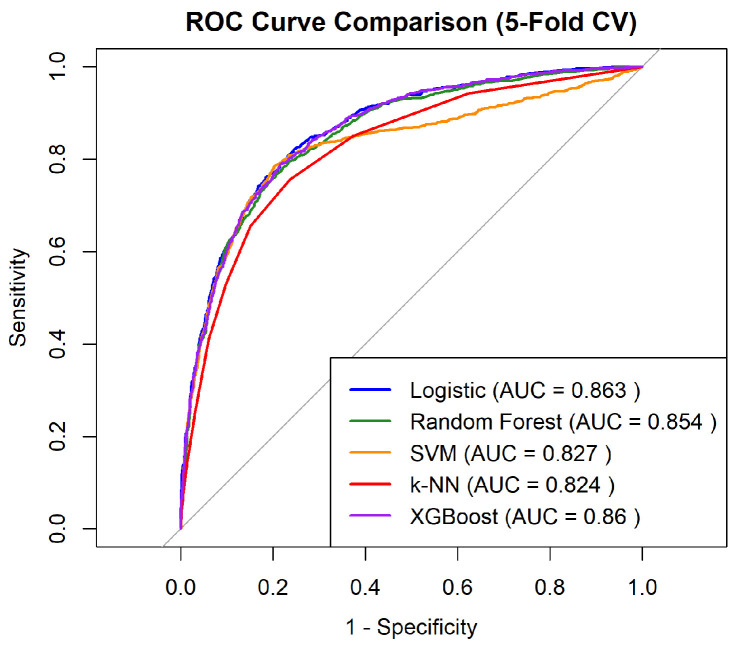 Figure 5
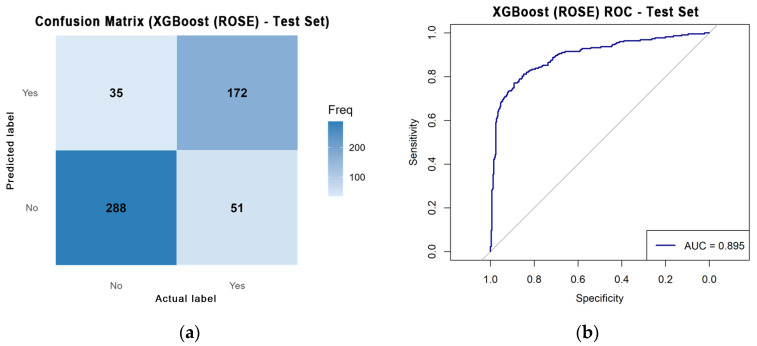 Figure 6
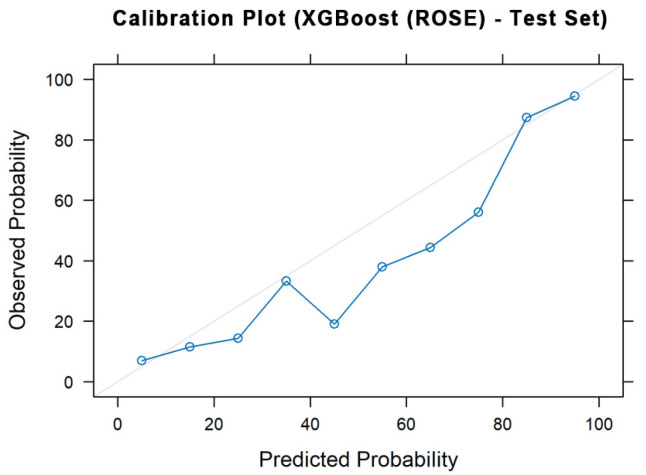 Figure 7
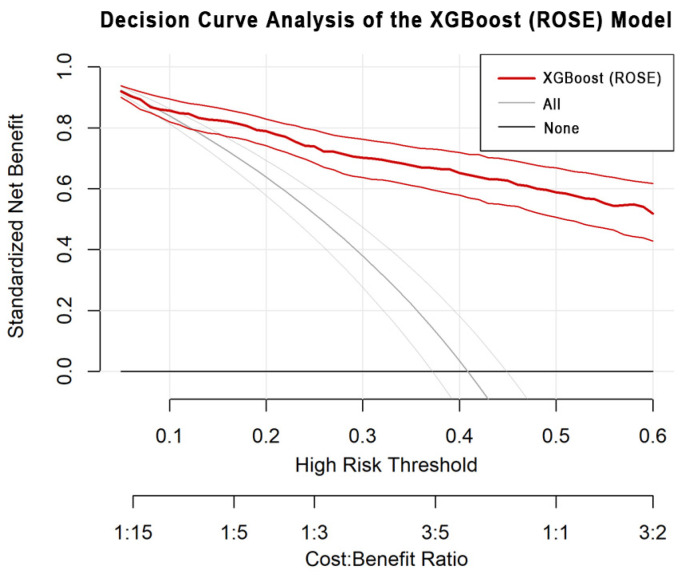 Figure 8
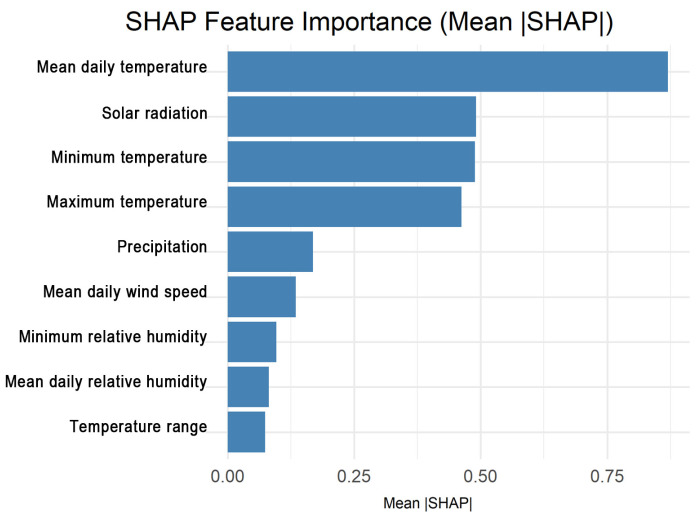 Figure 9
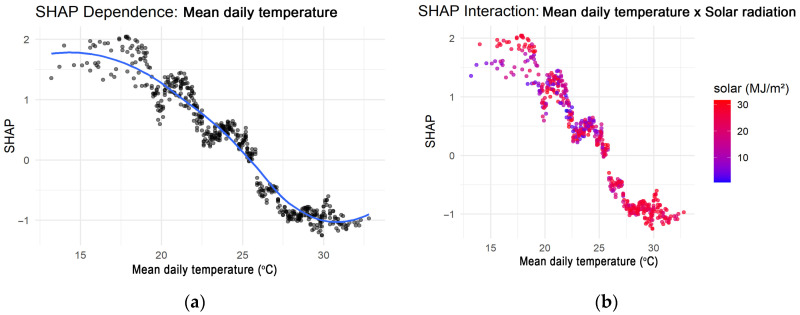 Figure 10
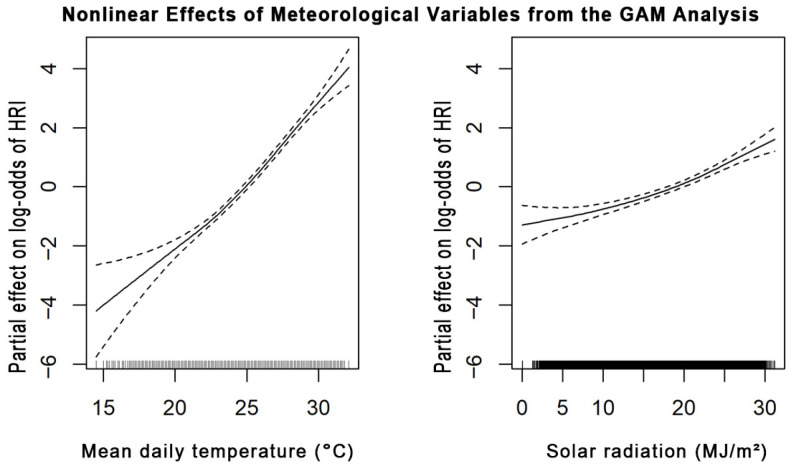 Figure 11
Peer Reviews
No public reviews on file for this paper yet. If you reviewed it on a platform where reviews are public (OpenReview, ICLR, NeurIPS, ICML), you can paste yours below so the community can read it here.
Videos
No videos yet. Explain this paper in a talk, walkthrough, or lecture? Add one.
Taxonomy
TopicsClimate Change and Health Impacts · Climate variability and models · Meteorological Phenomena and Simulations