HSBDF-Derived Bioactive Components Broadly Inhibit Enteroviruses by Targeting 3C Protease and Attenuating Inflammatory Responses
Ruolan Hu, Lin Guan, Siyue Li, Chunlin Liu, Gang Huang, Fuxing Lou, Hongzheng Jiang, Shuqi Wang, Zehan Pang, Yaxin Wang, Zhenlu Li, Han Zhang, Yigang Tong, Huahao Fan, Bixia Hong

TL;DR
A Chinese herbal formula and its flavonoid compounds show broad-spectrum antiviral activity against enteroviruses by inhibiting a key viral enzyme and reducing inflammation.
Contribution
Identification of three flavonoids in Huashi Baidu Formula as potent broad-spectrum anti-enteroviral agents with anti-inflammatory effects.
Findings
HSBDF and its compound velutin inhibit enterovirus replication in mice.
Three flavonoids suppress 3C protease activity and reduce inflammatory markers like IL-6 and TNF-α.
HSBDF modulates MAPK and NF-κB pathways to attenuate inflammation.
Abstract
Human enteroviruses are important pathogens of hand-foot-and-mouth disease, poliomyelitis, and encephalitis, etc., and there are currently no medicines that specifically treat them. Although traditional Chinese herbal medicines showed some antiviral activity during the COVID-19 pandemic, their efficacy and pharmacodynamic material basis against enteroviruses remains underexplored. In this work, we characterized a Chinese herbal mixture, Huashi Baidu Formula, which has already been approved for COVID-19, and found that it shows broad-spectrum anti-enterovirus activity. We identified 152 chemical compounds in Huashi Baidu Formula, among which three flavonoids—velutin, isorhamnetin, and (−)-epicatechin gallate—exhibited potent pan-enteroviral inhibition activity. These compounds block a key viral enzyme and also calm the body’s inflammatory response. Tests in young mice showed that the…
Genes, proteins, chemicals, diseases, species, mutations and cell lines named across the full text — each resolved to its canonical identifier and authoritative record.
Click any figure to enlarge with its caption.
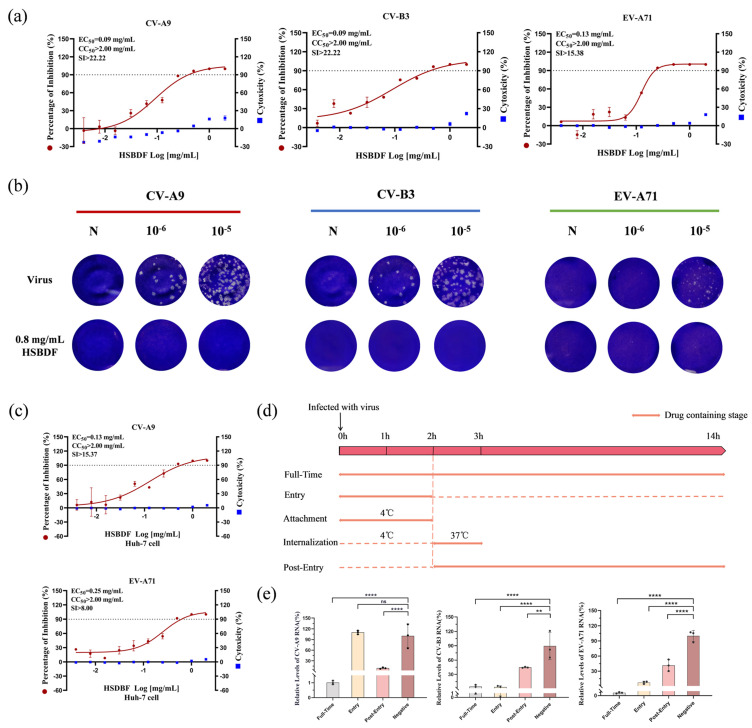 Figure 1
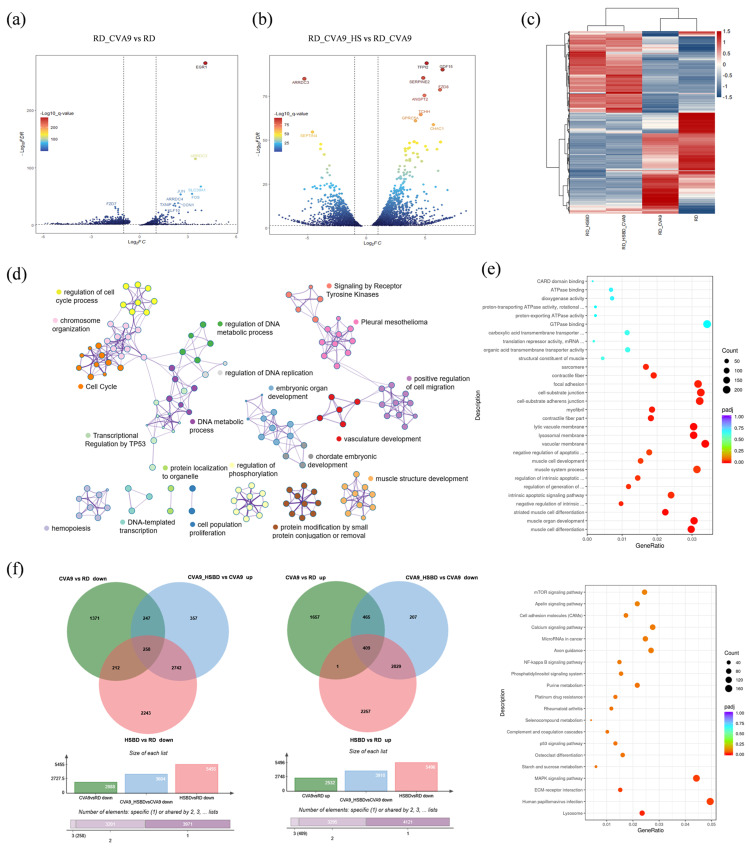 Figure 2
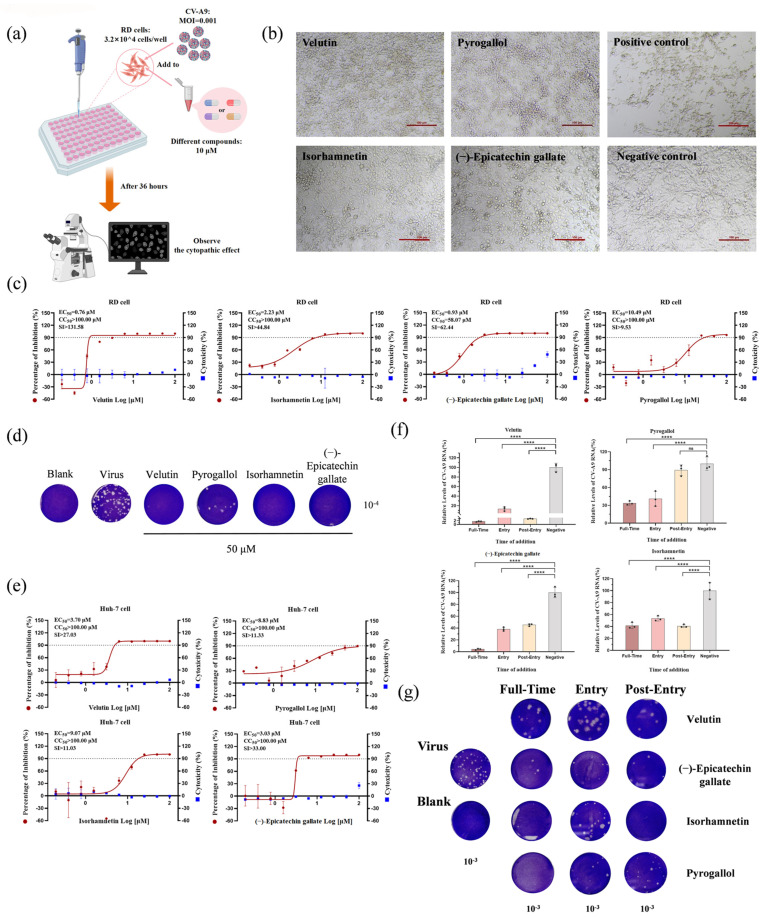 Figure 3
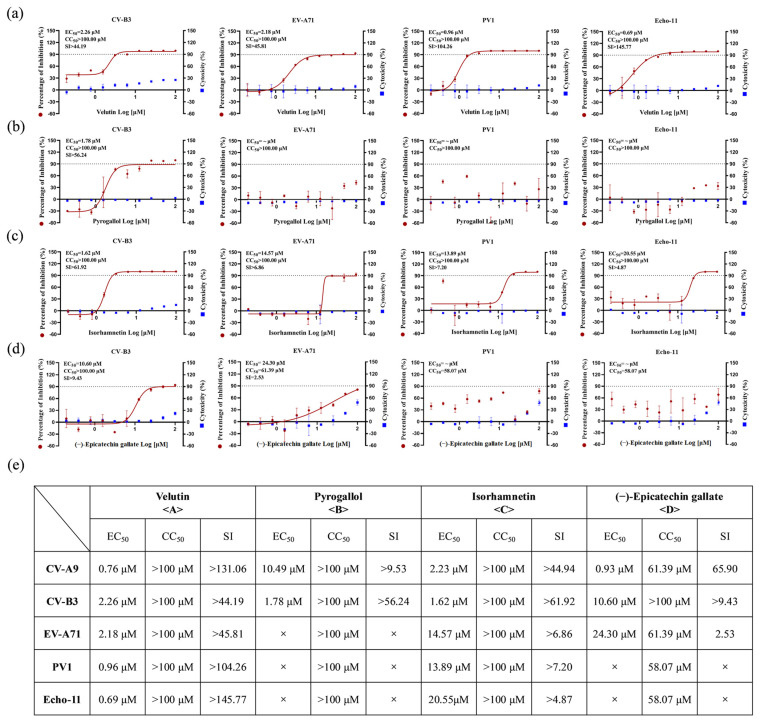 Figure 4
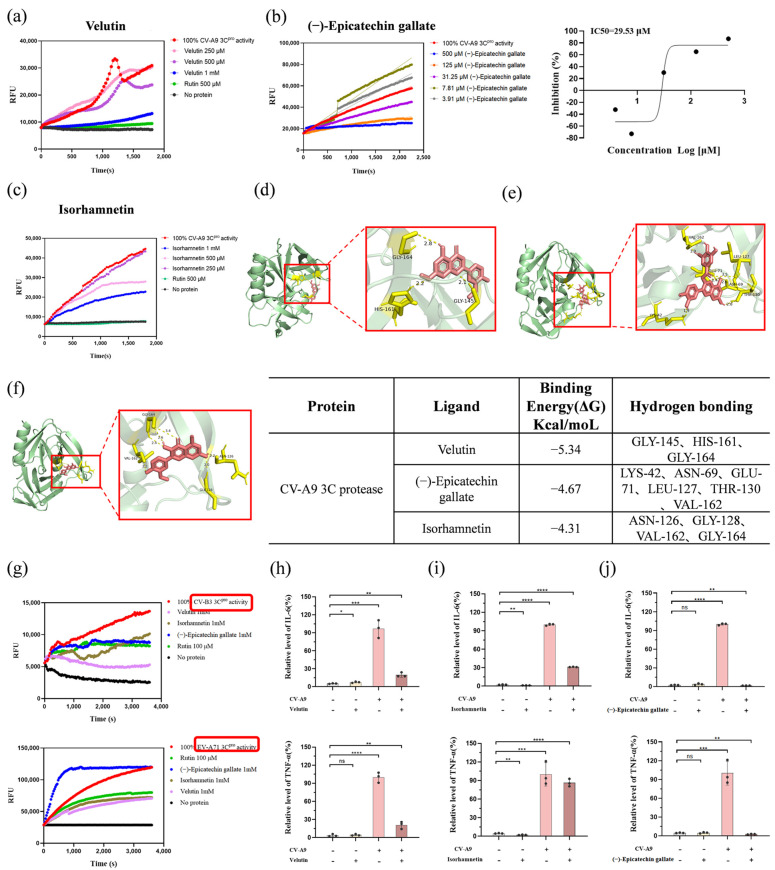 Figure 5
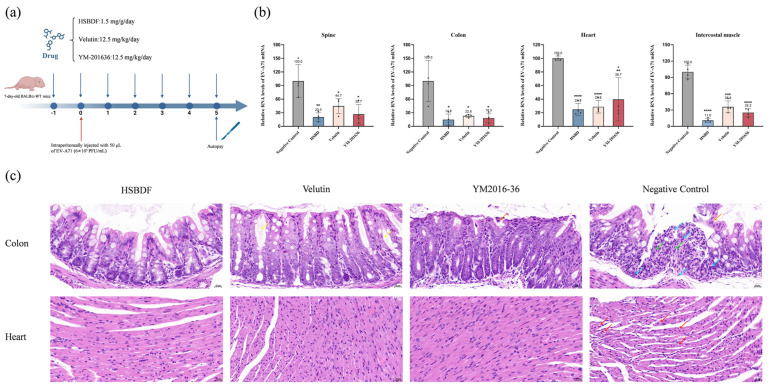 Figure 6
Peer Reviews
No public reviews on file for this paper yet. If you reviewed it on a platform where reviews are public (OpenReview, ICLR, NeurIPS, ICML), you can paste yours below so the community can read it here.
Videos
No videos yet. Explain this paper in a talk, walkthrough, or lecture? Add one.
Taxonomy
TopicsViral Infections and Immunology Research · Traditional Chinese Medicine Analysis · Andrographolide Research and Applications