Quantifying Similarity of Dynamic Brain Networks: Two Novel Indices for Structural Change and Temporal Evolution
Xiaocheng Wang, Yongquan He, Tian Zhou, Li Zhang, Shan Fang, Runjie Ni, Weidong Chen, Ruidong Cheng, Xiangming Ye, Dongrong Xu

TL;DR
This paper introduces two new methods to analyze how brain networks change over time, which could improve understanding of brain development, aging, and recovery.
Contribution
The paper introduces two novel indices, DNS and DNES, for quantifying dynamic similarity and evolution in brain networks.
Findings
DNS is sensitive to all dynamic features of brain networks.
DNES is primarily sensitive to phase and amplitude variations in dynamic networks.
Both indices detected higher similarity in groups receiving the same therapy compared to different therapies.
Abstract
Brain functional connectivity evolves dynamically during brain development, aging, illness, and cognitive activities. Traditional methods rely on static network snapshots, which do not capture the dynamics of the brain. We propose two new indices: Dynamic Network Similarity (DNS) to measure both temporal and structural dynamic similarity and Dynamic Network Evolution Similarity (DNES) to specifically measure the temporal evolution of dynamic networks. Performance was tested using simulated dynamic networks controlled by four variables (Δφ, λ, α, and β) concerning evolution variations in phase, relative amplitude, noise power, and the span of connectivity strength, respectively. Furthermore, real-world fMRI data from 25 stroke patients pre/post transcranial direct current stimulation (tDCS) rehabilitation were used to test the indices. Patients were randomly sub-grouped into tDCS1 and…
Genes, proteins, chemicals, diseases, species, mutations and cell lines named across the full text — each resolved to its canonical identifier and authoritative record.
Click any figure to enlarge with its caption.
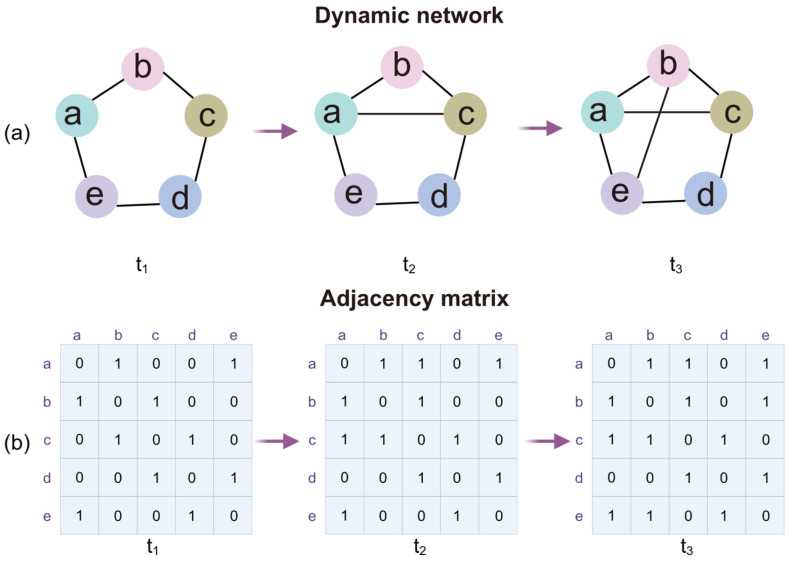 Figure 1
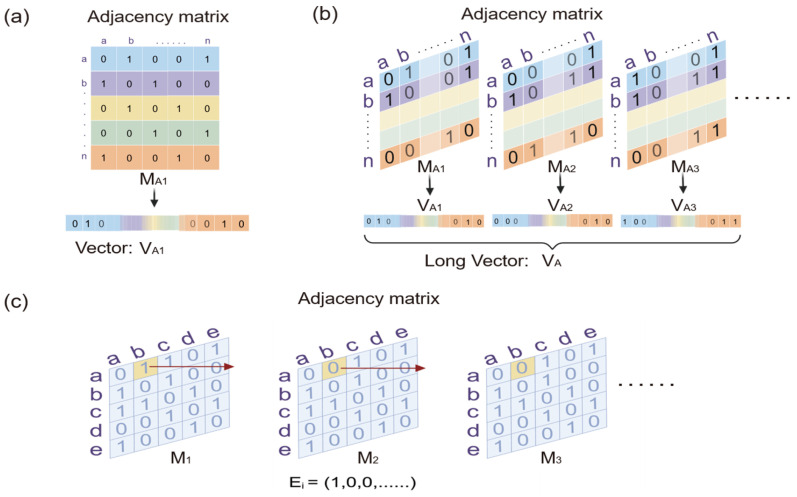 Figure 2
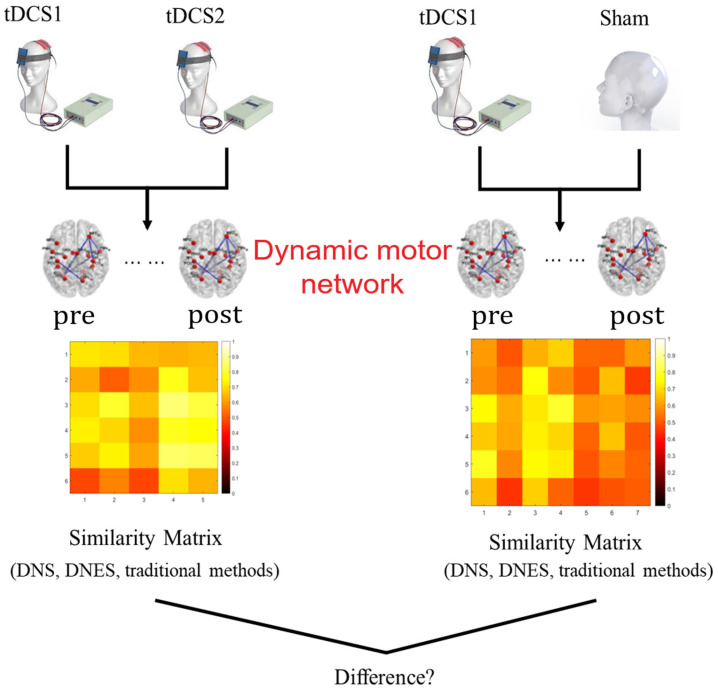 Figure 3
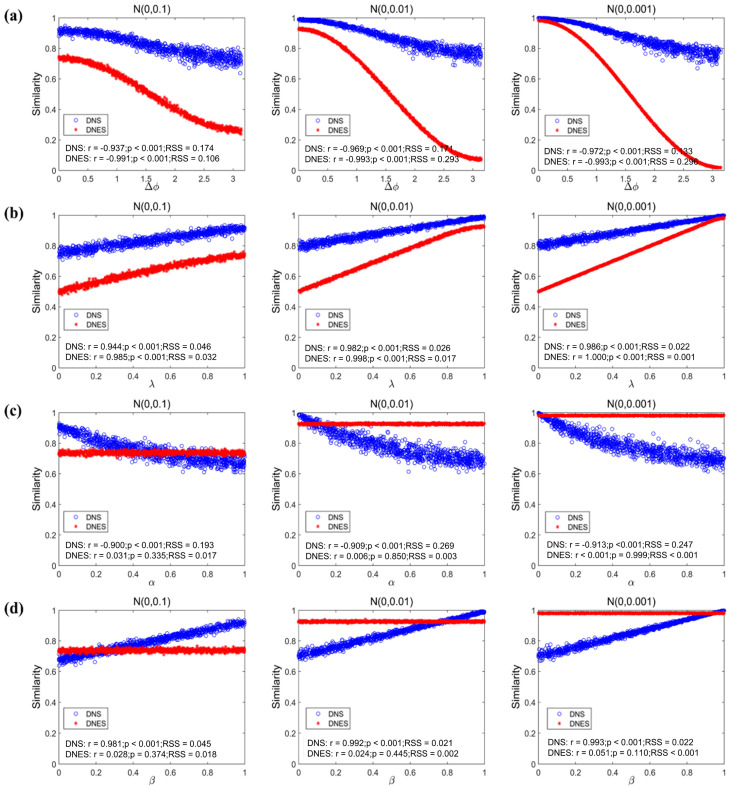 Figure 4
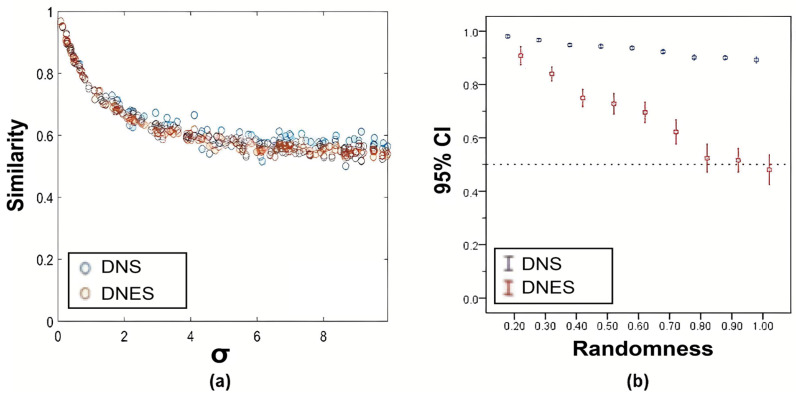 Figure 5
Peer Reviews
No public reviews on file for this paper yet. If you reviewed it on a platform where reviews are public (OpenReview, ICLR, NeurIPS, ICML), you can paste yours below so the community can read it here.
Videos
No videos yet. Explain this paper in a talk, walkthrough, or lecture? Add one.
Taxonomy
TopicsFunctional Brain Connectivity Studies · EEG and Brain-Computer Interfaces · Neural dynamics and brain function