Immediate Effects of Transcutaneous Spinal Stimulation on Stretch-Induced Spasticity in Persons with Spinal Cord Injury
Evan B. Sandler, Jennifer A. Iddings, Edelle C. Field-Fote

TL;DR
This study explores how transcutaneous spinal stimulation affects spasticity in people with spinal cord injuries, finding that stimulation can reduce spasticity depending on its severity.
Contribution
The study introduces a severity-dependent effect of transcutaneous spinal stimulation on spasticity in spinal cord injury patients.
Findings
Continuous stimulation at single- and dual-sites showed the largest effect on quadriceps spasticity when all participants were combined.
TSS reduced spasticity in a severity-dependent manner, particularly in those with high baseline spasticity.
Dual-site continuous stimulation increased spasticity in participants with low baseline soleus spasticity.
Abstract
Background/Objectives: Transcutaneous spinal stimulation (TSS) is a noninvasive stimulation approach for spasticity reduction in people with spinal cord injury (SCI). We enrolled 17 individuals with SCI who experience lower extremity hyperreflexia for this randomized crossover study to compare single-session effects of 3 TSS conditions: single-site continuous (SS-CONT), single-site burst (SS-BURST), and dual-site continuous (DS-CONT). Methods: Each TSS condition was delivered for 30 min with participants in supine via a cathode over the thoracic spine (T11–T12) and an anode over the abdomen. A second cathode was placed over the lumbar spine (L1/2 or L2/3) for DS-CONT. SS-CONT and DS-CONT stimulation was delivered as continuous 50 Hz stimulation with a 1 ms pulse width. SS-BURST stimulation was delivered as 4 bursts/second of 50 Hz stimulation with a 1 ms pulse width. Pendulum test first…
Genes, proteins, chemicals, diseases, species, mutations and cell lines named across the full text — each resolved to its canonical identifier and authoritative record.
Click any figure to enlarge with its caption.
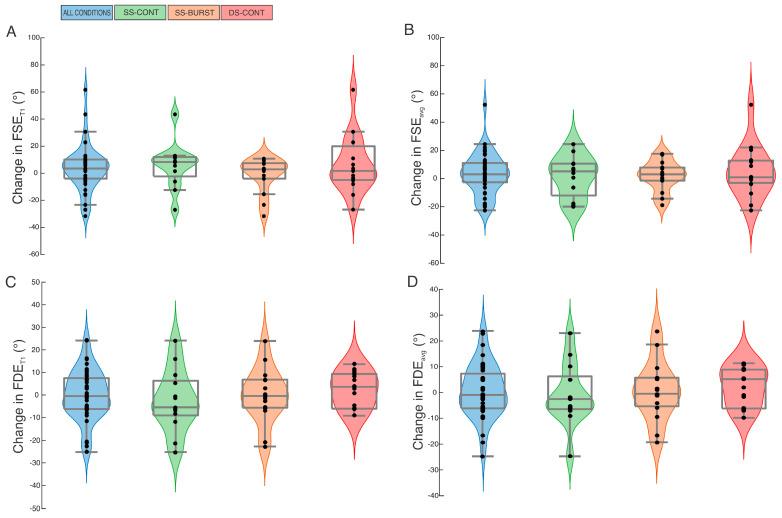 Figure 1
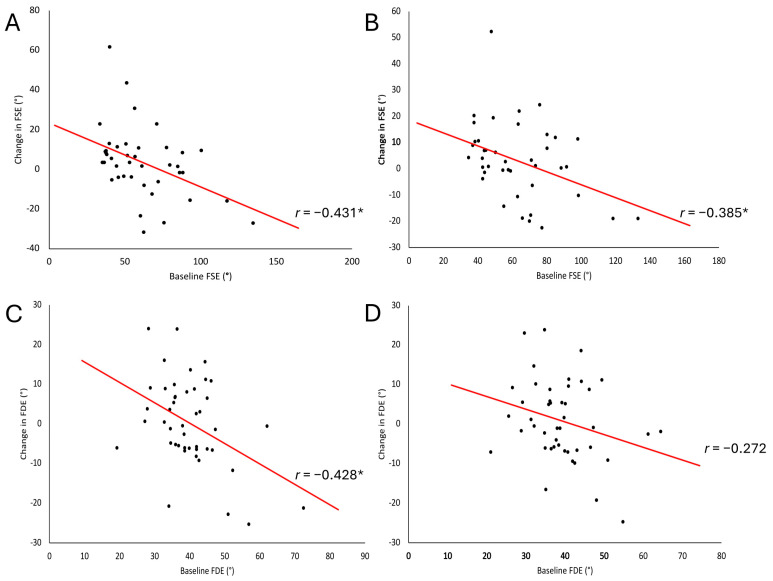 Figure 2
Peer Reviews
No public reviews on file for this paper yet. If you reviewed it on a platform where reviews are public (OpenReview, ICLR, NeurIPS, ICML), you can paste yours below so the community can read it here.
Videos
No videos yet. Explain this paper in a talk, walkthrough, or lecture? Add one.
Taxonomy
TopicsSpinal Cord Injury Research · Pain Management and Treatment · Stroke Rehabilitation and Recovery