VHL Gene Restoration Supports RCC Reprogramming to iPSCs but Does Not Ensure Line Stability
Zsuzsanna Lichner, Yasaman Shamshirgaran, Katarzyna Pieczonka, Anna Jonebring, Mark Kibschull, Oksana Shynlova, Jalna Meens, Raymond H. Kim, Laurie Ailles, Bilada Bilican, Ryan Hicks, Ian M. Rogers

TL;DR
Restoring the VHL gene in kidney cancer cells allows partial reprogramming to stem-like cells but does not lead to stable stem cell lines.
Contribution
The study shows that VHL gene restoration is necessary but insufficient for stable reprogramming of ccRCC cells into iPSCs.
Findings
Restoring the VHL gene in ccRCC cells allows partial reprogramming but not stable pluripotency.
Cancer cells reprogrammed with VHL still require continuous reprogramming factor expression.
Genetic factors beyond VHL likely prevent full stem cell state in reprogrammed ccRCC cells.
Abstract
The von Hippel–Lindau Syndrome, an inherited condition that predisposes to clear cell renal cell carcinoma (ccRCC), affects developmental pathways of the kidney. Studying these early stages could help develop customized, targeted treatments. One approach is to reverse-engineer cancer cells into a stem cell-like state and then grow them into organ models. We attempted this with clear cell renal cell carcinoma (ccRCC) cells and adjacent normal (AN) healthy kidney cells using cell reprogramming. While the adjacent normal cells successfully reprogrammed to induce pluripotent stem cells (iPSCs), the cancer cells did not. We then restored the VHL gene—often missing in ccRCC. This reintroduced normal cell characteristics, but the cells upon reprogramming could not maintain a stable stem cell state. Our findings suggest that while restoring VHL is necessary for reprogramming, other genetic…
Genes, proteins, chemicals, diseases, species, mutations and cell lines named across the full text — each resolved to its canonical identifier and authoritative record.
Click any figure to enlarge with its caption.
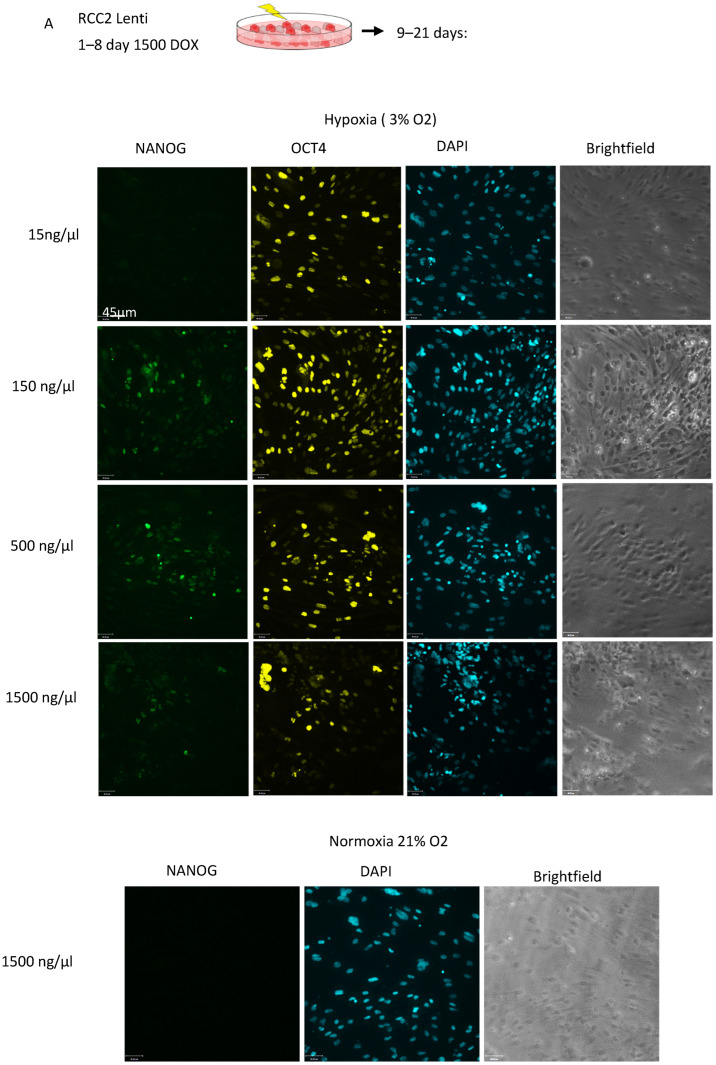 Figure 1
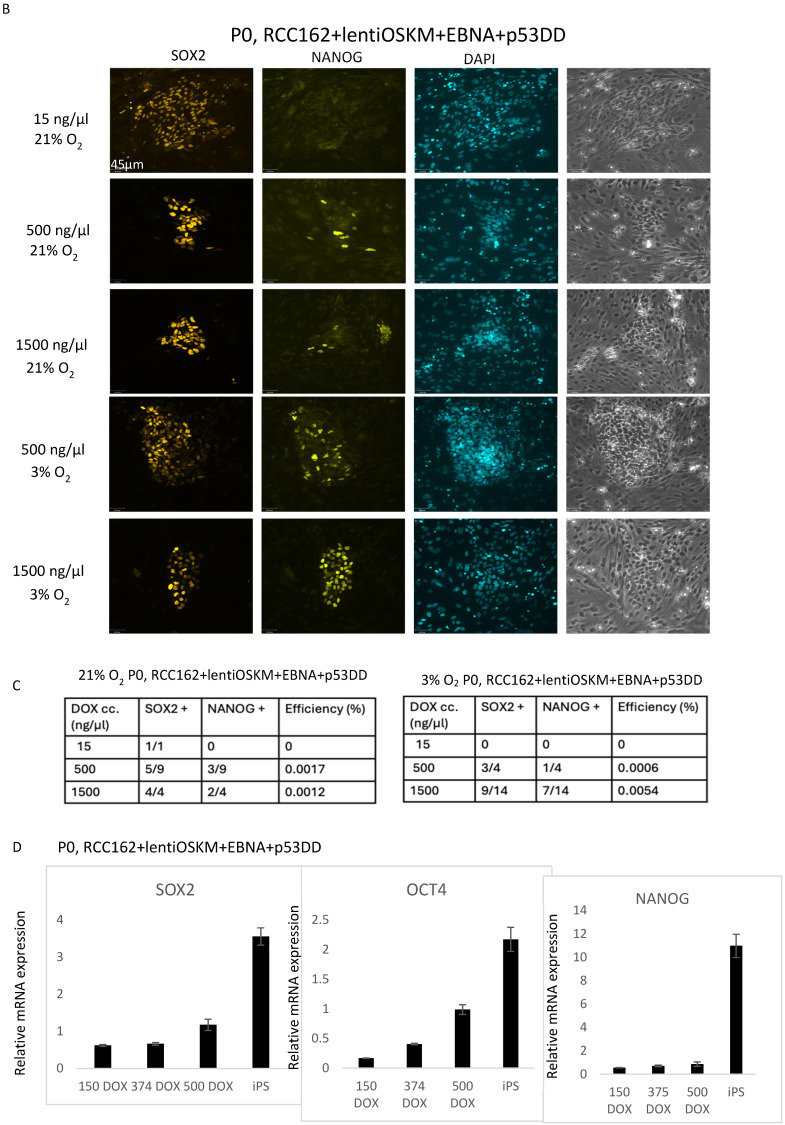 Figure 2
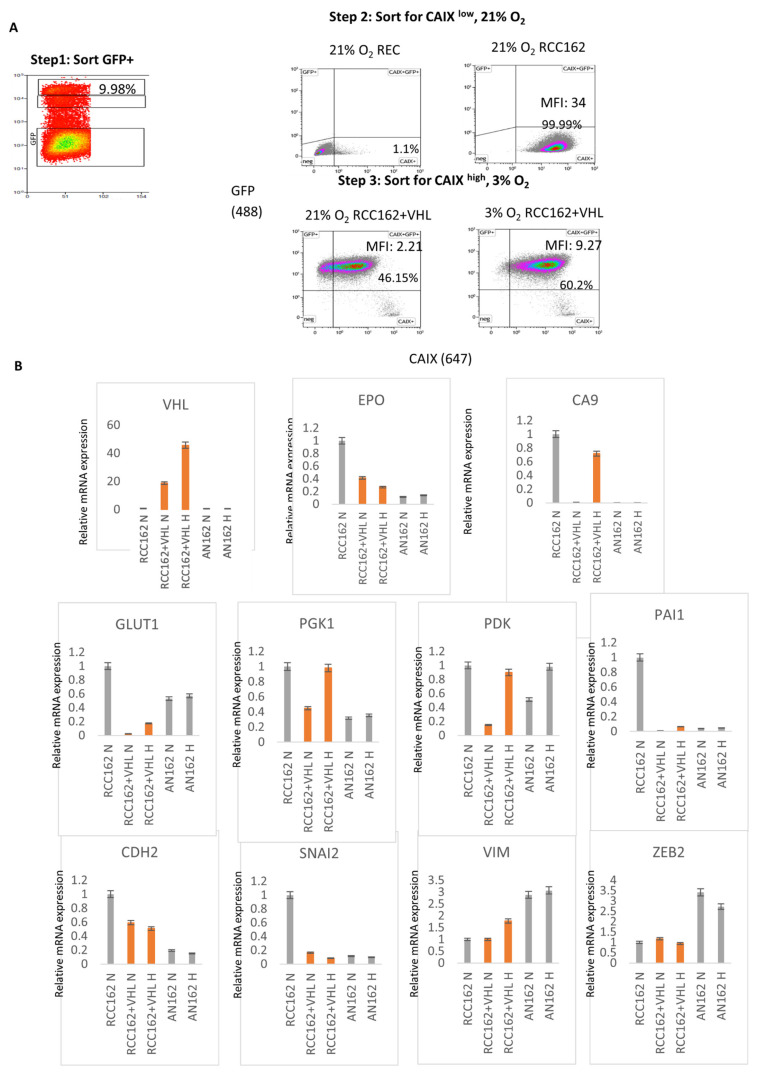 Figure 3
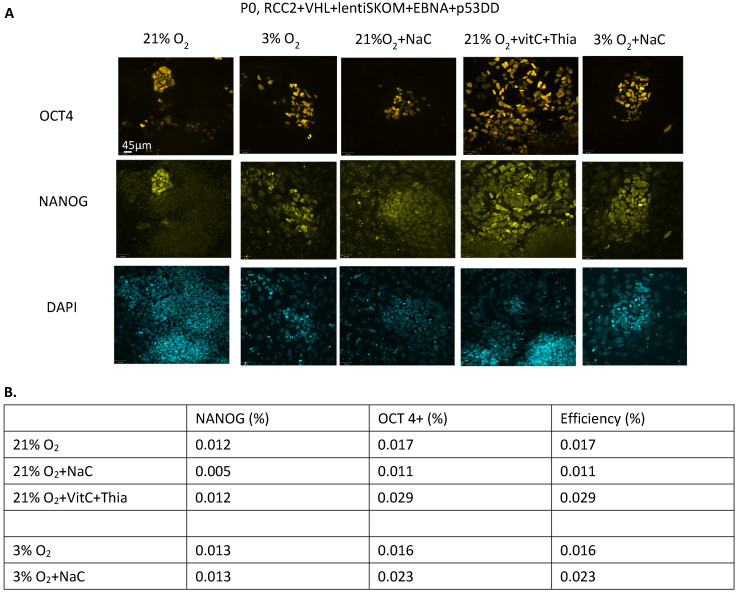 Figure 4
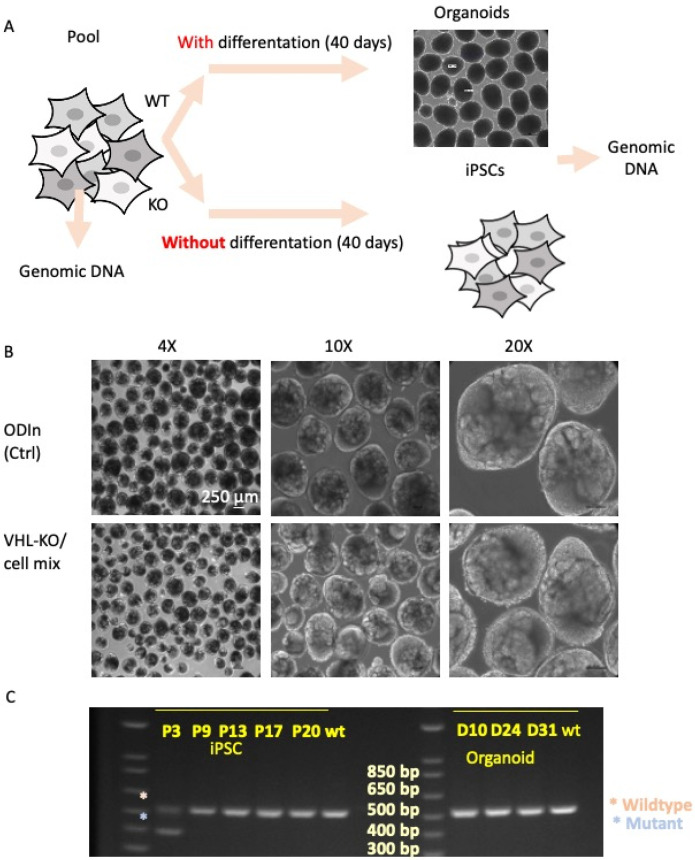 Figure 5
Peer Reviews
No public reviews on file for this paper yet. If you reviewed it on a platform where reviews are public (OpenReview, ICLR, NeurIPS, ICML), you can paste yours below so the community can read it here.
Videos
No videos yet. Explain this paper in a talk, walkthrough, or lecture? Add one.
Taxonomy
TopicsPluripotent Stem Cells Research · Reproductive Biology and Fertility · Renal and related cancers