Assessment of Aerobic Capacity and Other Cardiopulmonary Parameters in Children with Juvenile Idiopathic Arthritis
Aleksandra Stasiak, Piotr Kędziora, Aleksandra Ryk, Jerzy Stańczyk, Elżbieta Smolewska

TL;DR
Children with juvenile idiopathic arthritis have reduced aerobic capacity and cardiopulmonary function compared to healthy children, which may increase their risk of cardiovascular disease.
Contribution
This study provides empirical evidence of reduced aerobic fitness and cardiopulmonary parameters in children with JIA, emphasizing the need for individualized exercise programs.
Findings
Children with JIA had significantly lower peakVO2 and other cardiopulmonary parameters compared to healthy controls.
Physically active JIA patients showed better aerobic fitness and VO2/WR relationship than inactive patients.
JIA patients reached ventilatory anaerobic threshold earlier and at lower VO2 values than healthy children.
Abstract
Introduction: Juvenile idiopathic arthritis (JIA) is the most common chronic rheumatic disease in children. It is believed that children with JIA have lower cardiopulmonary capacity and worse exercise tolerance. The gold standard for assessing physical fitness is aerobic fitness, commonly referred to as the maximum or peak oxygen uptake volume (peakVO2) measured during a maximum load exercise test. Reduced aerobic fitness may play a key role in predicting the health of JIA patients as it has been associated with cardiovascular diseases and increased adult mortality. Methods: The aim of this study was to assess the oxygen capacity of adolescents with JIA along with other cardiopulmonary parameters in order to determine a group of patients with increased risk of developing cardiovascular diseases in comparison with healthy individuals. Patients were assessed based on parameters such as…
Genes, proteins, chemicals, diseases, species, mutations and cell lines named across the full text — each resolved to its canonical identifier and authoritative record.
Click any figure to enlarge with its caption.
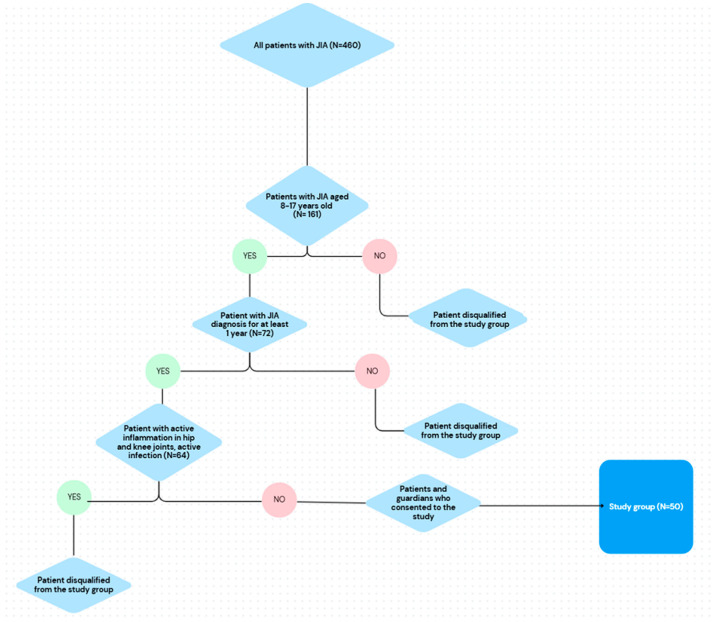 Figure 1
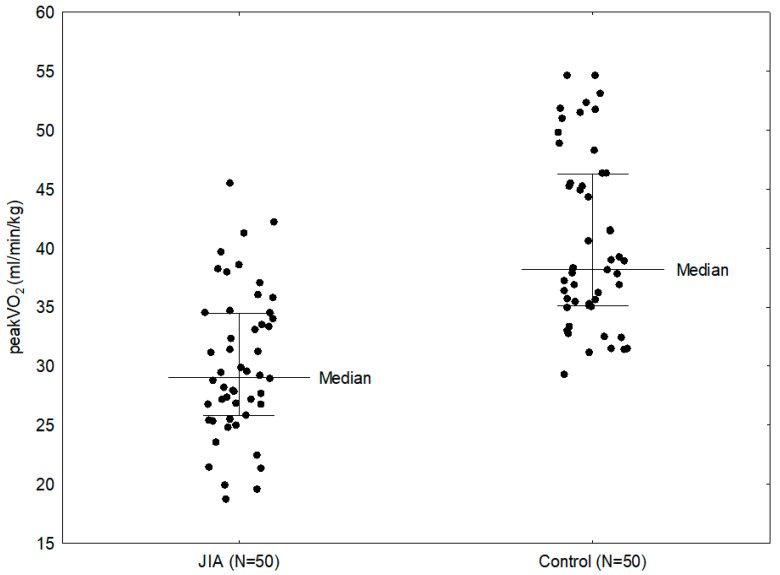 Figure 2
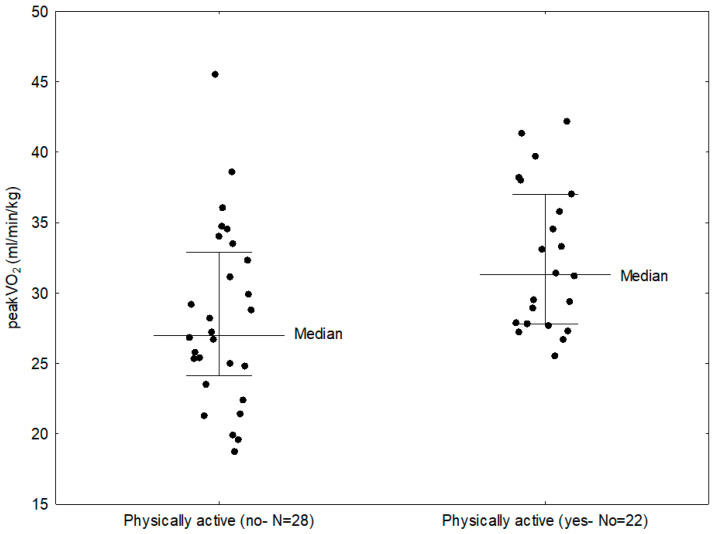 Figure 3
Peer Reviews
No public reviews on file for this paper yet. If you reviewed it on a platform where reviews are public (OpenReview, ICLR, NeurIPS, ICML), you can paste yours below so the community can read it here.
Videos
No videos yet. Explain this paper in a talk, walkthrough, or lecture? Add one.
Taxonomy
TopicsAutoimmune and Inflammatory Disorders Research · Rheumatoid Arthritis Research and Therapies · Adolescent and Pediatric Healthcare