FBCA: Flexible Besiege and Conquer Algorithm for Multi-Layer Perceptron Optimization Problems
Shuxin Guo, Chenxu Guo, Jianhua Jiang

TL;DR
This paper introduces a new algorithm called FBCA to improve the training of neural networks by solving optimization challenges like slow convergence and local minima.
Contribution
The novel Flexible Besiege and Conquer Algorithm (FBCA) enhances search flexibility and convergence in MLP optimization.
Findings
FBCA outperformed 12 state-of-the-art algorithms in IEEE CEC 2017 benchmarks with a 62% win rate over BCA.
FBCA achieved best performance in six MLP optimization problems with high convergence accuracy and robustness.
The algorithm's three new mechanisms improve exploration-exploitation balance and global optimization capability.
Abstract
A Multi-Layer Perceptron (MLP), as the basic structure of neural networks, is an important component of various deep learning models such as CNNs, RNNs, and Transformers. Nevertheless, MLP training faces significant challenges, with a large number of saddle points and local minima in its non-convex optimization space, which can easily lead to gradient vanishing and premature convergence. Compared with traditional heuristic algorithms relying on a population-based parallel search, such as GA, GWO, DE, etc., the Besiege and Conquer Algorithm (BCA) employs a one-spot update strategy that provides a certain level of global optimization capability but exhibits clear limitations in search flexibility. Specifically, it lacks fast detection, fast adaptation, and fast convergence. First, the fixed sinusoidal amplitude limits the accuracy of fast detection in complex regions. Second, the…
Click any figure to enlarge with its caption.
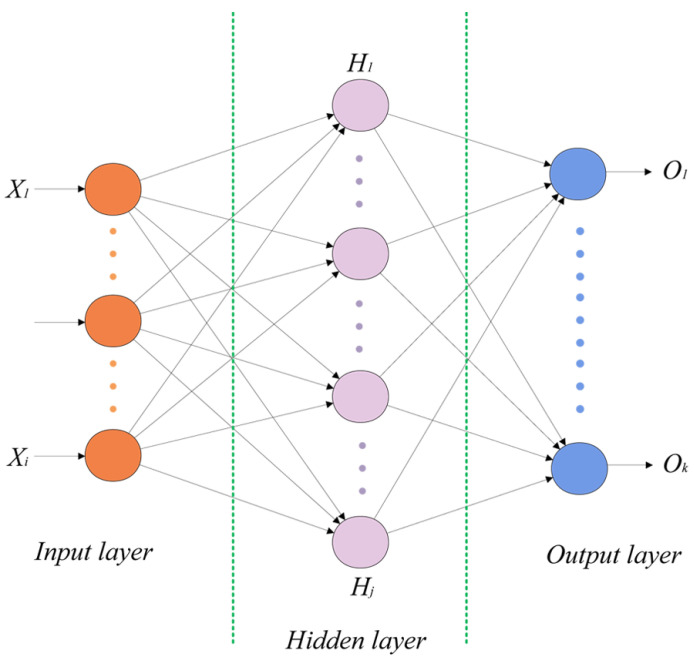 Figure 1
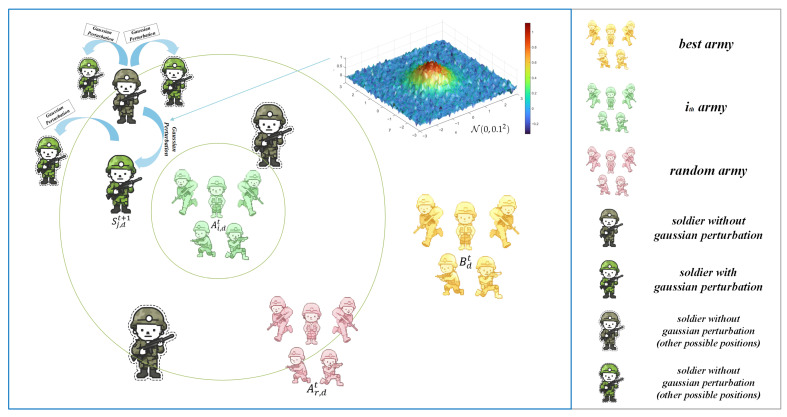 Figure 2
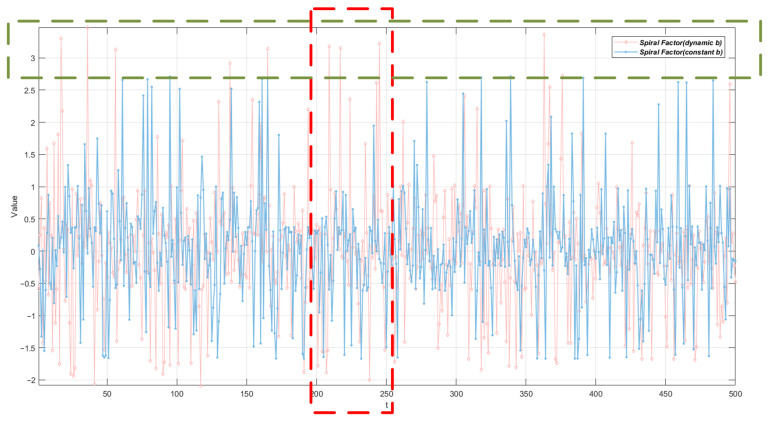 Figure 3
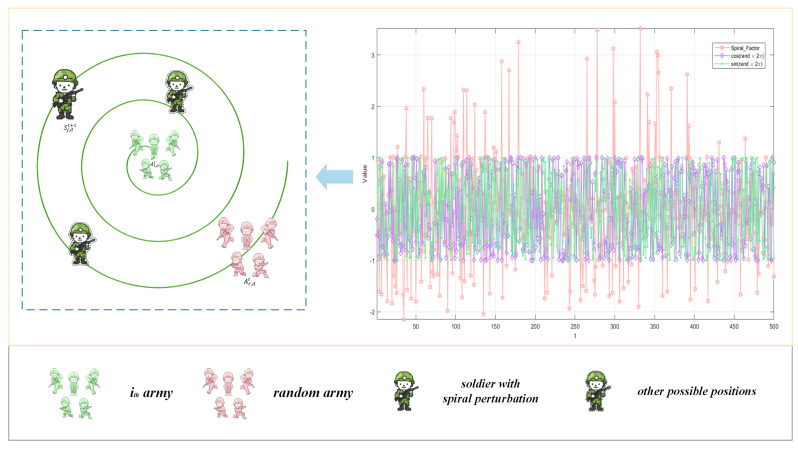 Figure 4
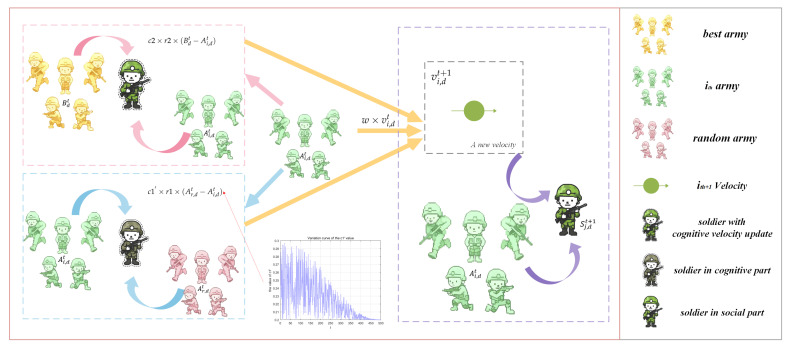 Figure 5
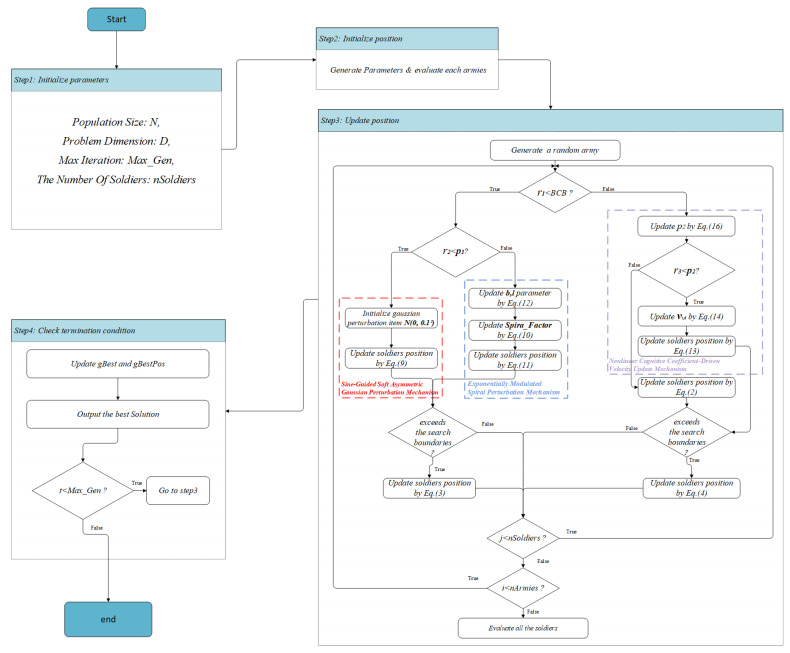 Figure 6
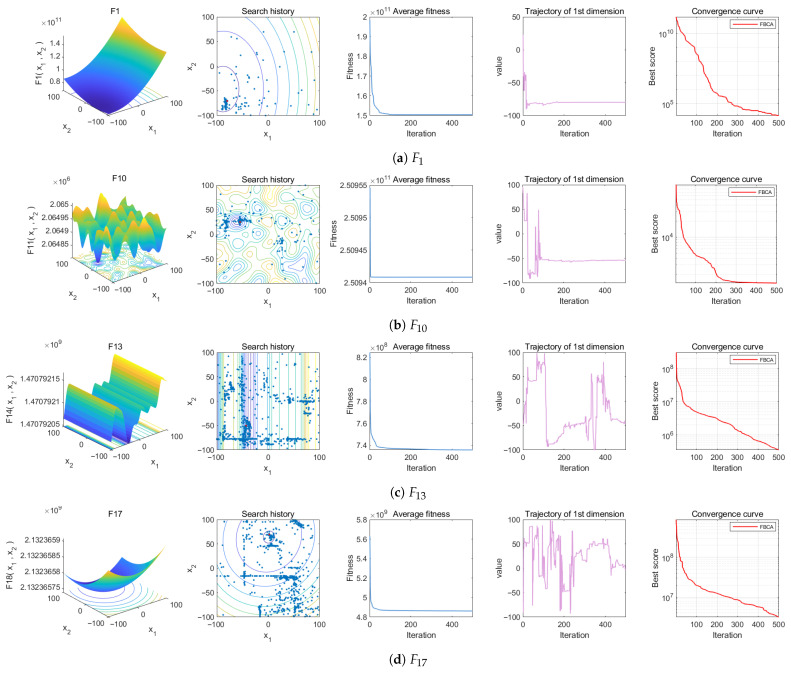 Figure 7
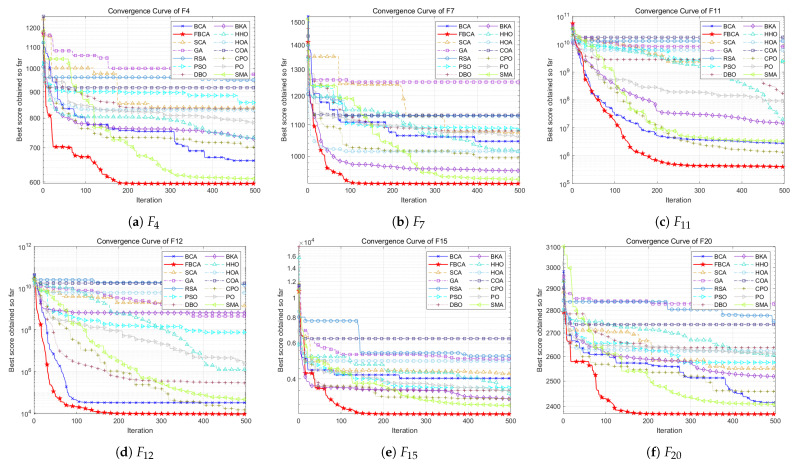 Figure 8
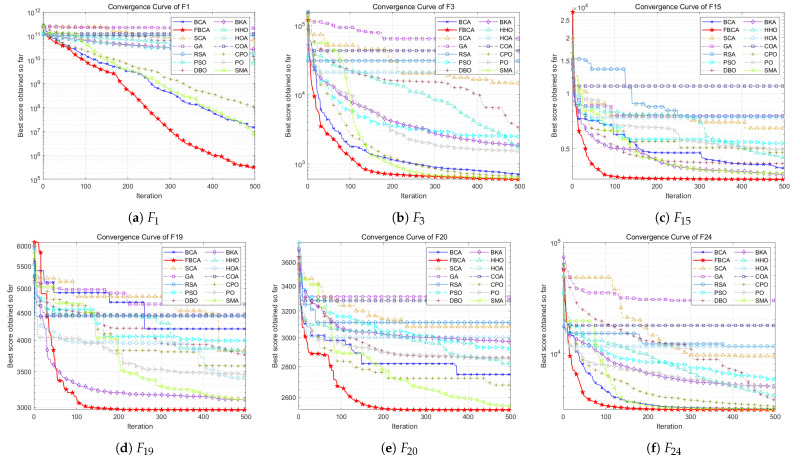 Figure 9
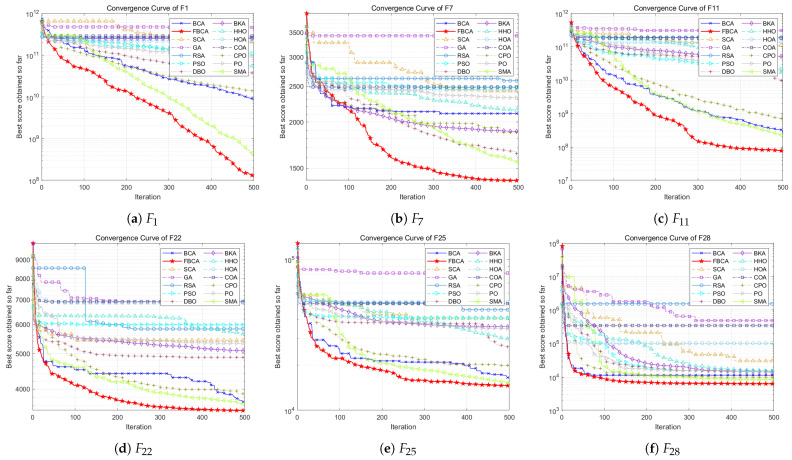 Figure 10
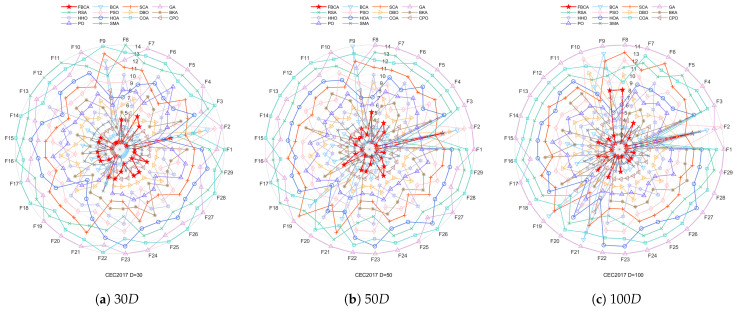 Figure 11
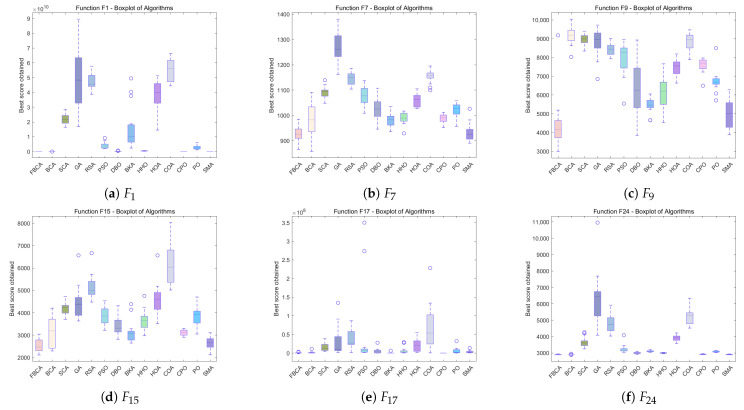 Figure 12
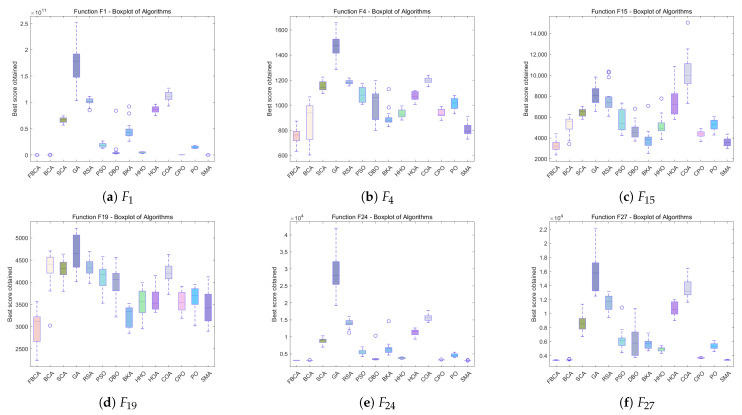 Figure 13
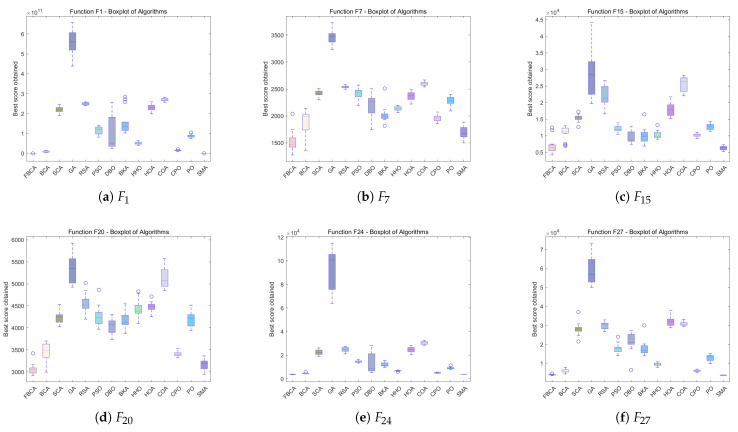 Figure 14
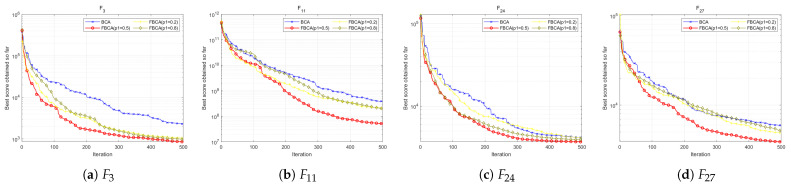 Figure 15
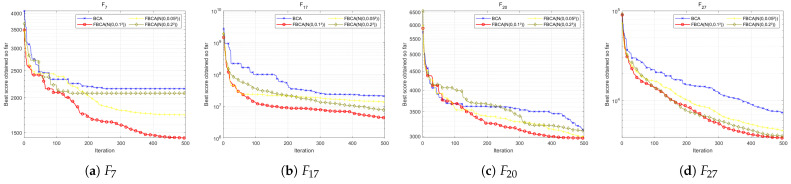 Figure 16
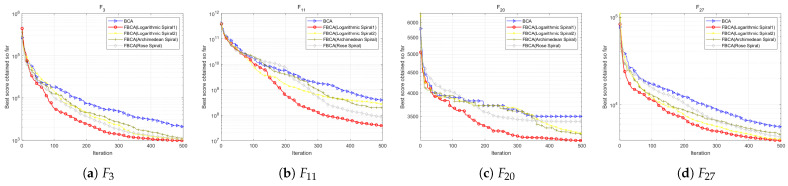 Figure 17
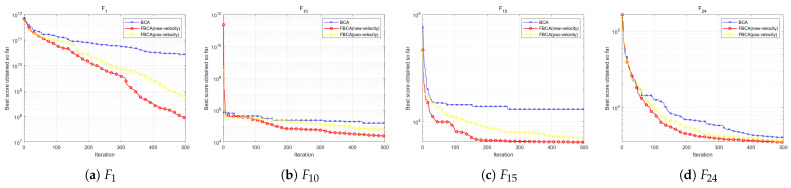 Figure 18
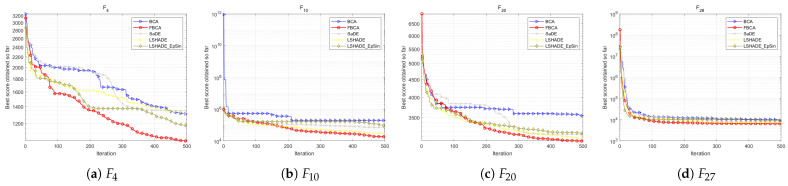 Figure 19
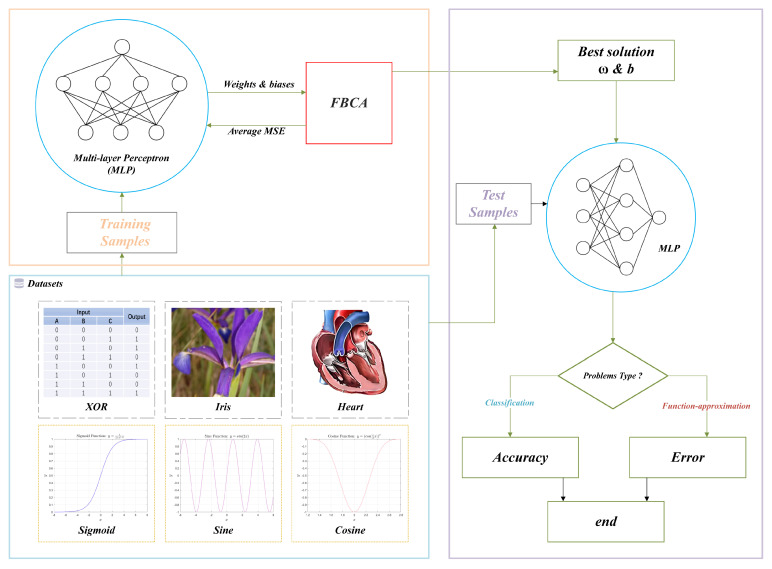 Figure 20
Peer Reviews
No public reviews on file for this paper yet. If you reviewed it on a platform where reviews are public (OpenReview, ICLR, NeurIPS, ICML), you can paste yours below so the community can read it here.
Videos
No videos yet. Explain this paper in a talk, walkthrough, or lecture? Add one.
Taxonomy
TopicsMachine Learning and ELM · Advanced Technologies in Various Fields · Advanced Neural Network Applications