Engineering a Thermostable Reverse Transcriptase for RT-PCR Through Rational Design of Pyrococcus furiosus DNA Polymerase
Aleksandra A. Kuznetsova, Irina A. Grishina, Elena S. Mikushina, Nikita A. Kuznetsov

TL;DR
Scientists engineered a thermostable enzyme that can perform both DNA replication and reverse transcription, enabling one-enzyme RT-PCR.
Contribution
A novel thermostable reverse transcriptase was created by rationally designing Pyrococcus furiosus DNA polymerase.
Findings
The Pfu-M6 variant exhibits both DNA-dependent and RNA-dependent DNA polymerase activity.
The mutant enzyme enables efficient DNA amplification from RNA templates under standard PCR conditions.
Six mutant variants were tested, with Pfu-M6 showing the desired dual functionality.
Abstract
Engineering of a bifunctional enzyme that combines DNA-dependent DNA polymerase and reverse transcriptase (RT) activities is a highly promising biotechnological goal, as it would enable one-enzyme RT-PCR. For this purpose, we selected the high-fidelity Pyrococcus furiosus (Pfu) DNA polymerase as engineering scaffold. The selection of amino acid residues for replacement was carried out based on a multi-sequence alignment of diverse DNA polymerases and literature data, which allowed us to target amino acids, which presumably are triggers of the RT activity appearance. Six mutant variants of the Pfu enzyme were created and their activity was analyzed. Through enzymatic screening, we identified the Pfu-M6 variant, which exhibits dual DNA-dependent and RNA-dependent DNA polymerase activity. This thermostable enzyme retains its inherent DNA polymerase function and has acquired the ability to…
Genes, proteins, chemicals, diseases, species, mutations and cell lines named across the full text — each resolved to its canonical identifier and authoritative record.
Click any figure to enlarge with its caption.
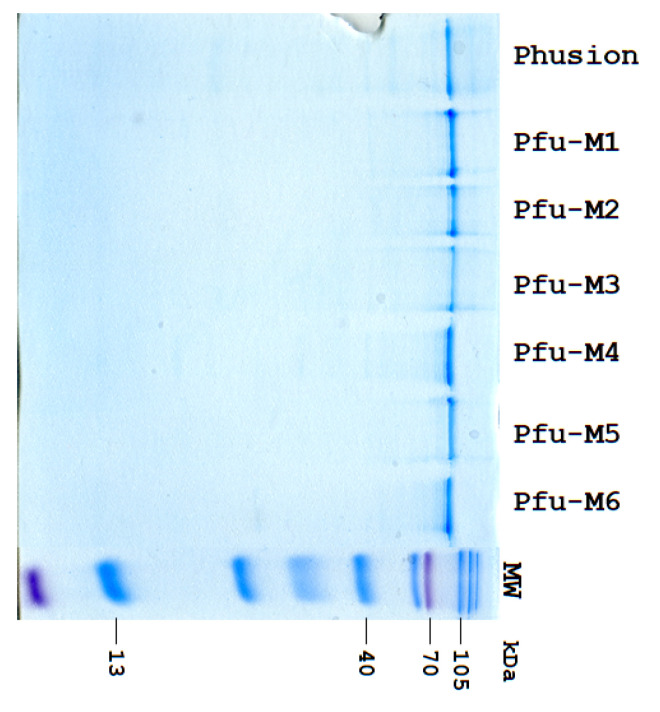 Figure 1
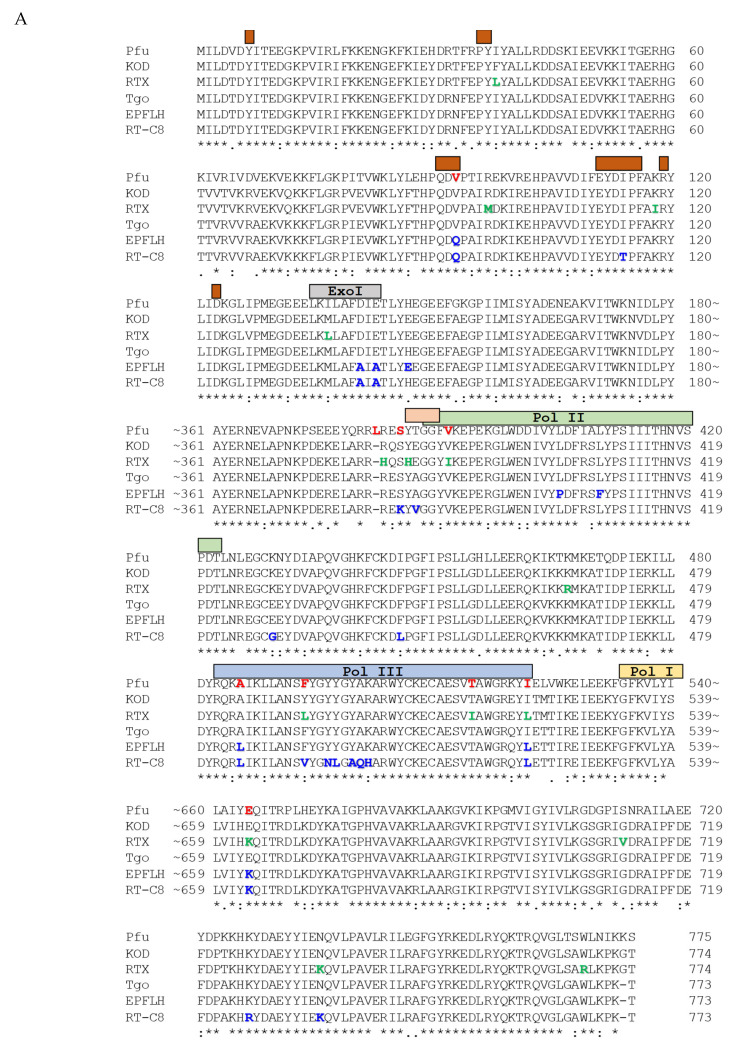 Figure 2
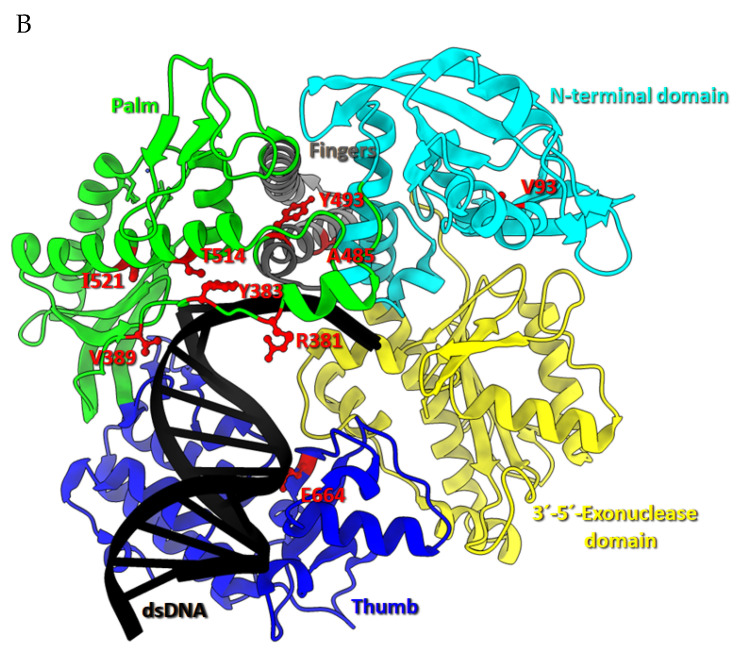 Figure 3
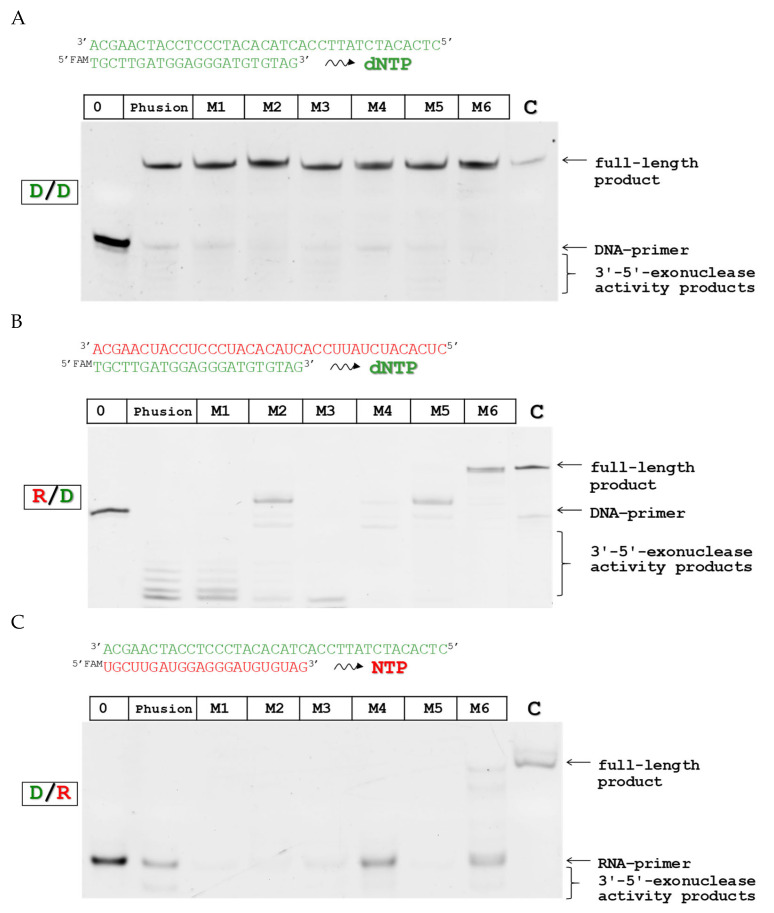 Figure 4
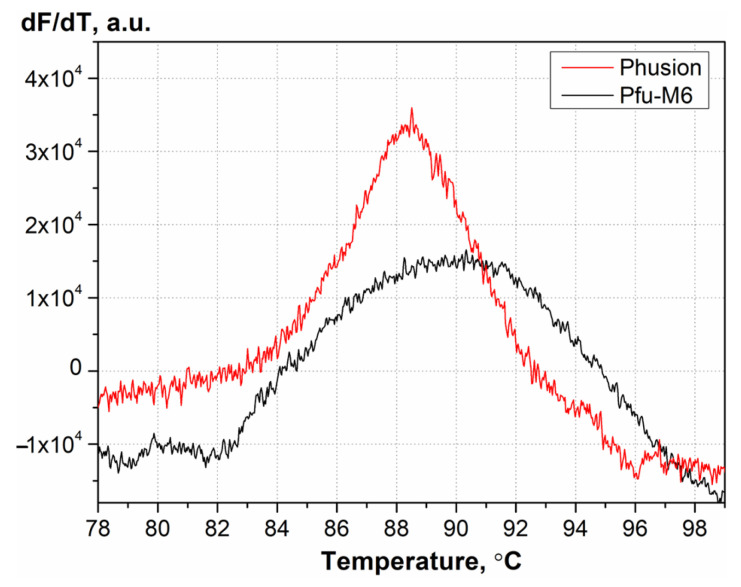 Figure 5
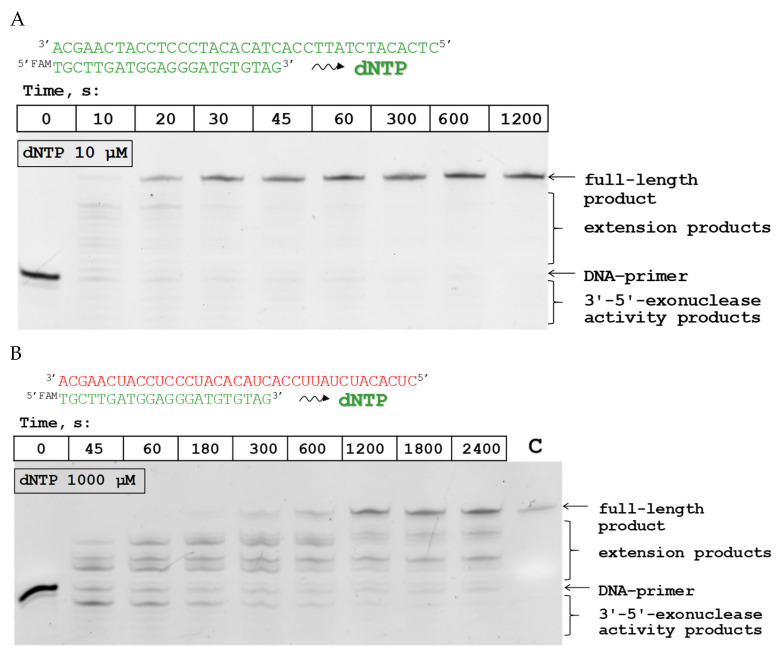 Figure 6
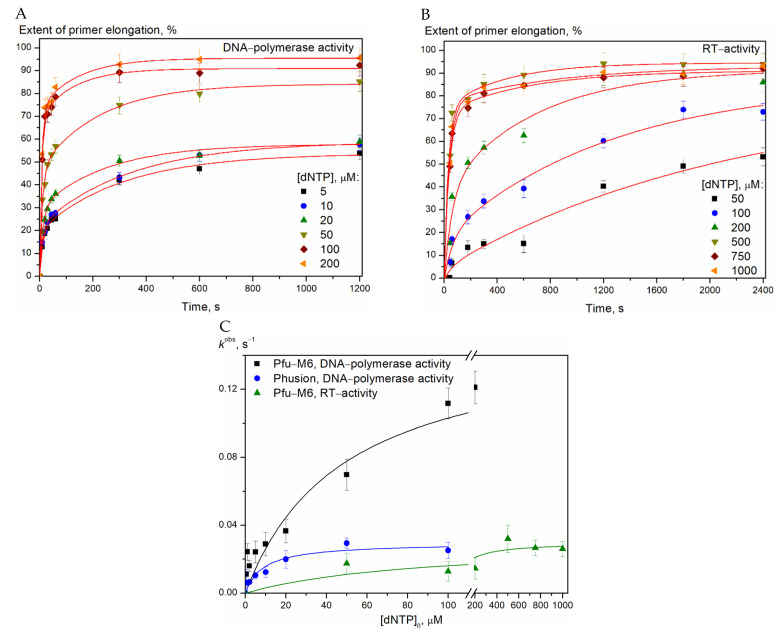 Figure 7
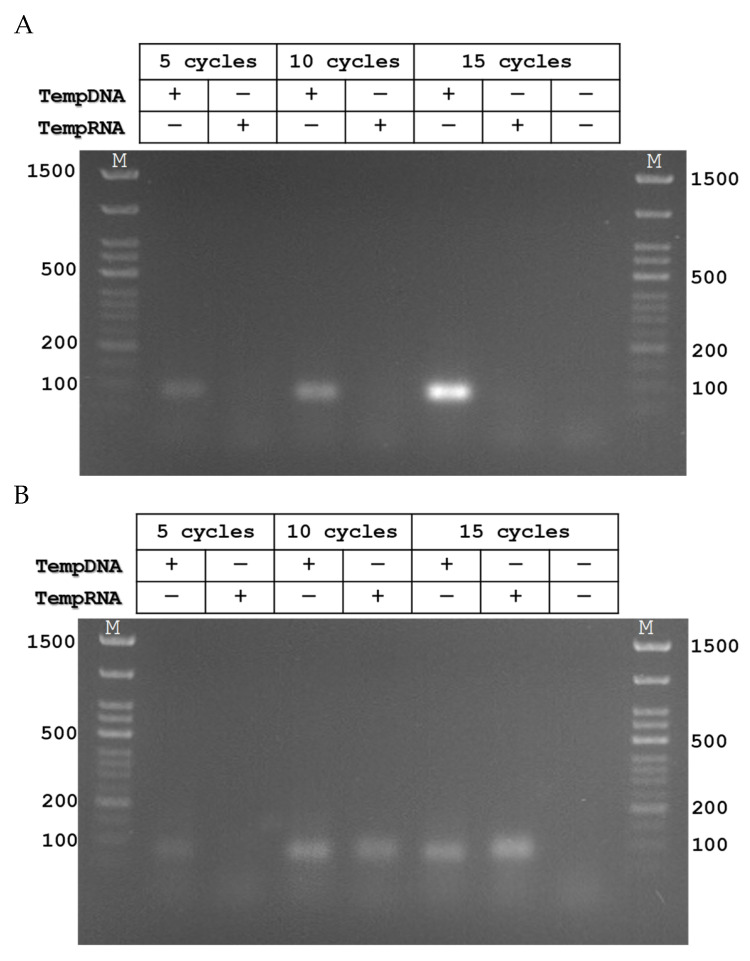 Figure 8
Peer Reviews
No public reviews on file for this paper yet. If you reviewed it on a platform where reviews are public (OpenReview, ICLR, NeurIPS, ICML), you can paste yours below so the community can read it here.
Videos
No videos yet. Explain this paper in a talk, walkthrough, or lecture? Add one.
Taxonomy
TopicsMolecular Biology Techniques and Applications