Characterization of the Signaling Pathways Activated by KCl-Induced RTK Stimulation in Guinea Pig Airways
Eva Herrera-Alcibar, Edgar Flores-Soto, Ruth M. López, Enrique F. Castillo, Patricia Campos-Bedolla, Verónica Carbajal, Bettina Sommer

TL;DR
This study explores how KCl-induced depolarization activates signaling pathways in guinea pig airway smooth muscle, revealing roles for RTKs, MEK-ERK, and ROCK in contraction.
Contribution
The study identifies RTKs and downstream pathways as key mediators of KCl-induced airway smooth muscle contraction, offering new insights into airway physiology.
Findings
Pharmacological inhibition of RTKs significantly reduced 20 mM KCl-induced airway smooth muscle contraction.
MEK and ERK inhibitors decreased ERK phosphorylation and altered contraction in response to 20 mM KCl.
ROCK inhibition significantly reduced KCl-induced contraction and MYPT1 phosphorylation.
Abstract
Airway smooth muscle (ASM) adjusts airway diameter in response to an ample variety of stimuli; however, the physical causes remain poorly understood. To fully comprehend complex pathological states like asthmatic ASM and its relation to airway hyperresponsiveness, basic ASM physiology needs to be thoroughly understood. Agonists (histamine, acetylcholine, hydroxitriptamine, etc.) activate well known cell signaling, while KCl is used because of its capacity to depolarize the ASM membrane and induce contraction by bypassing agonist-induced second messenger signaling cascades. In vitro, KCl-induced ASM depolarization activates receptor tyrosine kinases (RTKs). It is worth mentioning that this approach emulates airway smooth muscle signaling pathways activated by physical circumstances (mucus osmolarity, tidal volume, PM2.5). It is known that RTKs are single subunit receptors, and ligands…
Genes, proteins, chemicals, diseases, species, mutations and cell lines named across the full text — each resolved to its canonical identifier and authoritative record.
Click any figure to enlarge with its caption.
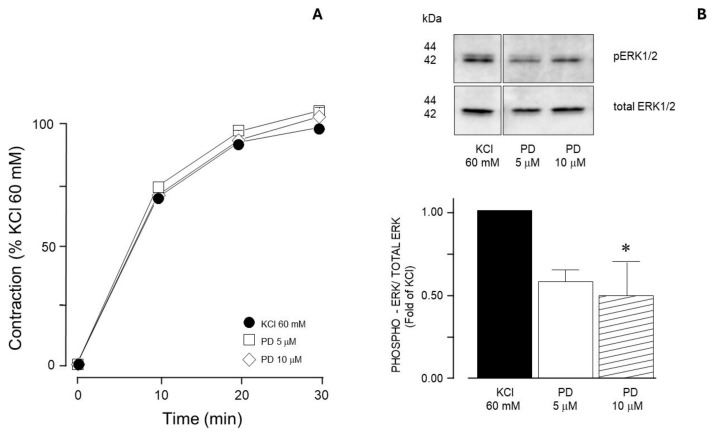 Figure 1
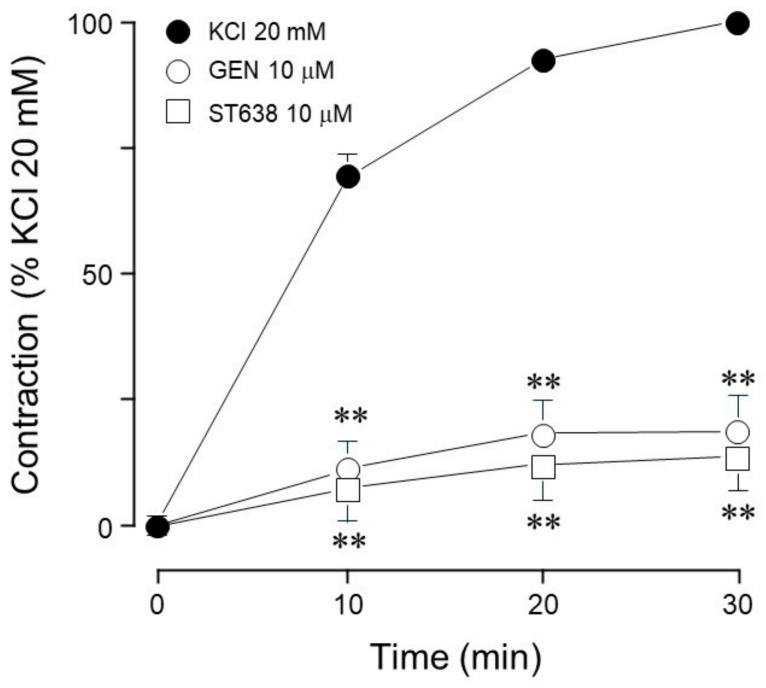 Figure 2
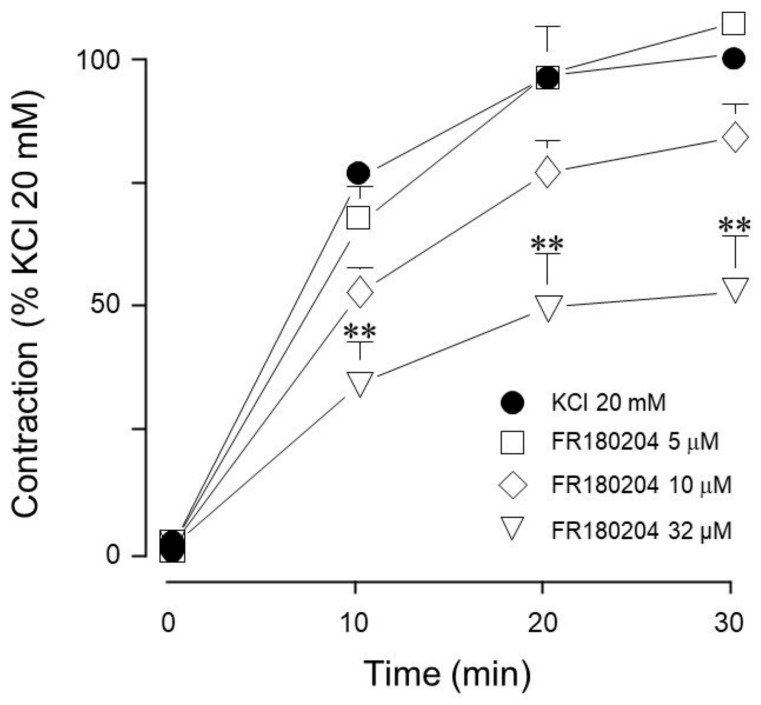 Figure 3
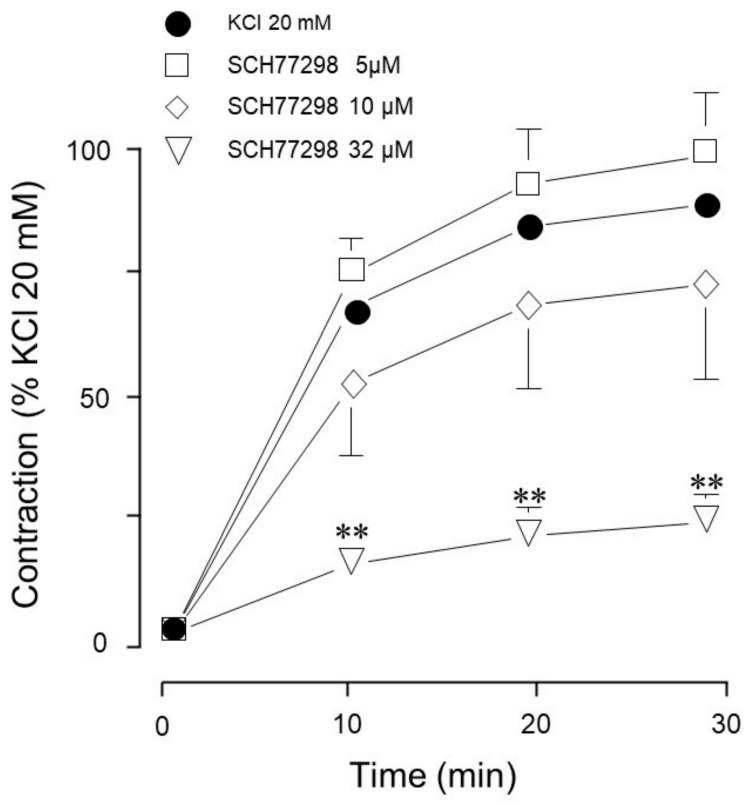 Figure 4
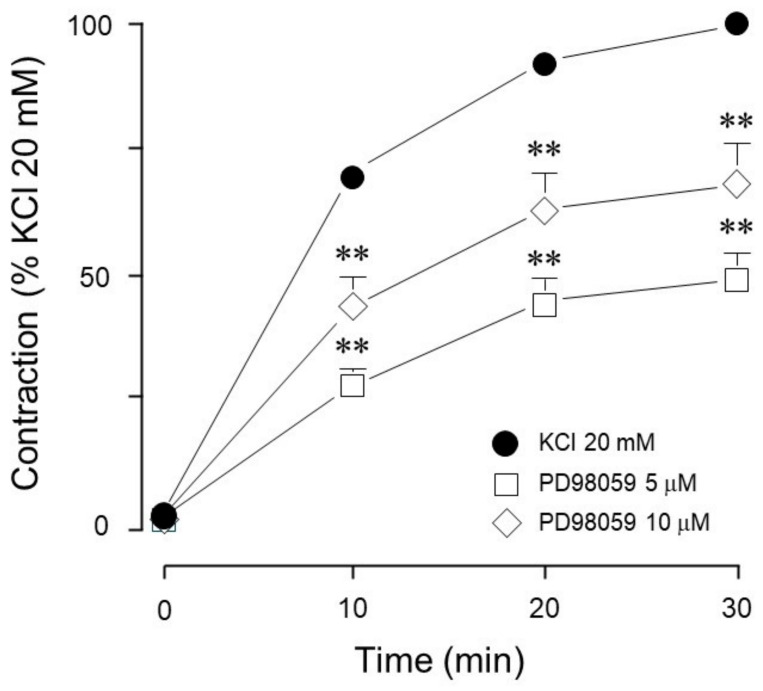 Figure 5
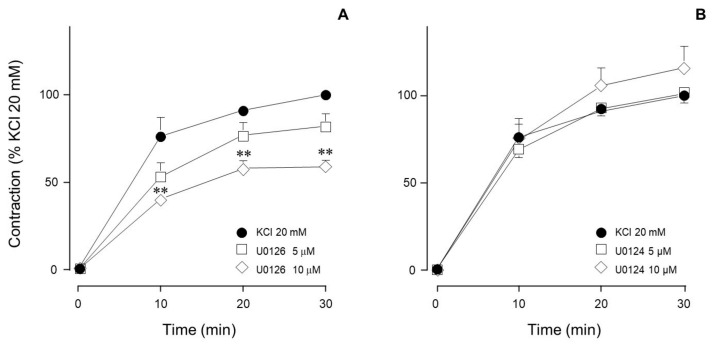 Figure 6
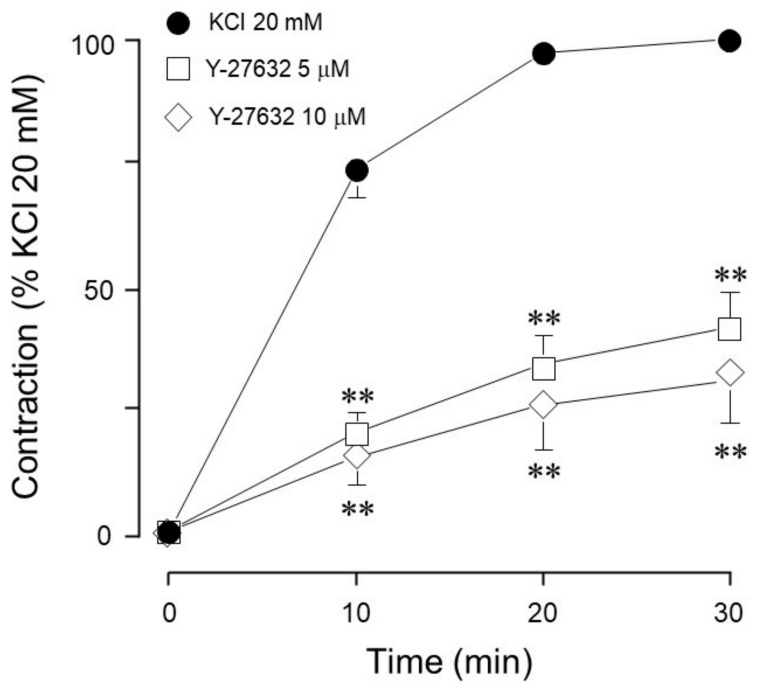 Figure 7
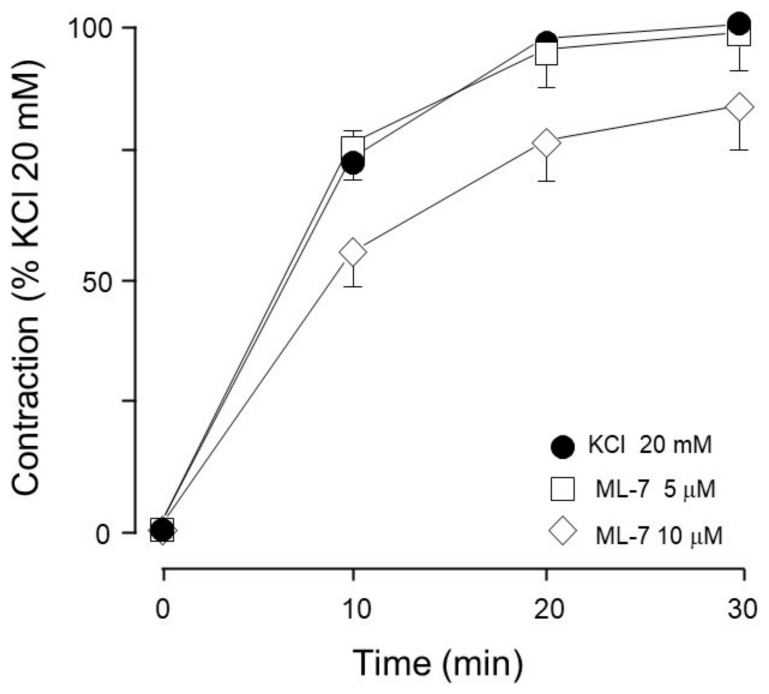 Figure 8
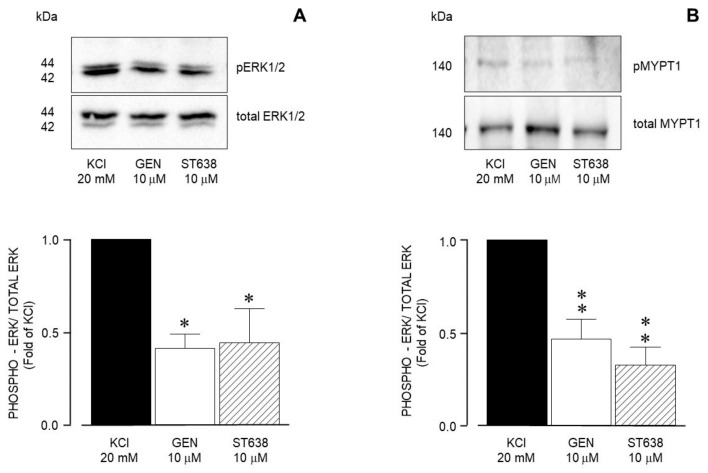 Figure 9
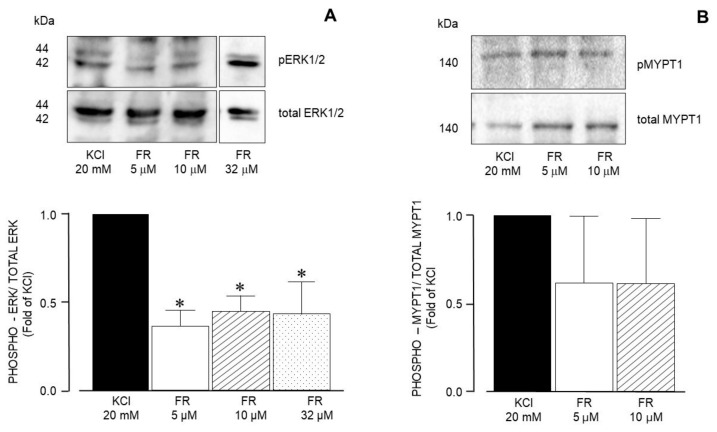 Figure 10
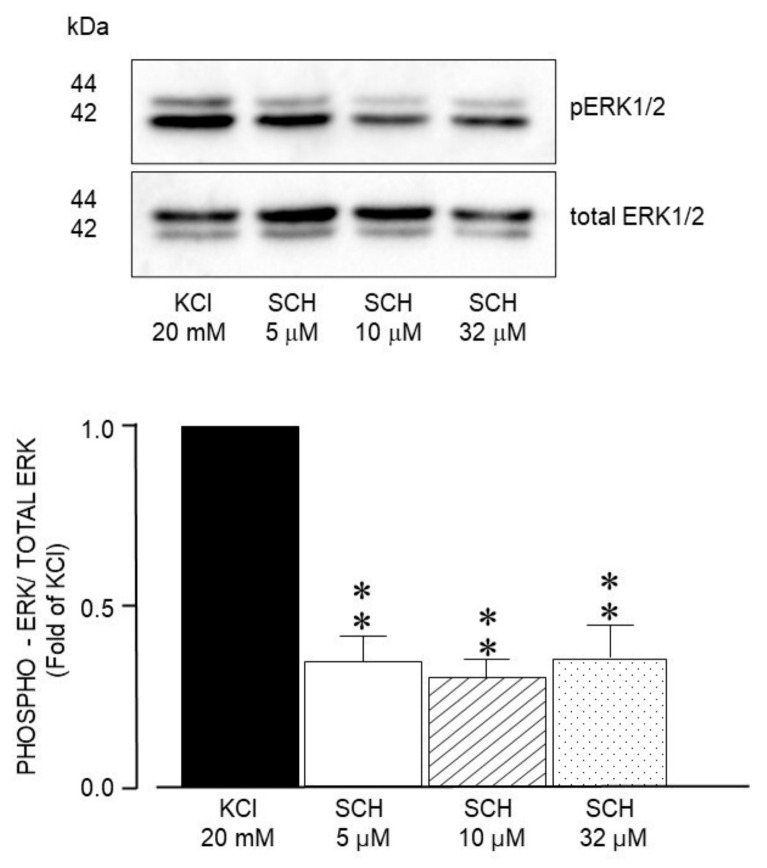 Figure 11
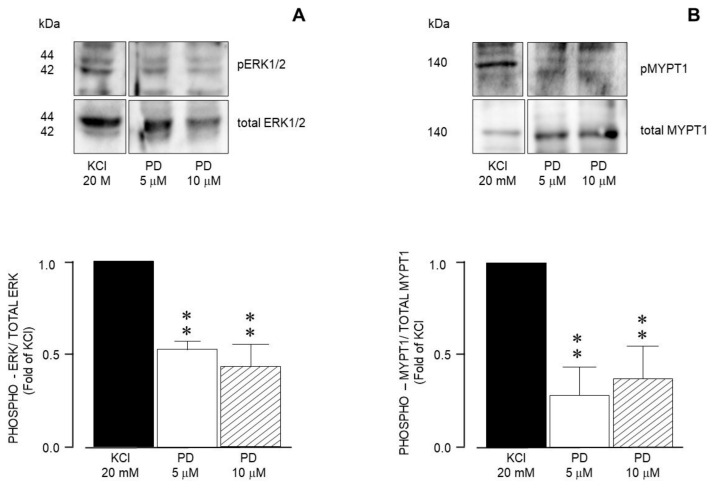 Figure 12
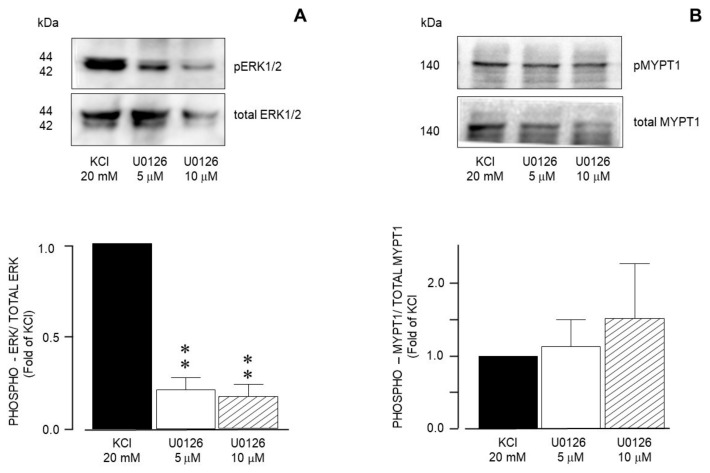 Figure 13
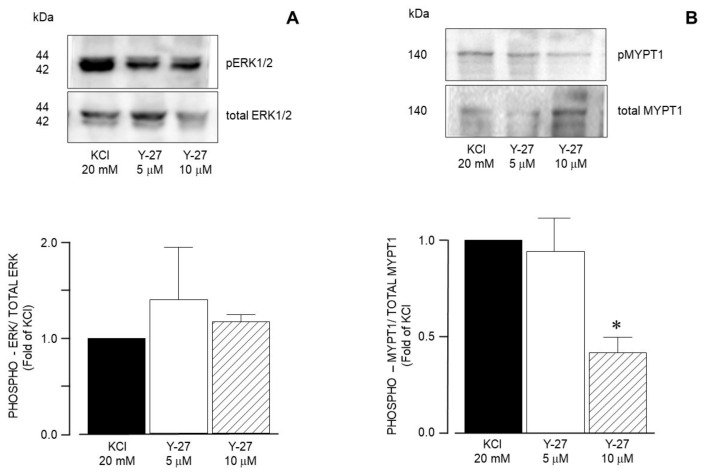 Figure 14
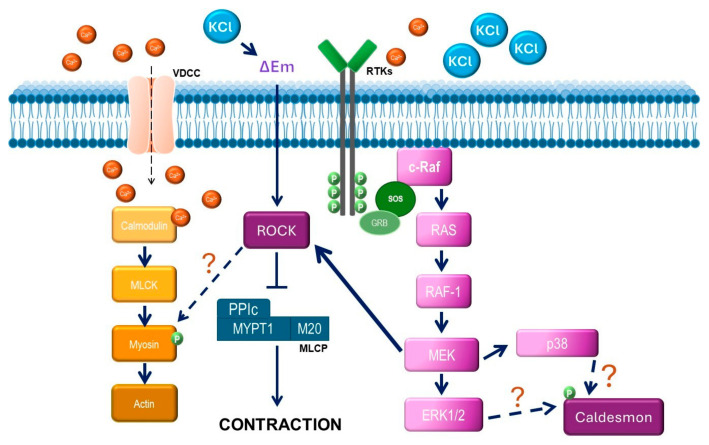 Figure 15
Peer Reviews
No public reviews on file for this paper yet. If you reviewed it on a platform where reviews are public (OpenReview, ICLR, NeurIPS, ICML), you can paste yours below so the community can read it here.
Videos
No videos yet. Explain this paper in a talk, walkthrough, or lecture? Add one.
Taxonomy
TopicsProtein Kinase Regulation and GTPase Signaling · Melanoma and MAPK Pathways · Ion channel regulation and function