A Hot-Spring Water Improves Inflammatory Conditions in an Injury-Induced Atopic Dermatitis Mouse Model by Regulating Skin Barrier Function
Yoko Naito, Abdullah Md. Sheikh, Jubo Bhuiya, Fatema Binte Abdullah, Jerin Fahmida, Shatera Tabassum, Hiro Tamegai, Kenichi Iwasa, Shozo Yano, Atsushi Nagai

TL;DR
This study shows that hot spring water helps improve skin barrier function and reduce inflammation in a mouse model of atopic dermatitis.
Contribution
The study demonstrates that hot spring water treatment enhances skin barrier recovery and reduces inflammation in an injury-induced atopic dermatitis model.
Findings
Hot spring water treatment significantly reduced transepithelial water loss compared to tap water.
Hot spring-treated mice showed better stratum granulosum formation and less stratum spinosum thickening.
Hot spring water reduced CD8+ T cell numbers and IL-4 cytokine levels, mitigating inflammation.
Abstract
Background: Atopic dermatitis (AD) is a common inflammatory skin condition in which skin barrier function plays a crucial role. Hot spring water is known for its beneficial effects on skin health. This study investigates the impact of a hot spring water on AD pathology, focusing on skin barrier function. Methods: Using the tape-stripping method, we induced an AD mouse model, treated the mice with either hot-spring water or tap water, and assessed time-dependent changes in skin barrier function, histology, and AD-related proteins. Results: Transepithelial water loss (TEWL) was significantly increased after tape-stripping, which began to decrease from day 2 in both treatment groups. On day 3, water loss was significantly decreased in hot-spring-treated mice than tap water-treated mice. Histological analysis revealed thickening and vacuolization of the stratum spinosum from day 2, becoming…
Genes, proteins, chemicals, diseases, species, mutations and cell lines named across the full text — each resolved to its canonical identifier and authoritative record.
Click any figure to enlarge with its caption.
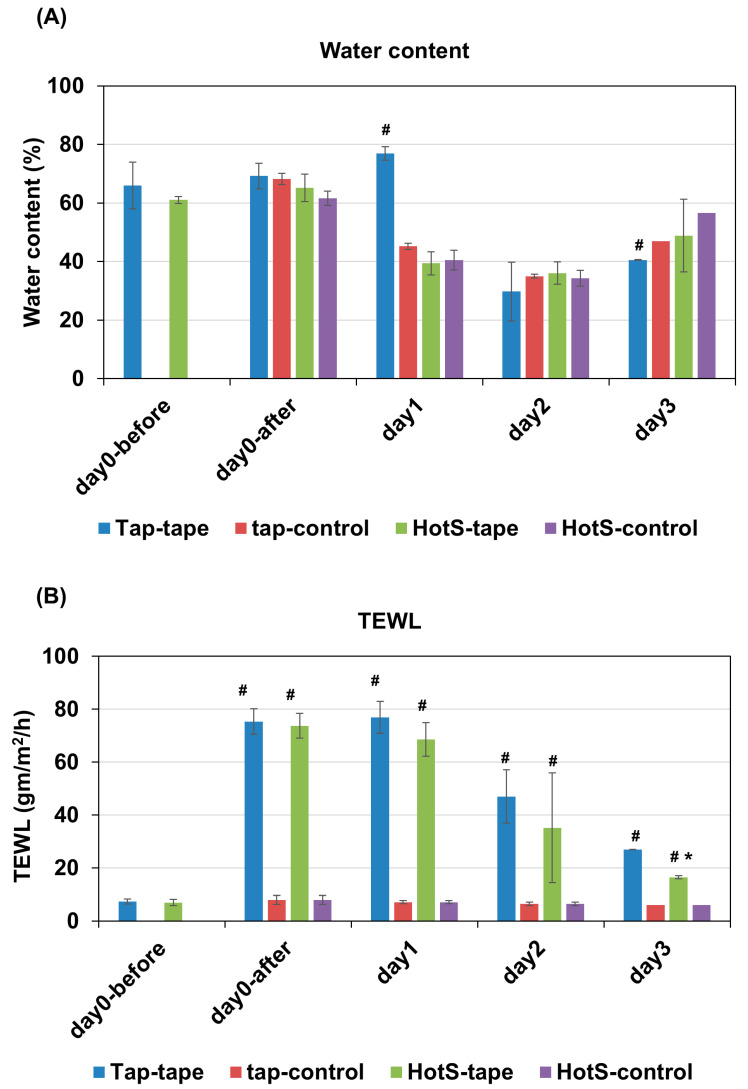 Figure 1
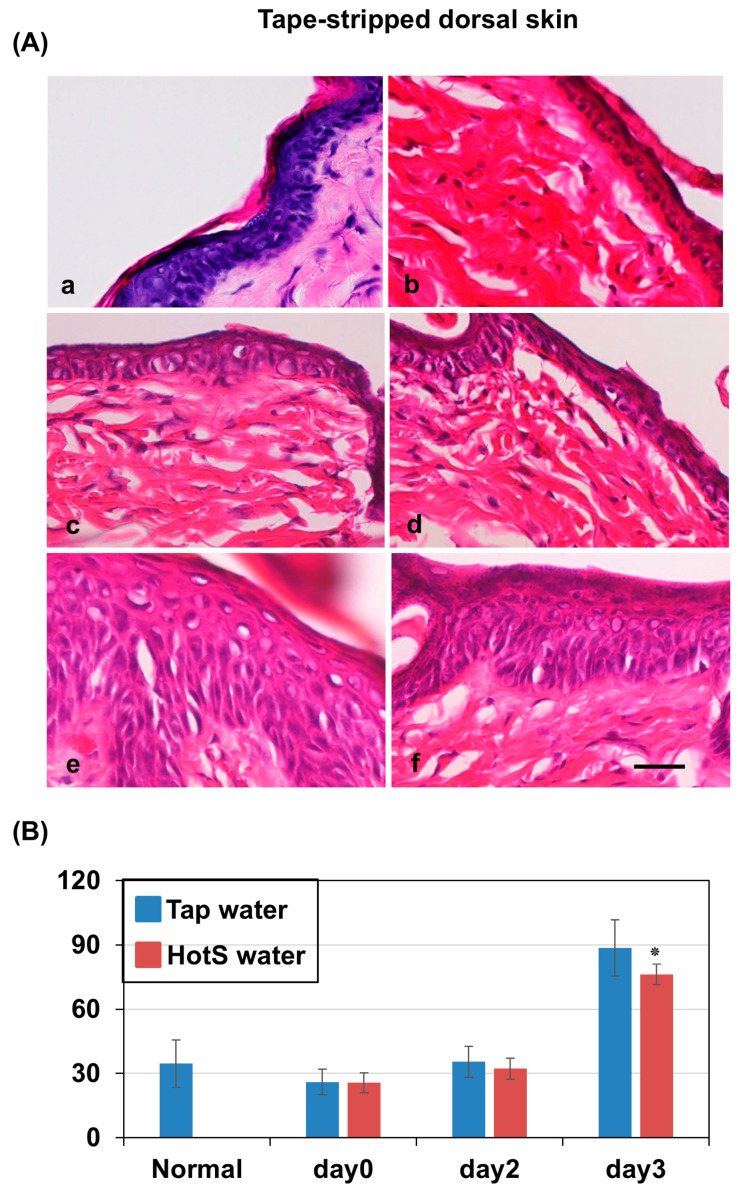 Figure 2
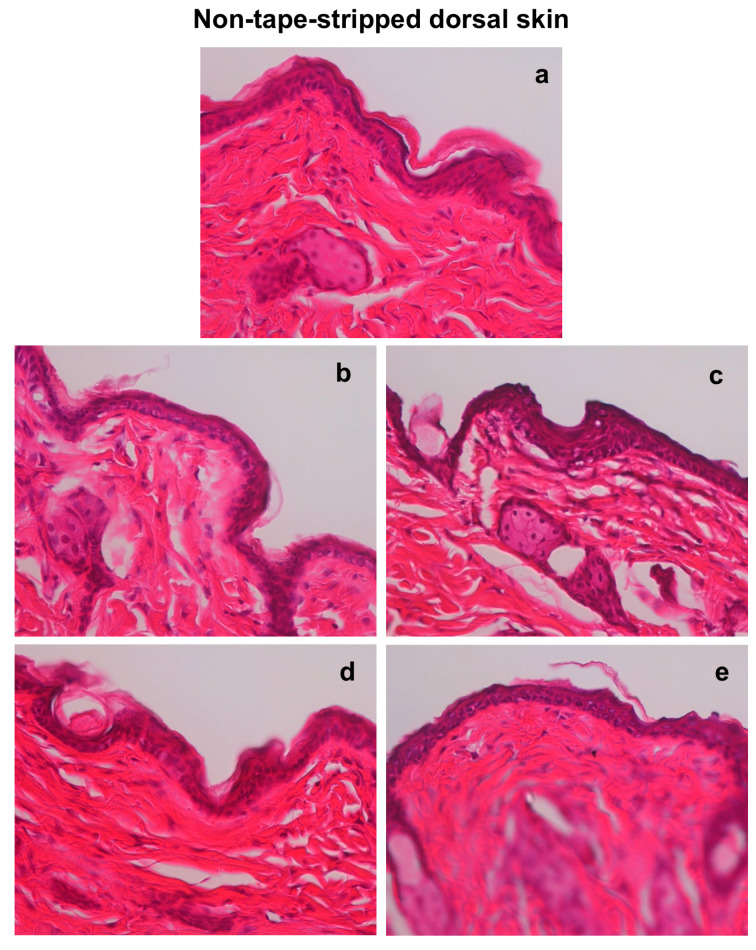 Figure 3
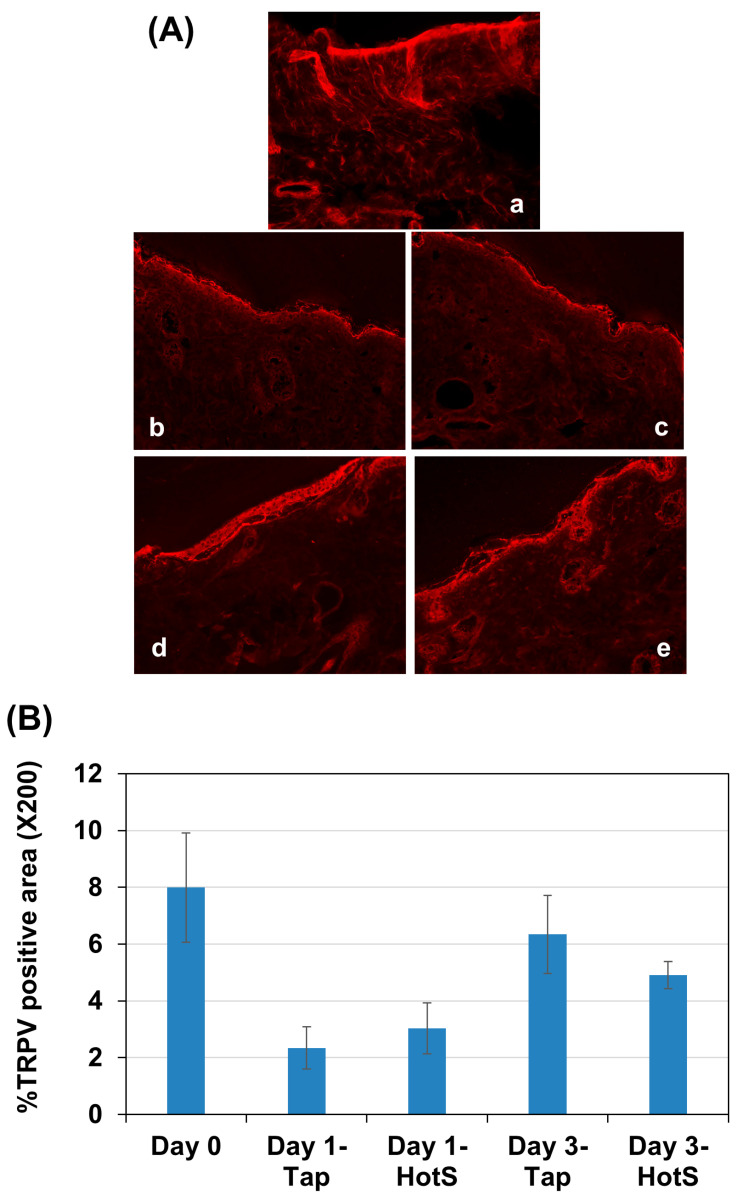 Figure 4
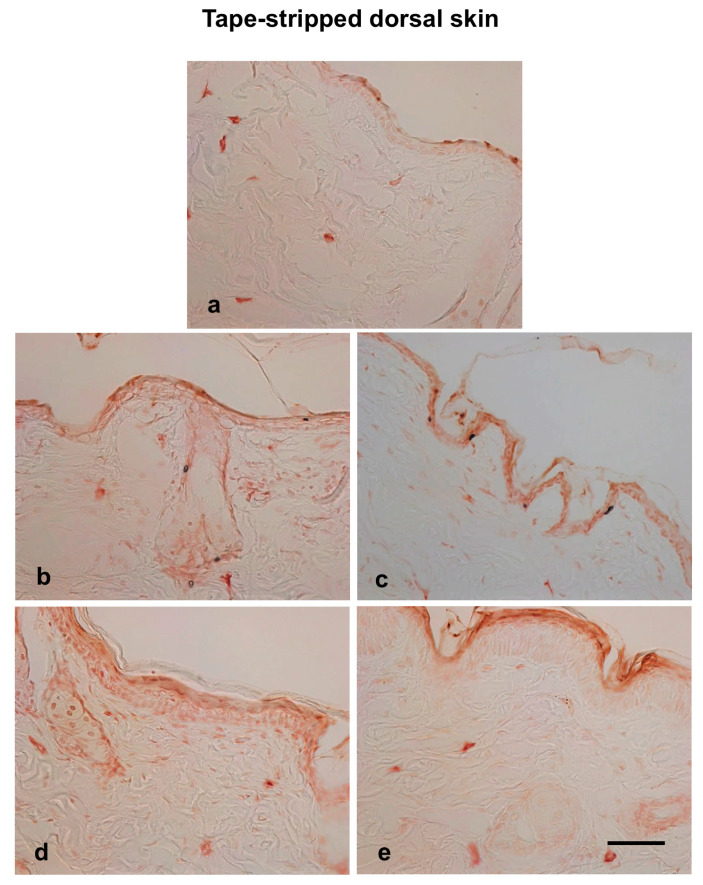 Figure 5
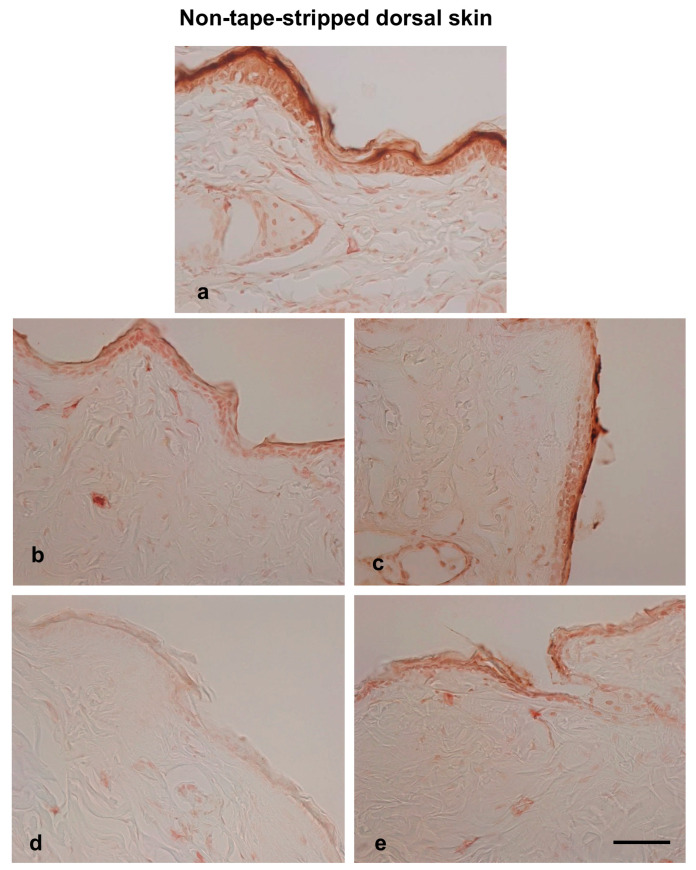 Figure 6
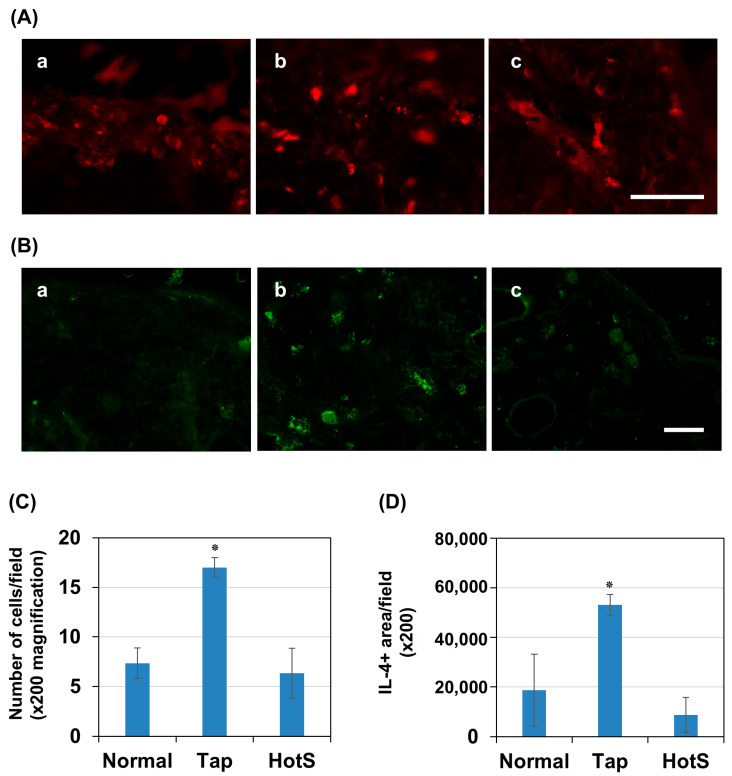 Figure 7
Peer Reviews
No public reviews on file for this paper yet. If you reviewed it on a platform where reviews are public (OpenReview, ICLR, NeurIPS, ICML), you can paste yours below so the community can read it here.
Videos
No videos yet. Explain this paper in a talk, walkthrough, or lecture? Add one.
Taxonomy
TopicsDermatology and Skin Diseases · Skin Protection and Aging · Psoriasis: Treatment and Pathogenesis