Triploid Cyprinid Fish (TCF) Under Aeromonas sp. AS1-4 Infection: Metabolite Characteristics and In Vitro Assessment of Probiotic Potentials of Intestinal Enterobacter Strains
Xu-Ying Kuang, Qin-Yang He, Zi-Xuan Fang, Zhuang-Wen Mao, Ming-Zhu Huang, Zi-Le Qin, Jie Peng, Yu-De Wang, Sheng-Wei Luo

TL;DR
This study explores how a harmful bacteria, Aeromonas sp. AS1-4, affects fish and identifies beneficial intestinal bacteria that could help manage fish health in aquaculture.
Contribution
The study identifies and characterizes potential probiotic Enterobacter strains with anti-pathogenic properties in triploid cyprinid fish.
Findings
Aeromonas sp. AS1-4 infection causes oxidative damage and alters amino acid metabolism in fish.
Three Enterobacter strains show strong probiotic traits, including biofilm inhibition and antioxidant activity.
The identified probiotics coaggregated with pathogens and suppressed their harmful effects.
Abstract
Our research found that Aeromonas sp. AS1-4 infection could induce severe oxidative damage in the liver and spleen of TCFs, along with a significant alteration of amino acid metabolism. Following this, we identified three probiotic isolates displaying anti-pathogenic capability and potential traits in vitro. This study provided a valuable insight into exploring the pathogenic mechanism and guiding the probiotic application in aquaculture practices. The majority of Aeromonas strains are opportunistic pathogens for both humans and animals, causing a variety of diseases and posing a considerable risk to their health. In the current study, triploid cyprinid fish (TCF) were infected with a novel pathogenic Aeromonas sp. AS1-4 for pathological analysis. TCFs receiving Aeromonas sp. AS1-4 challenge exhibited oxidative damage in the liver and spleen, along with significant changes in…
Genes, proteins, chemicals, diseases, species, mutations and cell lines named across the full text — each resolved to its canonical identifier and authoritative record.
Click any figure to enlarge with its caption.
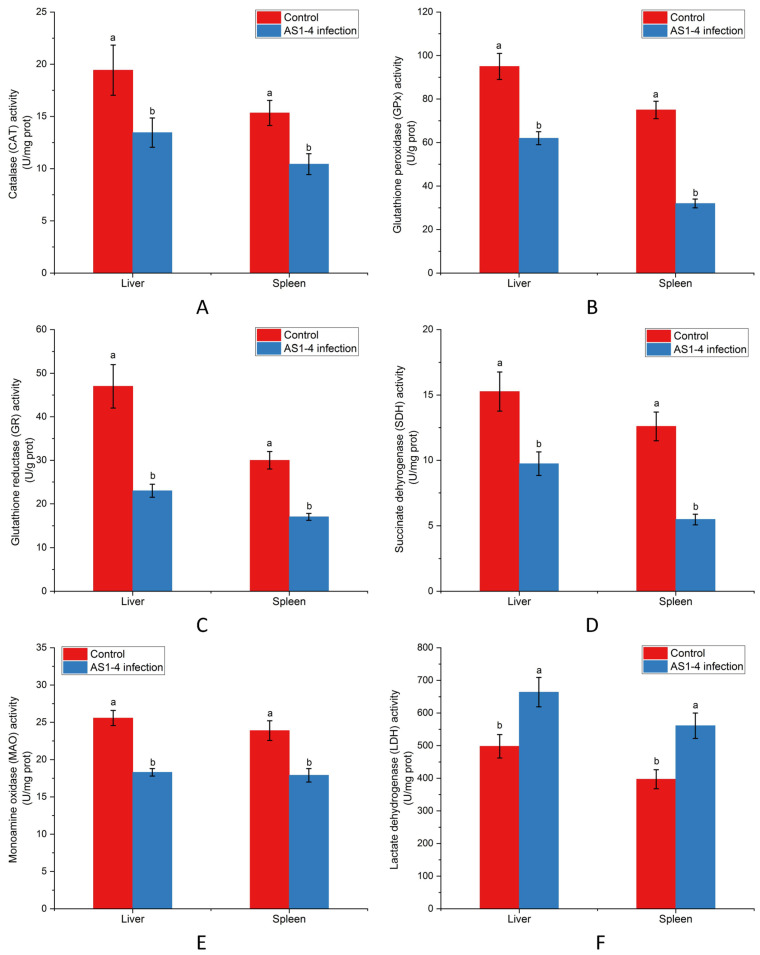 Figure 1
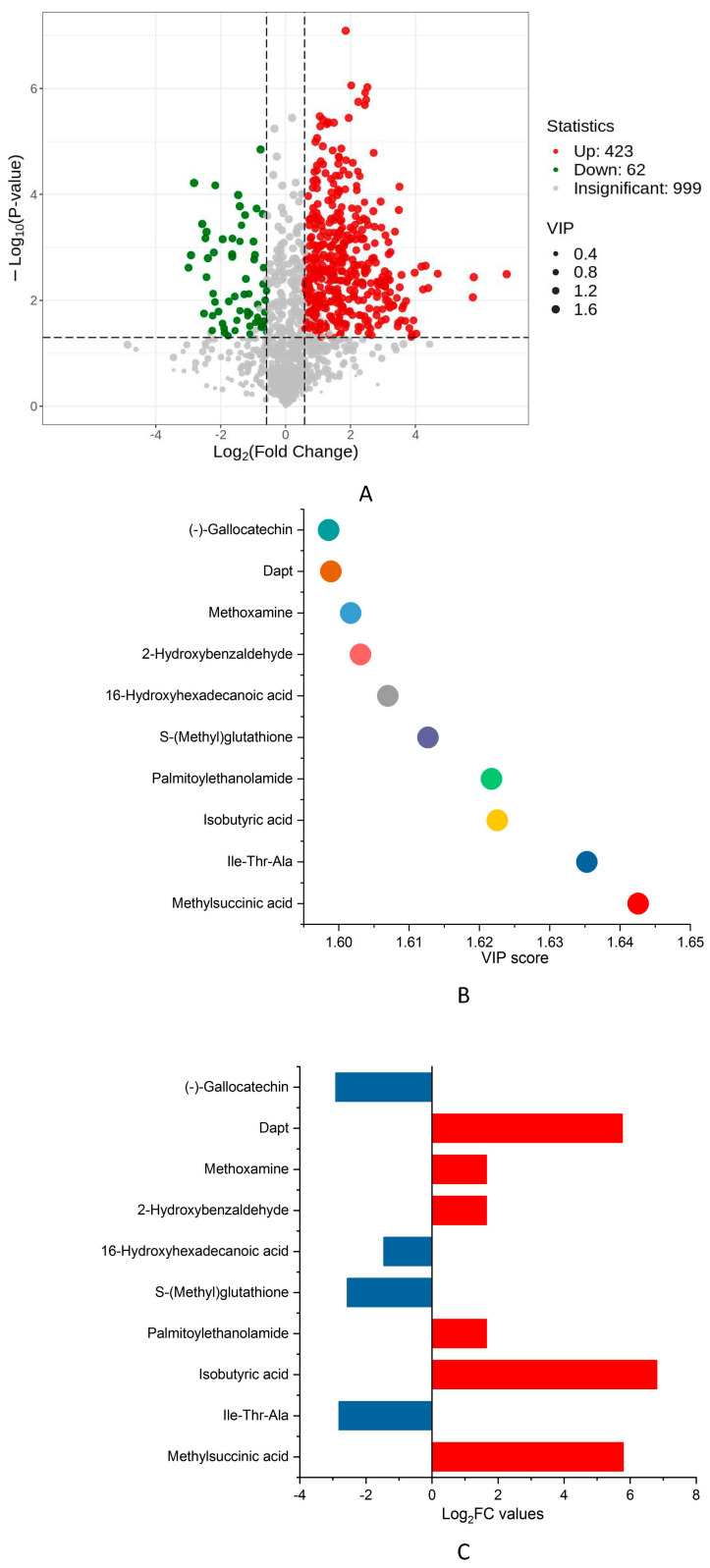 Figure 2
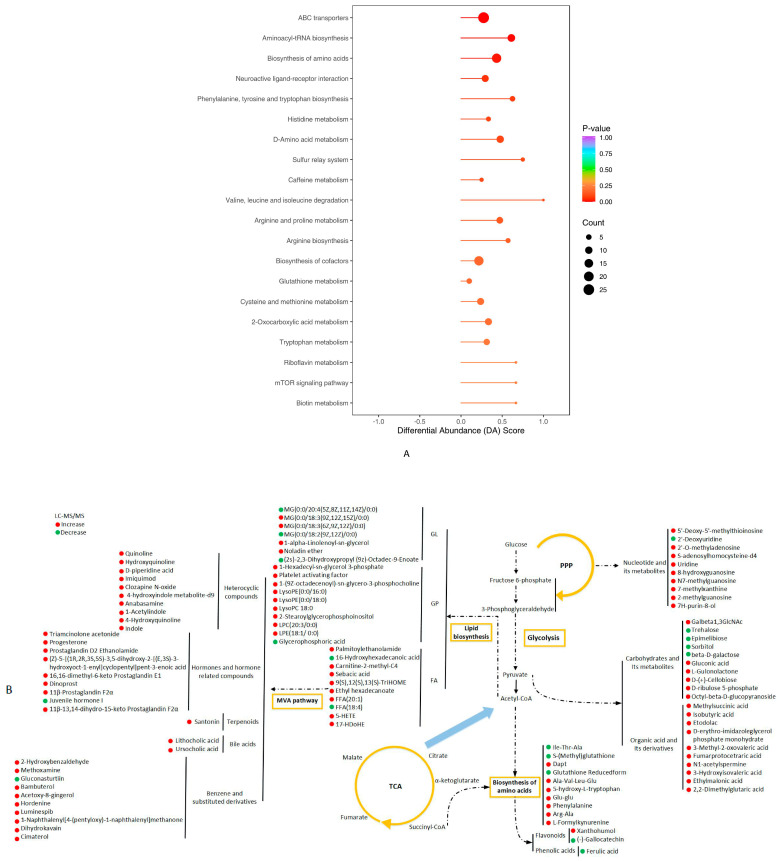 Figure 3
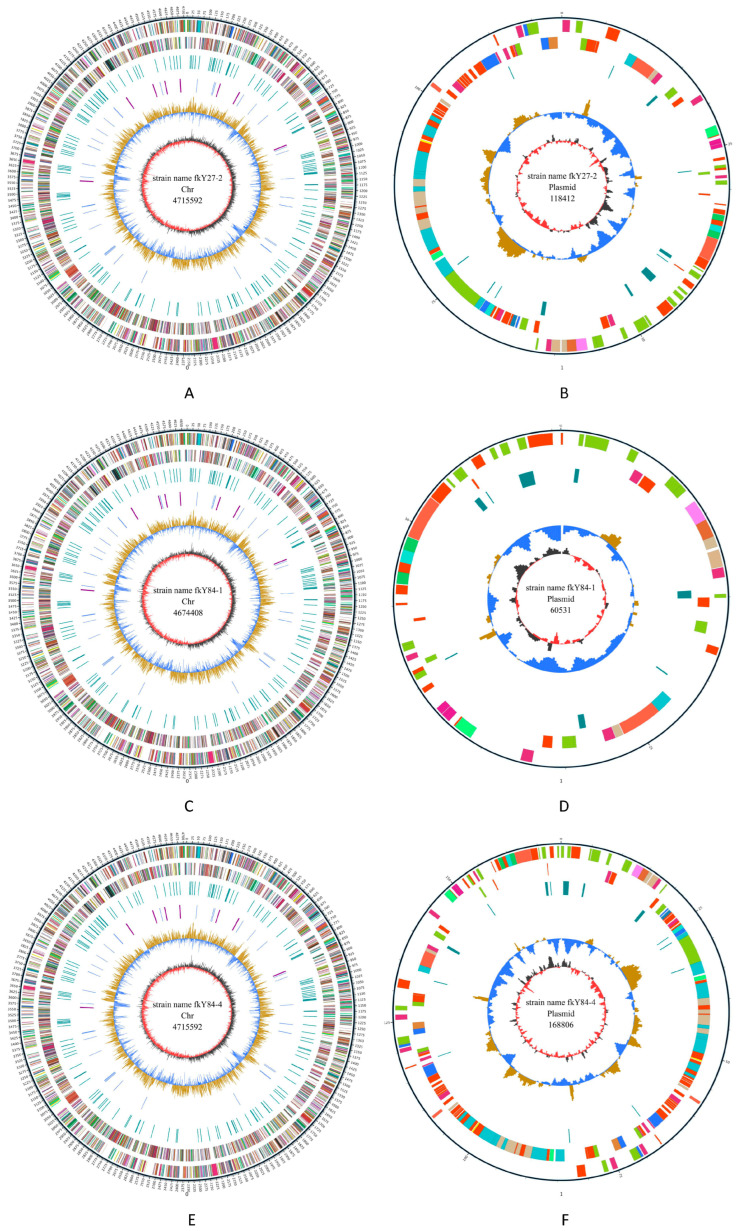 Figure 4
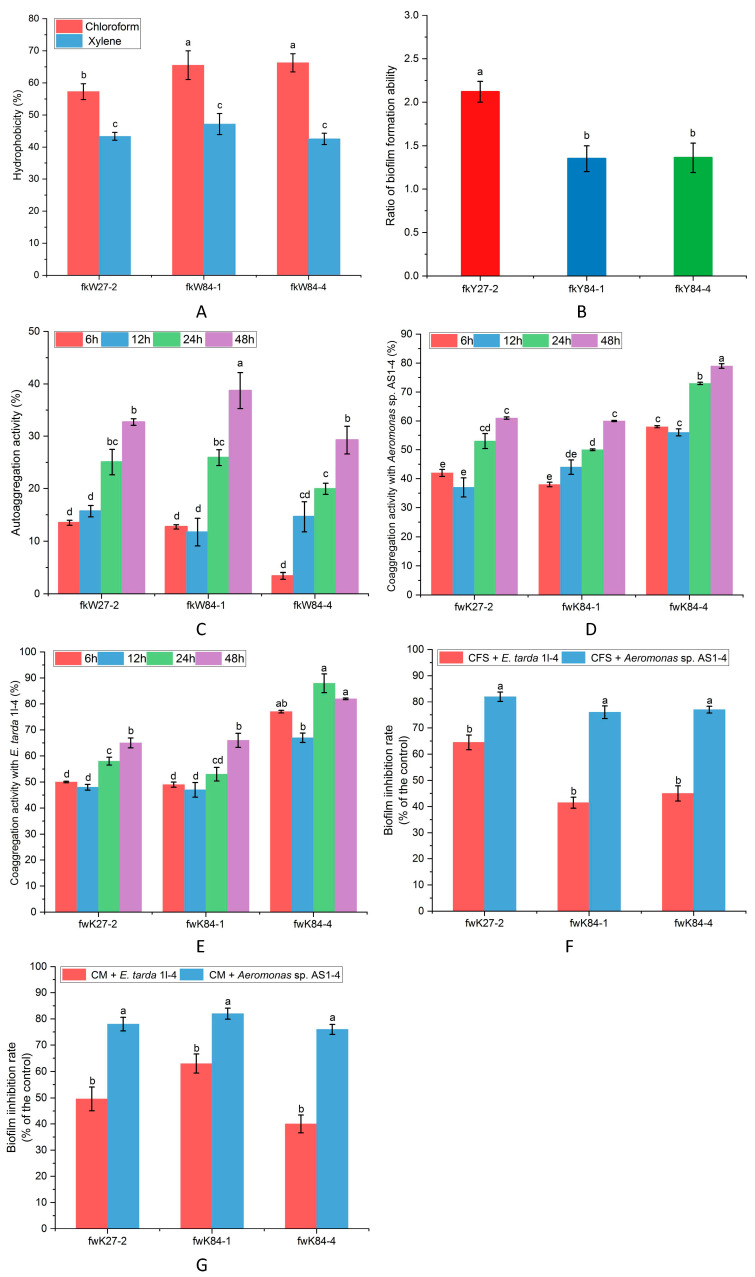 Figure 5
Peer Reviews
No public reviews on file for this paper yet. If you reviewed it on a platform where reviews are public (OpenReview, ICLR, NeurIPS, ICML), you can paste yours below so the community can read it here.
Videos
No videos yet. Explain this paper in a talk, walkthrough, or lecture? Add one.
Taxonomy
TopicsAquaculture disease management and microbiota · Aquaculture Nutrition and Growth · Aquatic life and conservation