Development of Acellular Hepatic Scaffolds Through a Low-Cost Gravity-Assisted Perfusion Decellularization Method
María Fernanda Duarte-Ortega, Luis Bernardo Enríquez-Sánchez, Manuel David Pérez-Ruiz, Alfredo Nevárez-Rascón, María Alejandra Favila-Pérez, Alva Rocío Castillo-González, Celia María Quiñonez-Flores, Luis Carlos Hinojos-Gallardo, Víctor Adolfo Ríos-Barrera, Carlos Arzate-Quintana

TL;DR
This study introduces a low-cost method for creating liver scaffolds using gravity instead of pumps, making it accessible for labs with limited resources.
Contribution
A novel gravity-assisted perfusion decellularization method that is cost-effective and suitable for low-resource settings.
Findings
Gravity-assisted perfusion achieved better cellular removal and ECM preservation than immersion methods.
Perfused samples had residual DNA levels below the accepted threshold for effective decellularization.
Histological analysis confirmed the absence of nuclei and preserved collagen architecture in perfused scaffolds.
Abstract
Background: Developing reliable and cost-effective decellularization methods is critical for advancing tissue engineering and regenerative medicine, particularly in regions with limited access to specialized perfusion systems. Methods: This study standardized a gravity-assisted perfusion protocol for rat liver decellularization, designed to operate without pumps or pressurized equipment. Adult Wistar rat livers were processed through a gravity-driven vascular flushing method and compared with a conventional immersion-based protocol. The resulting scaffolds were evaluated by macroscopic inspection, histological staining (Masson’s trichrome), and residual DNA quantification. Results: The gravity-assisted perfusion method achieved more efficient cellular removal and superior preservation of extracellular matrix (ECM) integrity compared with immersion. Residual DNA levels were 3.7 ng/mg in…
Genes, proteins, chemicals, diseases, species, mutations and cell lines named across the full text — each resolved to its canonical identifier and authoritative record.
Click any figure to enlarge with its caption.
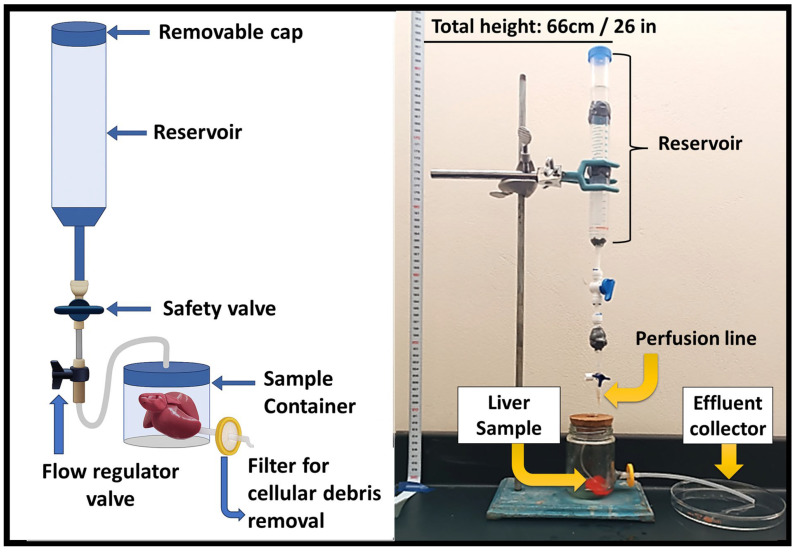 Figure 1
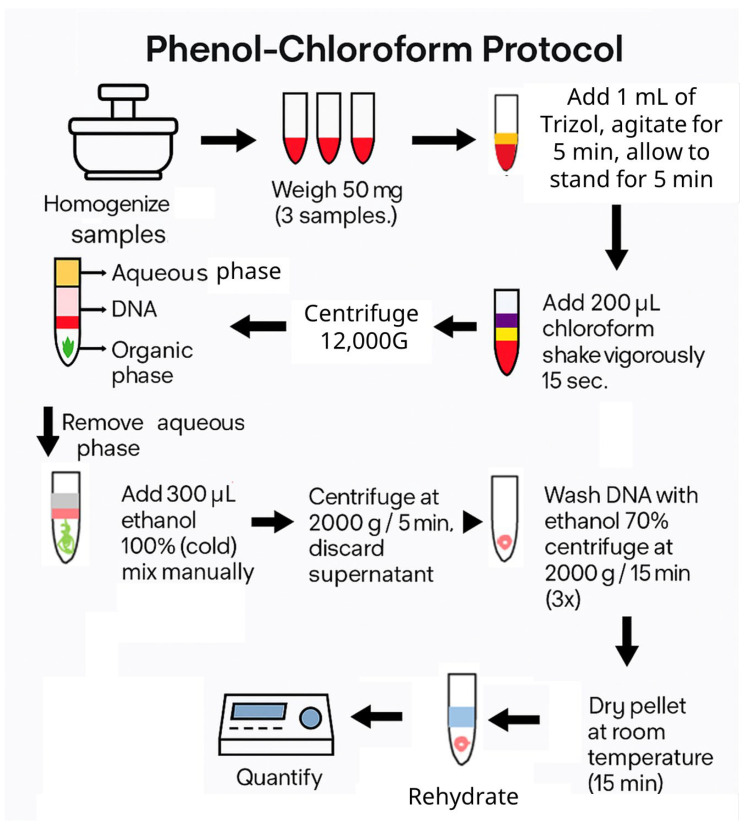 Figure 2
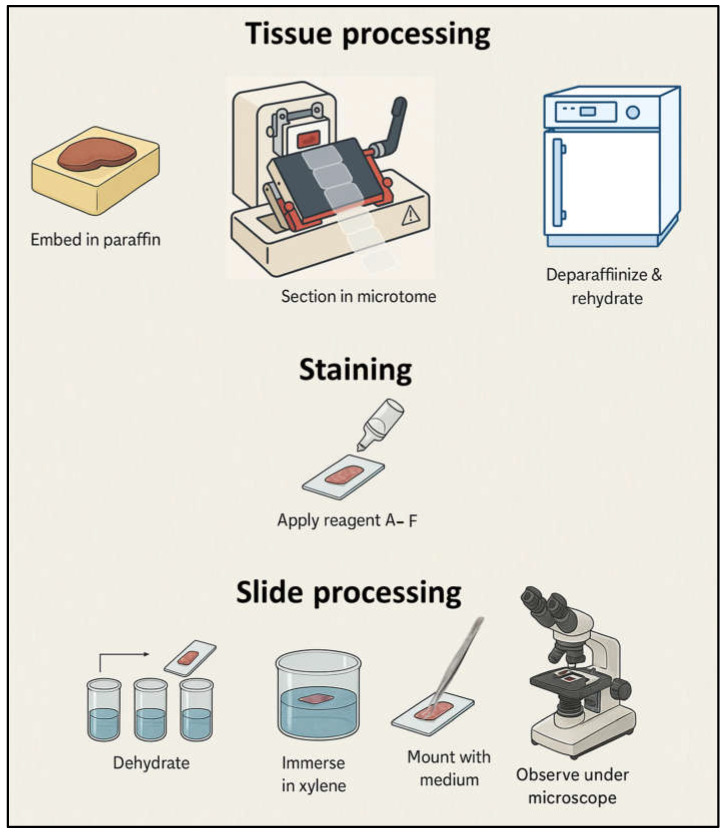 Figure 3
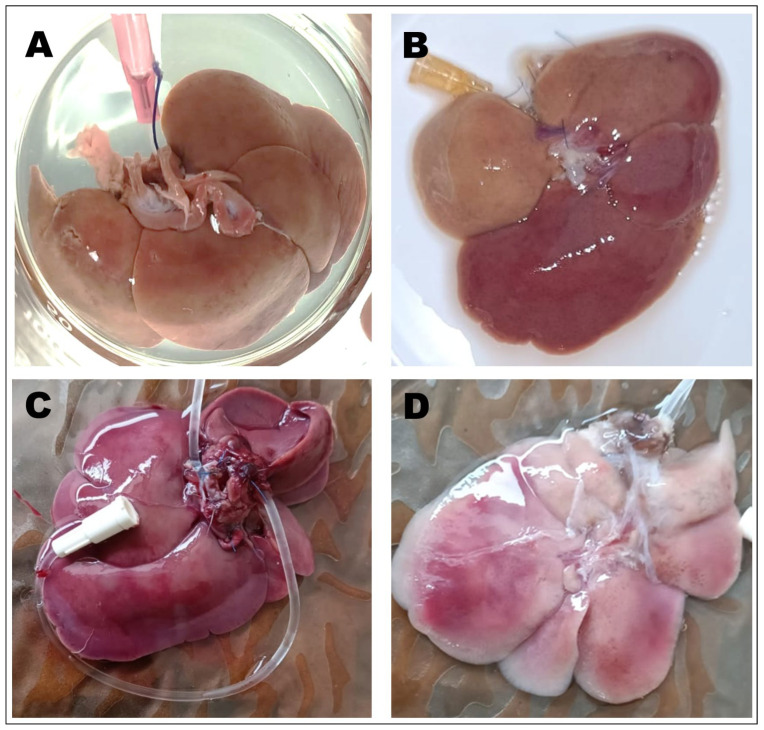 Figure 4
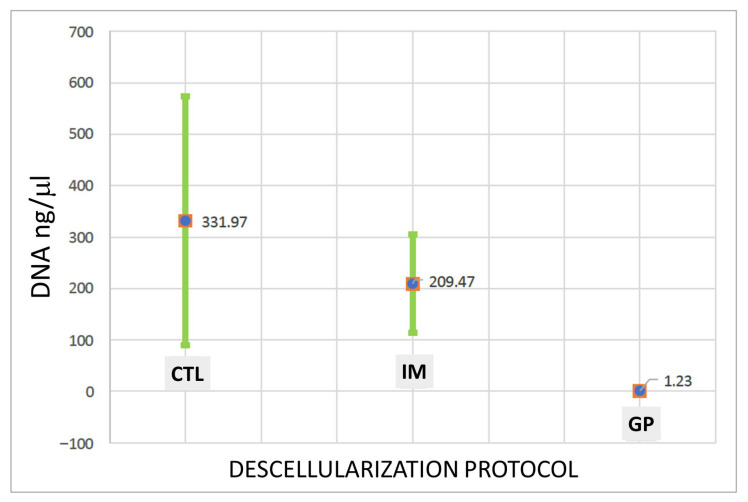 Figure 5
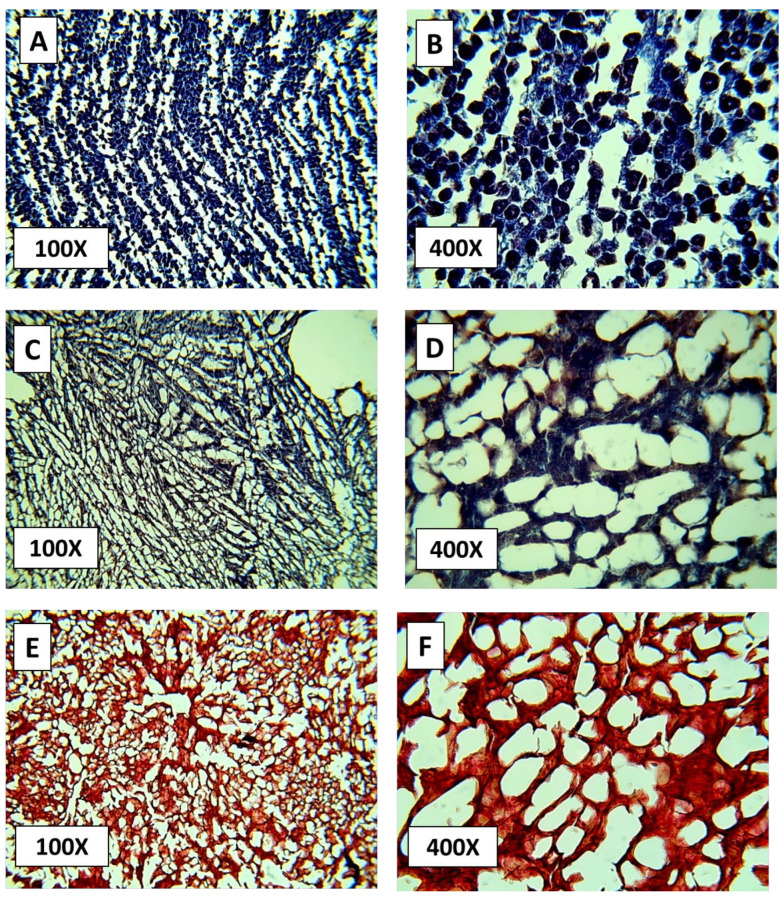 Figure 6
Peer Reviews
No public reviews on file for this paper yet. If you reviewed it on a platform where reviews are public (OpenReview, ICLR, NeurIPS, ICML), you can paste yours below so the community can read it here.
Videos
No videos yet. Explain this paper in a talk, walkthrough, or lecture? Add one.
Taxonomy
TopicsTissue Engineering and Regenerative Medicine · Liver physiology and pathology · Pancreatic function and diabetes