Structural and Functional Characterization of LIMCH1 and Its Agmatinase-like Region: A Case of Catalysis in a Highly Disordered Protein
María-Belén Reyes, Allison Fuentes, Diego Bustamante, Fernando Retamal, Ignacia Lillo, Cristián Villegas, Juan-Pablo Carrasco, Martin Pereira-Silva, Marcell Gatica, Juan Román, Maximiliano Figueroa, Yamil Neira, José Martínez-Oyanedel, Víctor Castro-Fernández, Elena Uribe

TL;DR
This paper investigates the structure and function of LIMCH1 and its agmatinase-like region, revealing that it has agmatinase activity despite being a highly disordered protein.
Contribution
The study provides structural and functional insights into LIMCH1 and its agmatinase-like region, which lacks conserved residues for metal coordination.
Findings
LIMCH1 and its truncated variant ΔLIM-ALP have high proportions of disordered regions and β-structures.
Mutations in putative Mn2+-binding residues altered agmatine metabolism kinetics without affecting Mn2+ binding.
LIMCH1 remains the only known mammalian protein with agmatinase activity despite structural differences from canonical agmatinases.
Abstract
Agmatine is a biogenic amine that functions as a neurotransmitter and exhibits anticonvulsant, antineurotoxic, and antidepressant properties. It can be metabolized into putrescine and urea by canonical agmatinases or by the agmatinase-like protein (ALP), which corresponds to the C-terminal region of the LIMCH1 protein. The amino acid sequence of ALP/LIMCH1 diverges significantly from that of canonical agmatinases and lacks the conserved residues typically required for coordination with Mn2+, an essential cofactor for ureohydrolase activity. The three-dimensional structure of ALP/LIMCH1 remains unresolved, and predictive artificial intelligence algorithms such as AlphaFold have failed to model it reliably. As a result, the configuration of its active site and the identity of potential metal-coordinating ligands remain elusive. In this study, we purified recombinant full-length rat LIMCH1…
Genes, proteins, chemicals, diseases, species, mutations and cell lines named across the full text — each resolved to its canonical identifier and authoritative record.
Click any figure to enlarge with its caption.
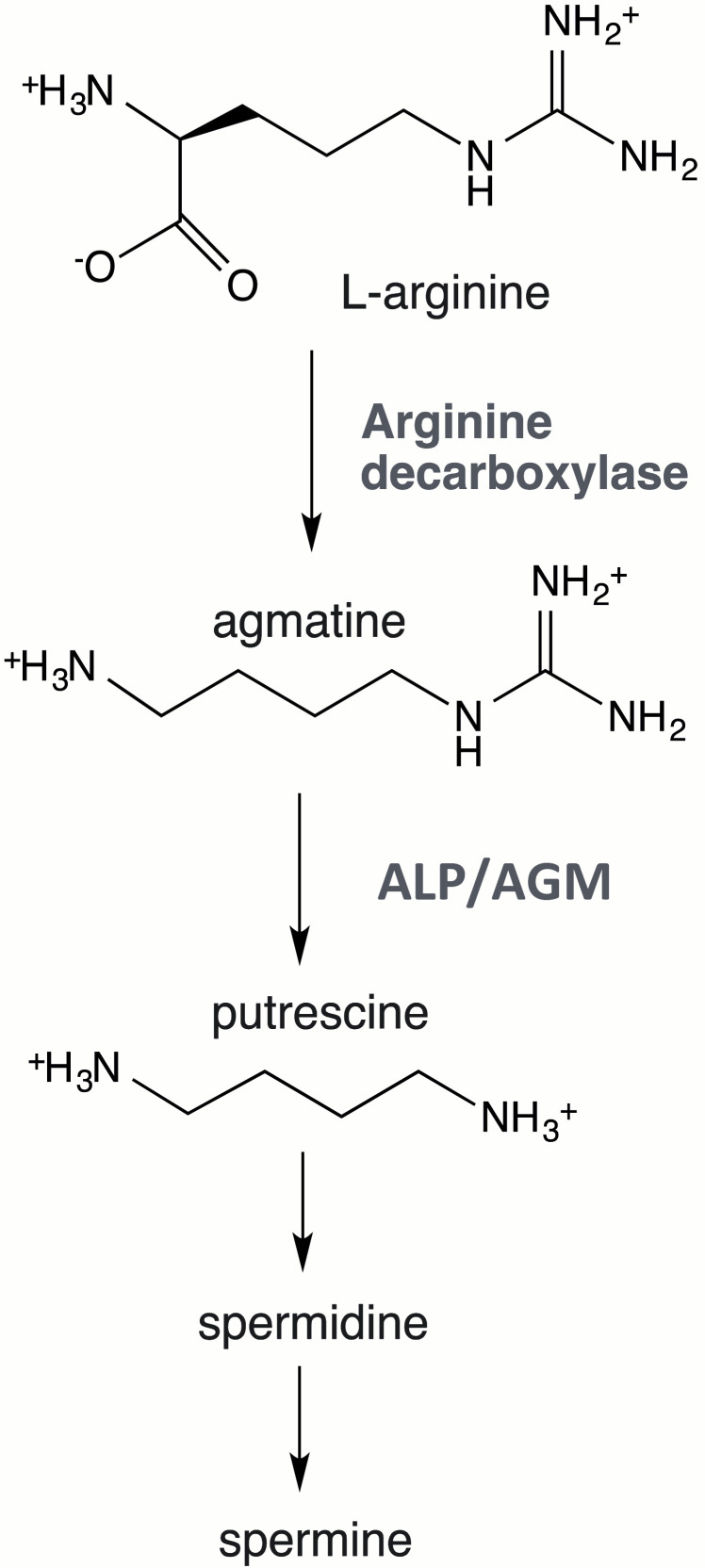 Figure 1
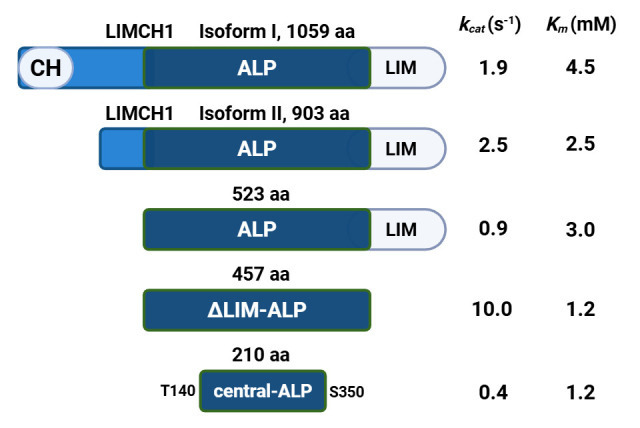 Figure 2
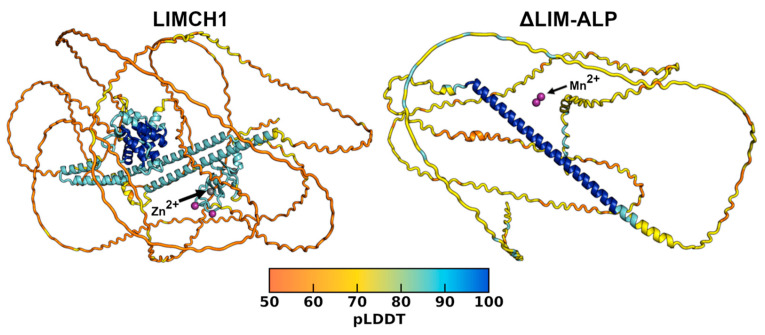 Figure 3
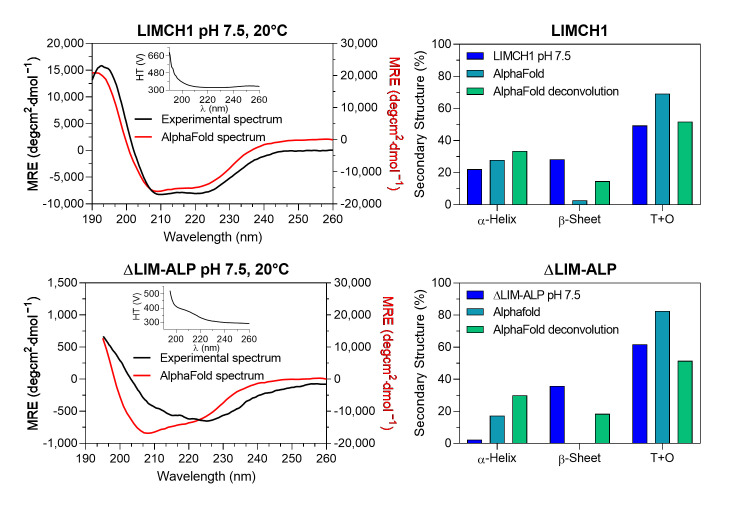 Figure 4
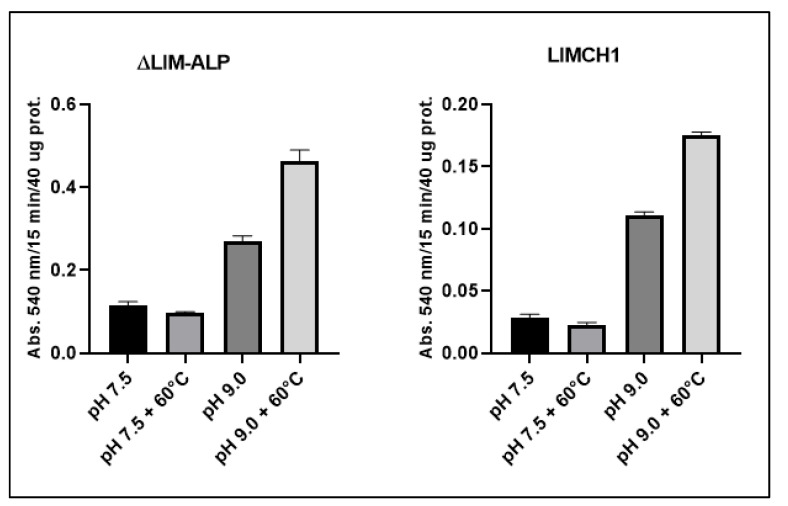 Figure 5
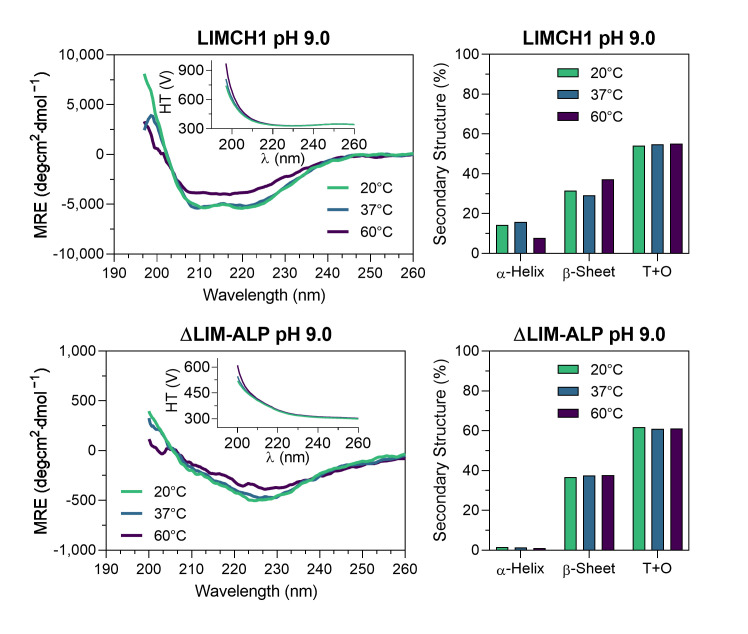 Figure 6
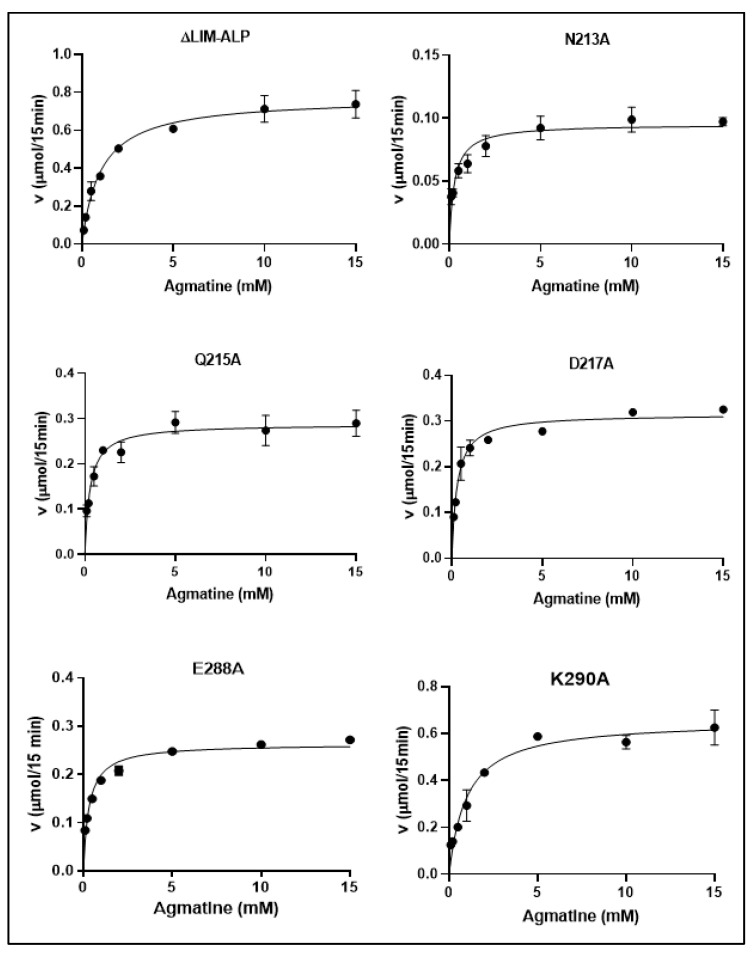 Figure 7
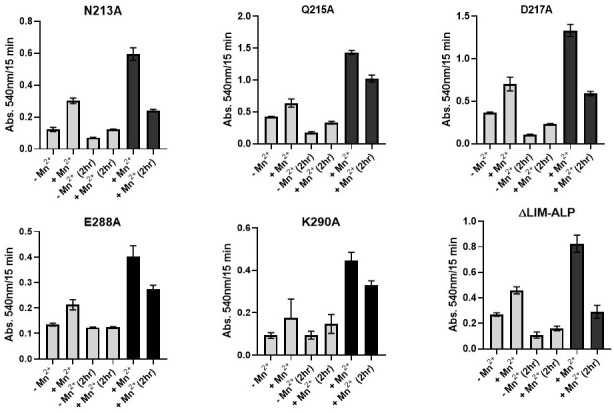 Figure 8
Peer Reviews
No public reviews on file for this paper yet. If you reviewed it on a platform where reviews are public (OpenReview, ICLR, NeurIPS, ICML), you can paste yours below so the community can read it here.
Videos
No videos yet. Explain this paper in a talk, walkthrough, or lecture? Add one.
Taxonomy
TopicsPolyamine Metabolism and Applications · Enzyme Structure and Function · Biochemical and Molecular Research