Isolation and Characterization of Chlorpyrifos-Degrading Gut Bacteria from Field-Collected Larvae of Spodoptera frugiperda (J.E. Smith) (Lepidoptera: Noctuidae)
Ayatollah S. El-Zayat, Marwa N. Ahmed, Manar Sofy, Dalia E. El-Hefny, Nawal A. Alfuhaid, Dina El-Sayed, Hayam M. Fathy, Mona Awad

TL;DR
Scientists found bacteria in the gut of a destructive pest that can break down a common pesticide, which could lead to new ways to control pests without relying on chemicals.
Contribution
The study isolates and characterizes pesticide-degrading gut bacteria from field-collected fall armyworm larvae for the first time.
Findings
Four gut bacteria capable of degrading chlorpyrifos were isolated from Spodoptera frugiperda larvae.
Klebsiella pneumoniae strain 64D achieved 80.38% chlorpyrifos degradation in vitro within one day.
Larvae colonized with Klebsiella pneumoniae strain 66D showed a 19.16-fold reduction in mortality after pesticide exposure.
Abstract
The fall armyworm, Spodoptera frugiperda (J.E. Smith) (Lepidoptera: Noctuidae), is a highly invasive and economically important pest that inflicts significant damage on a wide range of host crops, particularly maize. One of the most challenging aspects of managing S. frugiperda populations is their capacity to develop resistance rapidly to various classes of chemical insecticides. Symbiotic microbes play vital roles in insect physiology and behavior, contributing to fundamental processes such as food digestion, nutrient acquisition, immune defense against pathogens, and even mating preferences, as well as insecticide resistance. In this study, four bacterial isolates capable of degrading chlorpyrifos were isolated from the gut of a field-collected population of S. frugiperda. These findings substantiate the concept of “detoxifying symbiosis,” wherein insect gut microbiota strengthen…
Genes, proteins, chemicals, diseases, species, mutations and cell lines named across the full text — each resolved to its canonical identifier and authoritative record.
Click any figure to enlarge with its caption.
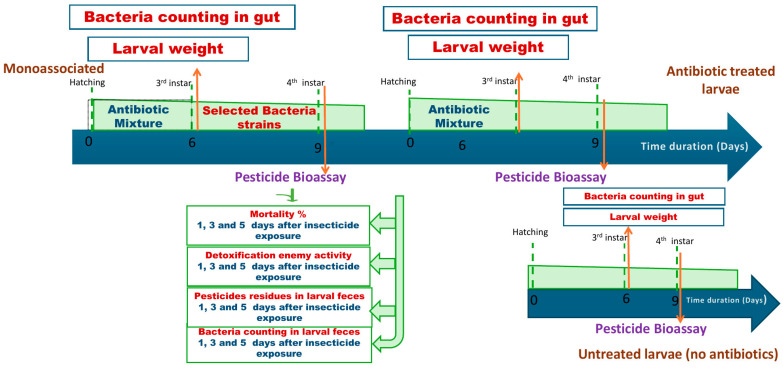 Figure 1
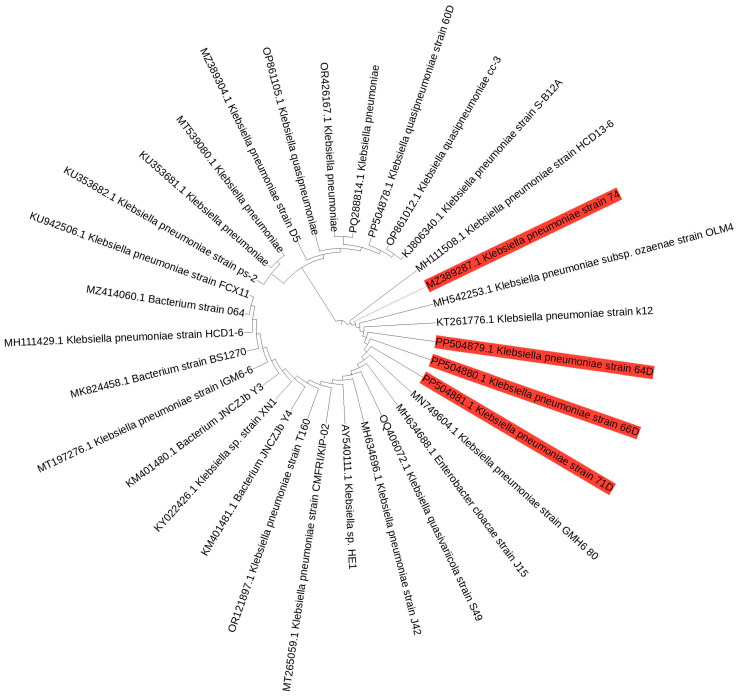 Figure 2
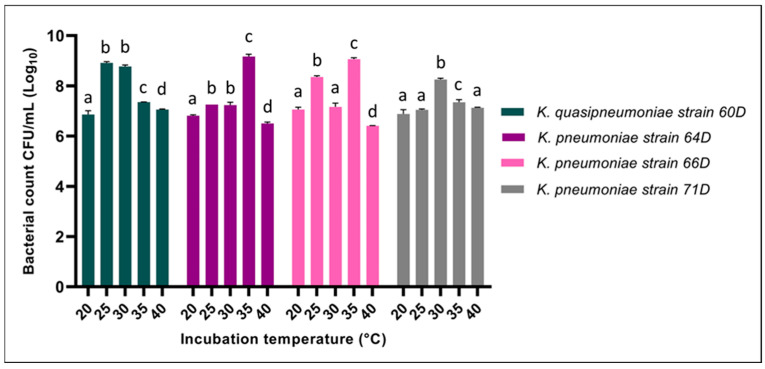 Figure 3
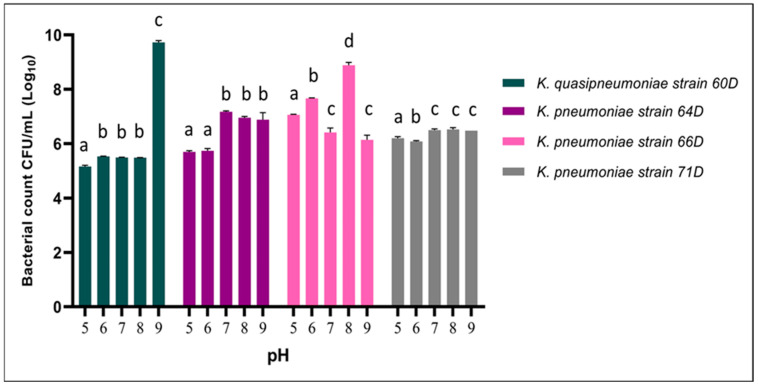 Figure 4
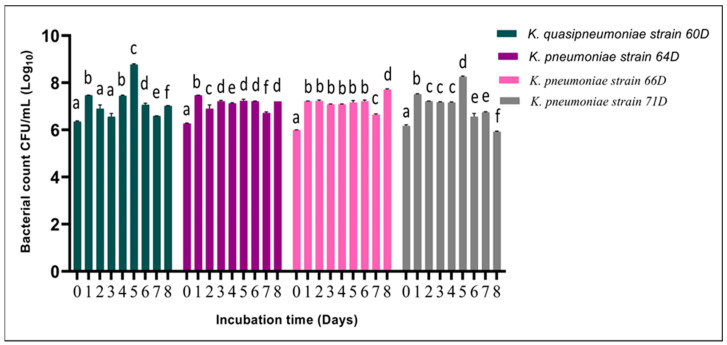 Figure 5
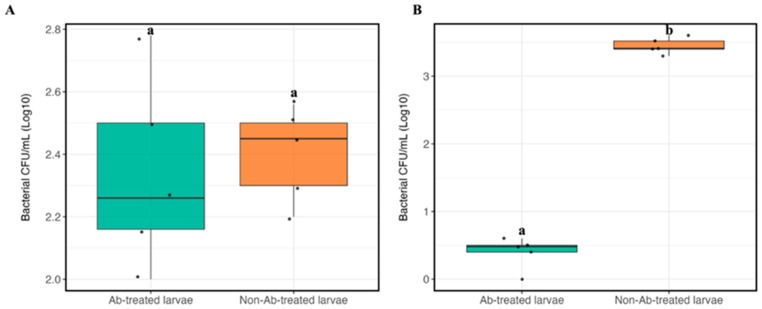 Figure 6
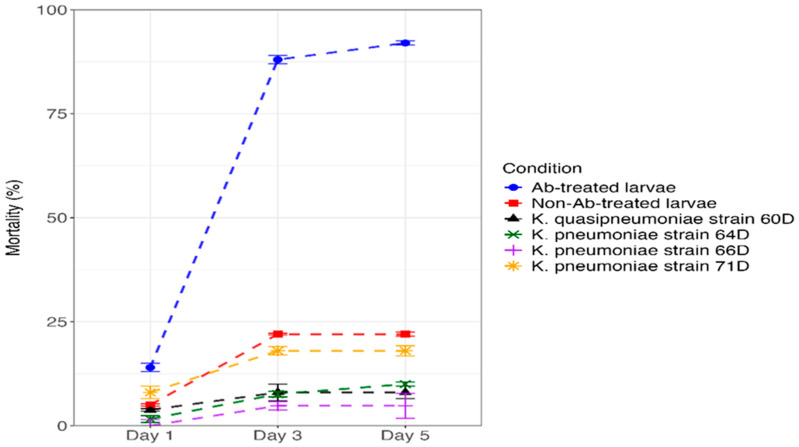 Figure 7
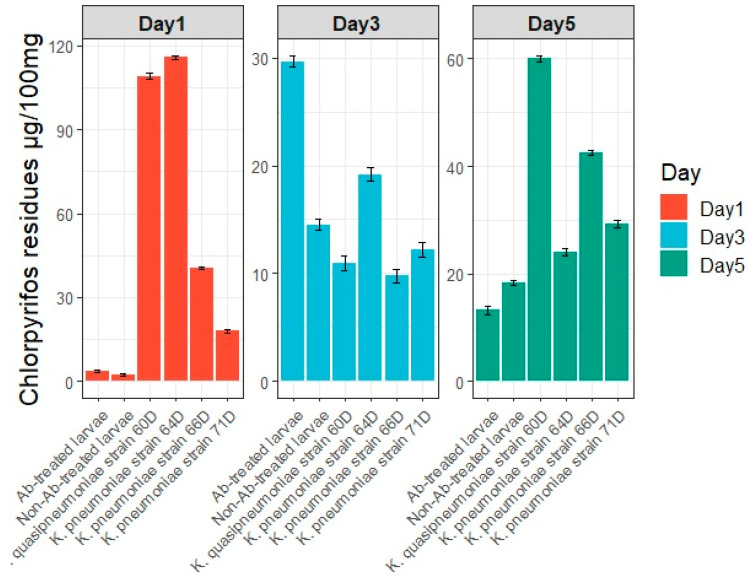 Figure 8
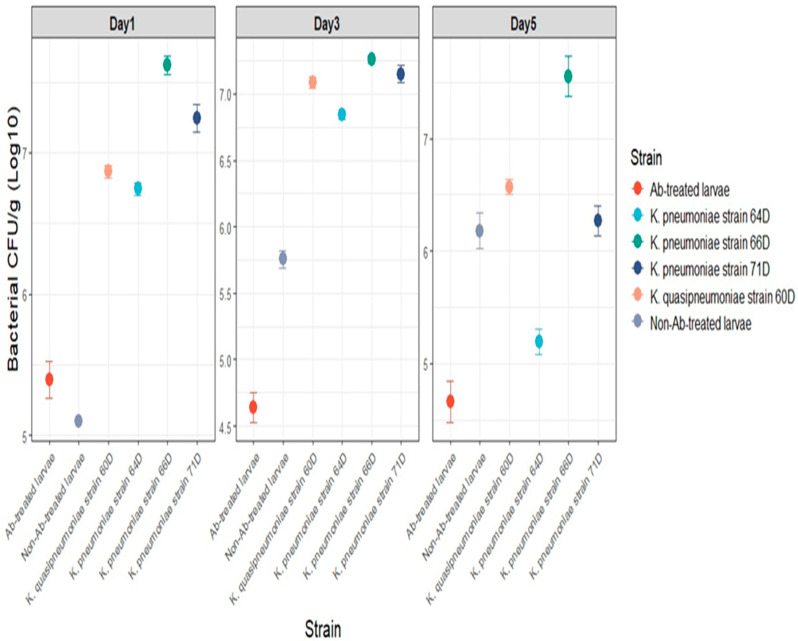 Figure 9
Peer Reviews
No public reviews on file for this paper yet. If you reviewed it on a platform where reviews are public (OpenReview, ICLR, NeurIPS, ICML), you can paste yours below so the community can read it here.
Videos
No videos yet. Explain this paper in a talk, walkthrough, or lecture? Add one.
Taxonomy
TopicsInsect and Pesticide Research · Insect symbiosis and bacterial influences · Insect Pest Control Strategies