Rigor & Reproducibility: pH Adjustments of Papain with L-Cysteine Dissociation Solutions and Cell Media Using Phenol Red Spectrophotometry
Joshua M. Hilner, Allison Turner, Calissa Vollmar-Zygarlenski, Larry J. Millet

TL;DR
This paper introduces a simple and reliable method to adjust and monitor pH in cell dissociation solutions using phenol red, improving cell viability and research reproducibility.
Contribution
A spectrophotometric pH adjustment method for low-volume dissociation media using phenol red is introduced, validated against traditional pH probes.
Findings
Phenol red spectrophotometry reliably adjusts pH in low-volume dissociation solutions to physiological levels (~7.4).
Unadjusted papain-based dissociation media with L-cysteine can be acidic (pH 6.6), reducing cell viability.
The method supports consistent pH documentation, enhancing reproducibility in cell isolation and downstream applications.
Abstract
Phenol red is a widely used, low-cost, label-free colorimetric pH indicator that bridges traditional colorimetric assays with modern quantitative imaging and cell-based screening platforms. Its protonation-dependent absorbance shift (430–560 nm) allows for the real-time monitoring of extracellular acidification, which indirectly reflects cellular metabolism, growth, and respiration. Although phenol red lacks the molecular specificity of genetically encoded or fluorogenic biosensors, it remains useful in systems where pH changes are effective proxies for physiological processes. Existing tissue digestion protocols often overlook key parameters, especially pH control and enzyme cofactor use. This study presents a straightforward, spectrophotometric method to monitor and adjust the pH of low-volume (1 mL) buffered enzymatic dissociation media using phenol red and a plate reader. We…
Genes, proteins, chemicals, diseases, species, mutations and cell lines named across the full text — each resolved to its canonical identifier and authoritative record.
Click any figure to enlarge with its caption.
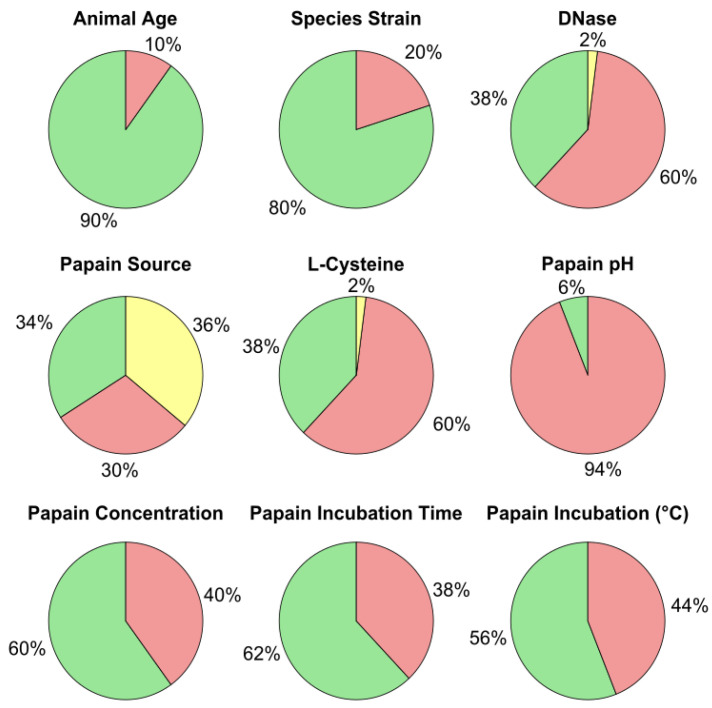 Figure 1
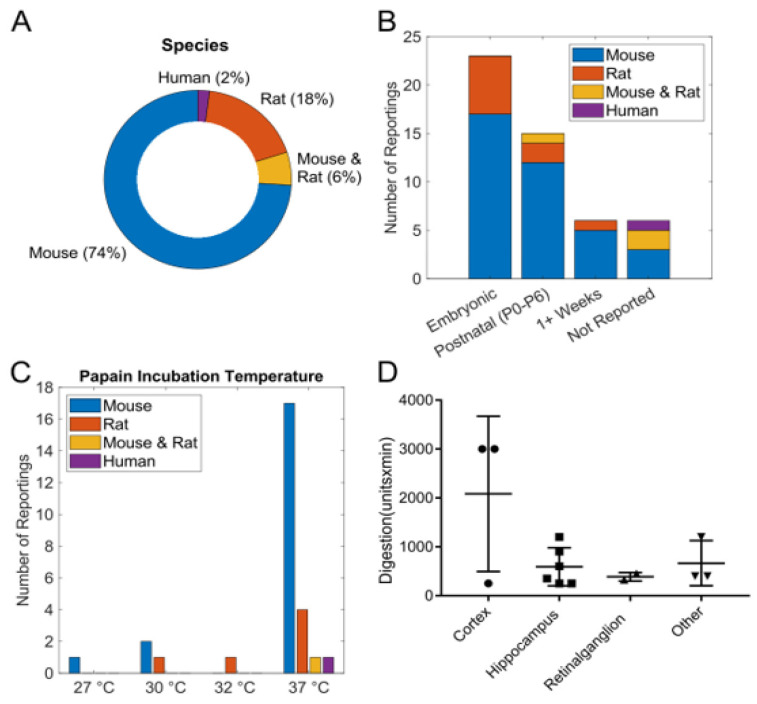 Figure 2
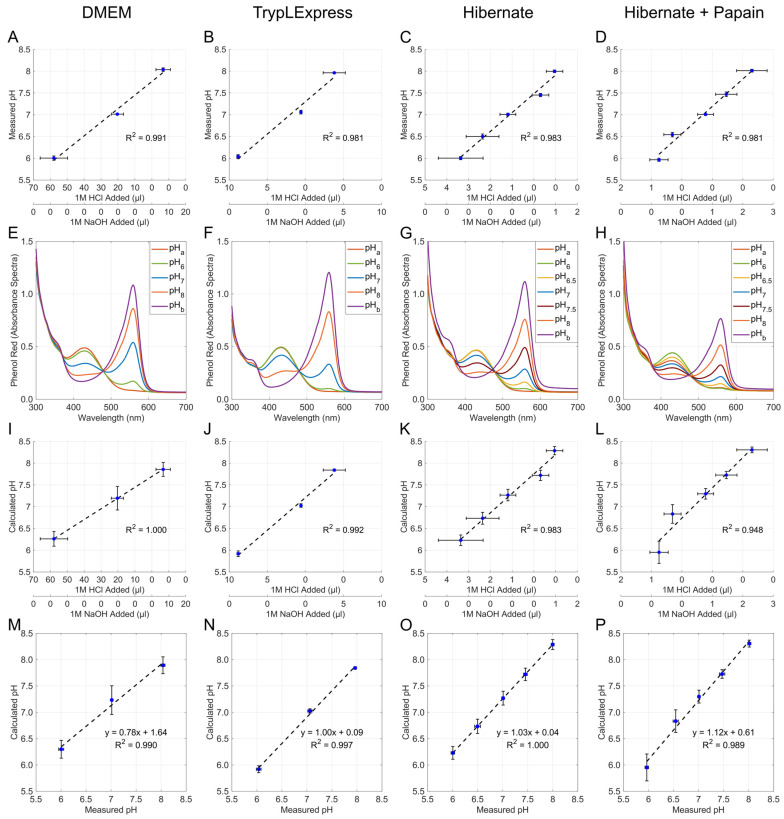 Figure 3
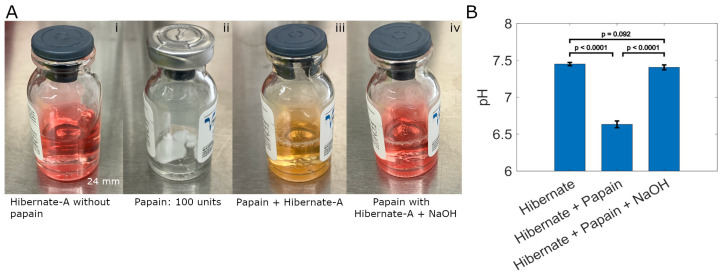 Figure 4
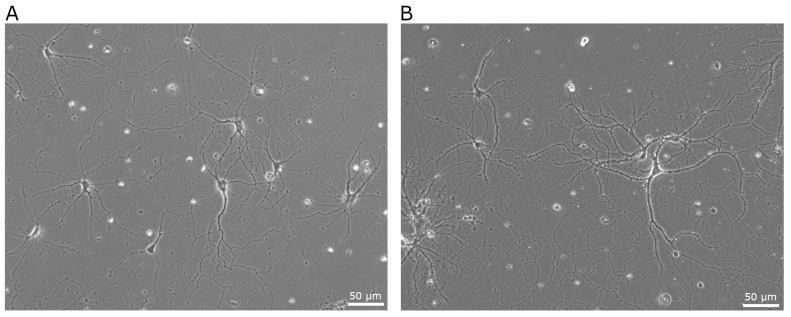 Figure 5
Peer Reviews
No public reviews on file for this paper yet. If you reviewed it on a platform where reviews are public (OpenReview, ICLR, NeurIPS, ICML), you can paste yours below so the community can read it here.
Videos
No videos yet. Explain this paper in a talk, walkthrough, or lecture? Add one.
Taxonomy
TopicsAnalytical Chemistry and Sensors · Molecular Sensors and Ion Detection · Enzyme Catalysis and Immobilization