A Novel Role of Hyaluronan and Its Membrane Receptors, CD44 and RHAMM, in Obesity-Related Kidney Pathology
Bingxue Qi, Vishal Musale, Xiong Weng, Ayman K. Banah, Alexander Lawlor, Colin E. Murdoch, Abigail C. Lay, Kate J. Heesom, Richard J. M. Coward, Christopher L. O’Connor, Wenjun Ju, Markus Bitzer, Claire E. Hills, Yang Chen, Li Kang

TL;DR
This study reveals a new role for hyaluronan and its receptors in obesity-related kidney damage, offering a potential new treatment target.
Contribution
The paper is the first to integrate CD44 and RHAMM in obesity-related kidney pathology and link them to disease mechanisms.
Findings
Obesity increases hyaluronan and receptor levels, worsening kidney damage through multiple pathways.
Reducing hyaluronan or its receptors reverses obesity-induced kidney injury in animal models.
CD44 and RHAMM expression correlates with kidney dysfunction in human biopsy samples.
Abstract
Obesity-related kidney pathology (ORKP) is a major global issue that contributes to diabetic nephropathy and kidney cancer and leads to chronic/end-stage kidney disease. Current treatments for ORKP are limited because of the incomplete understanding of the disease pathogenesis. Here, we identified a novel role for hyaluronan (HA) and its membrane receptors, CD44 and RHAMM, in this condition. Obesity-induced increases in HA deposition and CD44 and RHAMM expression are detrimental to the kidney via activation of the TGF-β1/Smad2/3, P38/JNK MAPK, and ROCK/ERK pathways, leading to glomerulopathy, tubular injury, inflammation, albuminuria, and elevated serum creatinine concentrations. Either pharmacological or genetic ablation of HA, CD44, or RHAMM reverses these obesity-driven pathologies in vivo. We further established a mechanistic link between renal insulin resistance and ECM remodelling…
Genes, proteins, chemicals, diseases, species, mutations and cell lines named across the full text — each resolved to its canonical identifier and authoritative record.
Click any figure to enlarge with its caption.
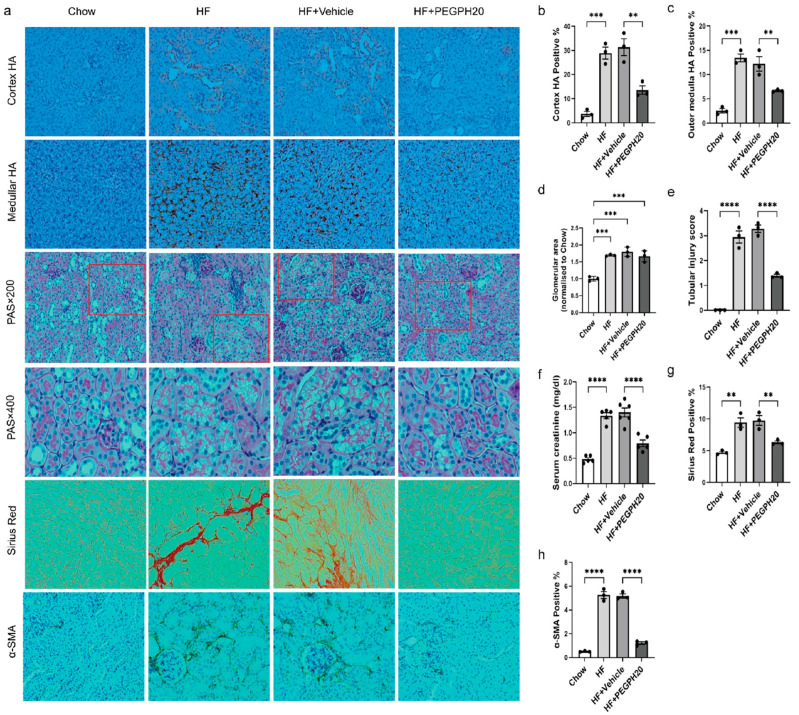 Figure 1
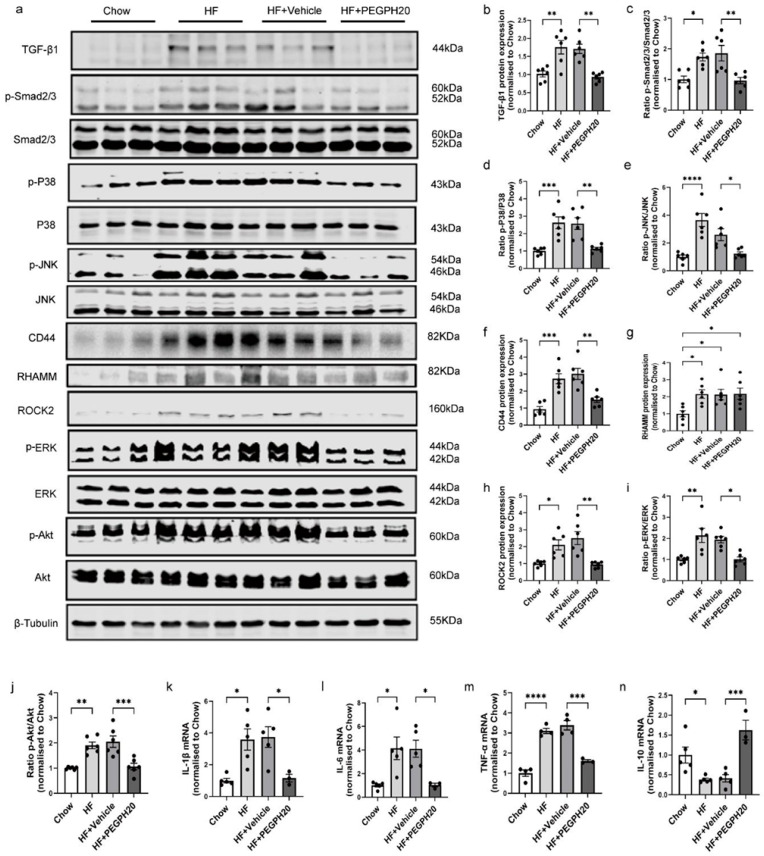 Figure 2
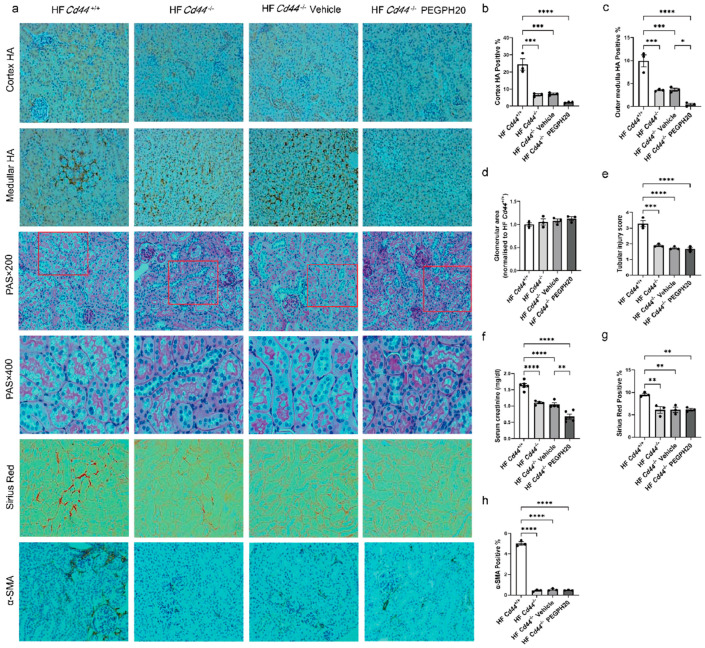 Figure 3
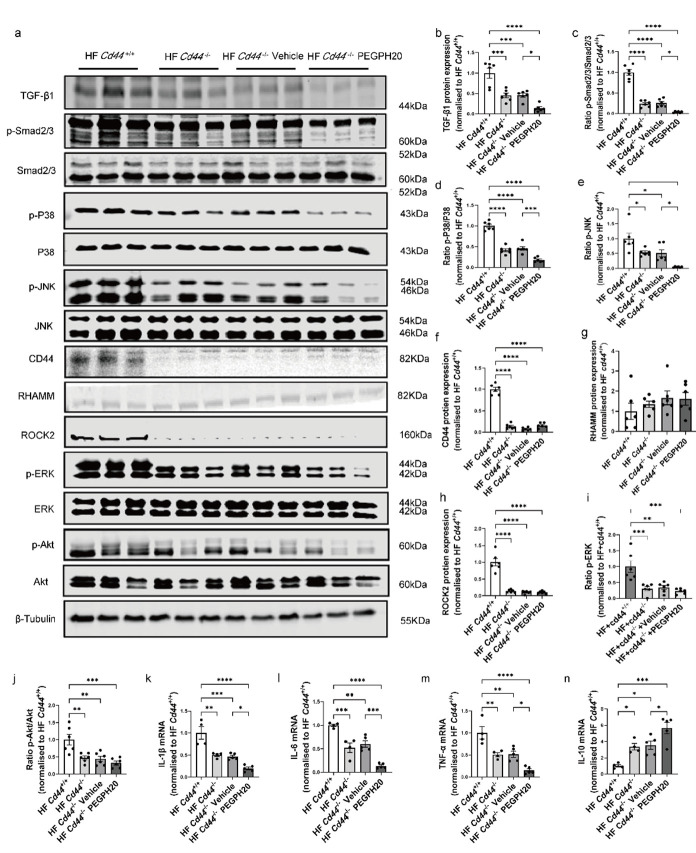 Figure 4
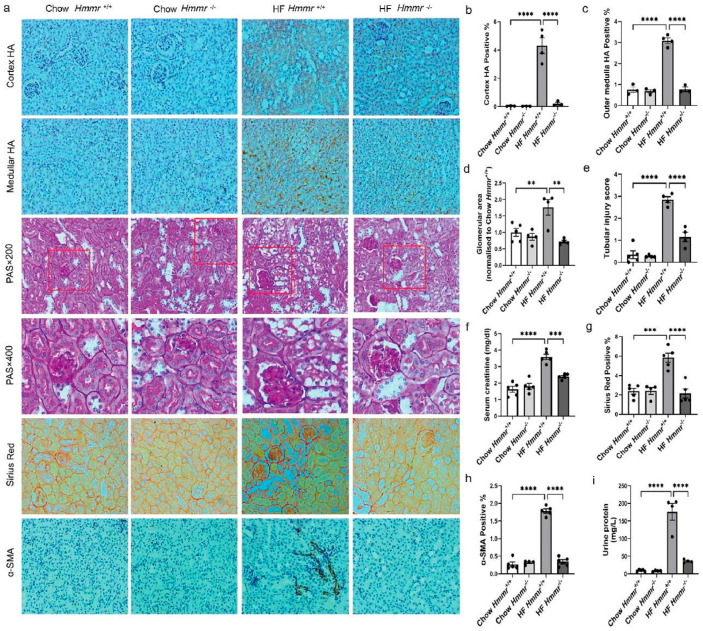 Figure 5
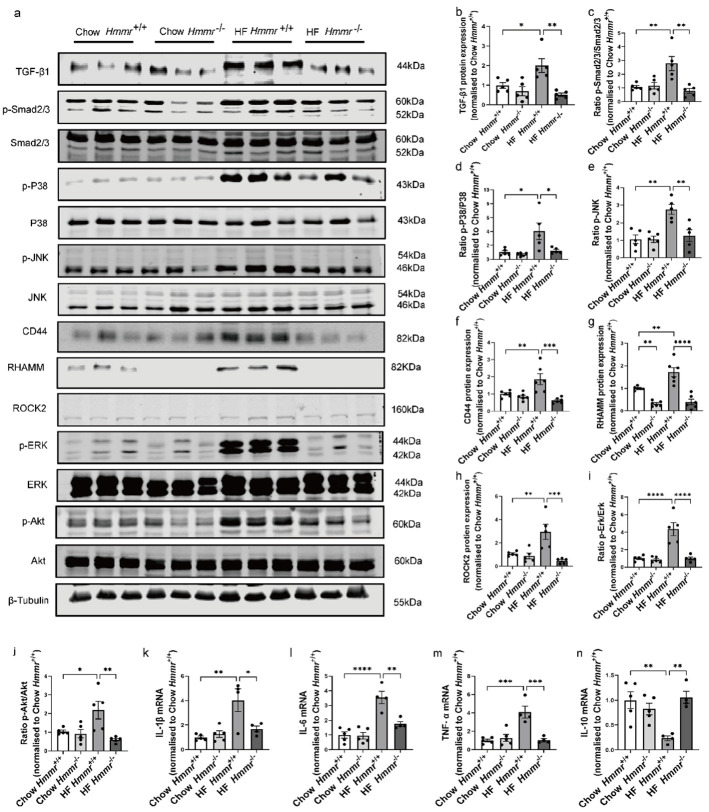 Figure 6
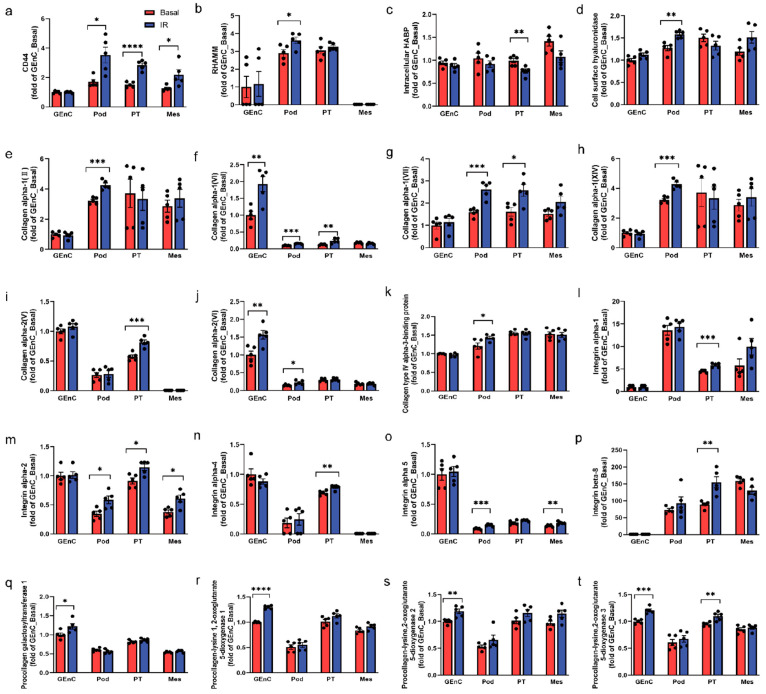 Figure 7
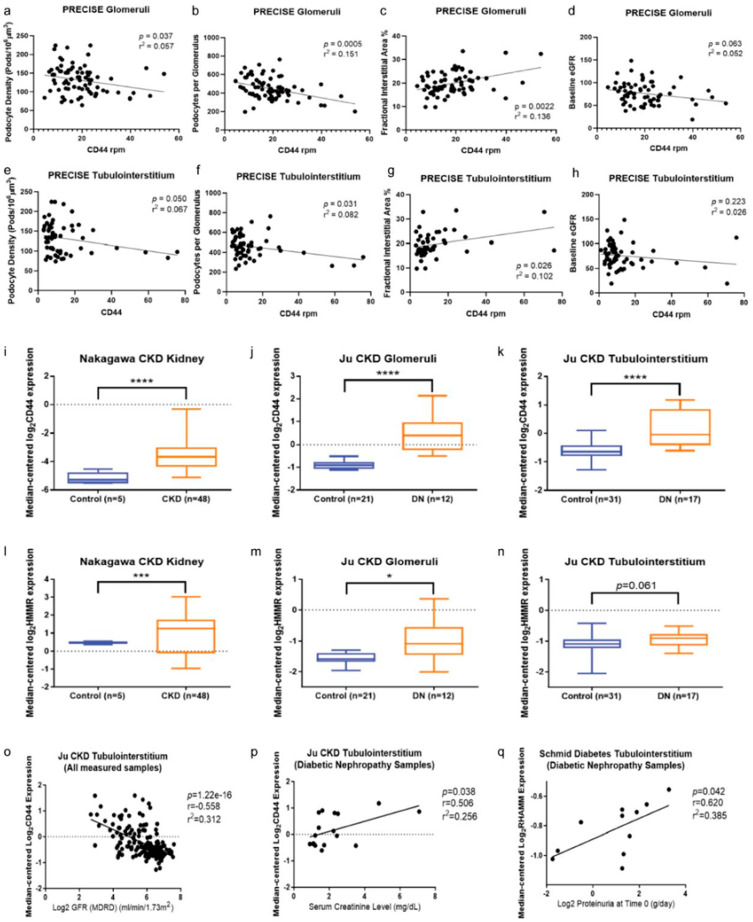 Figure 8
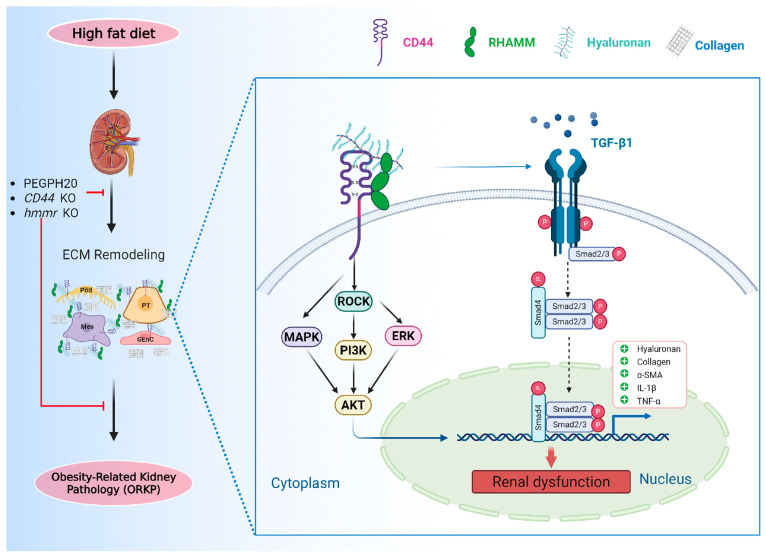 Figure 9
Peer Reviews
No public reviews on file for this paper yet. If you reviewed it on a platform where reviews are public (OpenReview, ICLR, NeurIPS, ICML), you can paste yours below so the community can read it here.
Videos
No videos yet. Explain this paper in a talk, walkthrough, or lecture? Add one.
Taxonomy
TopicsProteoglycans and glycosaminoglycans research · Chronic Kidney Disease and Diabetes · Cell Adhesion Molecules Research